Ancient Egypt
Cartouche With Royal Name Coloring Pages
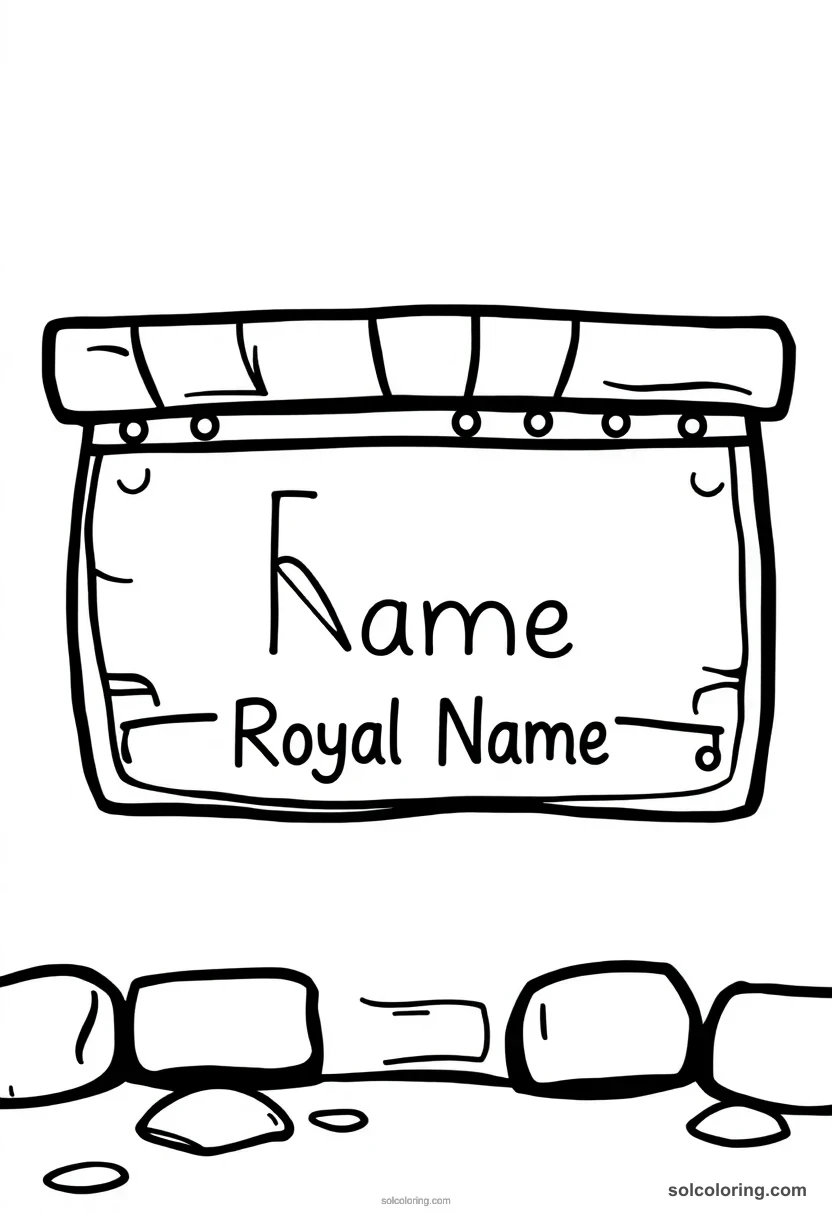
6 free printable designs including Realistic, Detailed, Simple, Mandala and more.
Step into the fascinating world of ancient Egypt with cartouches, the oval-shaped symbols that protected and honored pharaohs' names! These special hieroglyphic enclosures were like magical shields around royal names, believed to guard the ruler for eternity. Cartouches decorated everything from temple walls to jewelry, showing the incredible importance of a pharaoh's identity in Egyptian culture. Each cartouche tells a unique story through beautiful hieroglyphs that represent sounds, objects, and ideas. Our free printable coloring page lets you explore this amazing ancient writing system while creating your own royal masterpiece. Color intricate hieroglyphs and discover how Egyptian scribes used these sacred symbols over 4,000 years ago!
Read more →Read less ↑
Choose a style
Did you know?
Fun facts about Cartouche With Royal Name
Cleopatra's cartouche contains nine different hieroglyphs that spell out her name phonetically in ancient Egyptian.
Some pharaohs had two different cartouches: one for their birth name and another for their throne name chosen when they became ruler.
The largest cartouche ever found measures over 12 feet long and was carved into the temple wall at Abu Simbel for Ramesses II.
Napoleon's soldiers first called these oval symbols 'cartouches' in 1799 because they resembled the paper cartridges used for their musket ammunition.
Tutankhamun's golden burial mask contains his cartouche written in hieroglyphs on the back of his head, invisible unless you remove the mask.
About Cartouche With Royal Name
What is a cartouche in ancient Egypt?
A cartouche is an oval-shaped frame that surrounded the hieroglyphic names of Egyptian pharaohs and queens. The word comes from French, meaning 'cartridge,' because early explorers thought the oval shape looked like ammunition cartridges.
Why did Egyptians put royal names in cartouches?
Egyptians believed cartouches magically protected the pharaoh's name for eternity. Since they thought speaking or writing someone's name gave them eternal life, the cartouche was like a protective shield around this precious information.
How old are the oldest cartouches?
The first cartouches appeared around 2600 BCE during Egypt's Fourth Dynasty. They evolved from earlier rectangular frames called serekhs, becoming the iconic oval shape we recognize today during the reign of Pharaoh Sneferu.
Which famous pharaohs had cartouches?
Every pharaoh from the Old Kingdom onward had cartouches, including Tutankhamun, Cleopatra, Ramesses II, and Hatshepsut. King Tut's cartouche was found on over 5,000 objects in his tomb, showing their incredible importance.
Where were cartouches typically placed?
Cartouches appeared everywhere: temple walls, tomb paintings, jewelry, furniture, pottery, and even on the pharaoh's sandals! They were carved in stone, painted on papyrus, and crafted into golden amulets and rings.
How did cartouches help decode hieroglyphs?
The Rosetta Stone's cartouches were crucial for cracking the hieroglyphic code. Scholars like Jean-François Champollion identified Ptolemy and Cleopatra's cartouches, which helped them understand how hieroglyphs represented sounds and letters in royal names.
More Ancient Egypt coloring pages
Coloring page FAQs
Are these Cartouche With Royal Name coloring pages free?
Yes! All our cartouche coloring pages are completely free to download and print. No payment or subscription required, just instant access to ancient Egyptian fun.
What age are these Cartouche With Royal Name coloring pages for?
Perfect for ages 8-14! The detailed hieroglyphs provide engaging challenges for older kids while teaching fascinating history about ancient Egyptian royal symbols.
How do I print these Cartouche With Royal Name coloring pages?
Simply download the PDF and print on standard A4 or Letter paper using your home printer. No account signup needed, just click and print!