Ancient Egypt
Djed Pillar Coloring Pages
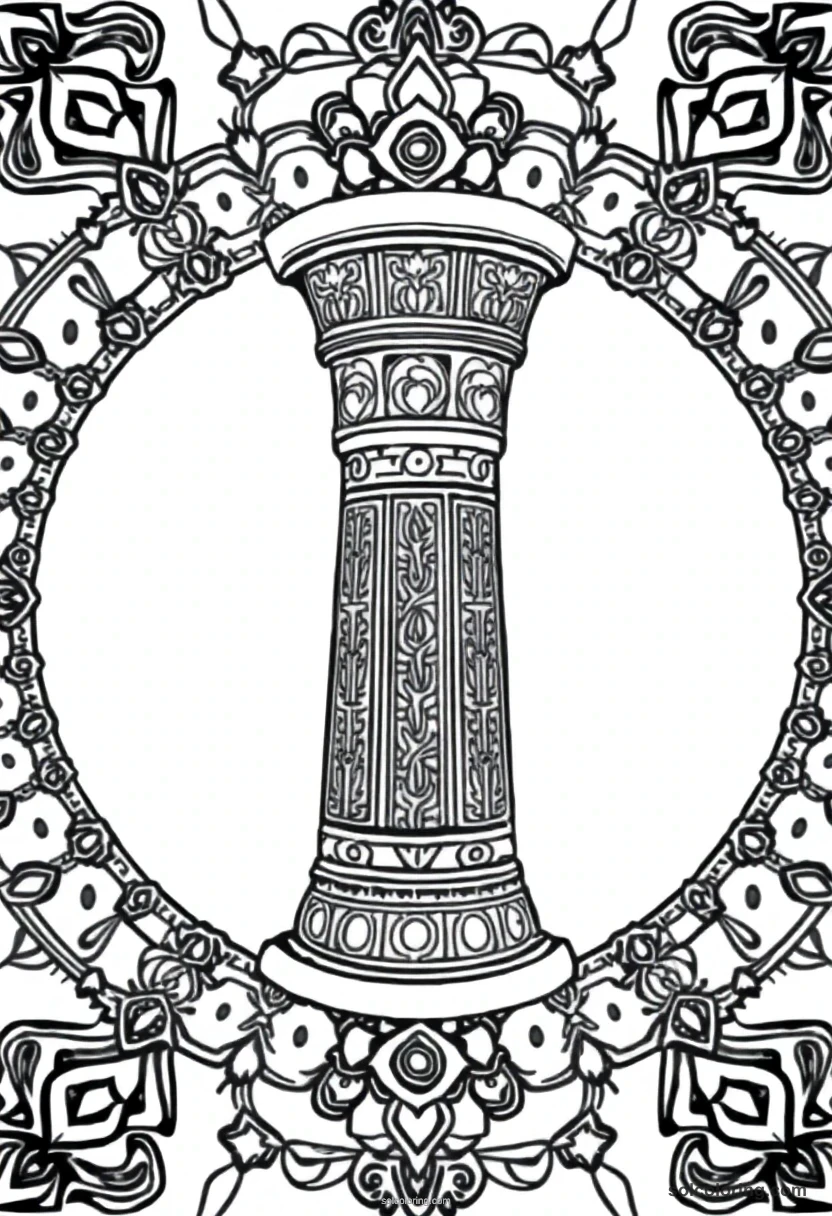
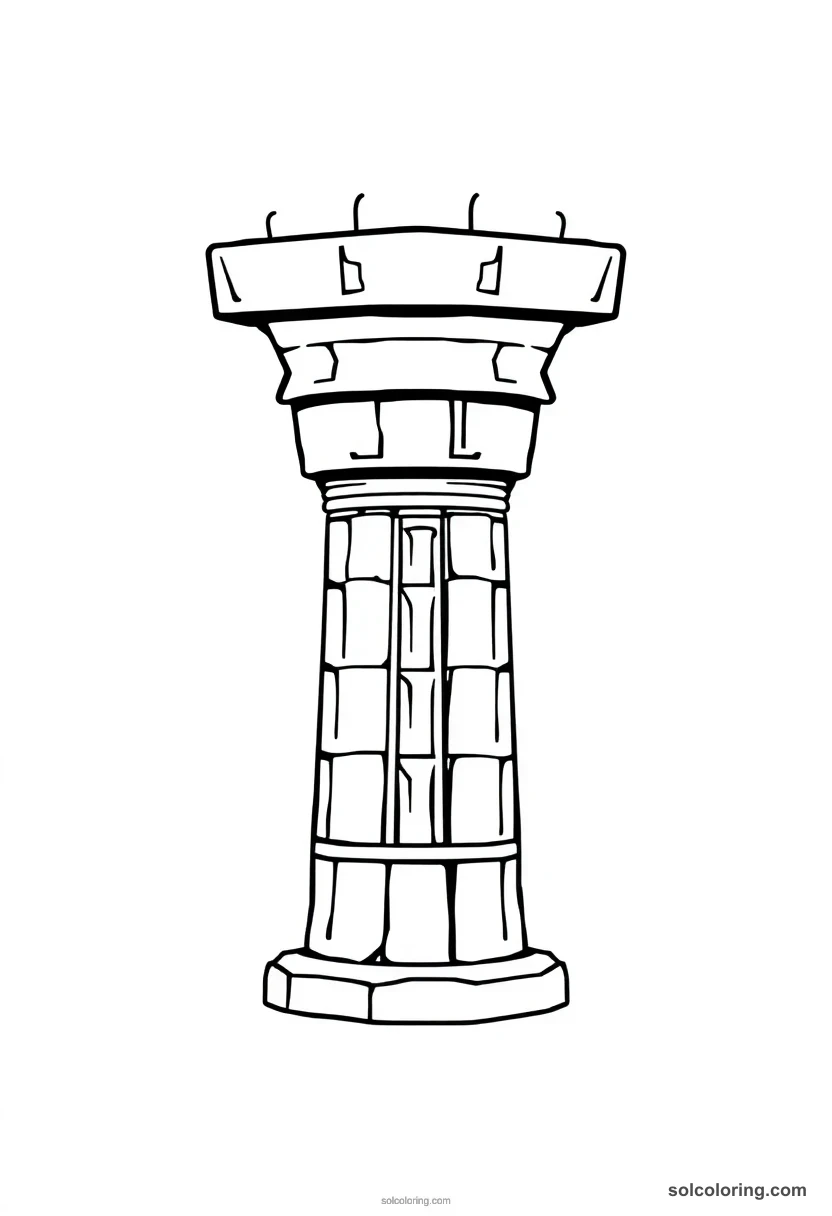
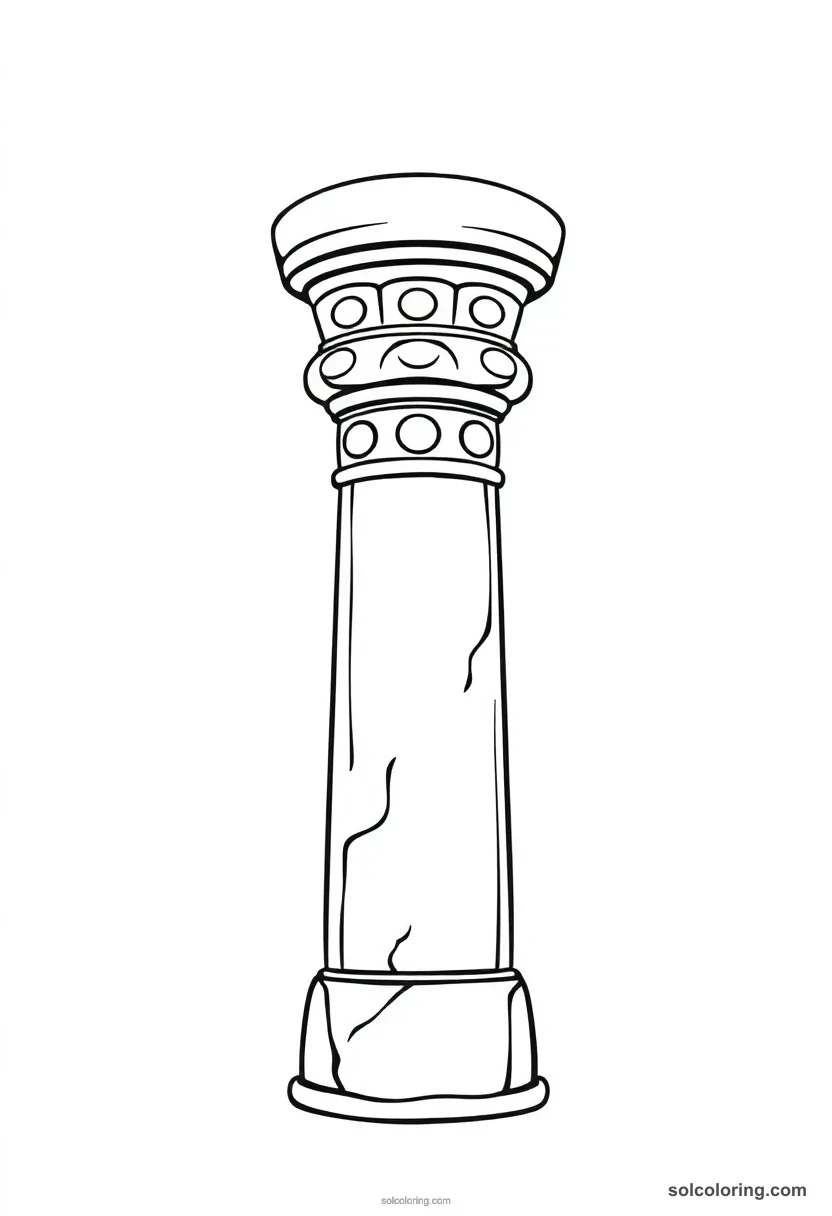
6 free printable designs including Realistic, Detailed, Simple, Mandala and more.
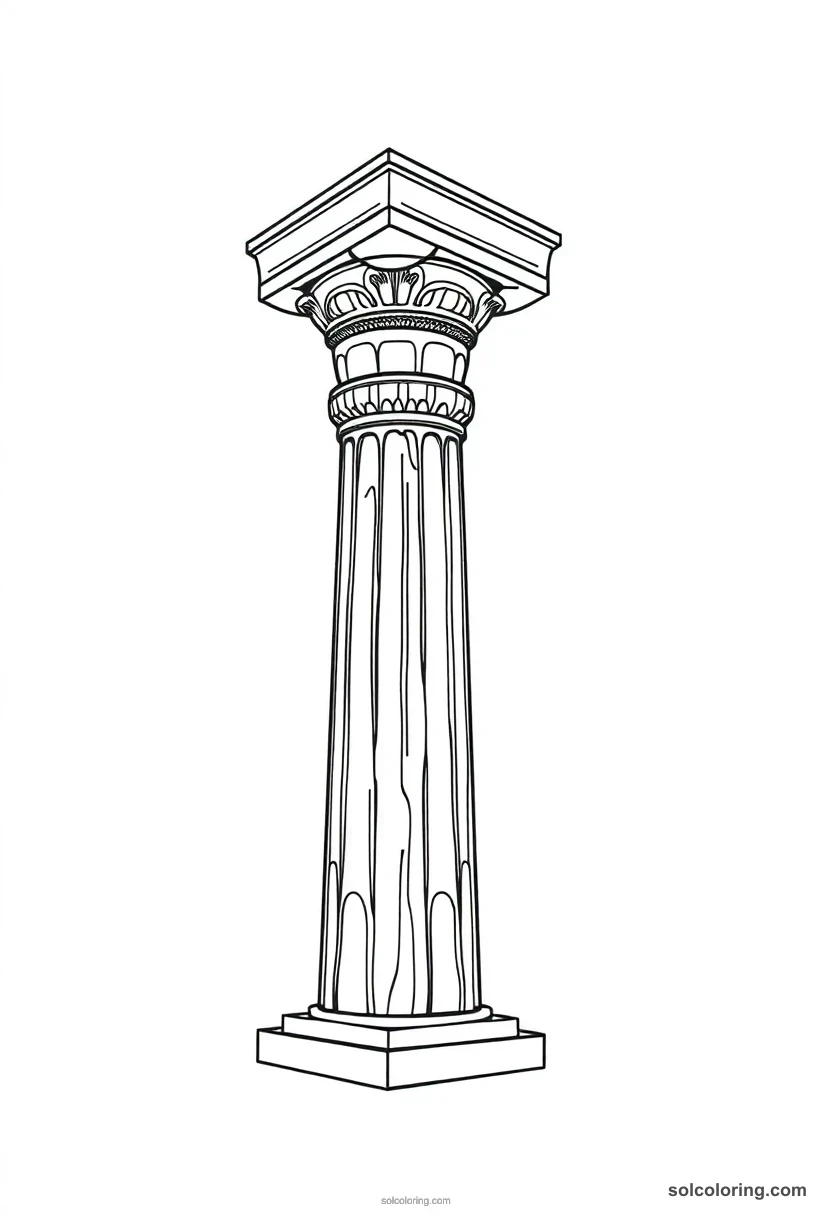
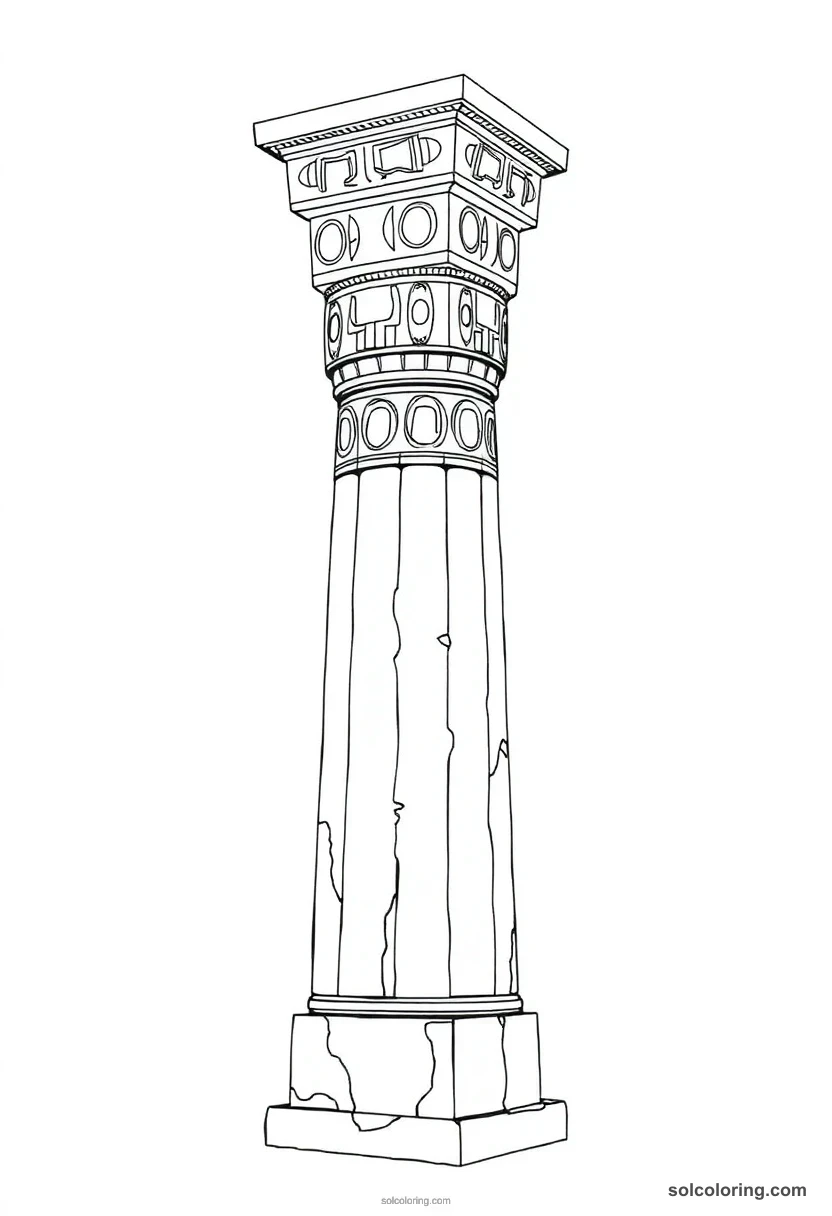
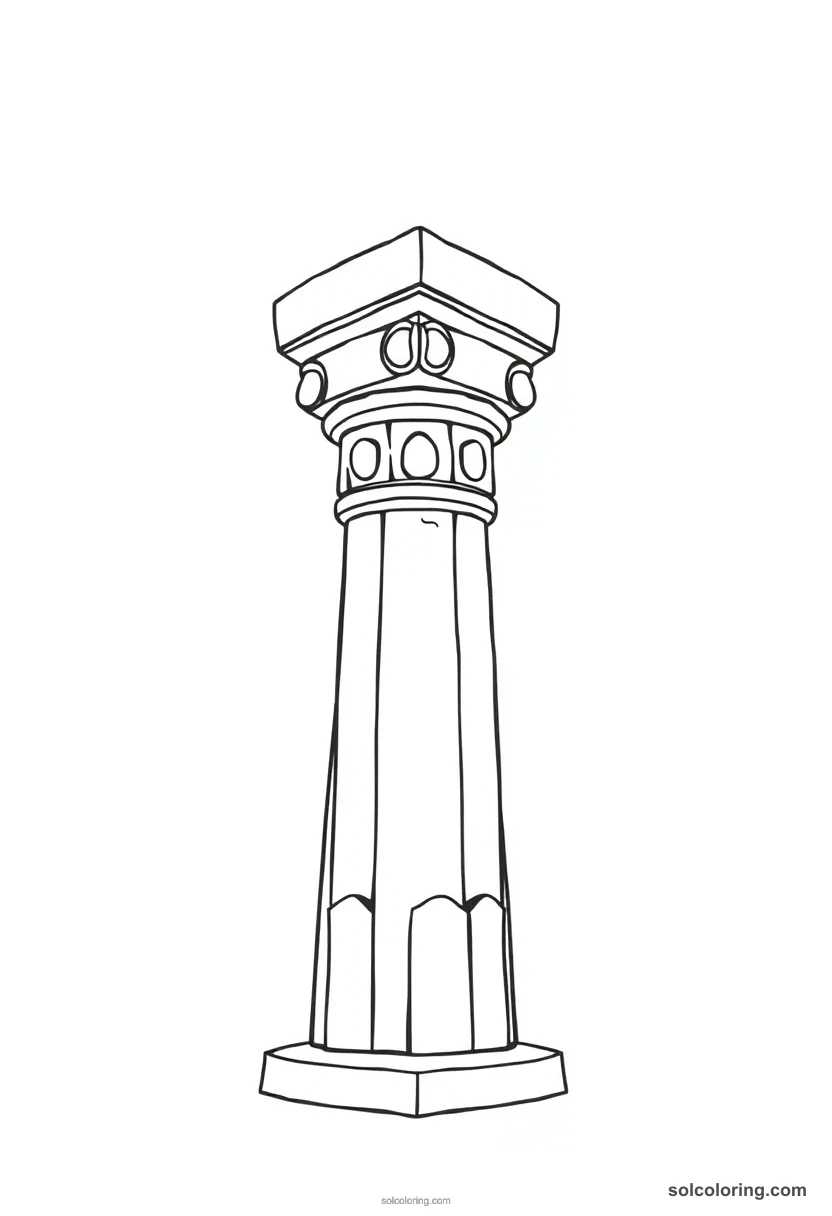
The Djed pillar stands as one of ancient Egypt's most mysterious and powerful symbols, representing stability, endurance, and the backbone of the god Osiris. This sacred column appeared everywhere in Egyptian art: on tomb walls, jewelry, amulets, and temple decorations. Ancient Egyptians believed the Djed pillar could protect them in life and death, making it one of their most cherished symbols for over 3,000 years. The pillar's four horizontal bars at the top may represent the four cardinal directions or the vertebrae of Osiris's spine. Exploring this fascinating symbol through our free printable coloring page helps young artists discover the rich world of ancient Egyptian beliefs while creating their own artistic interpretation of this enduring symbol of strength and stability.
Read more →Read less ↑
Choose a style
Did you know?
Fun facts about Djed Pillar
The Djed pillar ceremony required the pharaoh and priests to physically raise a massive wooden pillar using ropes, symbolizing Osiris rising from the dead.
King Tutankhamun's tomb contained over 400 Djed pillar amulets, showing how important this symbol was for royal protection in the afterlife.
The ancient Egyptian word 'djed' literally means 'enduring' or 'stable,' which is why the symbol became associated with eternal strength.
Some Djed pillars were painted with human arms holding the ankh symbol, representing life and the god's ability to bestow eternal existence.
The largest known Djed pillar carving stands 15 feet tall in the temple of Dendur, now displayed in New York's Metropolitan Museum of Art.
About Djed Pillar
What does the Djed pillar symbolize in ancient Egypt?
The Djed pillar symbolized stability, endurance, and strength. Ancient Egyptians associated it with Osiris's backbone and believed it provided protection against chaos. The symbol guaranteed eternal life and was essential for safe passage to the afterlife.
How old is the Djed pillar symbol?
The Djed pillar appeared in Egyptian art as early as 2700 BCE during the Old Kingdom period. This makes it over 4,700 years old, representing one of humanity's longest continuously used religious symbols throughout ancient history.
Where did ancient Egyptians place Djed pillars?
Egyptians placed Djed symbols on tomb walls, sarcophagi, jewelry, amulets, and temple decorations. They painted them on mummy wrappings and carved them into stone monuments to ensure divine protection and stability.
What do the four horizontal bars represent?
The four horizontal bars likely represent the vertebrae of Osiris's spine or the four cardinal directions. Some scholars believe they symbolize the four pillars holding up the sky in Egyptian cosmology.
Was there a special ceremony for the Djed pillar?
Yes! Ancient Egyptians held an annual 'Raising of the Djed' ceremony where they physically erected a large Djed pillar. This ritual celebrated Osiris's resurrection and ensured the kingdom's stability for another year.
How did people wear Djed pillar symbols?
Egyptians wore small Djed amulets as necklaces, bracelets, and rings for daily protection. They made these from gold, silver, faience, and precious stones, believing the symbol brought good luck and divine favor.
More Ancient Egypt coloring pages
Coloring page FAQs
Are these Djed Pillar coloring pages free?
Yes! All our Djed Pillar coloring pages are completely free to download and print. No payment, subscription, or account required to access these ancient Egyptian symbol designs.
What age are these Djed Pillar coloring pages for?
Our Djed Pillar pages work great for ages 8 to 14, with designs ranging from simpler outlines for younger kids to more detailed Egyptian patterns for teens.
How do I print these Djed Pillar coloring pages?
Simply download the PDF files and print them on standard A4 or Letter paper using any home printer. No signup needed, just click, download, and print instantly.