
Ancient Egypt
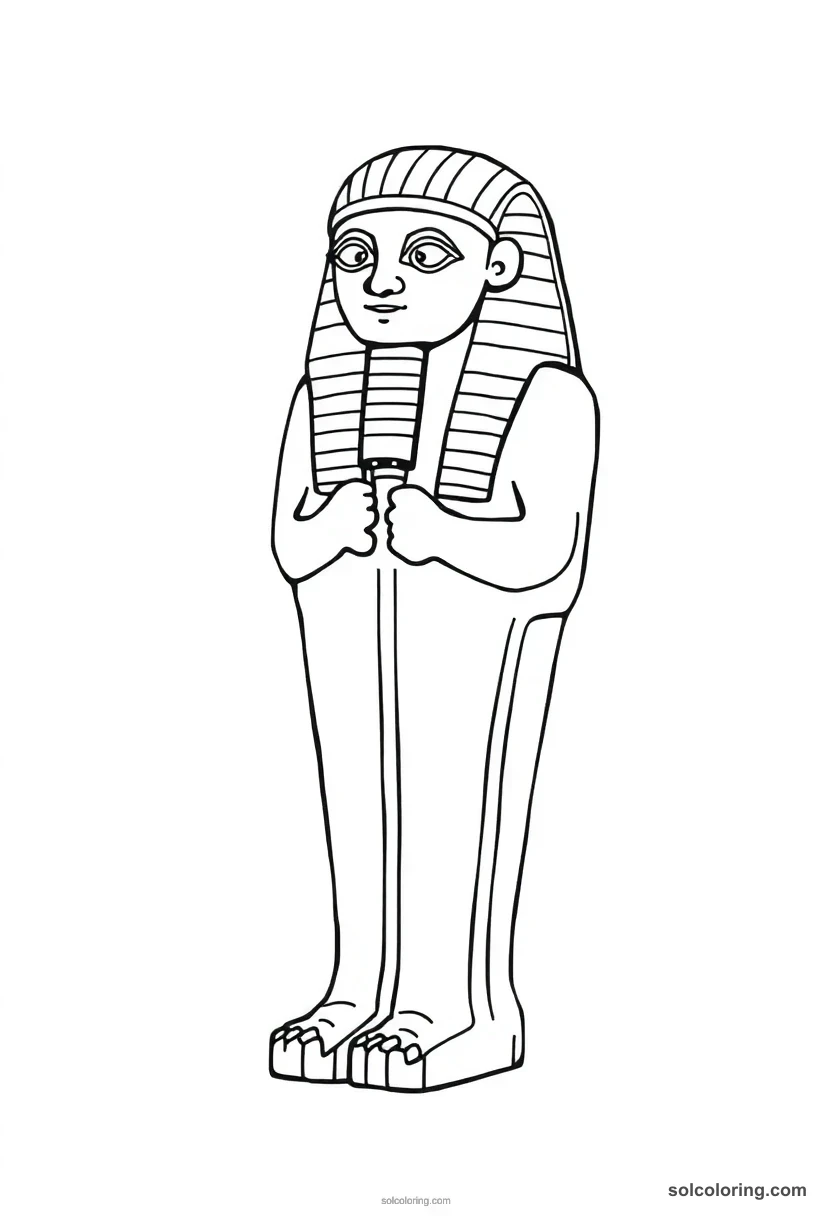
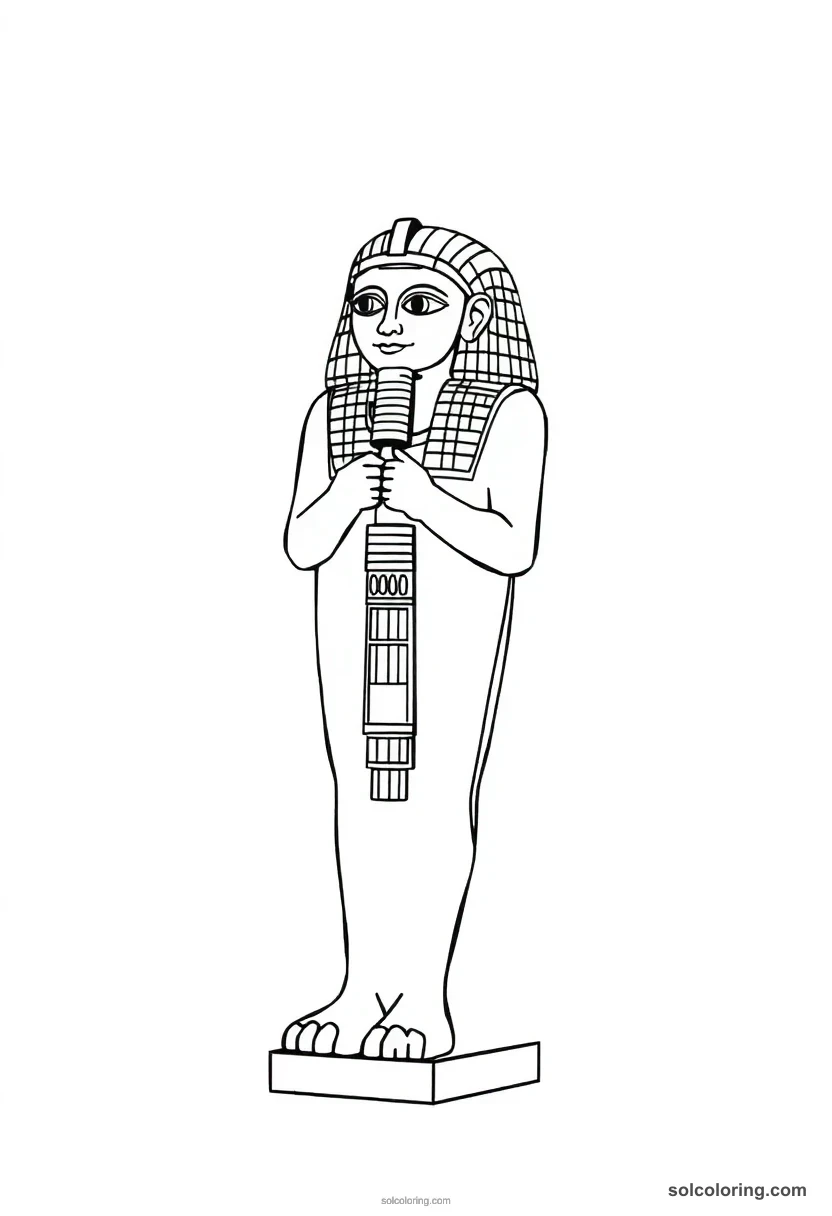
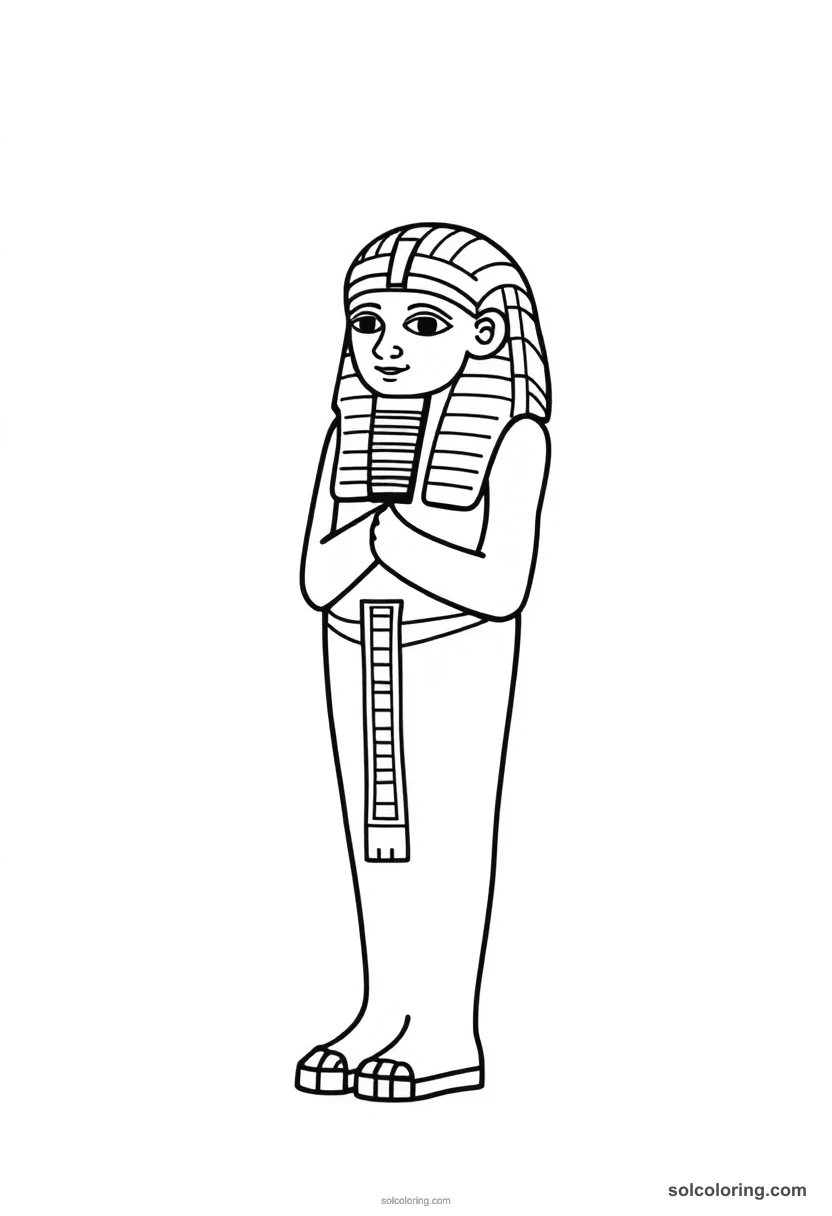
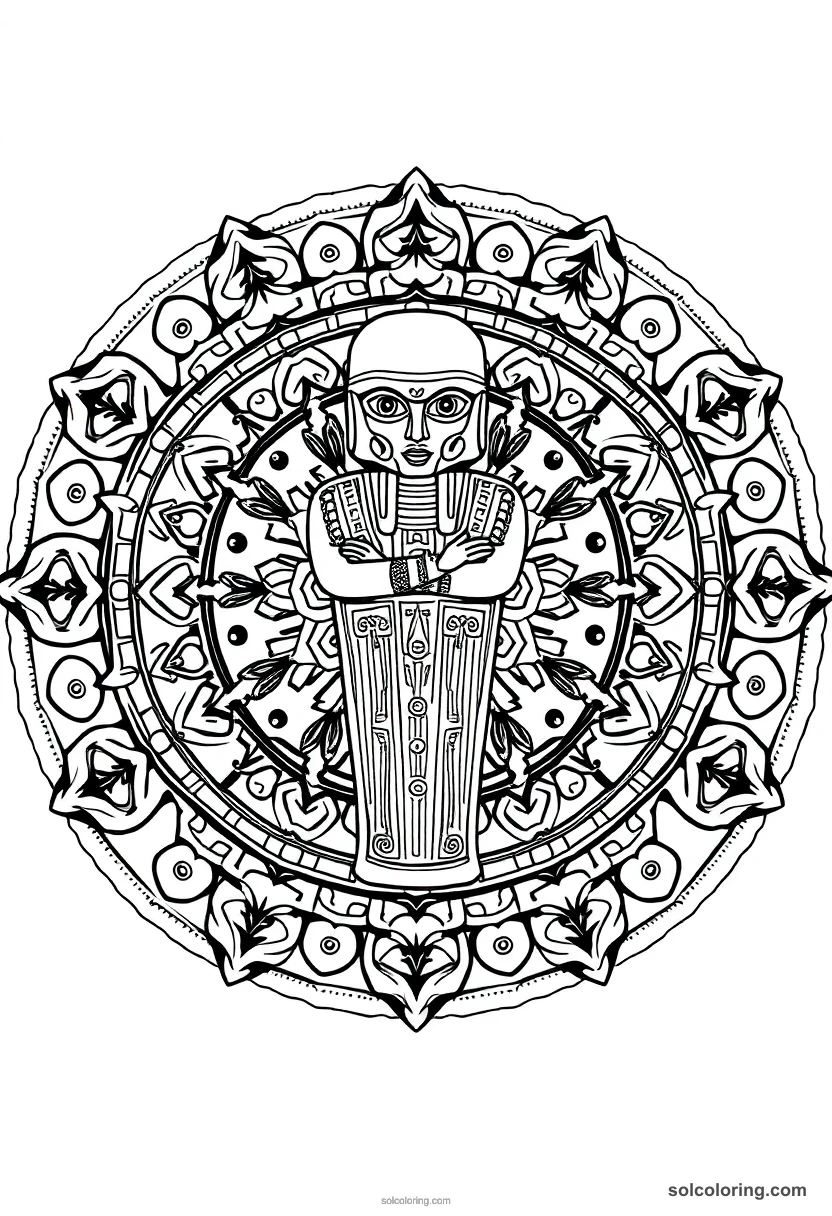
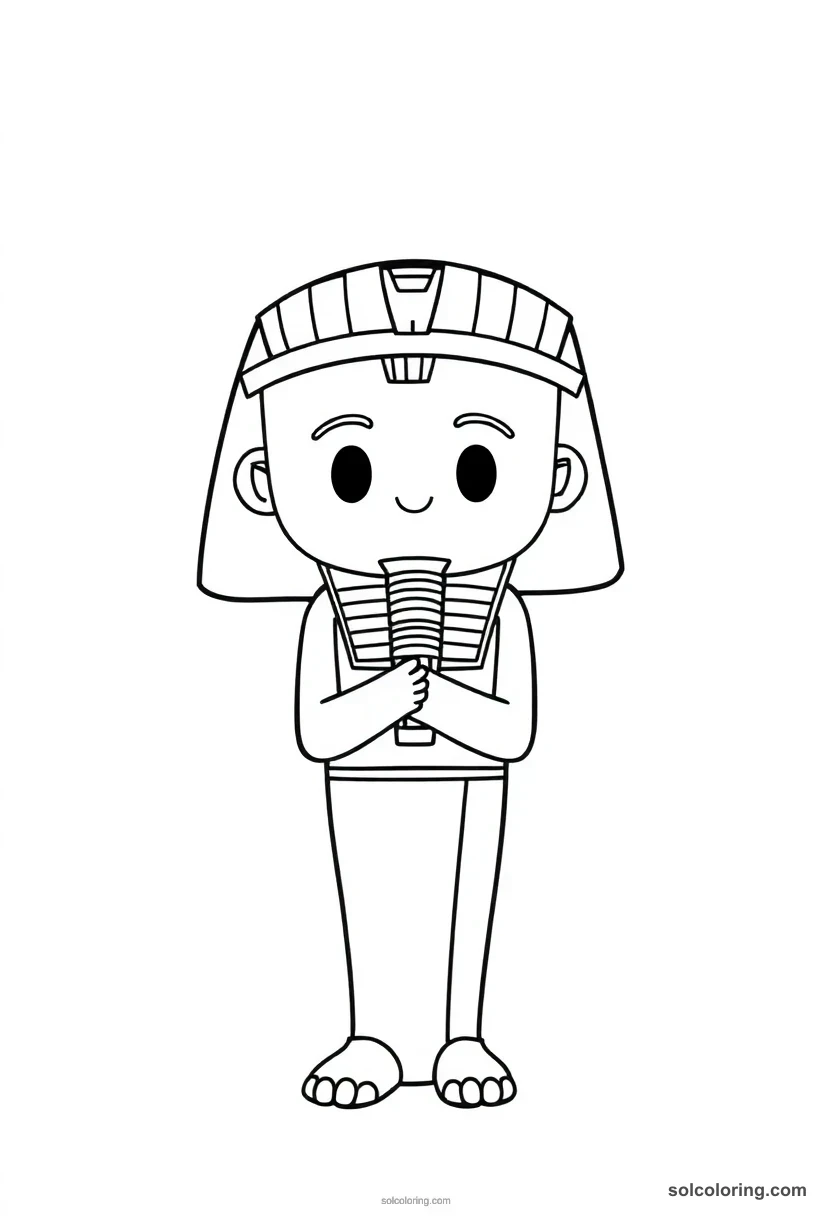
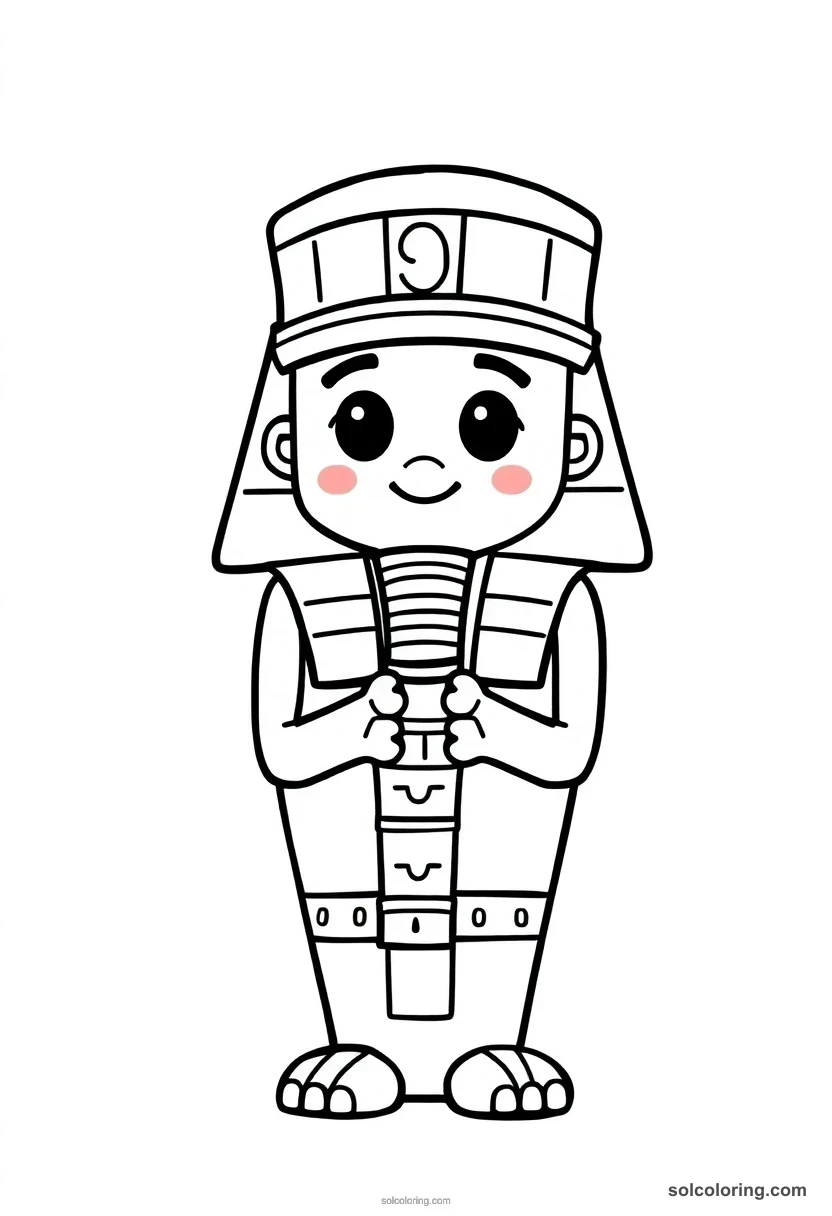
Shabti Funerary Figurine Coloring Pages
6 free printable designs including Realistic, Detailed, Simple, Mandala and more.
Step into the mysterious world of ancient Egypt with shabti funerary figurines! These fascinating small statues were placed in tombs to serve as magical servants for the deceased in the afterlife. Carved from stone, wood, or made from faience, shabtis were believed to come to life and perform any work the dead person might be assigned in the next world. From farming to carrying heavy loads, these loyal figurines ensured their owners could enjoy eternal rest. Our free printable coloring page lets you explore the intricate details of these remarkable artifacts, from their hieroglyphic inscriptions to their distinctive wrapped appearance. Color your way through ancient Egyptian beliefs about death and the afterlife while discovering one of archaeology's most intriguing treasures.
Read more →Read less ↑
Choose a style
Did you know?
Fun facts about Shabti Funerary Figurine
The word 'shabti' comes from the ancient Egyptian word 'shawabti,' meaning 'answerer,' because they would answer when called to work in the afterlife.
Some wealthy Egyptians had overseer shabtis that wore kilts and held whips to manage the worker shabtis, creating a complete afterlife labor force.
The largest collection of shabtis belongs to Yuya and Tjuyu (King Tut's great-grandparents), with over 400 figurines found in their tomb.
Modern museums worldwide house over 50,000 shabti figurines, making them one of the most common ancient Egyptian artifacts found today.
Some shabtis were made with removable heads so they could be easily repaired if damaged, showing how important these magical servants were to their owners.
About Shabti Funerary Figurine
What were shabti figurines used for in ancient Egypt?
Shabtis were magical servant figurines placed in tombs to work for the deceased in the afterlife. Ancient Egyptians believed these small statues would come to life and perform any labor the dead person was assigned, allowing them eternal rest.
What materials were shabti figurines made from?
Shabtis were crafted from various materials including limestone, wood, bronze, and faience (glazed ceramic). Wealthier Egyptians had shabtis made from precious materials like gold, while common people used cheaper clay or wood versions.
How many shabti figurines were buried with one person?
The number varied greatly by time period and wealth. Some tombs contained just one shabti, while others held hundreds. Pharaoh Taharqa was buried with over 1,000 shabtis, and some royal tombs contained more than 400 figurines.
What do the hieroglyphs on shabti figurines say?
Most shabtis feature Chapter 6 of the Book of the Dead, a magical spell that activates the figurine. The text typically says something like: 'If you are called to do work, say Here I am, I will do it.'
When did ancient Egyptians start using shabti figurines?
Shabtis first appeared during Egypt's Middle Kingdom around 2000 BCE and continued through the Ptolemaic period. They evolved from simple wooden dolls into elaborate figurines with detailed faces, tools, and hieroglyphic inscriptions over nearly 2,000 years.
What tools are shabti figurines usually shown holding?
Shabtis typically hold farming tools like hoes, picks, and seed bags, since agricultural work was expected in the afterlife. Some also carry baskets for transporting grain or other materials needed for eternal service to their owners.
More Ancient Egypt coloring pages
Coloring page FAQs
Are these Shabti Funerary Figurine coloring pages free?
Yes! All our shabti coloring pages are completely free to download and print. No payment, subscription, or hidden fees required for these ancient Egyptian treasures.
What age are these Shabti Funerary Figurine coloring pages for?
Our shabti coloring pages are designed for ages 8-14, featuring detailed designs that help older kids learn about ancient Egyptian culture while developing fine motor skills.
How do I print these Shabti Funerary Figurine coloring pages?
Simply click download and print on standard A4 or Letter paper using any home printer. No account creation or signup needed to access these educational coloring pages.