Ancient Egypt
Was Scepter Coloring Pages
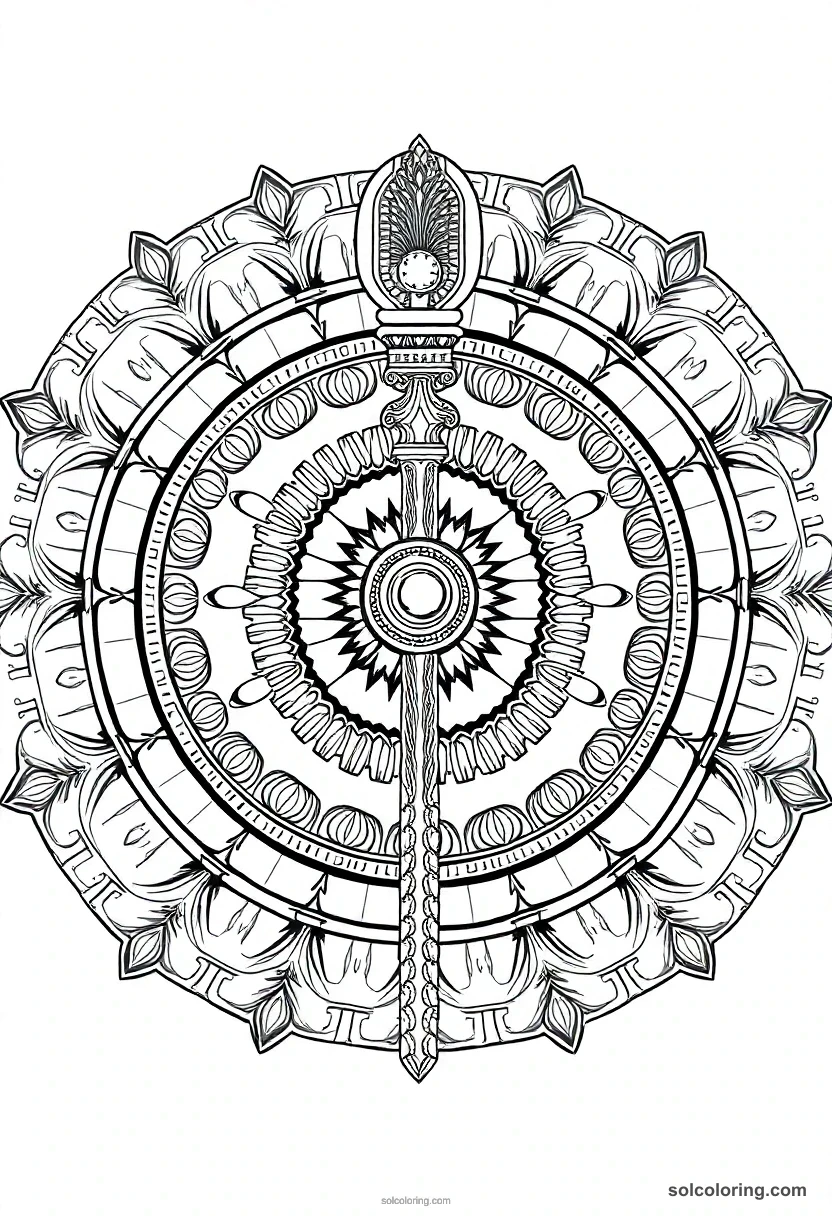
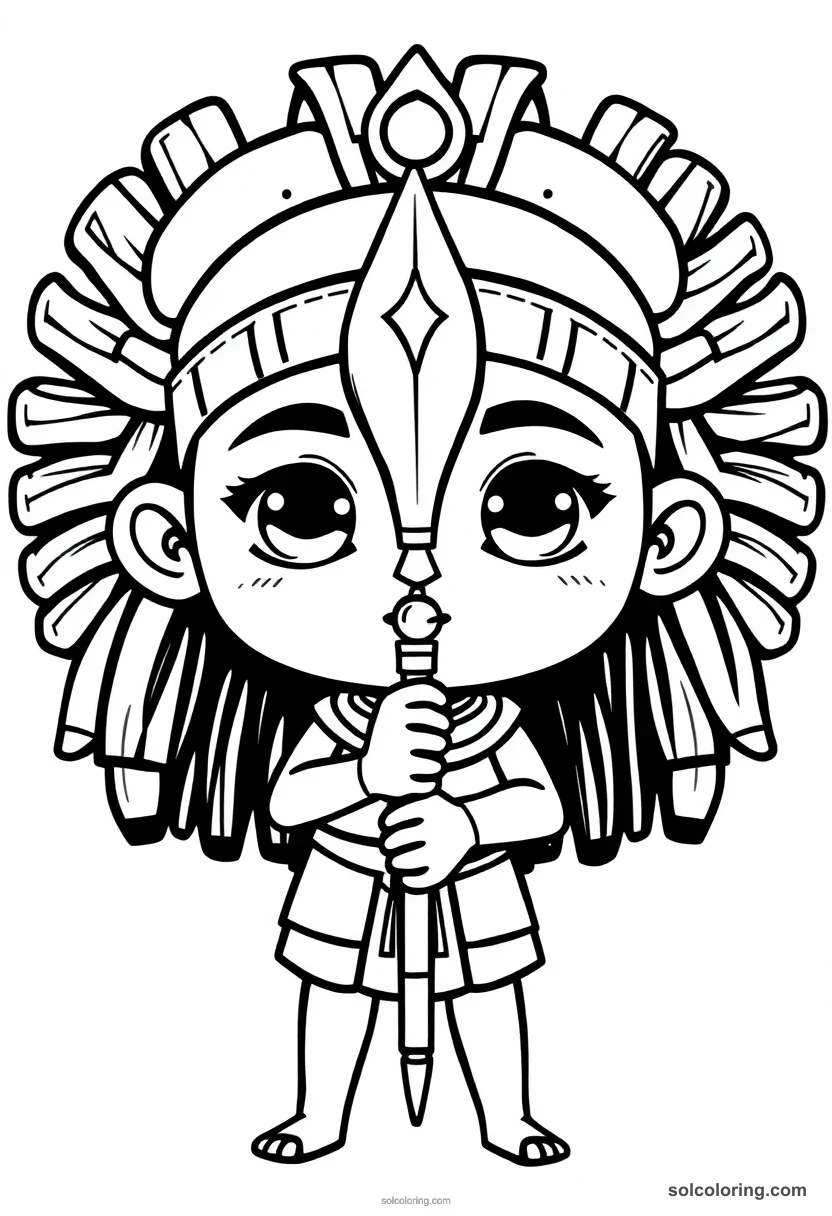
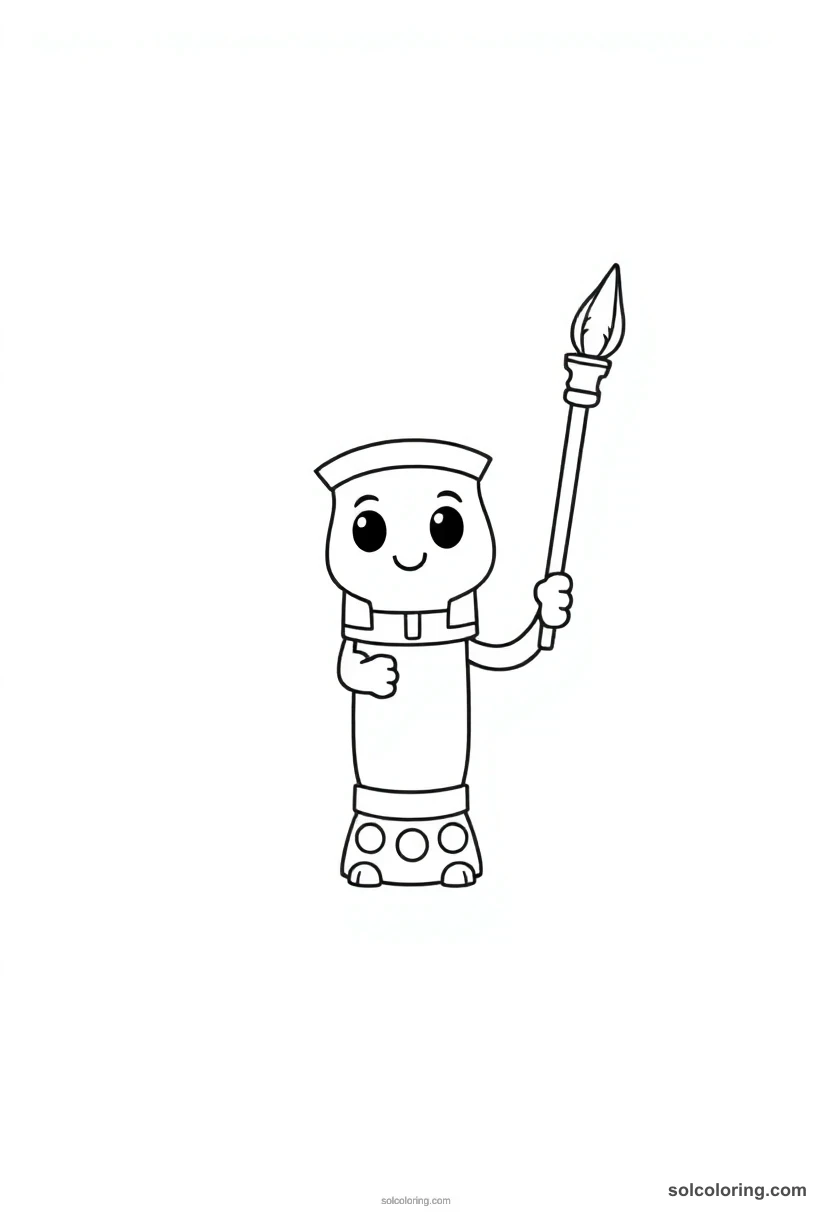
6 free printable designs including Realistic, Detailed, Simple, Mandala and more.
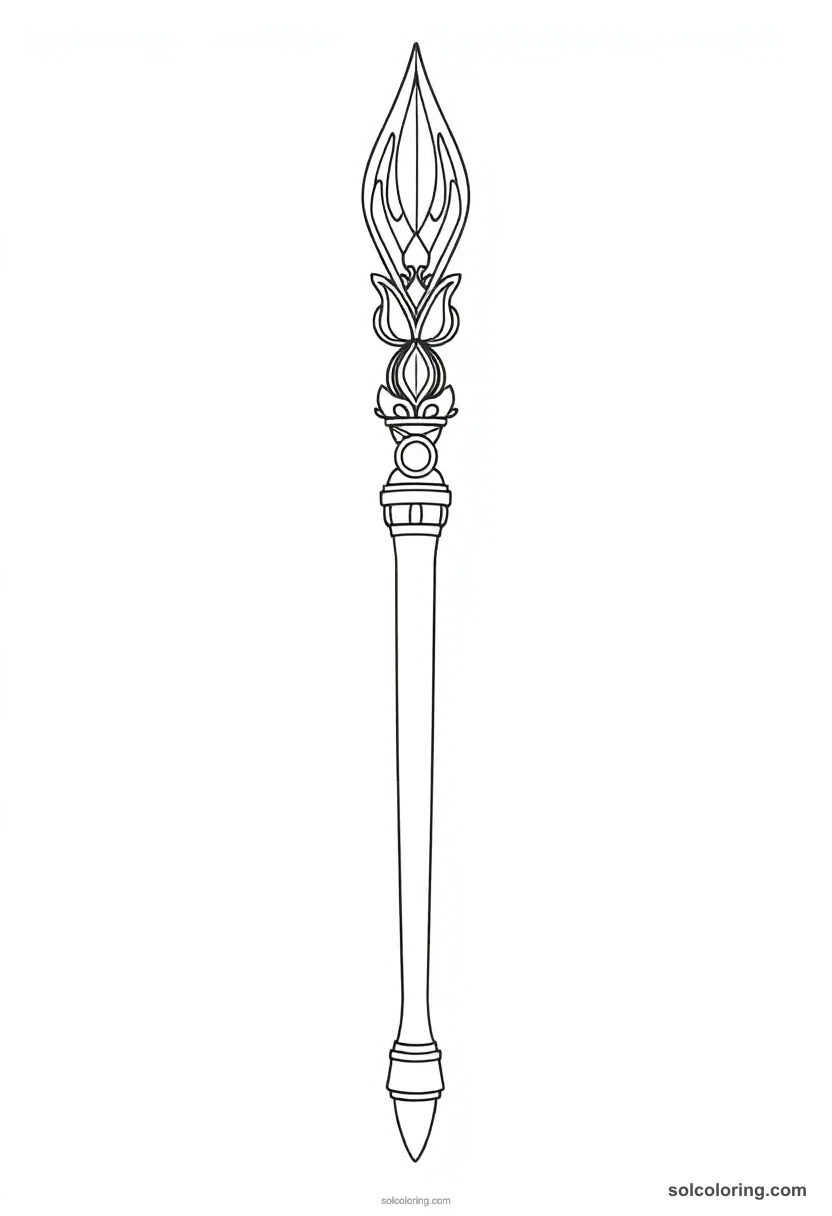
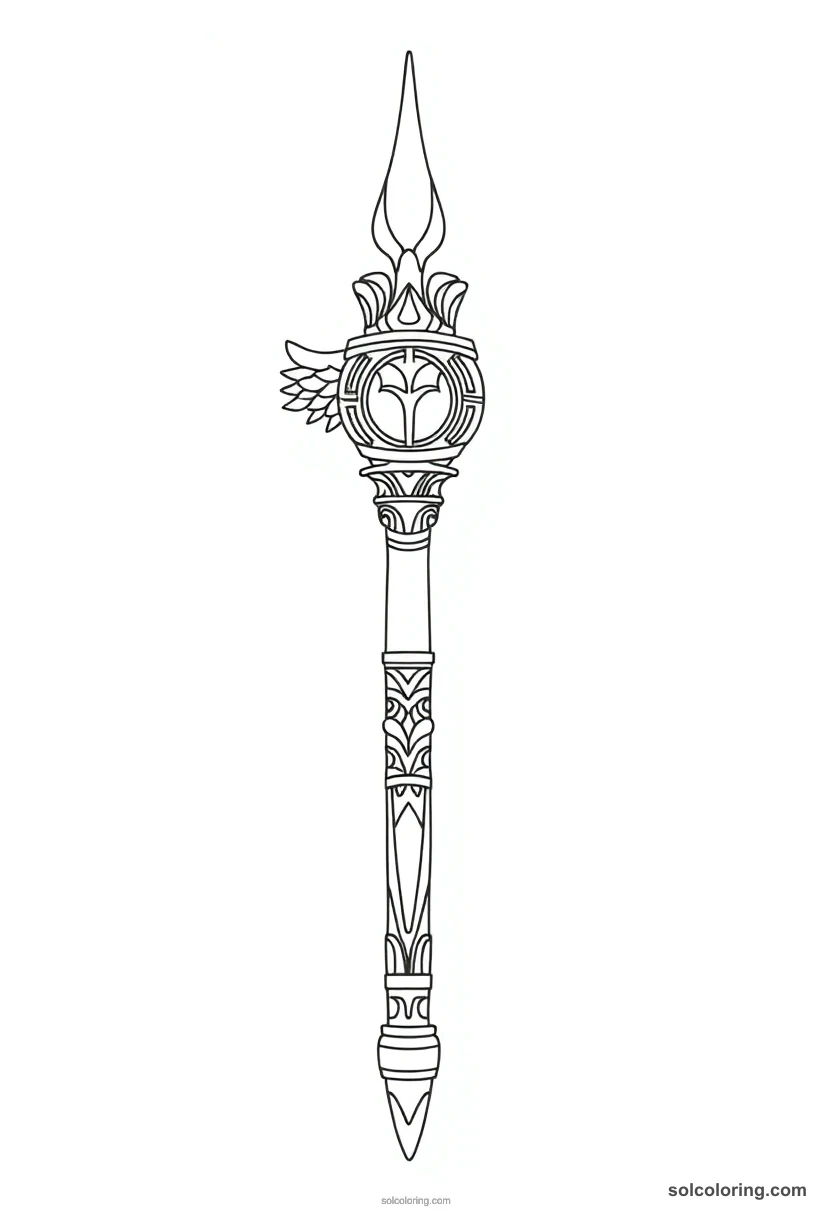
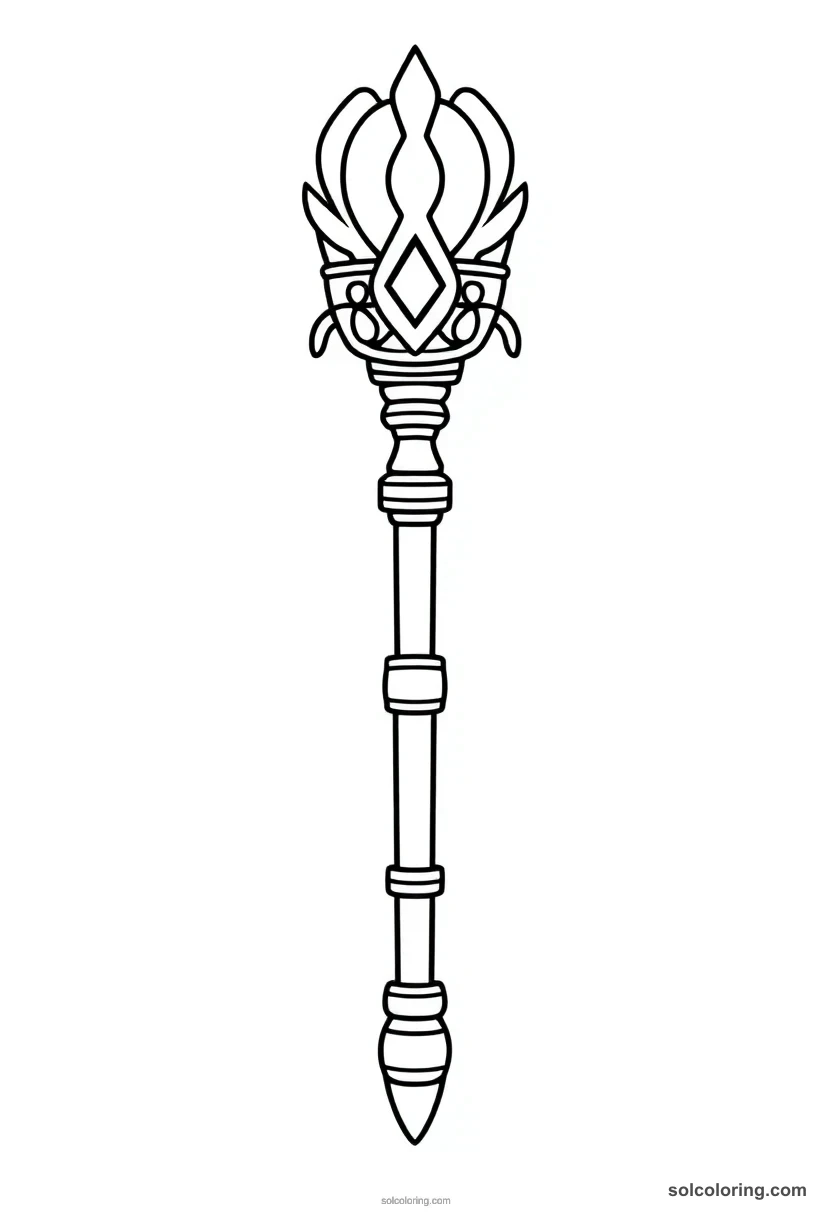
The was scepter stands as one of ancient Egypt's most powerful and recognizable symbols of divine authority and magical power. This sacred staff, topped with the distinctive head of the Set animal and a forked base, was carried by pharaohs, gods, and goddesses as a symbol of dominion over both the living and the dead. Egyptian art frequently depicts deities like Anubis, Ptah, and Set holding these magnificent scepters during important ceremonies and divine interventions. The intricate hieroglyphic meaning of 'was' translates to 'power' or 'dominion,' making it a perfect subject for young historians and art enthusiasts. Our free printable coloring pages capture the elegant curves and mystical details of these ancient symbols, allowing you to explore Egyptian culture while creating your own masterpiece of this timeless artifact.
Read more →Read less ↑
Choose a style
Did you know?
Fun facts about Was Scepter
The was scepter's forked bottom wasn't just decorative: it could be stuck into the ground during ceremonies, allowing the pharaoh to stand it upright when not holding it.
King Tutankhamun was buried with multiple was scepters, including one made of solid gold that weighed over 2 pounds and measured 4.5 feet long.
The hieroglyph for the was scepter became so important that Egyptians used it as a determinative symbol to indicate words related to power and divine authority.
Some was scepters contained hidden compartments where priests stored sacred oils, incense, or small religious artifacts used in temple ceremonies.
The Set animal head on was scepters has never been definitively identified with any known creature, making it one of archaeology's enduring mysteries.
About Was Scepter
What does the was scepter symbolize in ancient Egypt?
The was scepter represented divine power, dominion, and magical authority in ancient Egypt. Pharaohs and gods carried them to show their control over life, death, and the natural world, making it one of Egypt's most important royal symbols.
What animal head is on top of the was scepter?
The was scepter features the head of the mysterious 'Set animal,' associated with the god Set. This creature combines features of various animals including an aardvark, donkey, and jackal, creating a unique mythological being that represented chaos and power.
How long were was scepters in ancient Egypt?
Archaeological examples of was scepters typically measured between 4 to 6 feet long, though ceremonial versions could be shorter. The length allowed pharaohs and priests to hold them prominently during religious ceremonies and public appearances, emphasizing their divine authority.
Which Egyptian gods commonly held was scepters?
Many Egyptian deities carried was scepters, including Anubis (god of mummification), Ptah (creator god), Set (god of chaos), and Wepwawet (wolf god). Even pharaohs like Tutankhamun were buried with golden was scepters for the afterlife.
What materials were was scepters made from?
Was scepters were crafted from various materials depending on their purpose. Royal examples used gold, silver, and precious stones, while ceremonial versions employed wood covered in gold leaf. Some were made entirely of carved stone or bronze for durability.
How old are the oldest was scepter artifacts?
The earliest depictions of was scepters date back over 5,000 years to Egypt's predynastic period. Physical examples have been found in tombs from around 3100 BCE, making them among the oldest royal symbols in human civilization.
More Ancient Egypt coloring pages
Coloring page FAQs
Are these Was Scepter coloring pages free?
Yes! All our Was Scepter coloring pages are completely free to download and print. No payment, registration, or subscription required to access these ancient Egyptian designs.
What age are these Was Scepter coloring pages for?
These coloring pages work great for ages 8 to 14, featuring varying detail levels. Younger kids can enjoy simpler designs while older students can tackle intricate hieroglyphic patterns.
How do I print these Was Scepter coloring pages?
Simply click download and print on standard A4 or Letter paper using any home printer. The pages are optimized for regular paper and don't require special settings.