
Ancient Rome
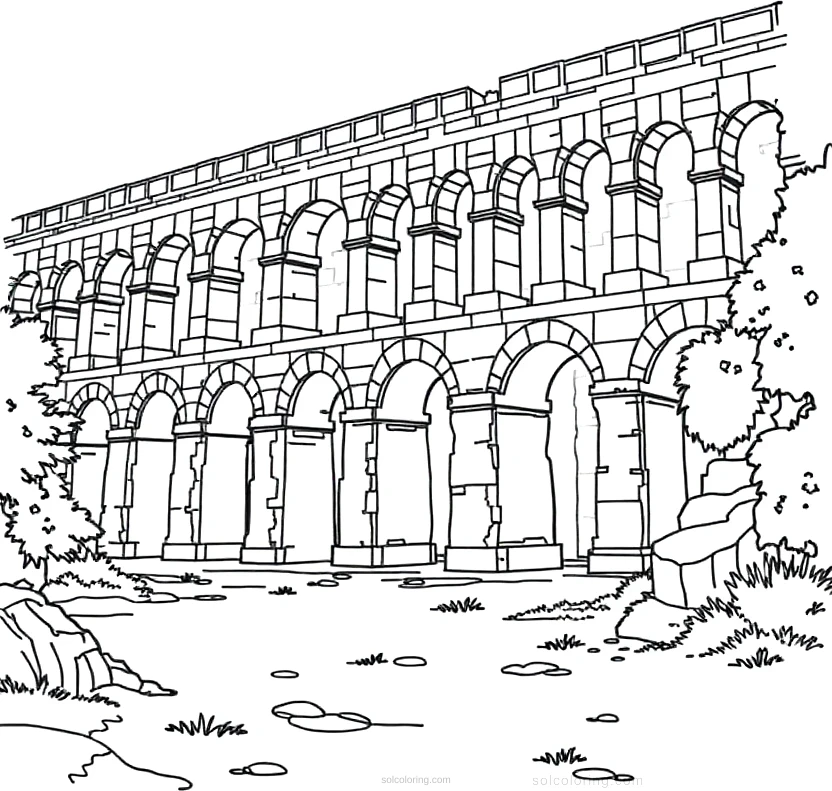
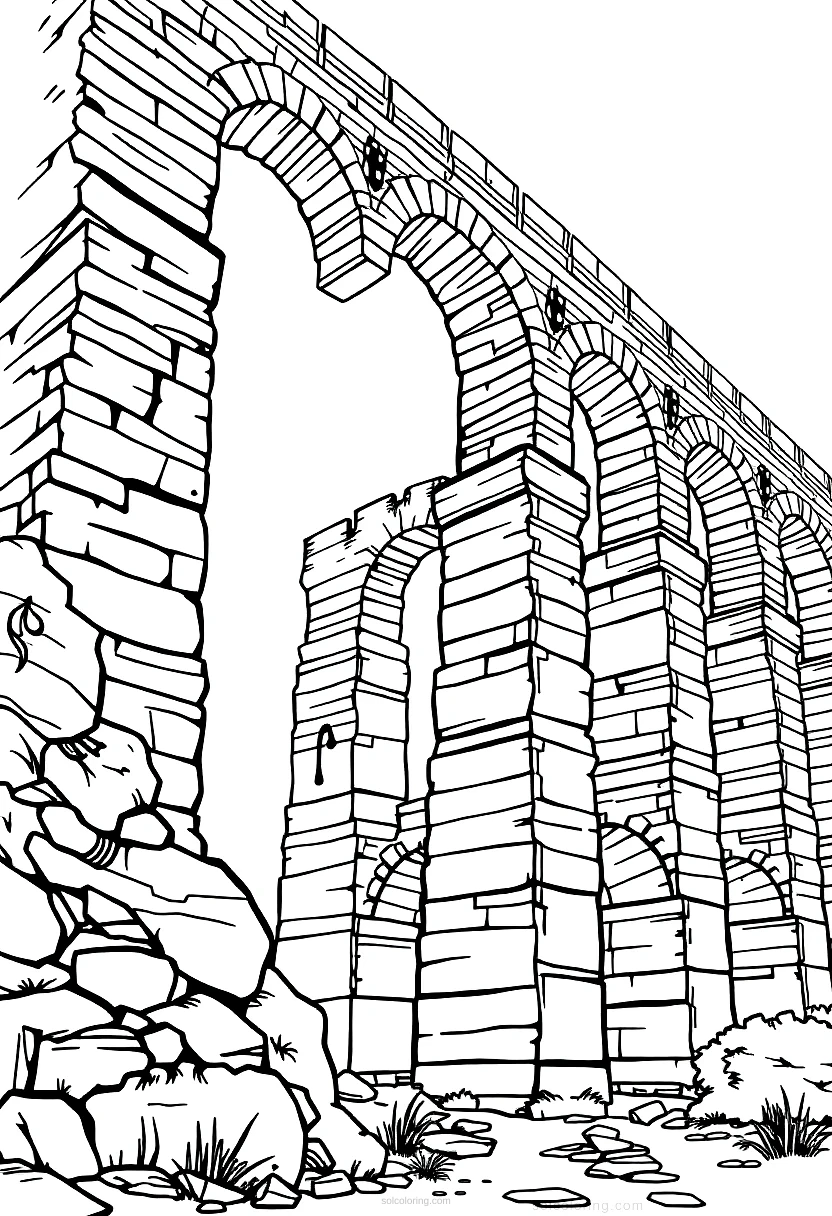
Roman Aqueduct Coloring Pages
6 free printable designs including Standard, Standard, Standard, Standard and more.
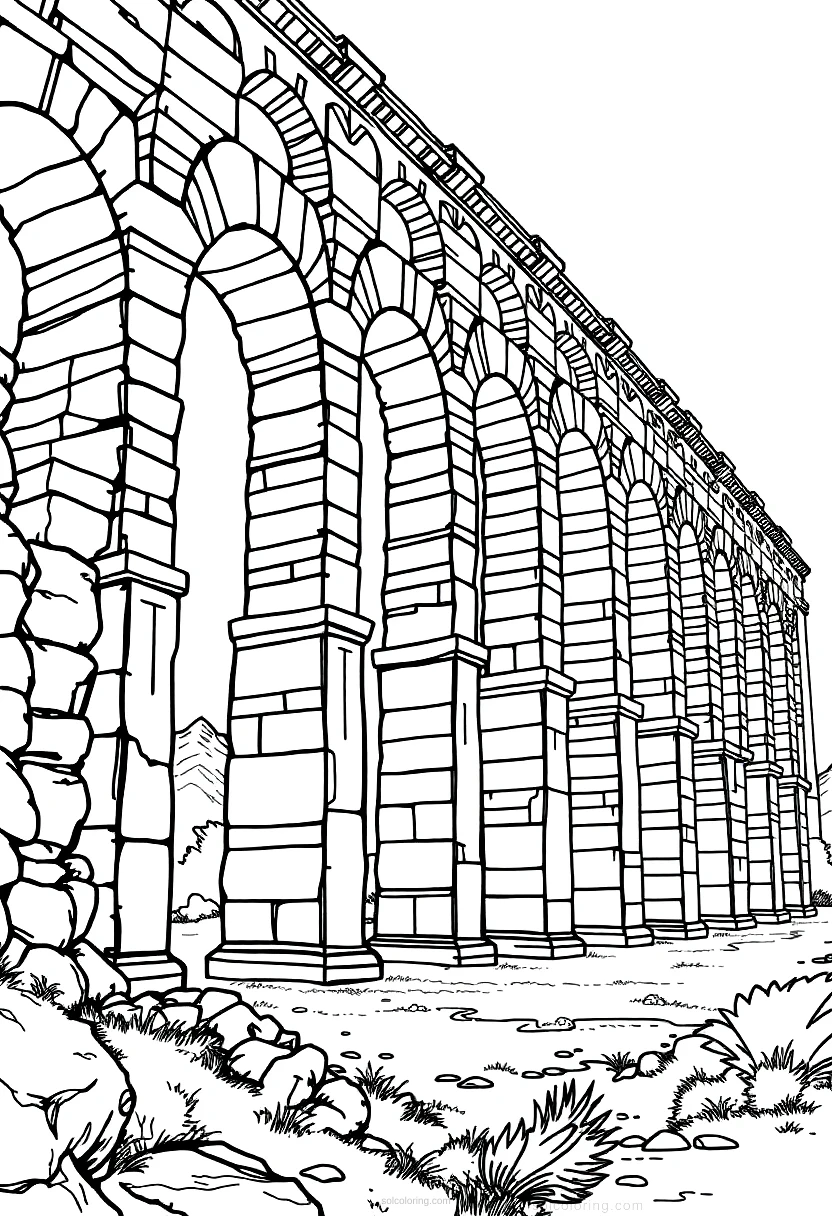
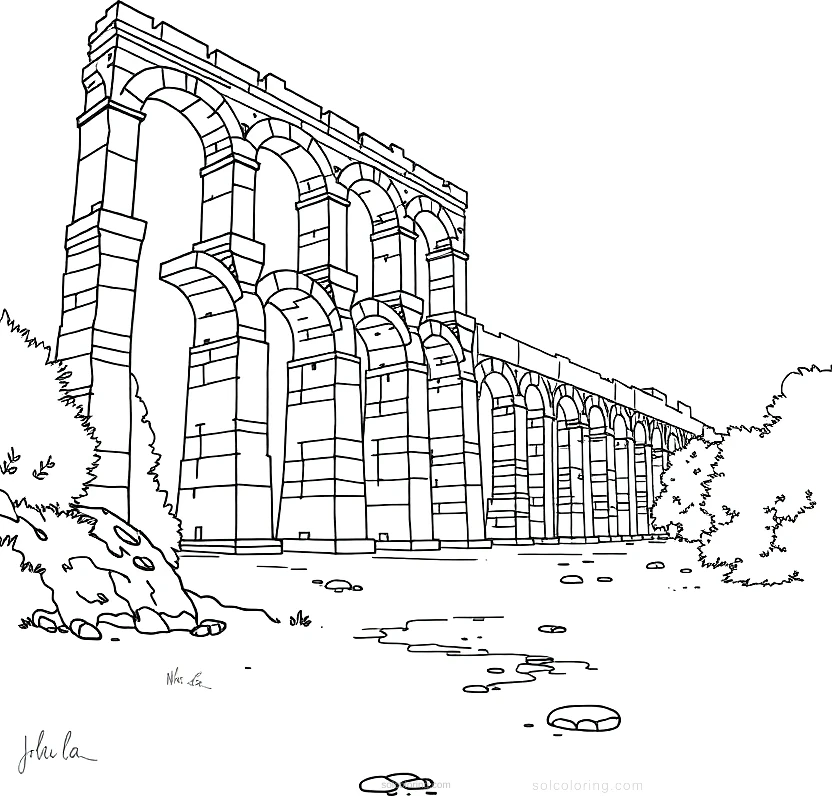
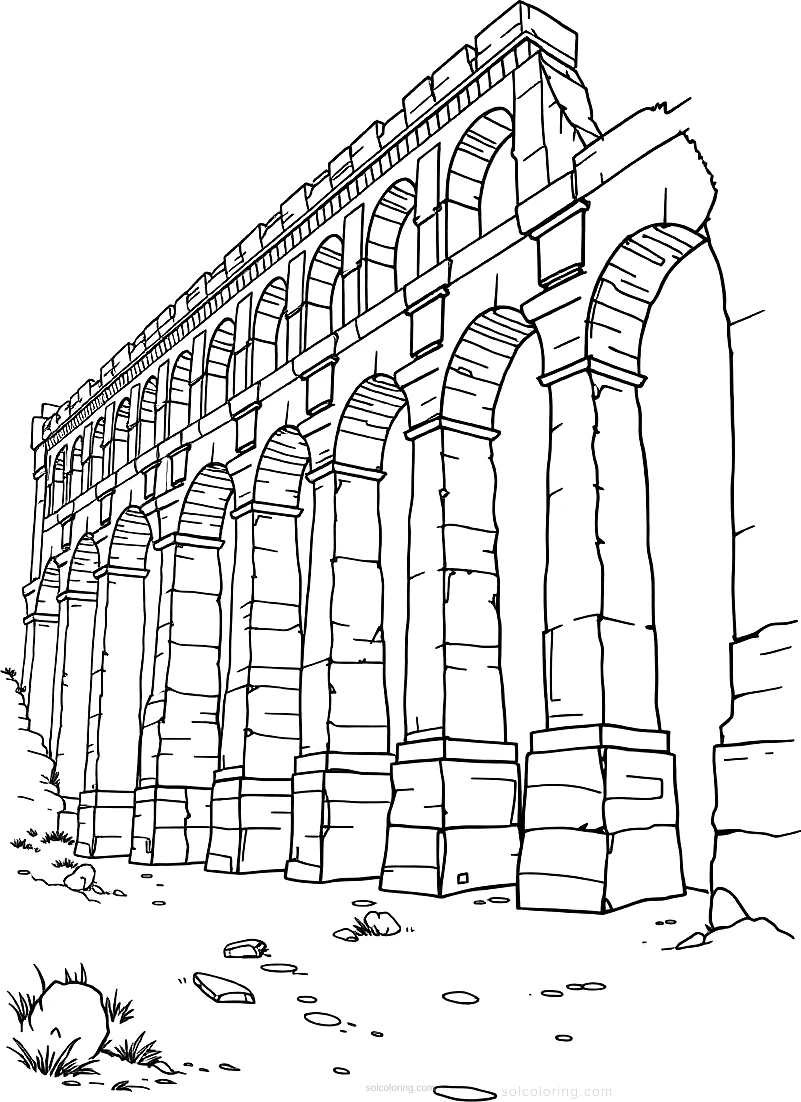
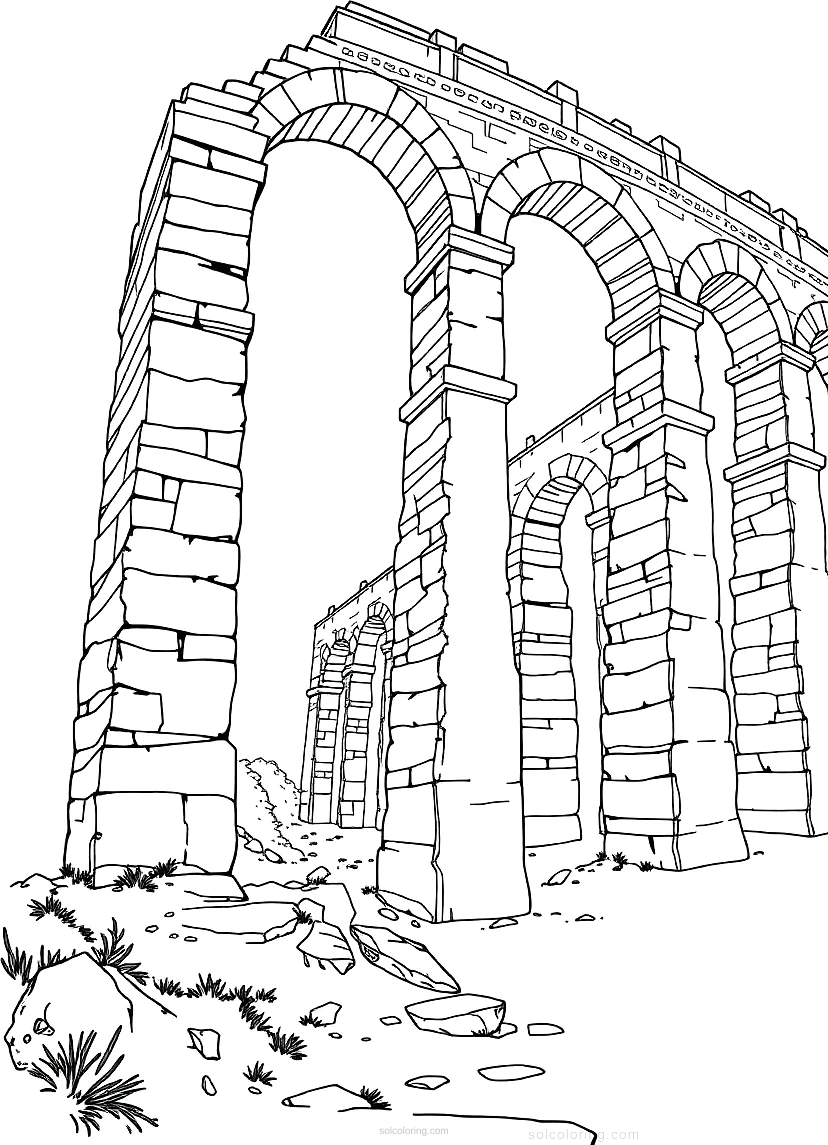
Roman aqueducts were incredible engineering marvels that transported fresh water across vast distances to cities throughout the Roman Empire. These massive stone structures used gravity and precise calculations to carry water from mountain springs and rivers into bustling urban centers, supplying fountains, baths, and homes. Built over 2,000 years ago, many aqueducts still stand today as testament to Roman ingenuity and skill. The Romans constructed over 400 aqueducts across their empire, with some stretching over 50 miles long! Our free printable coloring page lets you explore the intricate arches and detailed stonework of these ancient masterpieces. Color the towering pillars and graceful curves while learning about one of history's greatest civilizations and their revolutionary approach to urban planning.
Read more →Read less ↑
Choose a style
Did you know?
Fun facts about Roman Aqueduct
The longest Roman aqueduct was the Aqueduct of Constantinople, stretching an incredible 336 miles from its source to the city.
Roman aqueducts were so well-built that some still supply water today, including parts of the Aqua Virgo that feeds Rome's famous Trevi Fountain.
The famous arched bridges we associate with aqueducts were actually just small sections needed to cross valleys, most aqueducts ran underground or along hillsides.
Rome had 11 major aqueducts that delivered over 200 million gallons of fresh water daily to the city's one million residents.
Roman concrete used in aqueducts was so durable because it contained volcanic ash, which actually made the structures stronger underwater and over time.
About Roman Aqueduct
How did Roman aqueducts work without pumps or electricity?
Roman aqueducts used gravity to move water downhill from sources to cities. Engineers calculated precise slopes, typically dropping just 1-3 feet per mile, allowing water to flow naturally through channels and pipes over incredibly long distances.
Where can you still see Roman aqueducts today?
Many Roman aqueducts survive across Europe, North Africa, and the Middle East. Famous examples include the Pont du Gard in France, the Aqueduct of Segovia in Spain, and ruins throughout Italy, Turkey, and Tunisia.
How long did it take to build a Roman aqueduct?
Large aqueducts typically took 10-15 years to complete, with thousands of workers including engineers, stonemasons, and laborers. The Aqua Claudia in Rome took 14 years to finish and stretched 43 miles from source to city.
Why did Romans build such elaborate aqueducts instead of simpler systems?
Romans needed massive amounts of water for their large cities, public baths, fountains, and sewage systems. A single Roman citizen used about 50 gallons daily, far more than people in other ancient civilizations.
How accurate were Roman aqueduct measurements?
Roman engineers were incredibly precise, using tools like the chorobates and groma to measure angles and slopes. Some aqueducts maintained gradients accurate to within inches over distances of dozens of miles.
What happened to aqueducts when the Roman Empire fell?
Many aqueducts were abandoned, destroyed by invaders, or fell into disrepair without skilled maintenance. Some continued operating for centuries, while others were dismantled for building materials by later civilizations.
More Ancient Rome coloring pages
Coloring page FAQs
Are these Roman Aqueduct coloring pages free?
Yes! All our Roman Aqueduct coloring pages are completely free to download and print. No hidden costs, subscriptions, or fees required.
What age are these Roman Aqueduct coloring pages for?
These coloring pages work great for ages 8 to 14. We include both detailed designs for older kids and simpler versions for younger artists.
How do I print these Roman Aqueduct coloring pages?
Simply click download and print on any home printer using standard A4 or Letter paper. No account signup needed, just print and start coloring!