
Ancient Rome
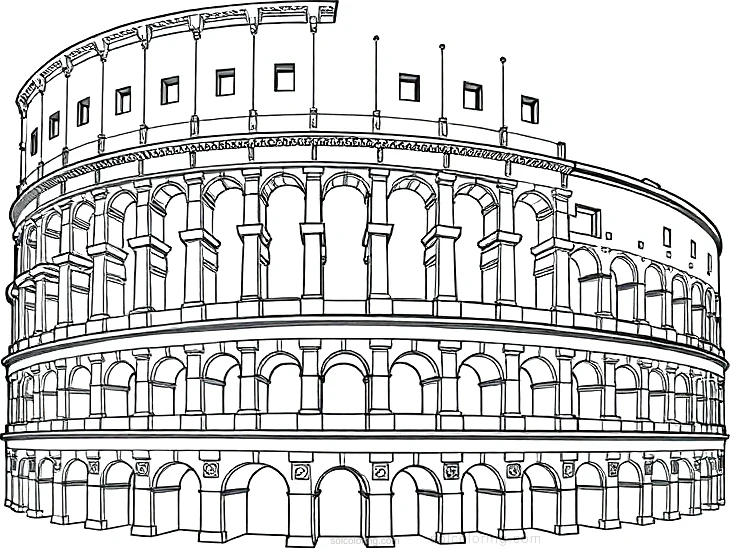
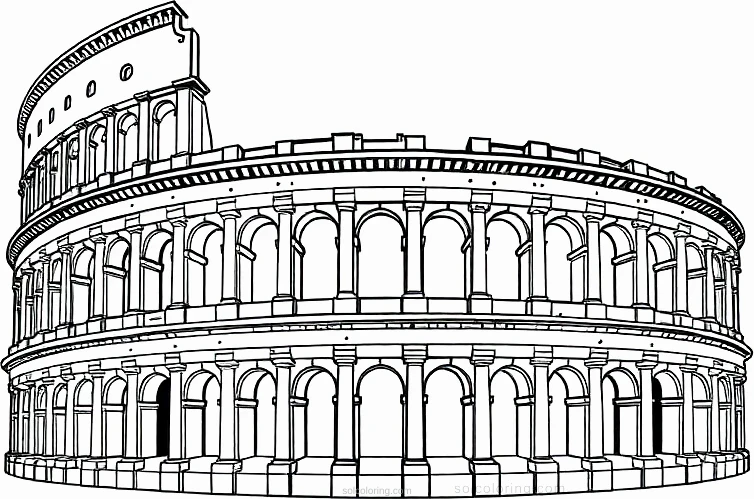
Roman Colosseum Coloring Pages
6 free printable designs including Standard, Standard, Standard, Standard and more.
Step into ancient Rome with the magnificent Colosseum, one of the most iconic structures ever built! This massive amphitheater hosted gladiator battles, wild animal hunts, and spectacular shows for over 50,000 cheering spectators. Built nearly 2,000 years ago, the Colosseum showcased Roman engineering genius with its complex underground tunnels, elaborate stage machinery, and innovative crowd control systems. Today, it stands as a symbol of Rome's mighty empire and attracts millions of visitors who marvel at its enduring grandeur. Our free printable coloring page lets you explore every arch, column, and detail of this ancient wonder while learning about Roman civilization and architectural mastery.
Read more →Read less ↑
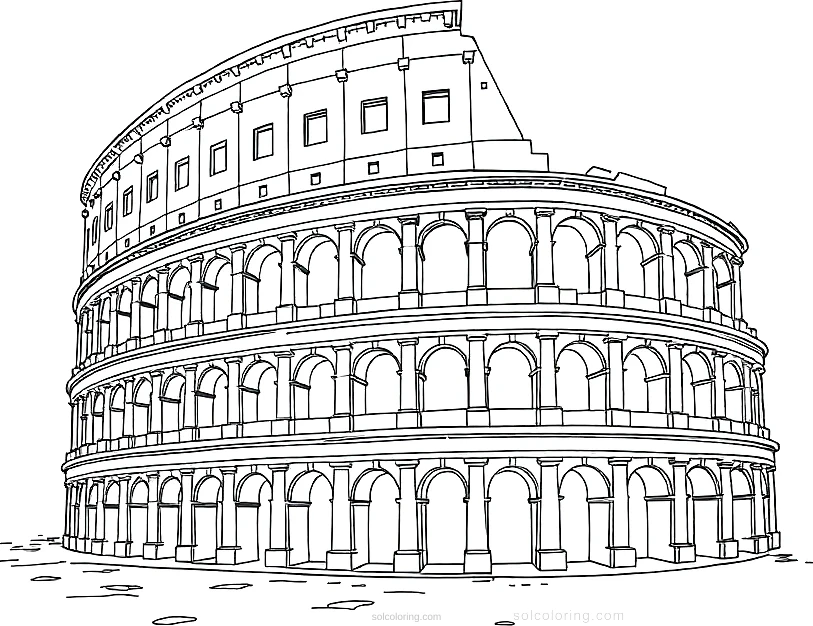
Choose a style
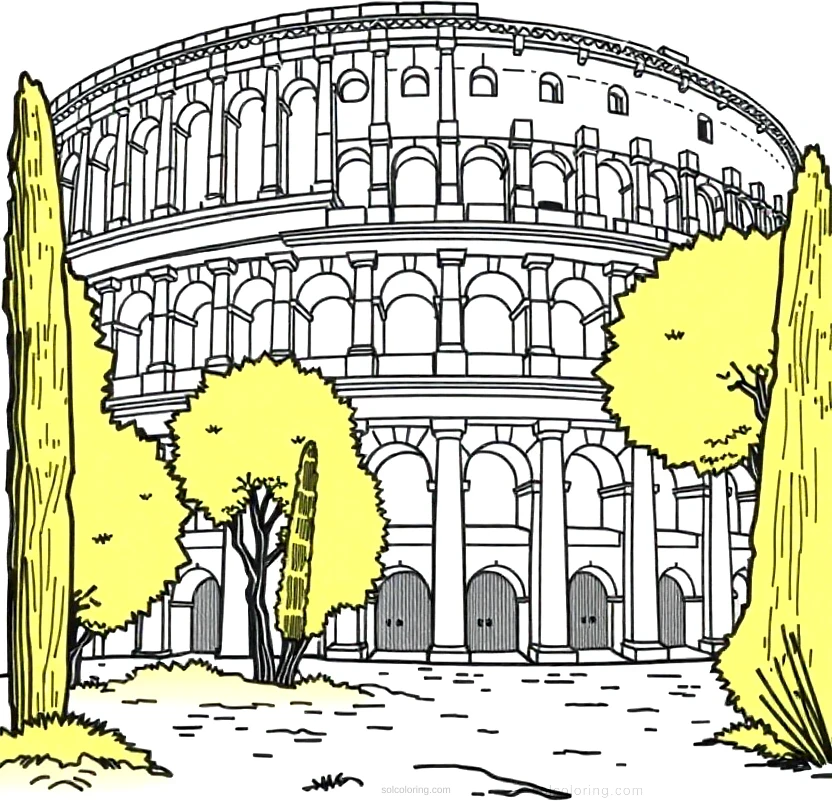
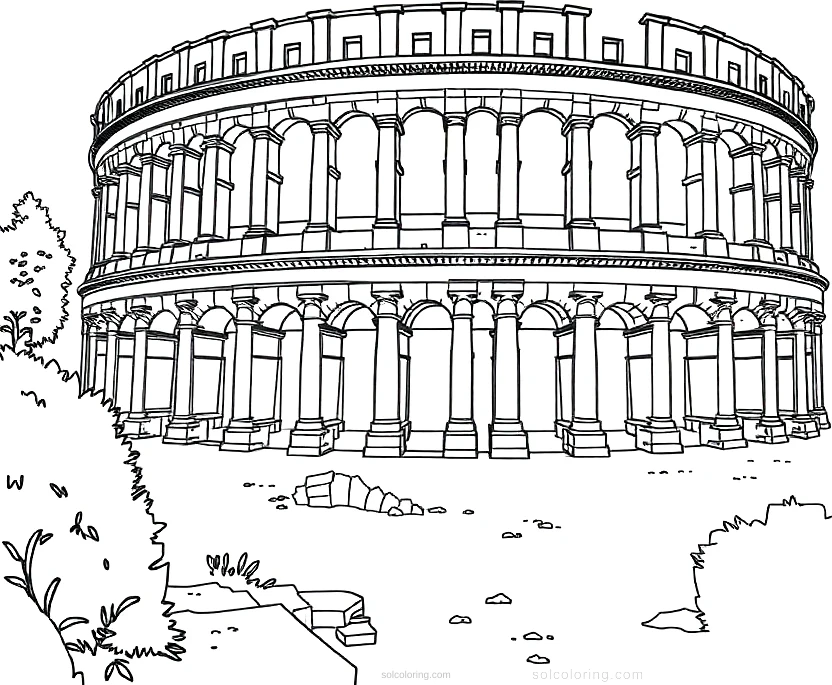
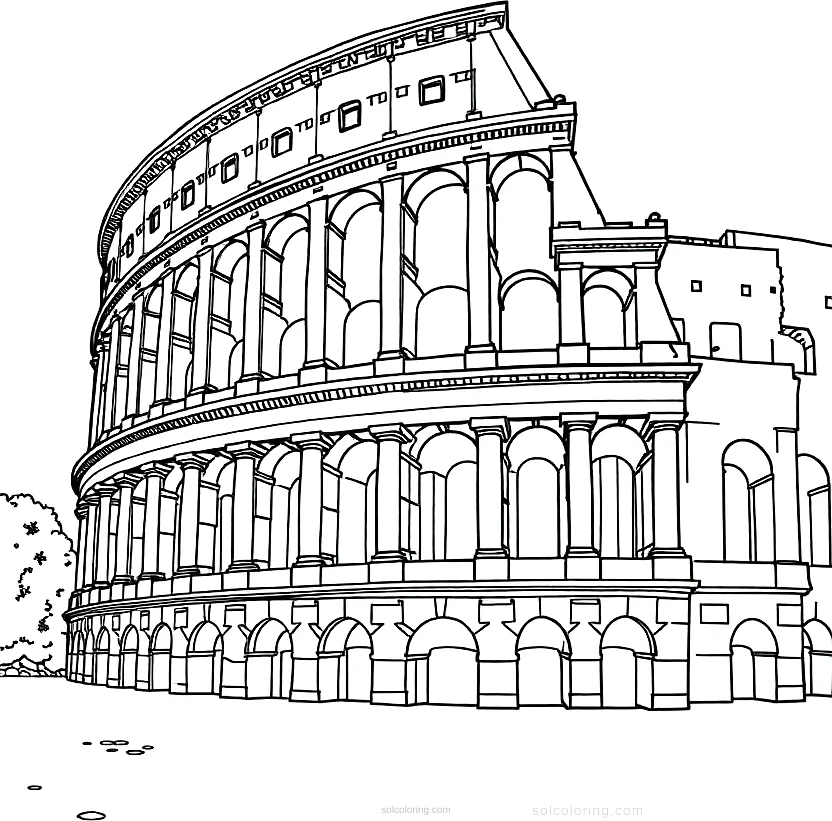
Did you know?
Fun facts about Roman Colosseum
The Colosseum had 80 entrances and could empty all 50,000 spectators in just 15 minutes through its efficient exit system.
Romans flooded the arena to stage mock naval battles called naumachiae, complete with real warships and hundreds of participants.
The Colosseum's floor was covered with sand to absorb blood during gladiator fights, and the Latin word 'arena' actually means sand.
Wild animals from across the Roman Empire performed at the Colosseum, including lions, tigers, elephants, hippos, and even polar bears.
The building inspired the design of modern sports stadiums, and you can still see its influence in arenas built today.
About Roman Colosseum
When was the Roman Colosseum built?
Construction began around 70 AD under Emperor Vespasian and was completed in 80 AD under Emperor Titus. The massive project took about 10 years to complete, using an estimated 100,000 cubic meters of travertine stone, tuff, and brick-faced concrete.
How many people could the Colosseum hold?
The Colosseum could seat between 50,000 to 80,000 spectators across its four levels. The arena featured a sophisticated seating system organized by social class, with the emperor and nobles closest to the action.
What happened in the underground areas of the Colosseum?
The hypogeum was a complex two-level underground network of tunnels, chambers, and elevators. Wild animals, gladiators, and stage props were stored here and lifted to the arena floor through trap doors using a system of pulleys and counterweights.
What types of events took place at the Colosseum?
The Colosseum hosted gladiator fights, animal hunts called venationes, mock naval battles, public executions, and dramas based on Classical mythology. Opening ceremonies in 80 AD lasted 100 days with continuous entertainment.
How did spectators stay cool during hot Roman summers?
Romans used the velarium, a massive retractable awning system operated by sailors from the Roman navy. This canvas roof could cover most of the seating area, providing shade for tens of thousands of spectators.
Why did gladiator games eventually end at the Colosseum?
Gladiator contests declined due to rising Christianity, economic costs, and changing Roman values. The last recorded gladiator fight occurred around 435 AD, though animal hunts continued until 523 AD under Emperor Theodoric.
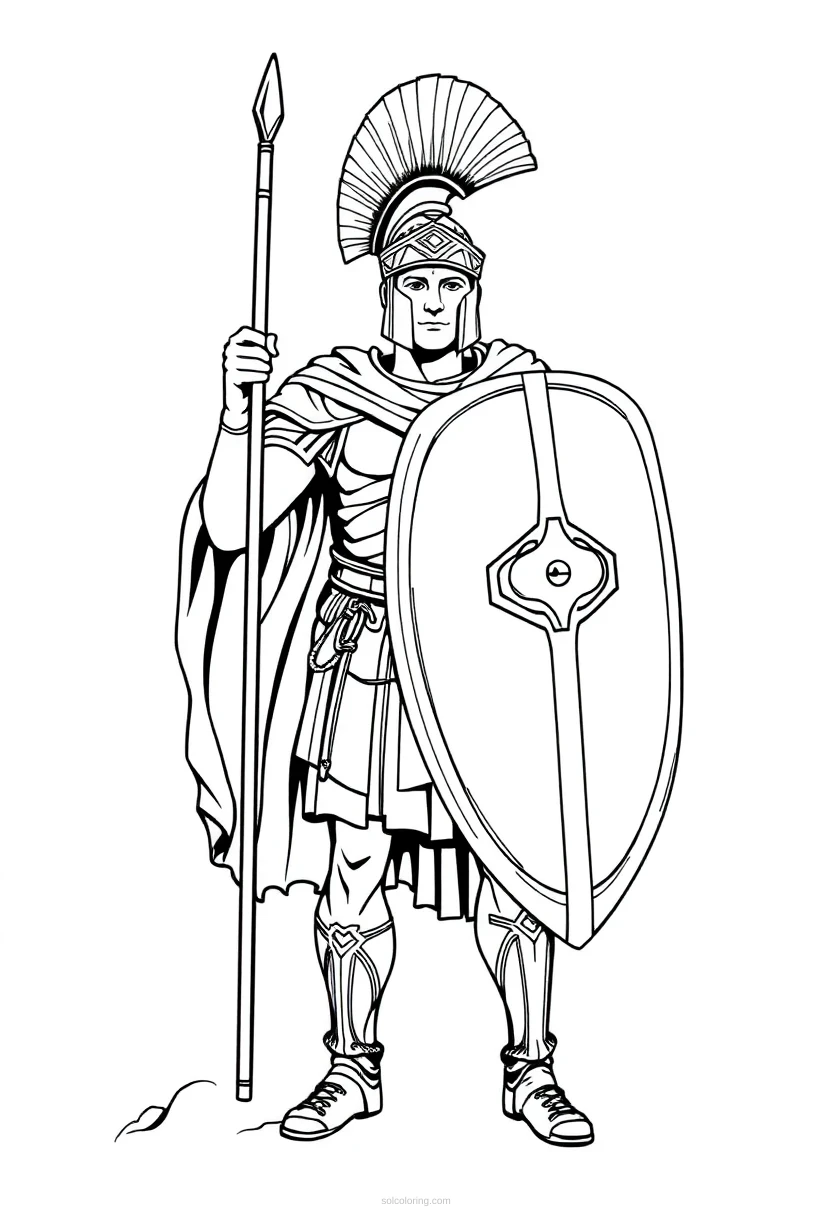
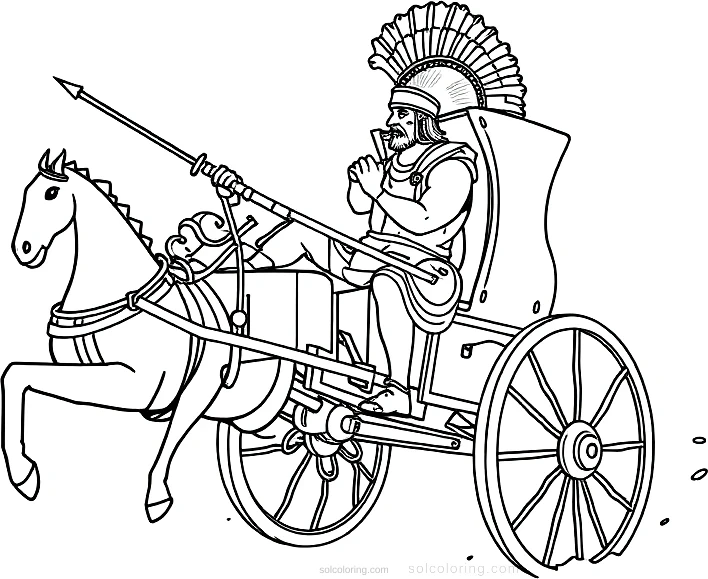
More Ancient Rome coloring pages
Coloring page FAQs
Are these Roman Colosseum coloring pages free?
Yes! All our Roman Colosseum coloring pages are completely free to download and print. No payment or subscription required to access these educational printables.
What age are these Roman Colosseum coloring pages for?
Our Roman Colosseum coloring pages are designed for ages 8 to 14, featuring detailed architectural elements that challenge older kids while remaining accessible and educational.
How do I print these Roman Colosseum coloring pages?
Simply download the PDF and print on standard A4 or Letter paper using any home printer. No account signup needed, just click and print!