
Big Cats
Jaguar Coloring Pages
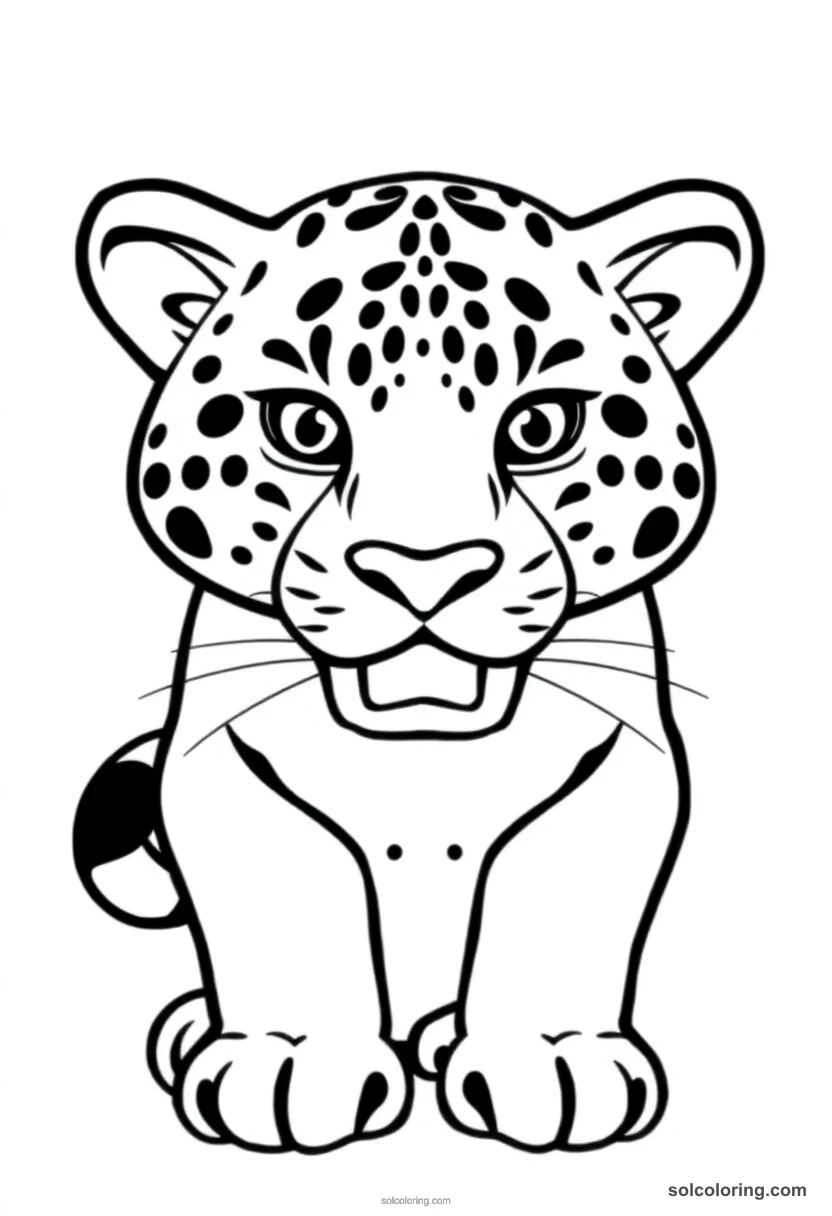
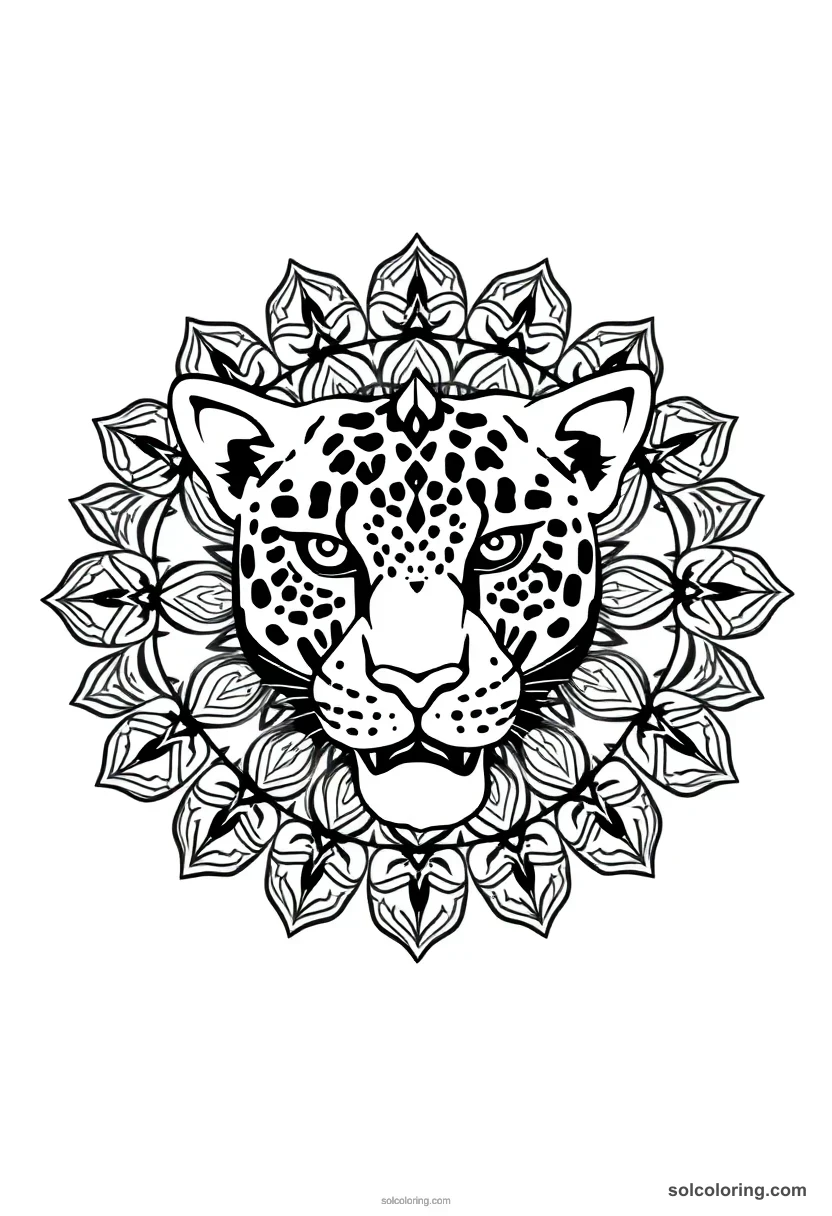
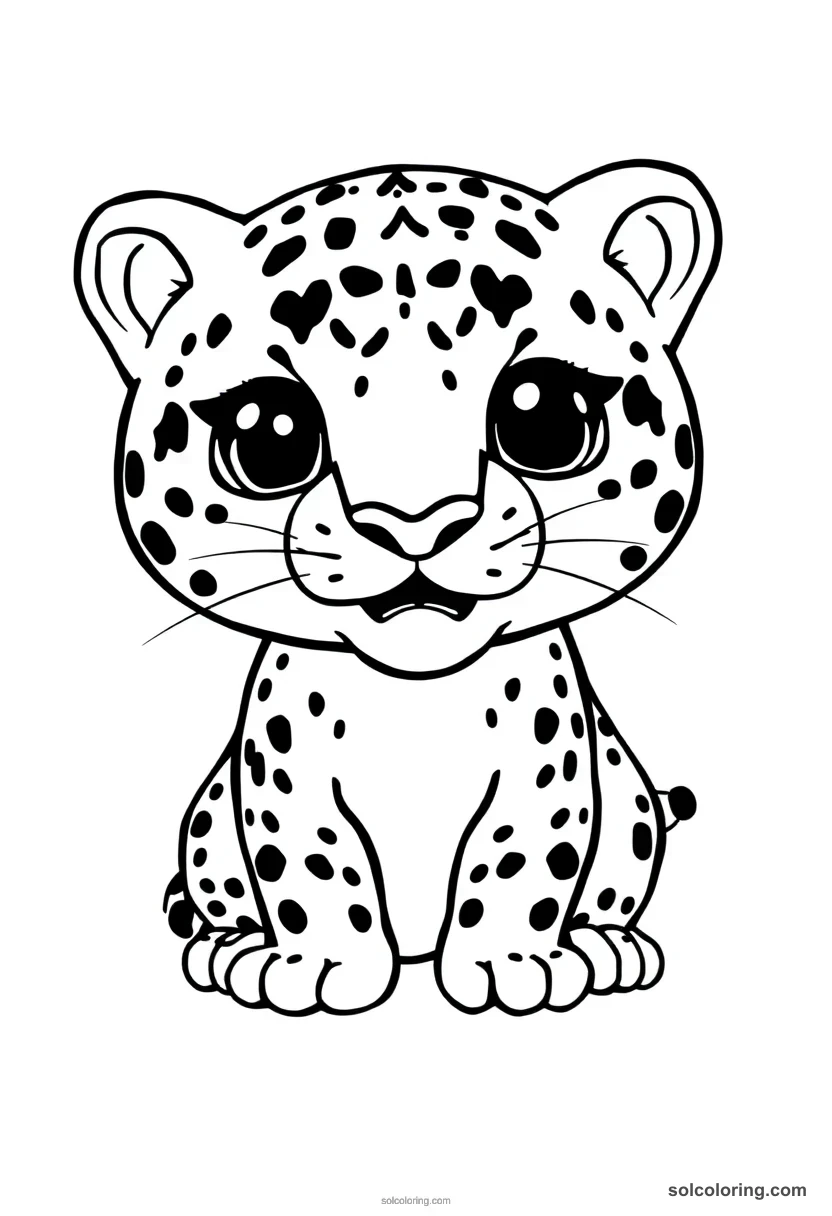
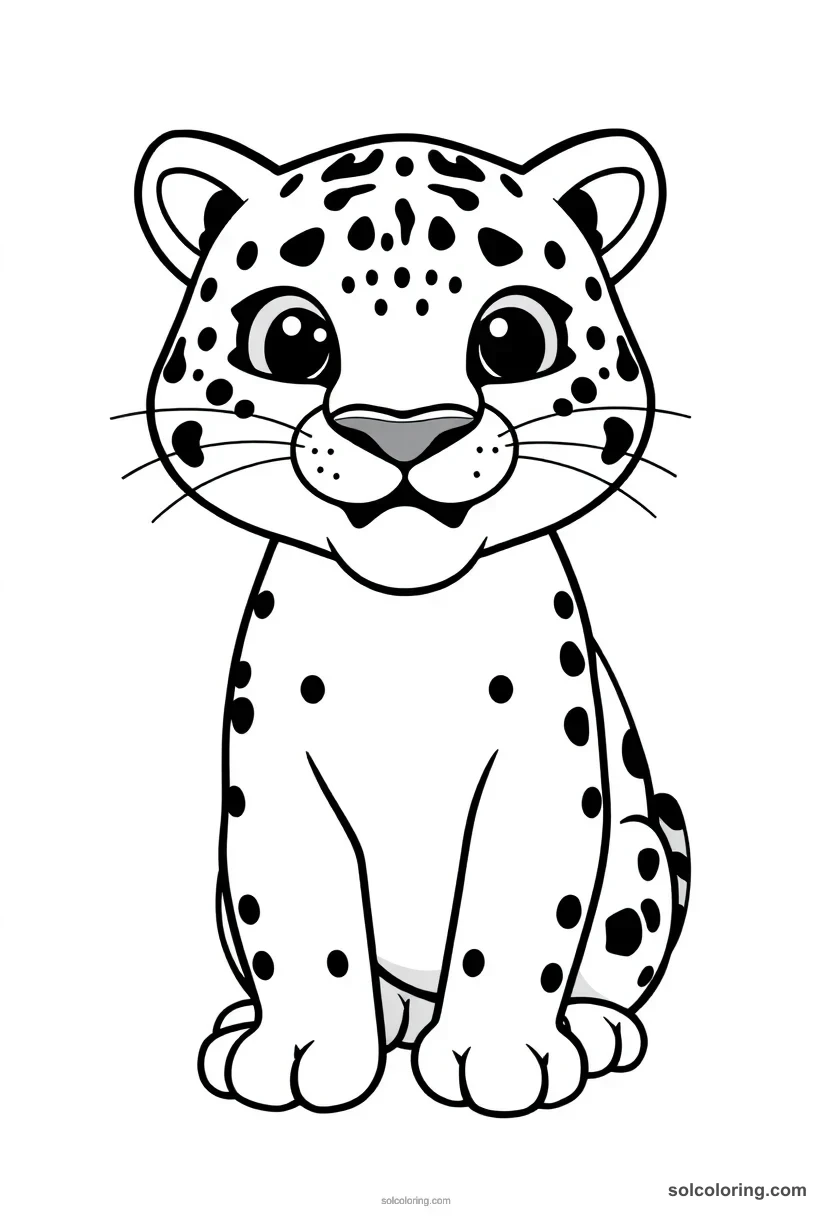
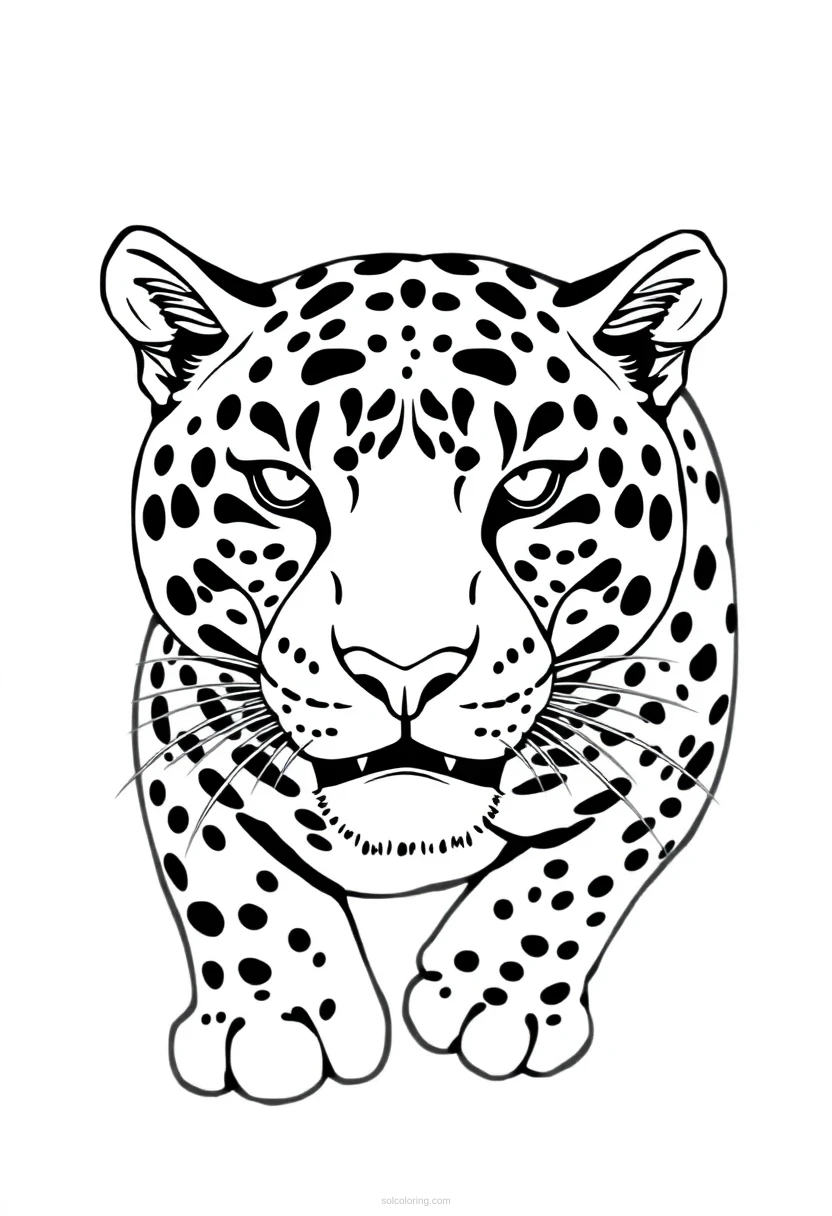
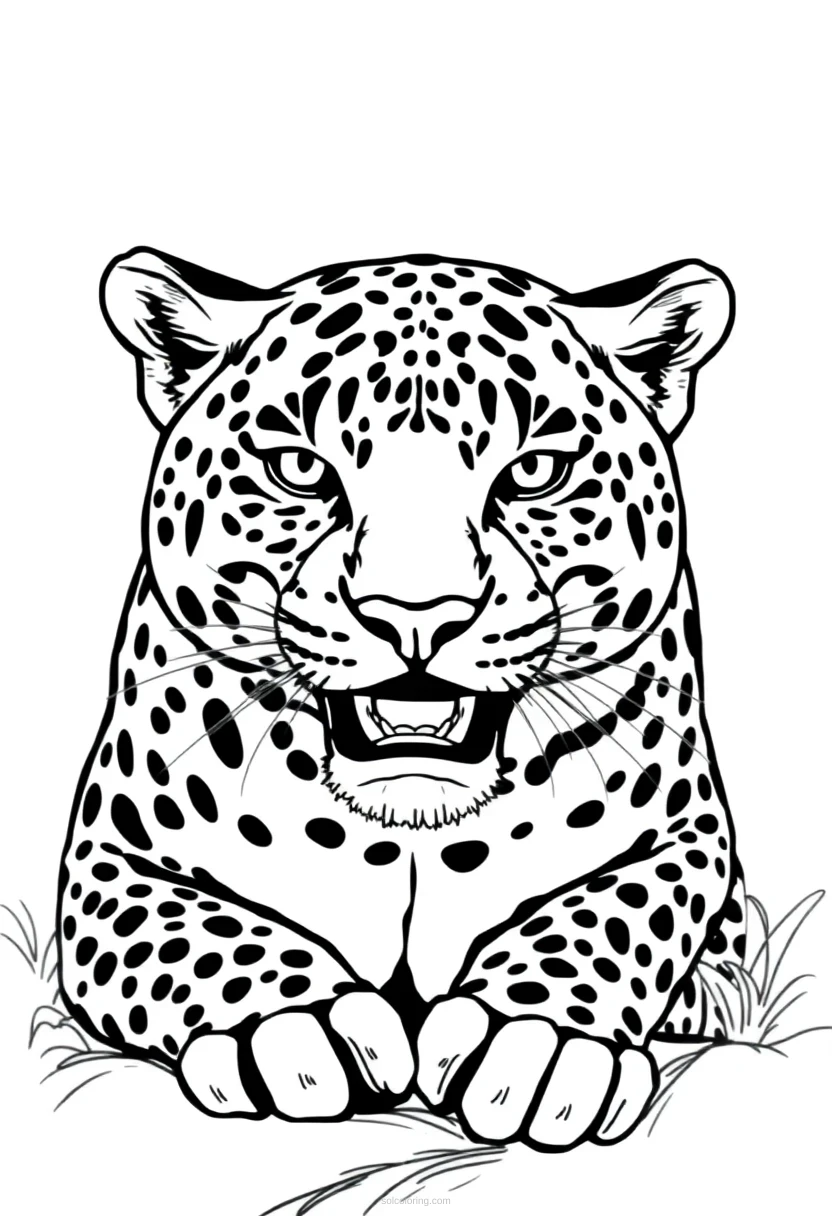
6 free printable designs including Simple, Mandala, Chibi, Cute Cartoon and more.
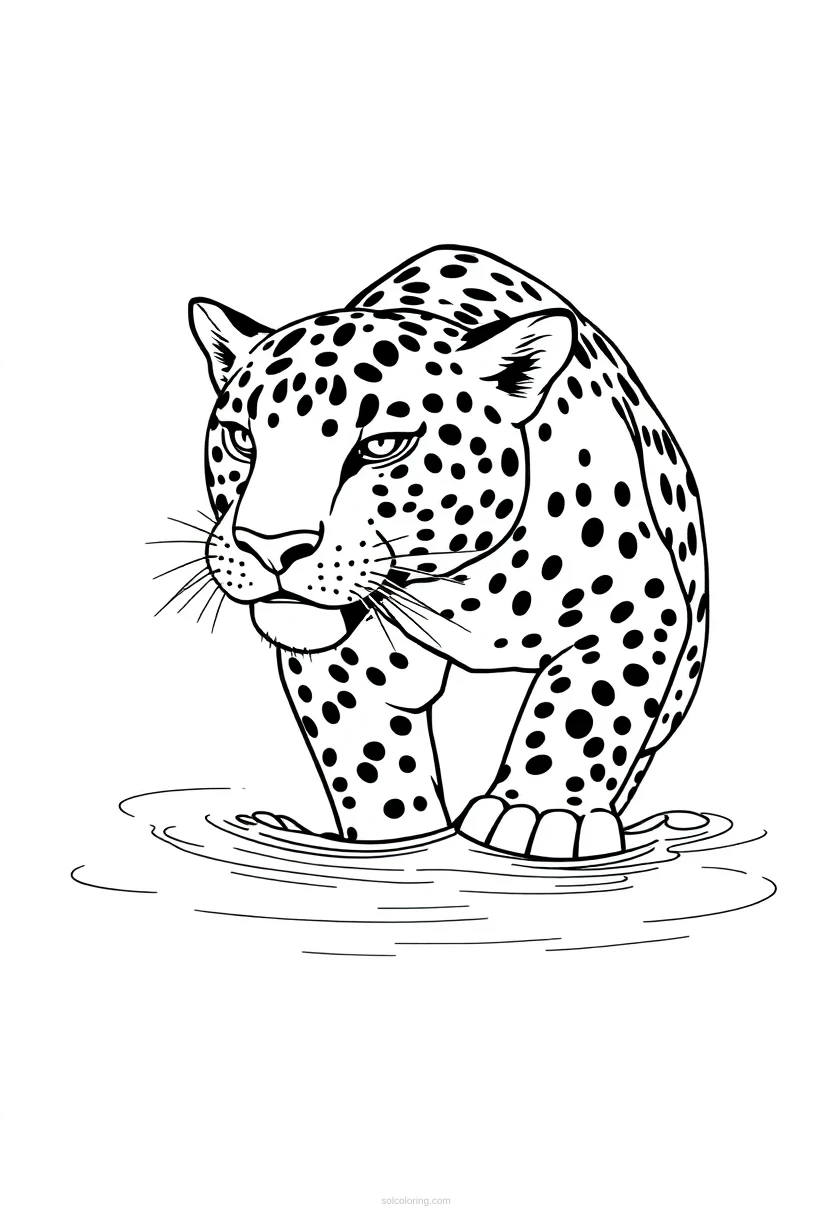
The jaguar is the third-largest big cat in the world and the most powerful predator in the Americas. These magnificent spotted hunters are known for their incredible bite force, which is strong enough to crush turtle shells and caiman skulls! Jaguars are excellent swimmers and climbers, making them perfectly adapted to their rainforest homes in Central and South America. Unlike other big cats, jaguars love water and are often found hunting along riverbanks. Their beautiful rosette patterns make them instantly recognizable and absolutely perfect for coloring. Our free printable coloring page captures the majesty of these amazing cats, letting you explore their striking coat patterns while learning about one of nature's most impressive predators.
Read more →Read less ↑
Choose a style
Did you know?
Fun facts about Jaguar
Jaguars have the strongest bite force of any big cat and can crush a turtle's shell in one chomp.
Unlike other big cats, jaguars love swimming and are often called 'water jaguars' by local people.
The word 'jaguar' comes from the Native American word 'yaguara,' which means 'he who kills with one leap.'
Black jaguars, called melanistic jaguars, still have spots that can be seen in bright sunlight.
Jaguars are the only big cats that live in the Americas and play a crucial role in many indigenous cultures as symbols of power.
About Jaguar
How strong is a jaguar's bite compared to other big cats?
Jaguars have the strongest bite force of any big cat, measuring up to 1,500 pounds per square inch. This incredible power lets them crush turtle shells, crack open caiman skulls, and even bite through thick bones that other predators cannot break.
Where do jaguars live in the wild?
Jaguars live in Central and South America, from Mexico down to Argentina. They prefer dense rainforests, wetlands, and areas near water. The Amazon rainforest holds the largest jaguar population, though they also inhabit grasslands and scrublands.
What makes jaguar spots different from leopard spots?
Jaguar rosettes are larger and often contain spots inside them, while leopard rosettes are smaller and usually empty. Jaguars are also much more muscular and stocky compared to the leaner build of leopards, who live in Africa and Asia.
Are jaguars good swimmers?
Yes, jaguars are excellent swimmers and actually love water, unlike most other big cats. They hunt fish, caimans, and capybaras in rivers and swamps. Jaguars can even dive underwater to catch prey and swim across wide rivers with ease.
What do jaguars eat in the wild?
Jaguars are opportunistic hunters that eat over 80 different prey species. Their diet includes deer, peccaries, capybaras, fish, caimans, turtles, birds, and even anacondas. They adapt their hunting based on what animals are available in their territory.
How big do jaguars get?
Male jaguars typically weigh between 120-300 pounds and measure 6-9 feet long including their tail. Females are smaller, usually weighing 100-200 pounds. Jaguars in the Pantanal wetlands of Brazil tend to be the largest of all jaguar populations.
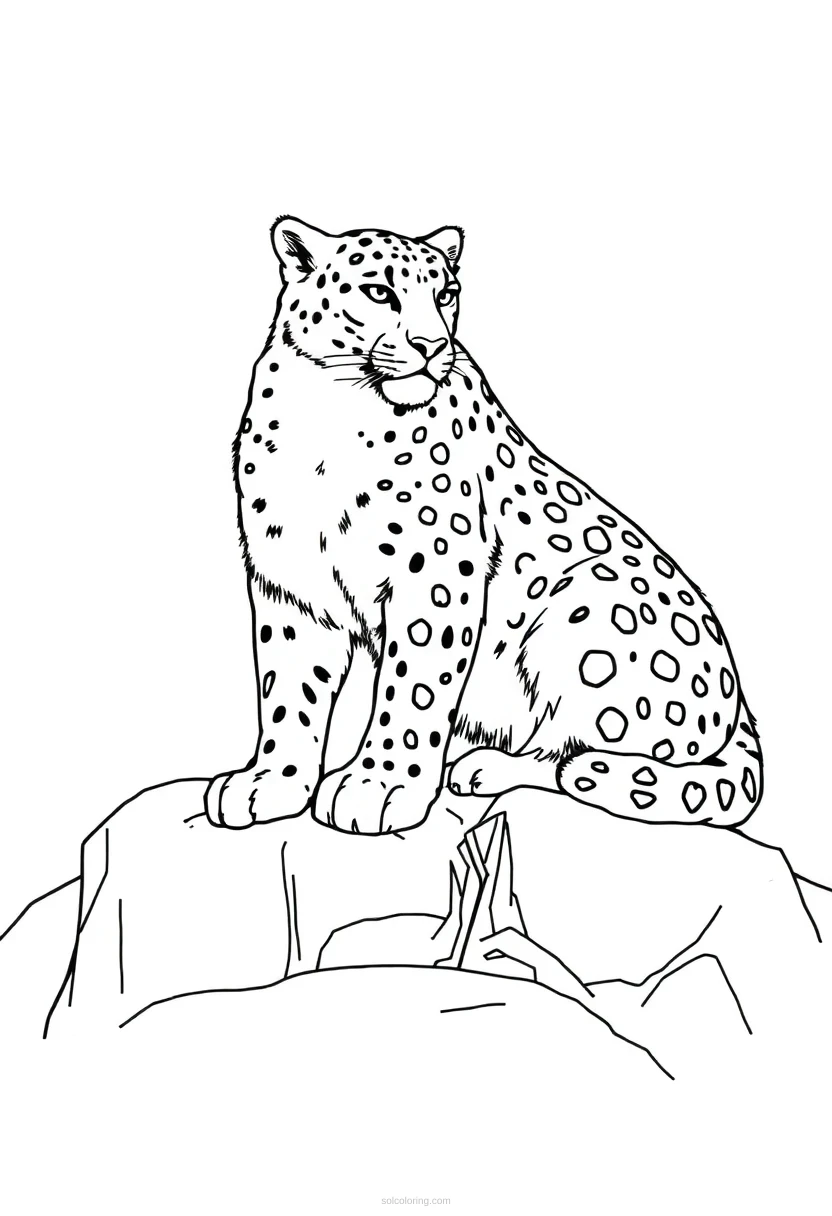
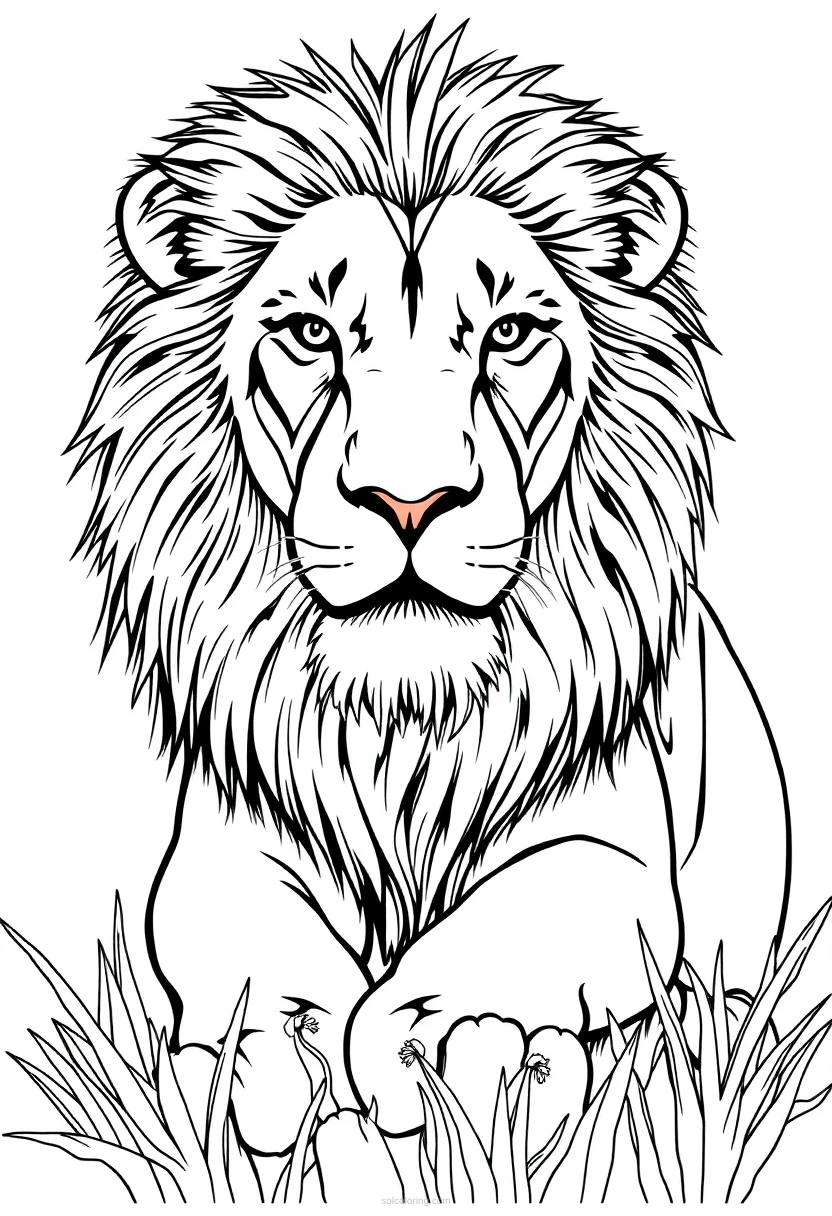
More Big Cats coloring pages
Coloring page FAQs
Are these Jaguar coloring pages free?
Yes, all our jaguar coloring pages are completely free to download and print. Simply click the download button and start coloring these magnificent big cats right away.
What age are these Jaguar coloring pages for?
Our jaguar coloring pages are designed for ages 8 to 14, with varying difficulty levels. Younger colorists can enjoy simpler designs while older kids can tackle more detailed rosette patterns.
How do I print these Jaguar coloring pages?
Just download the PDF and print on standard A4 or Letter paper using any home printer. No signup required, and the pages are optimized for clear, crisp printing.