
Dogs
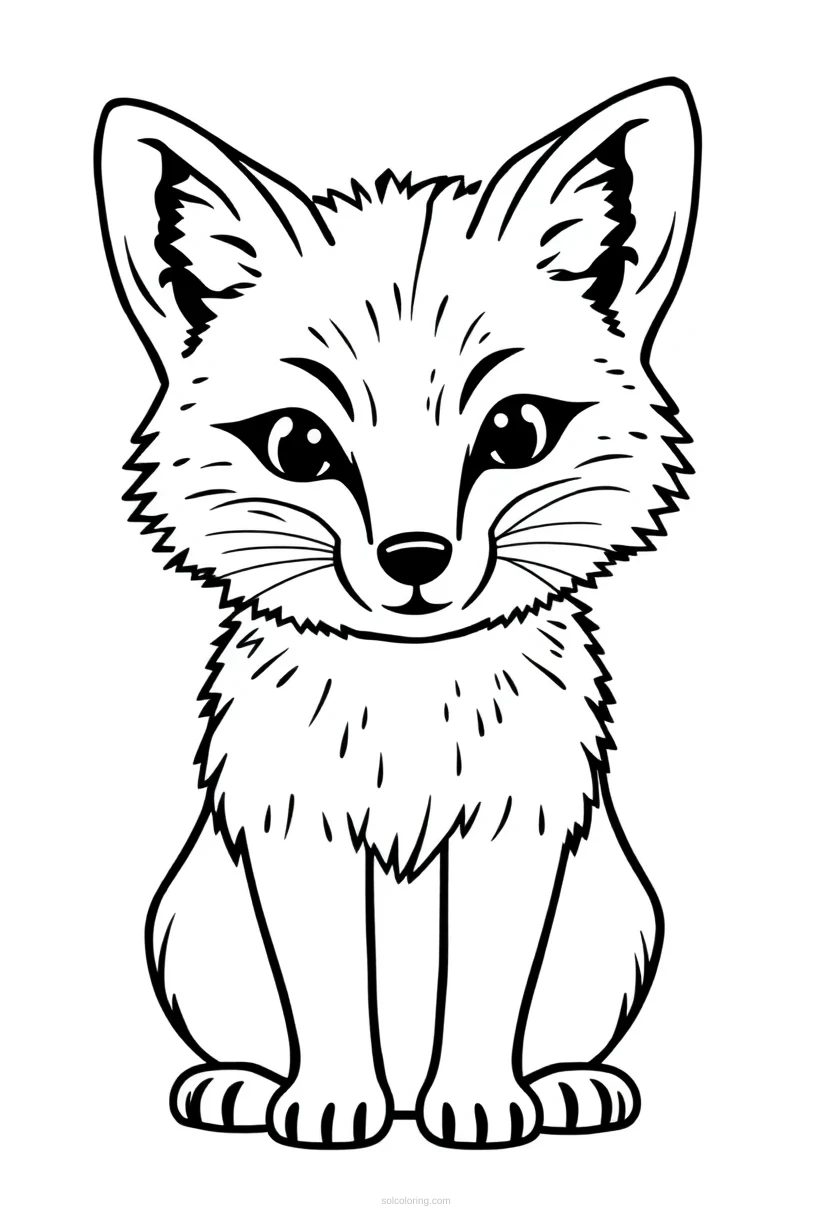
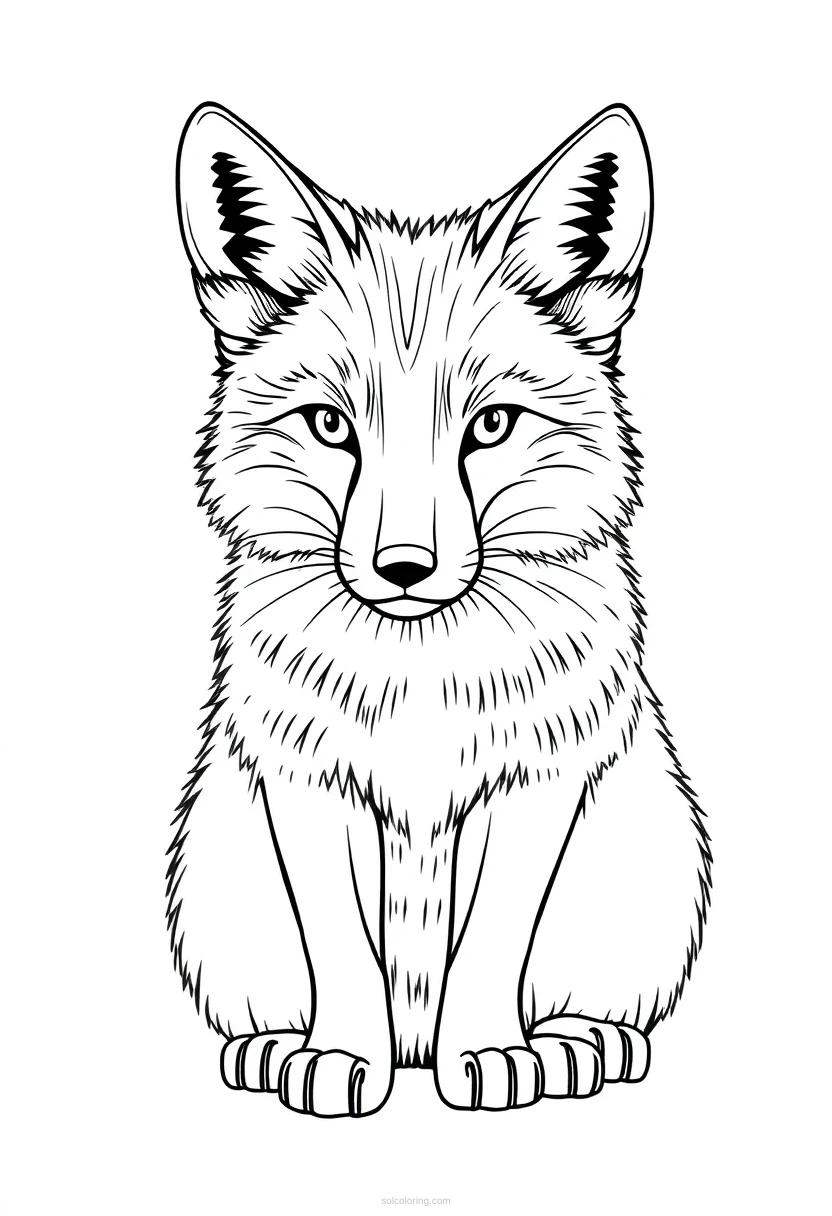
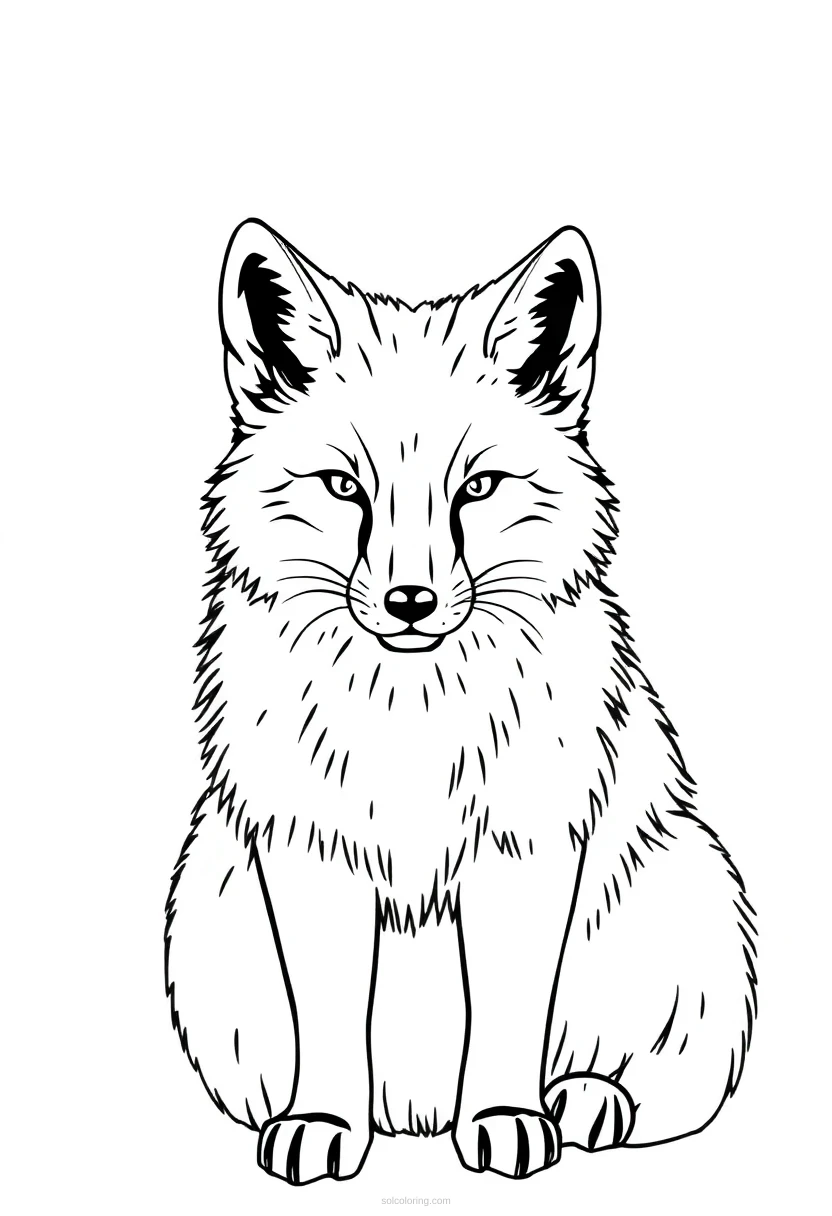
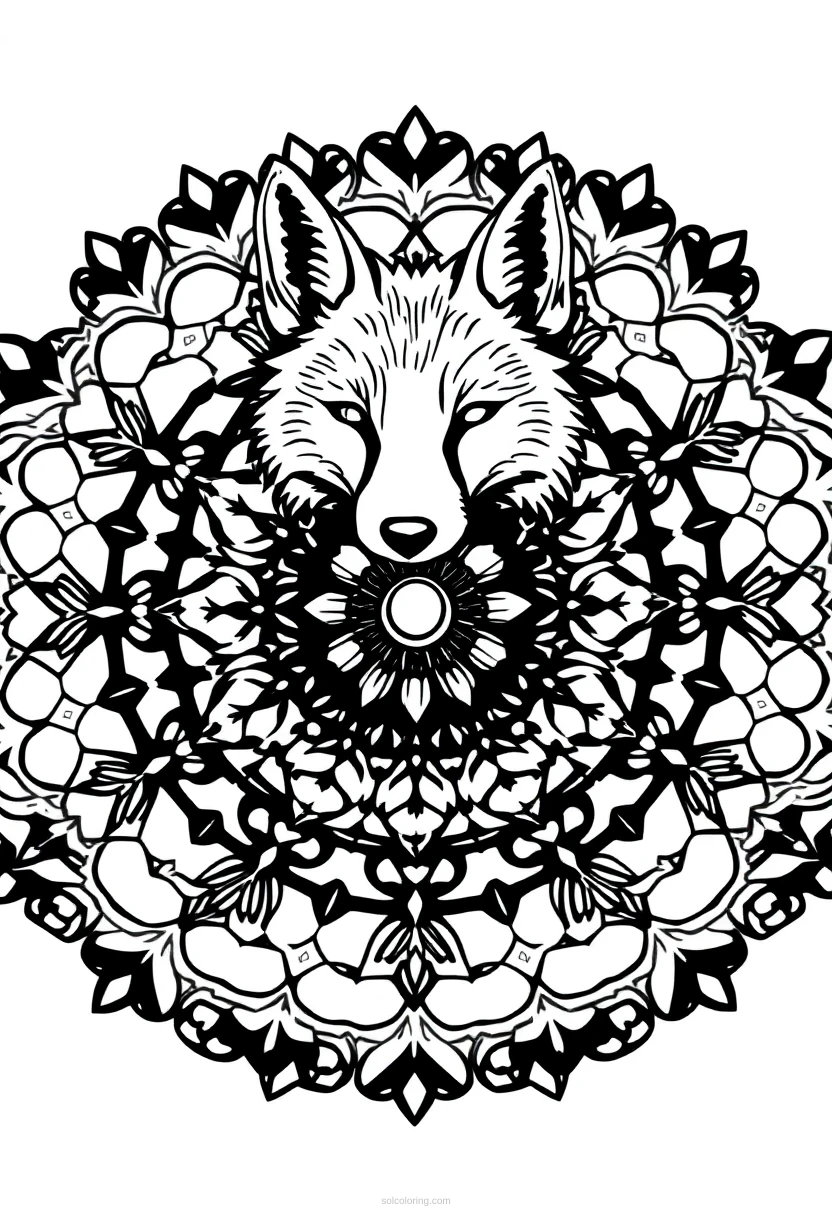
Arctic Fox Simple Coloring Pages
6 free printable designs including Standard, Standard, Standard, Standard and more.
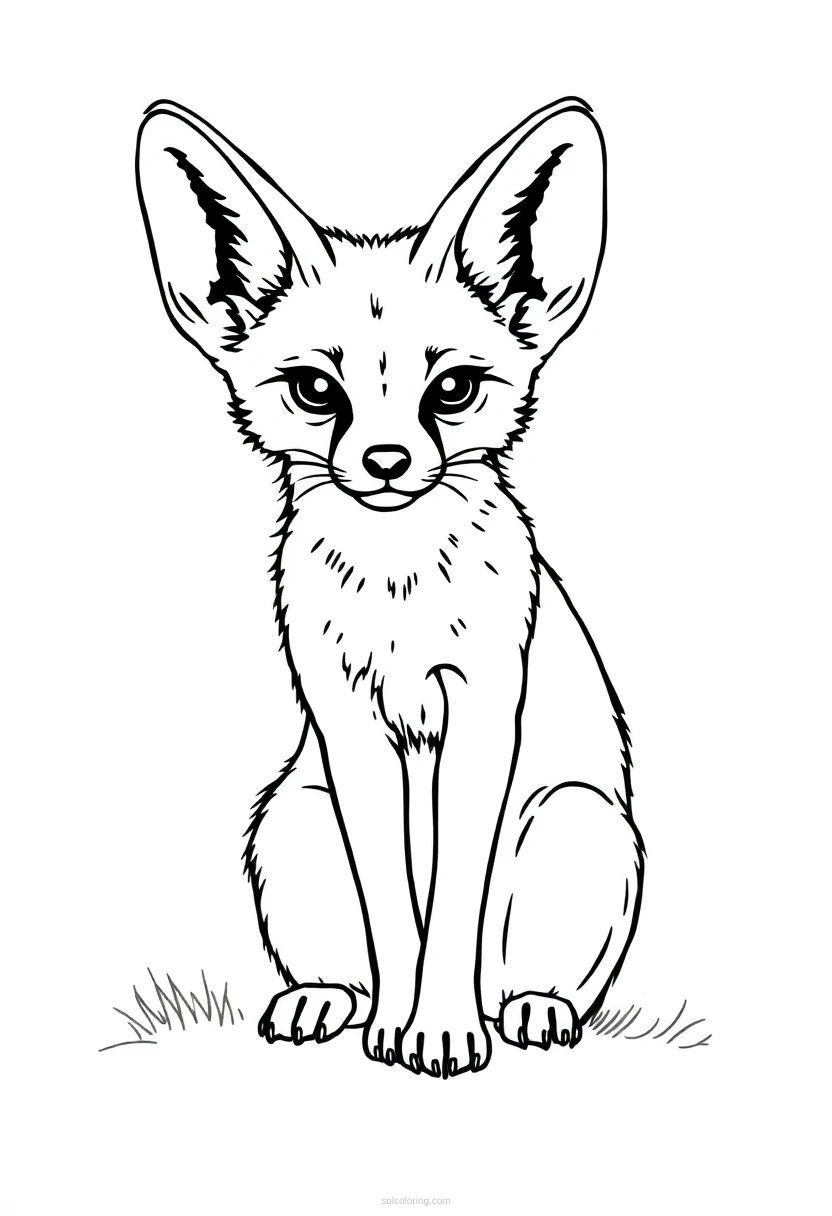
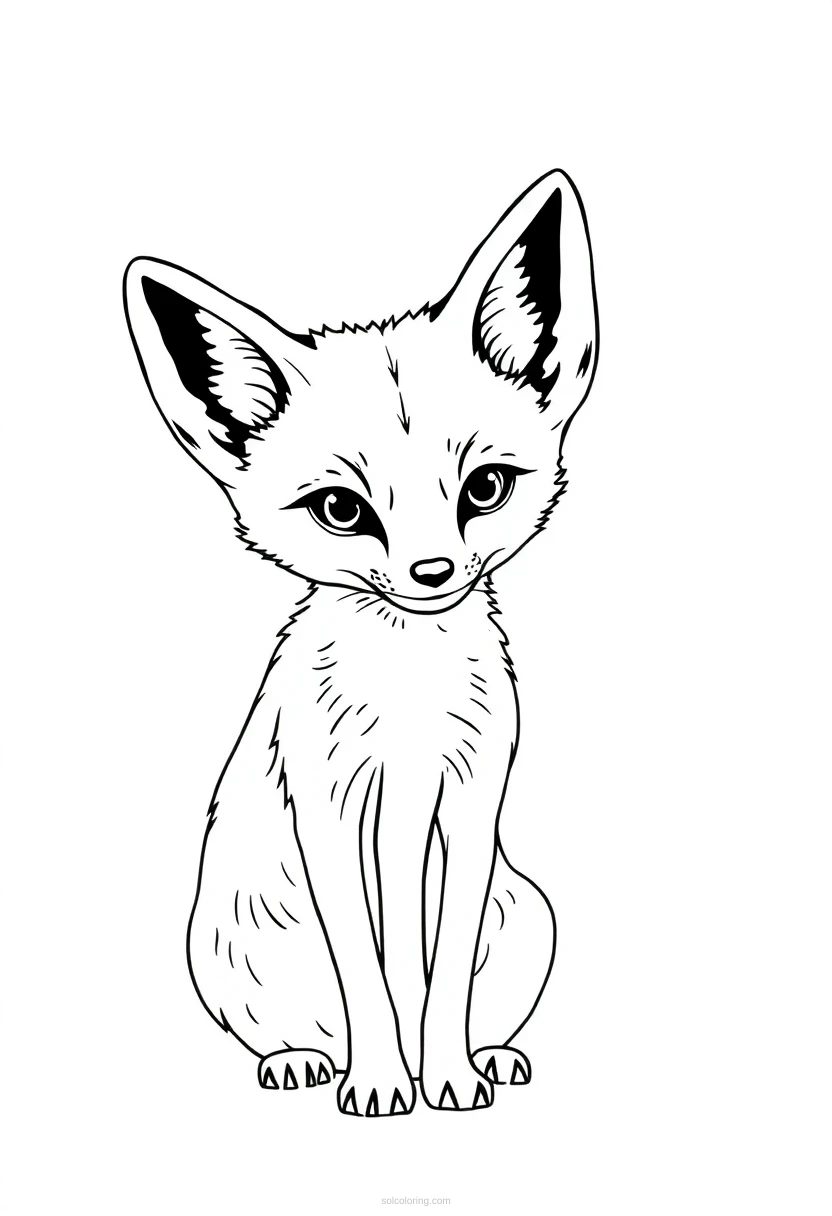
Arctic foxes are one of nature's most incredible survivors, thriving in some of Earth's harshest environments where temperatures plummet far below freezing. These adorable canines have thick fur, short rounded ears, and furry paws that help them navigate icy landscapes with ease. Our free printable coloring page captures the Arctic fox's beauty and charm, making it perfect for young artists interested in wildlife. Whether you're learning about polar animals or simply love cute creatures, this free printable coloring page lets you bring these amazing foxes to life with your favorite colors while discovering what makes them such remarkable animals.
Read more →Read less ↑
Choose a style


Did you know?
Fun facts about Arctic Fox Simple
Arctic foxes can hear mice squeaking under three feet of snow, allowing them to pinpoint prey locations and dive headfirst into snowdrifts to catch their meals.
Their scientific name is Vulpes lagopus, which comes from Latin and Greek words meaning 'hare-footed fox' because their paws are covered in thick fur for insulation.
Arctic foxes can survive temperatures as low as minus 70 degrees Celsius (minus 94 degrees Fahrenheit) thanks to their incredible fur coat and compact body shape.
In winter, arctic foxes follow polar bears across the ice, trailing behind to scavenge leftover seal meat from the bears' kills.
Baby arctic foxes are born with eyes closed and ears folded, and they stay in dens for about three weeks before venturing outside to explore.
About Arctic Fox Simple
Where do arctic foxes live and why can they survive such cold temperatures?
Arctic foxes live in the frozen Arctic regions of the Northern Hemisphere, including parts of Canada, Russia, and Greenland. Their survival is thanks to a thick double-layer coat, a small rounded body shape that conserves heat, and special adaptations like furry paws that insulate against frozen ground. They even have reflective eyes for seeing in polar darkness.
What do arctic foxes eat in the Arctic?
Arctic foxes are omnivores with varied diets depending on the season. They hunt lemmings, voles, and other small rodents as their primary food source. In warmer months, they eat birds, eggs, and insects. They also scavenge leftovers from polar bear kills and eat berries and seaweed, making them incredibly resourceful hunters.
Why do arctic foxes change color throughout the year?
Many arctic foxes undergo seasonal coat changes called molting. In winter, their fur turns thick and white for camouflage in snow and ice. In summer, their coat becomes shorter and browns or grays to match rocky terrain and vegetation. This transformation helps them hide from predators and sneak up on prey more effectively.
How do arctic foxes communicate with each other?
Arctic foxes communicate through various methods including yips, yelps, and high-pitched barks that carry across frozen landscapes. They also use body language, scent marking, and tail movements to signal emotions and intentions. During mating season, they become especially vocal to attract mates across vast, empty tundra regions.
How long do arctic foxes live and when do they have babies?
In the wild, arctic foxes typically live 3 to 6 years, though some reach 10 years. They reach maturity at about one year old and usually mate for life. Females give birth to litters of 5 to 10 pups in spring after a two-month pregnancy, with both parents helping care for and feed the young.
What threats do arctic foxes face in their environment?
Arctic foxes face multiple threats including climate change that melts sea ice and reduces food availability, habitat loss from human development, and competition from other predators like red foxes moving northward. They're also hunted for their fur in some regions. Conservation efforts focus on protecting their Arctic habitats and monitoring population health.
More Dogs coloring pages
Coloring page FAQs
Are these Arctic Fox Simple coloring pages free?
Yes, all our Arctic Fox Simple coloring pages are completely free to download and print. There's no signup required, no hidden fees, and no watermarks. Simply visit Sol Coloring, find the design you love, and print as many copies as you'd like for endless coloring fun.
What age are these Arctic Fox Simple coloring pages for?
Our Arctic Fox Simple coloring pages are designed for ages 8 to 14, though younger and older colorists can enjoy them too. The simple design makes it accessible for beginners, while the details provide enough interest to keep experienced artists engaged and entertained.
How do I print these Arctic Fox Simple coloring pages?
Printing is simple: download the Arctic Fox Simple coloring page to your device, open it with any PDF reader, and click print. Select your paper size (A4 or Letter), adjust settings as needed, and print from any home printer. No special software or account required.