Farm Animals
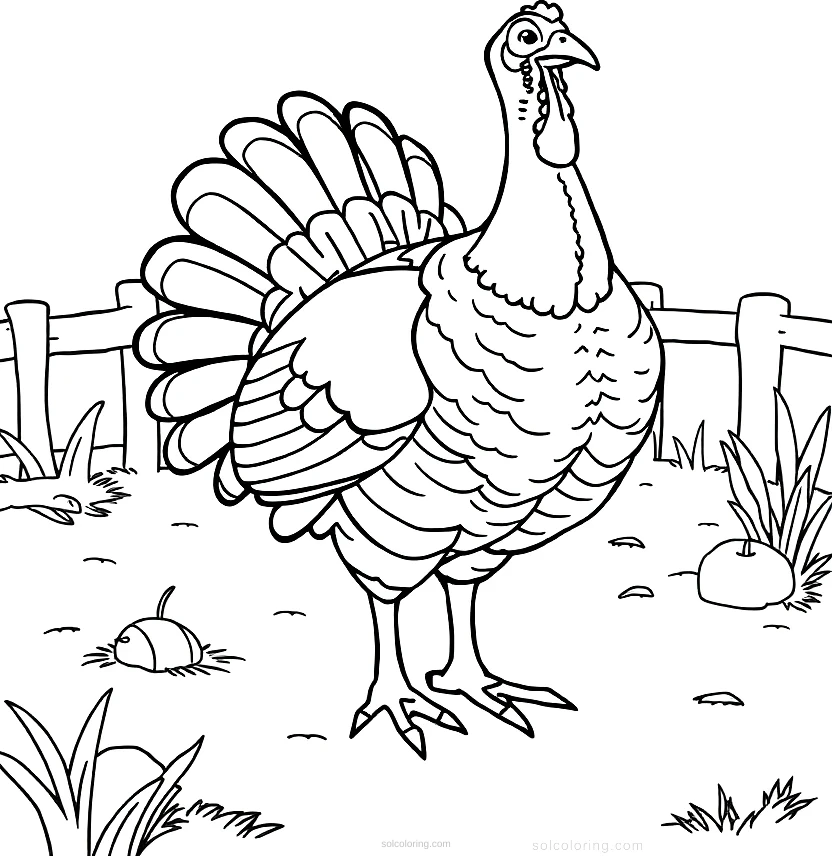
Turkey In Farmyard Coloring Pages
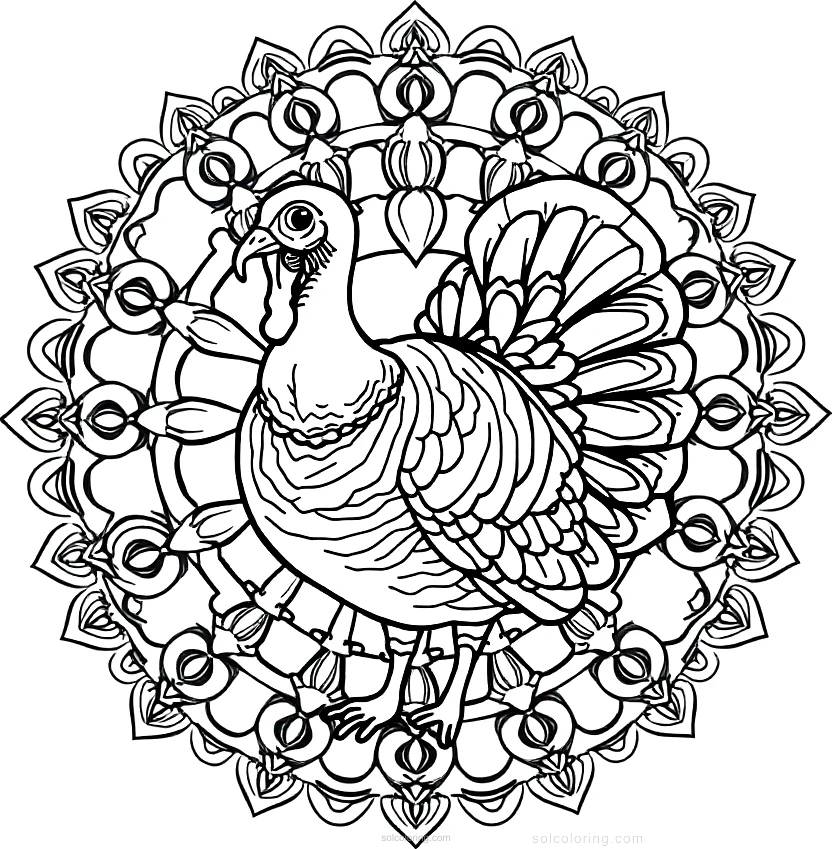
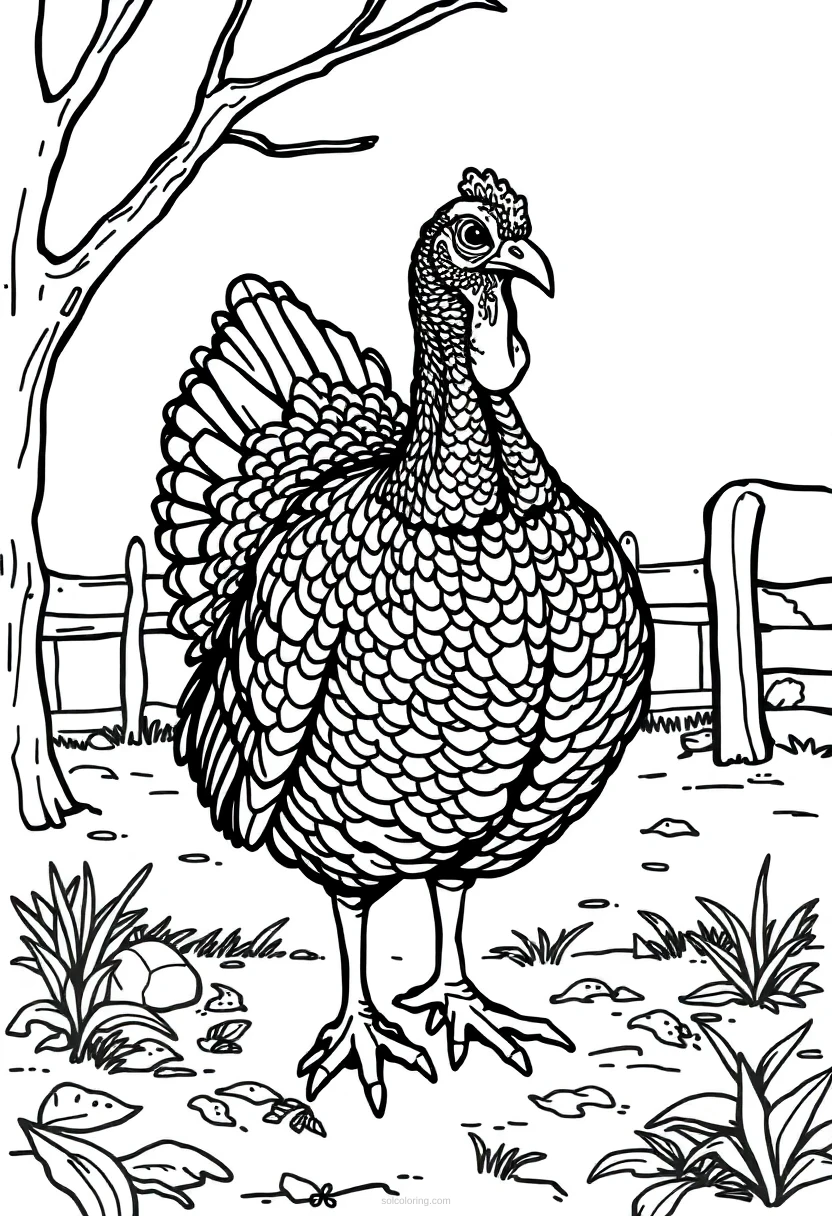
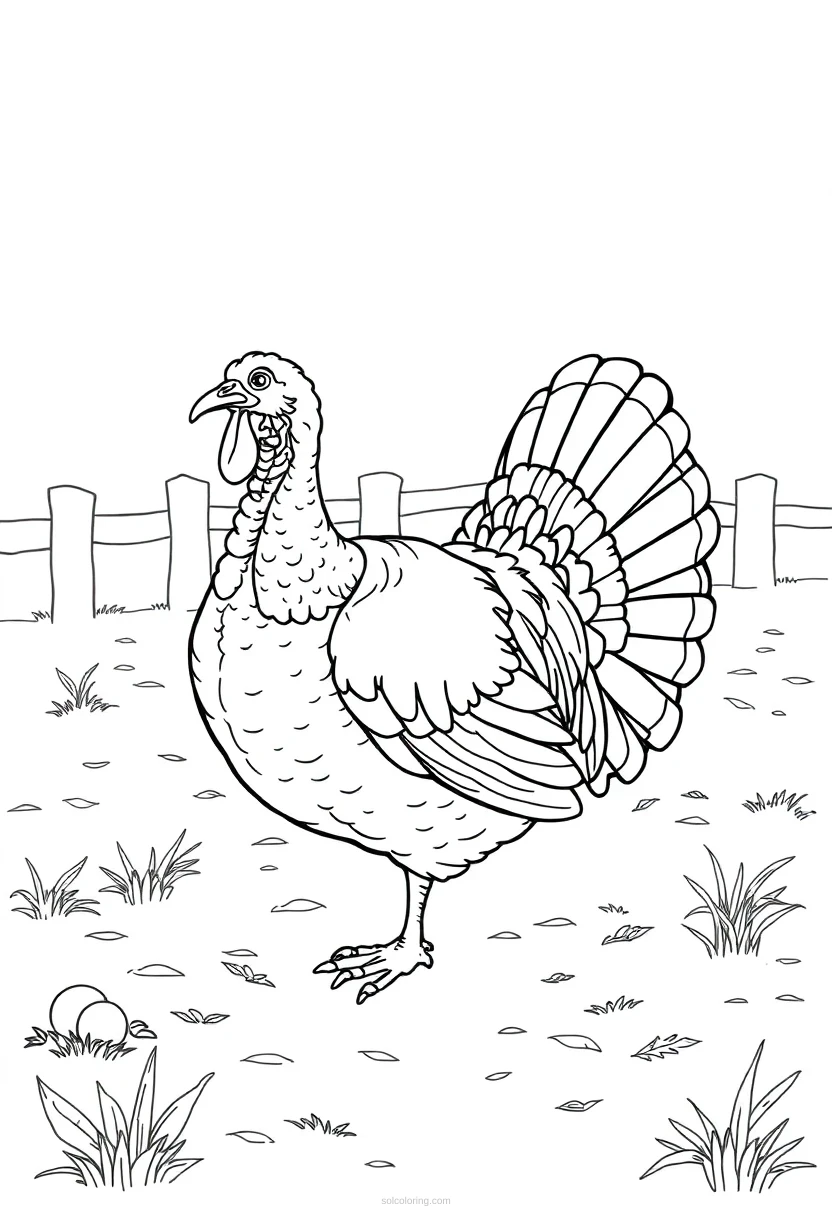
6 free printable designs including Standard, Standard, Standard, Standard and more.
Turkeys are fascinating farm birds that bring life and character to any barnyard! These impressive birds are known for their distinctive gobbling sounds, colorful feathers, and proud strutting walk around the farm. Domestic turkeys are much larger than their wild cousins and come in various colors, from traditional bronze to pure white. They're social creatures that form flocks and have complex communication systems. On farms, turkeys are curious and intelligent animals that enjoy exploring their surroundings and dust bathing in the dirt. Our free printable coloring page captures the charm of these remarkable birds in their natural farmyard setting, perfect for young artists who want to learn about farm life while creating beautiful artwork.
Read more →Read less ↑
Choose a style
Did you know?
Fun facts about Turkey In Farmyard
A group of turkeys is called a rafter when they're in trees and a flock when they're on the ground.
Turkeys can see in color and have excellent eyesight that's three times better than human 20/20 vision.
The fleshy red skin that hangs from a turkey's neck is called a wattle, and it changes color based on the bird's mood.
Wild turkeys can run up to 25 miles per hour on the ground and are surprisingly good swimmers.
Benjamin Franklin wanted the turkey, not the bald eagle, to be America's national bird because he thought turkeys were more respectable.
About Turkey In Farmyard
How big do farm turkeys get compared to wild turkeys?
Domestic farm turkeys are much larger than wild turkeys, with males weighing 30-40 pounds compared to wild males at 18-24 pounds. Farm turkeys have been selectively bred for size and meat production over many generations.
What sounds do turkeys make besides gobbling?
Turkeys make over 20 different vocalizations including purrs when content, yelps for communication, clucks for calling chicks, and putts as alarm calls. Only male turkeys gobble, while females make softer yelping sounds.
Why do male turkeys puff up and spread their tail feathers?
Male turkeys display by fanning their tail feathers, puffing up their bodies, and dropping their wings to attract females and show dominance. This behavior is called strutting and makes them appear larger and more impressive.
What do turkeys eat on a farm?
Farm turkeys eat specially formulated poultry feed containing grains, proteins, vitamins, and minerals. They also enjoy treats like vegetables, fruits, and insects, and will forage for seeds, grass, and bugs when allowed to roam.
How long do turkeys live on farms?
Heritage breed turkeys on farms can live 8-12 years with proper care, much longer than commercial turkeys. Wild turkeys typically live 3-5 years in nature due to predators and environmental challenges.
Can turkeys actually fly?
Wild turkeys are excellent fliers and can reach speeds of 55 mph, but domestic farm turkeys are too heavy to fly due to selective breeding. They can still flap their wings and jump short distances.
More Farm Animals coloring pages
Coloring page FAQs
Are these Turkey In Farmyard coloring pages free?
Yes! All our Turkey In Farmyard coloring pages are completely free to download and print. Simply click, save to your device, and print as many copies as you need for endless coloring fun.
What age are these Turkey In Farmyard coloring pages for?
These coloring pages are designed for ages 8 to 14, featuring detailed turkey illustrations that provide the right level of challenge for developing artistic skills while remaining enjoyable and achievable.
How do I print these Turkey In Farmyard coloring pages?
Simply download the PDF file and print on standard A4 or Letter size paper using any home printer. No account signup required, just click and print whenever you're ready to color!