Insects
Caterpillar Coloring Pages
6 free printable designs including Standard, Standard, Standard, Standard and more.
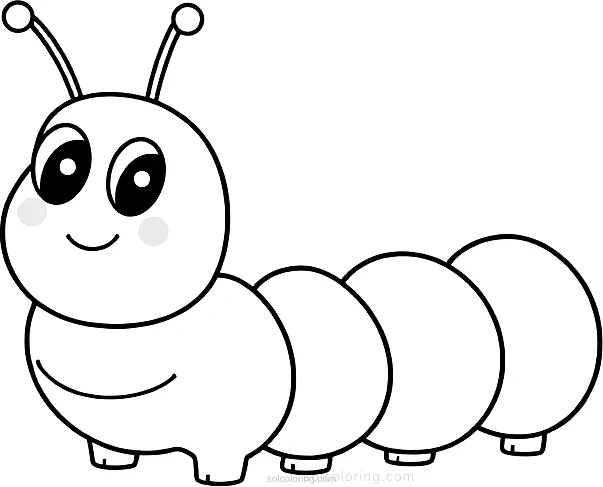
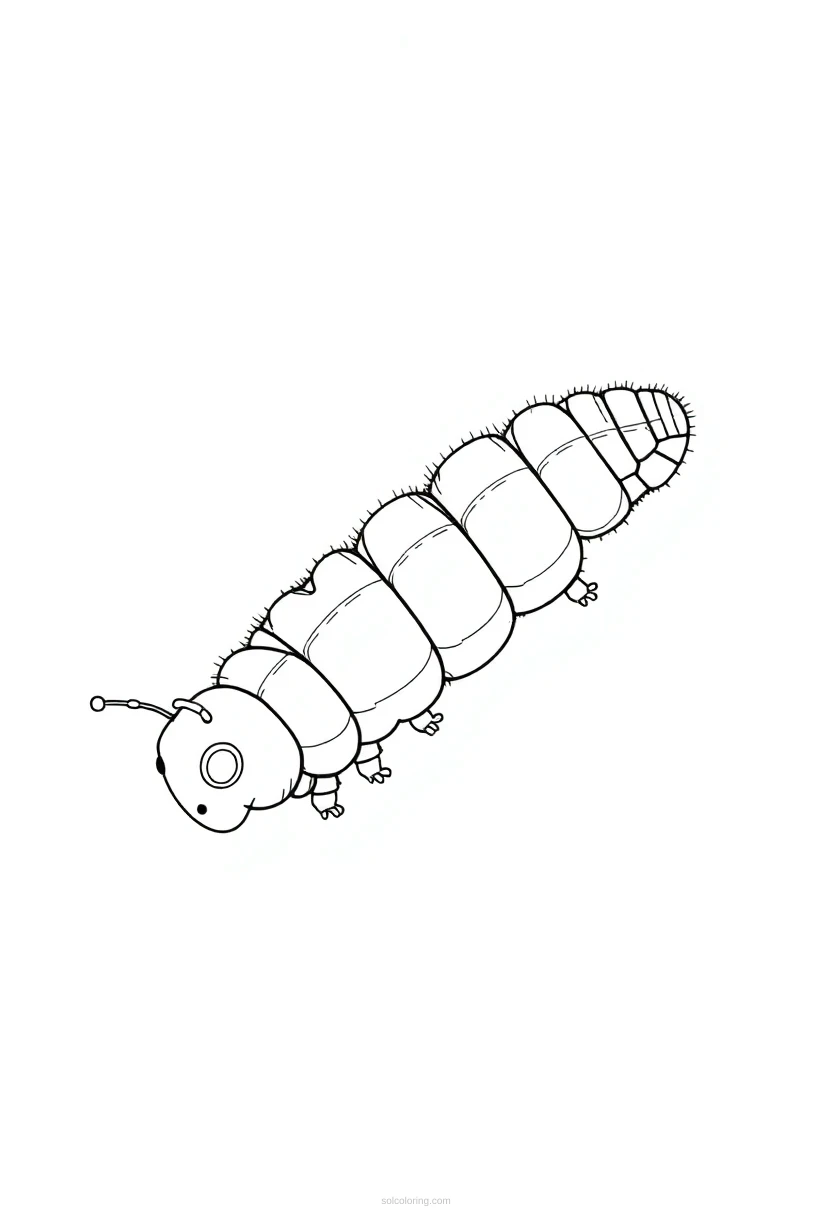
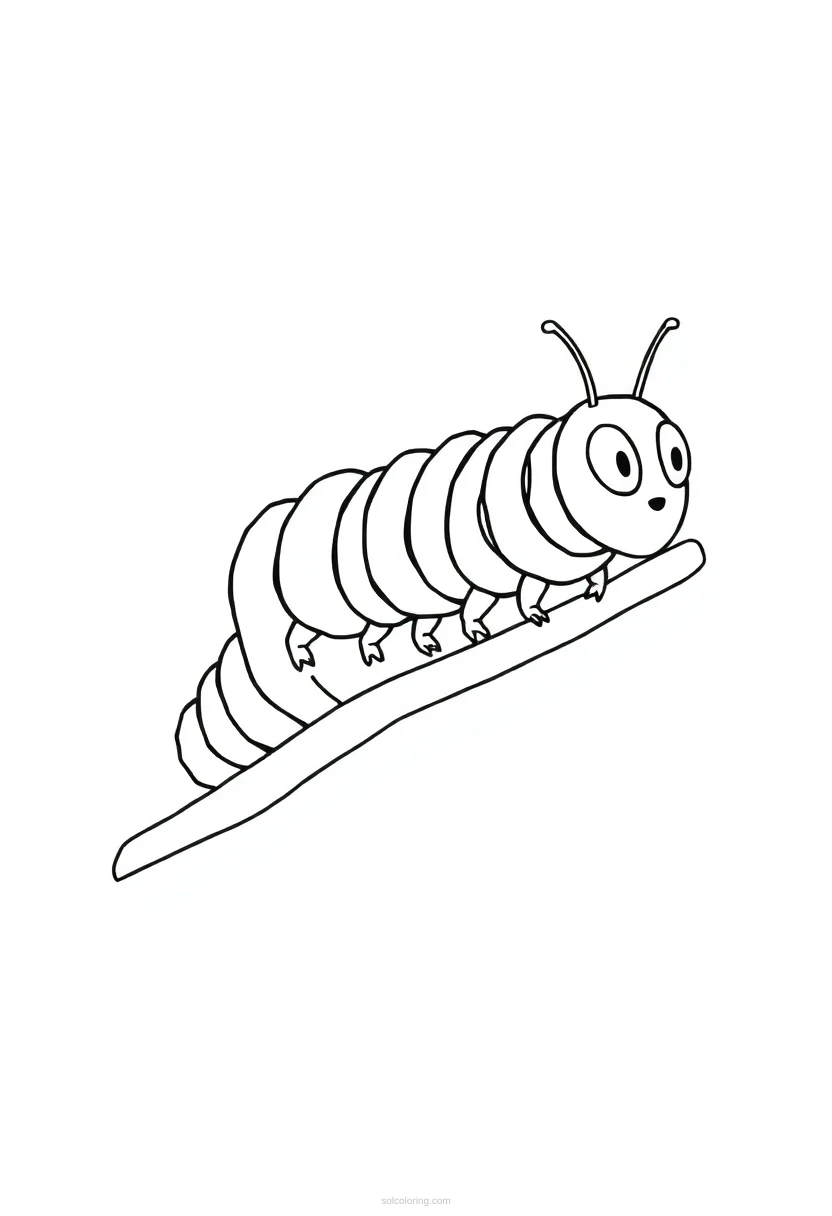
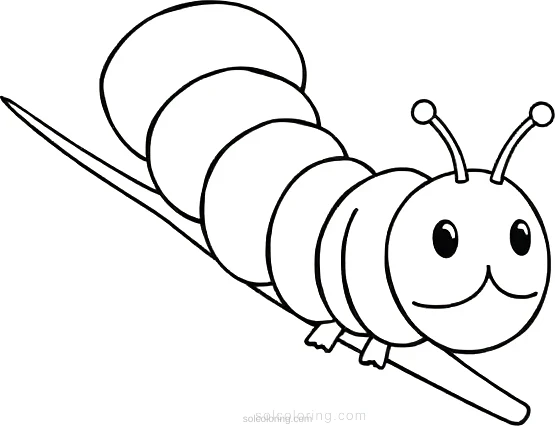
Caterpillars are some of nature's most incredible transformation artists! These fascinating larvae are the baby stage of moths and butterflies, spending their days munching on leaves and growing at amazing speeds. From tiny striped creatures to fuzzy colorful giants, caterpillars come in thousands of varieties worldwide. They play crucial roles in ecosystems as both plant eaters and food sources for birds and other animals. What makes caterpillars truly special is their incredible journey: they eventually transform into completely different creatures through metamorphosis. Our free printable coloring page captures the wonder of these amazing insects, letting you explore their segmented bodies, interesting patterns, and unique features. Whether you choose realistic colors or create your own fantasy caterpillar, this free printable coloring page offers endless creative possibilities while learning about these remarkable creatures.
Read more →Read less ↑
Choose a style

Did you know?
Fun facts about Caterpillar
A caterpillar's first meal is usually its own eggshell, which provides essential nutrients for growth.
Caterpillars have six true legs near their head plus several pairs of fleshy prolegs that help them grip surfaces.
The woolly bear caterpillar can survive being frozen solid during winter and continue living when it thaws in spring.
Some caterpillars can shoot their waste pellets up to six feet away to avoid attracting predators to their location.
A single tobacco hornworm caterpillar can eat an entire tomato plant's leaves in just one day when fully grown.
About Caterpillar
How do caterpillars grow so fast?
Caterpillars are eating machines that can increase their body weight by thousands of times in just weeks! They shed their skin multiple times as they outgrow it, molting up to five times before pupating into butterflies or moths.
What do different caterpillars eat?
Most caterpillars are very picky eaters that only consume specific host plants. Monarch caterpillars eat milkweed, woolly bears munch on dandelions and clover, while some species like tent caterpillars prefer fruit tree leaves.
How do caterpillars protect themselves from predators?
Caterpillars use amazing defense strategies including camouflage coloring, scary eyespots, toxic spines, and even mimicking bird droppings! Some can release foul smells or regurgitate to deter hungry birds and other predators.
How long does it take a caterpillar to become a butterfly?
The timeline varies by species, but most caterpillars spend 2-5 weeks in the larval stage before pupating. The entire transformation from egg to adult butterfly typically takes 1-2 months, though some overwinter and take longer.
Can you touch caterpillars safely?
Many caterpillars are safe to handle gently, but some have stinging hairs or spines that can cause skin irritation. It's best to observe caterpillars without touching, or use a soft brush to move them if necessary.
Where do caterpillars live during winter?
Some caterpillars overwinter by finding shelter under logs, rocks, or leaf litter where they enter a dormant state called diapause. Others complete their life cycle and survive winter as eggs, pupae, or adult butterflies instead.
More Insects coloring pages
Coloring page FAQs
Are these Caterpillar coloring pages free?
Yes! All our caterpillar coloring pages are completely free to download and print. No payment, subscription, or hidden fees required for any of our printable designs.
What age are these Caterpillar coloring pages for?
Our caterpillar coloring pages work great for ages 8 to 14. We include both simpler designs for younger colorists and more detailed versions for older kids and adults.
How do I print these Caterpillar coloring pages?
Simply download the PDF file and print on standard A4 or Letter paper using any home printer. No account signup needed, just click, download, and start coloring immediately.