Dinosaurs
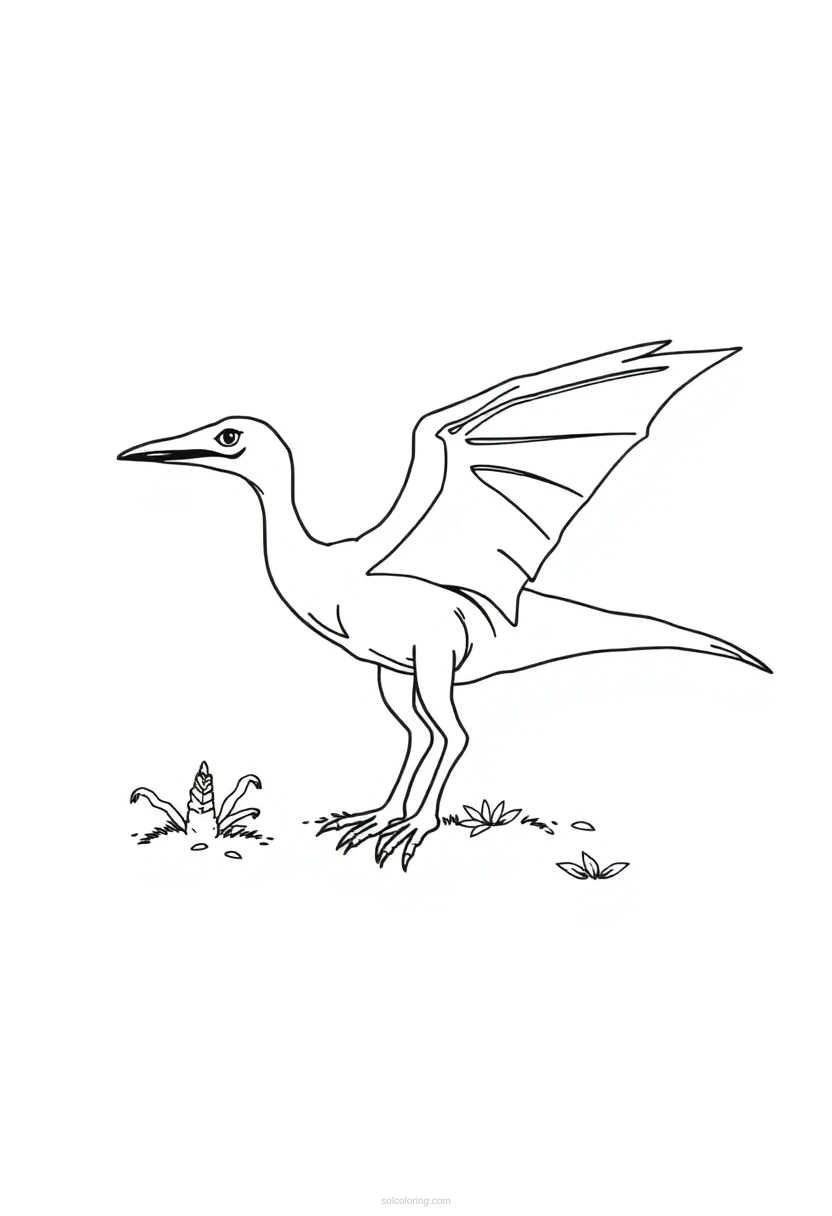
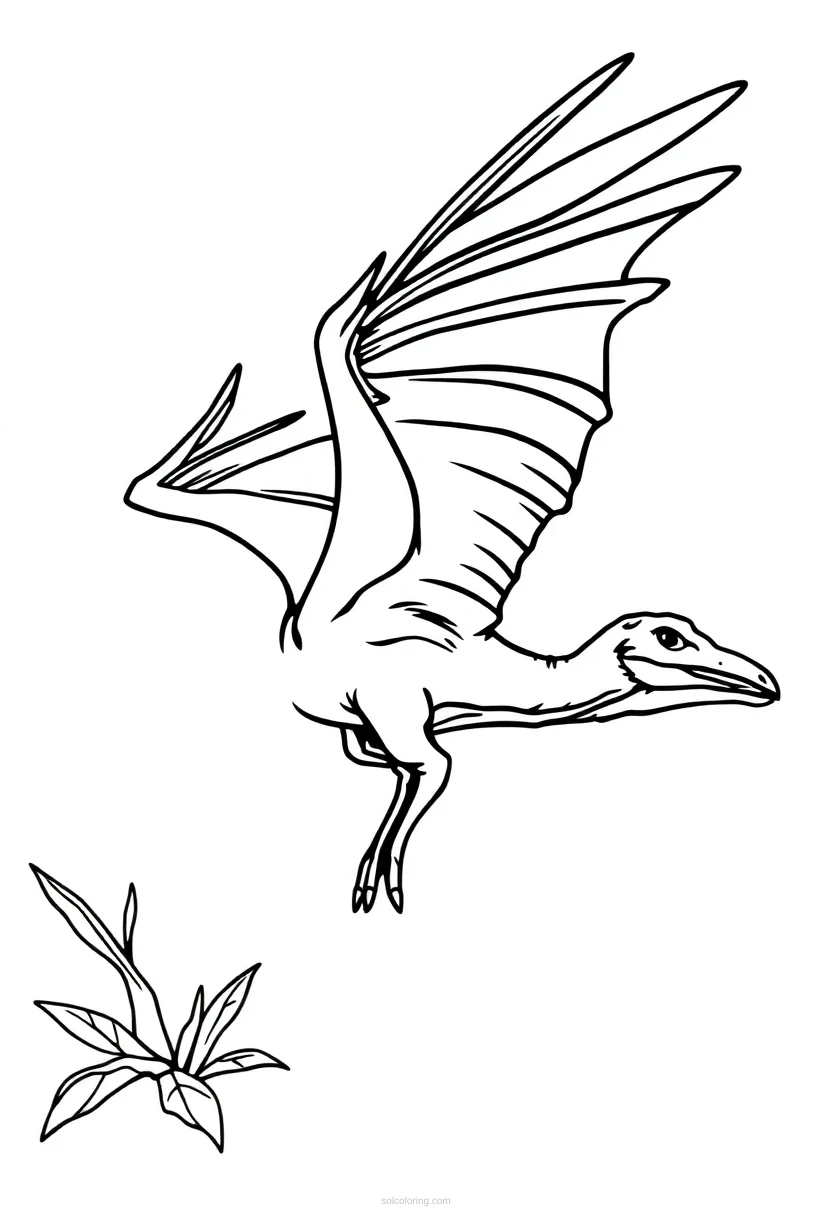
Pterodactyl Coloring Page
Standard style
About this coloring page
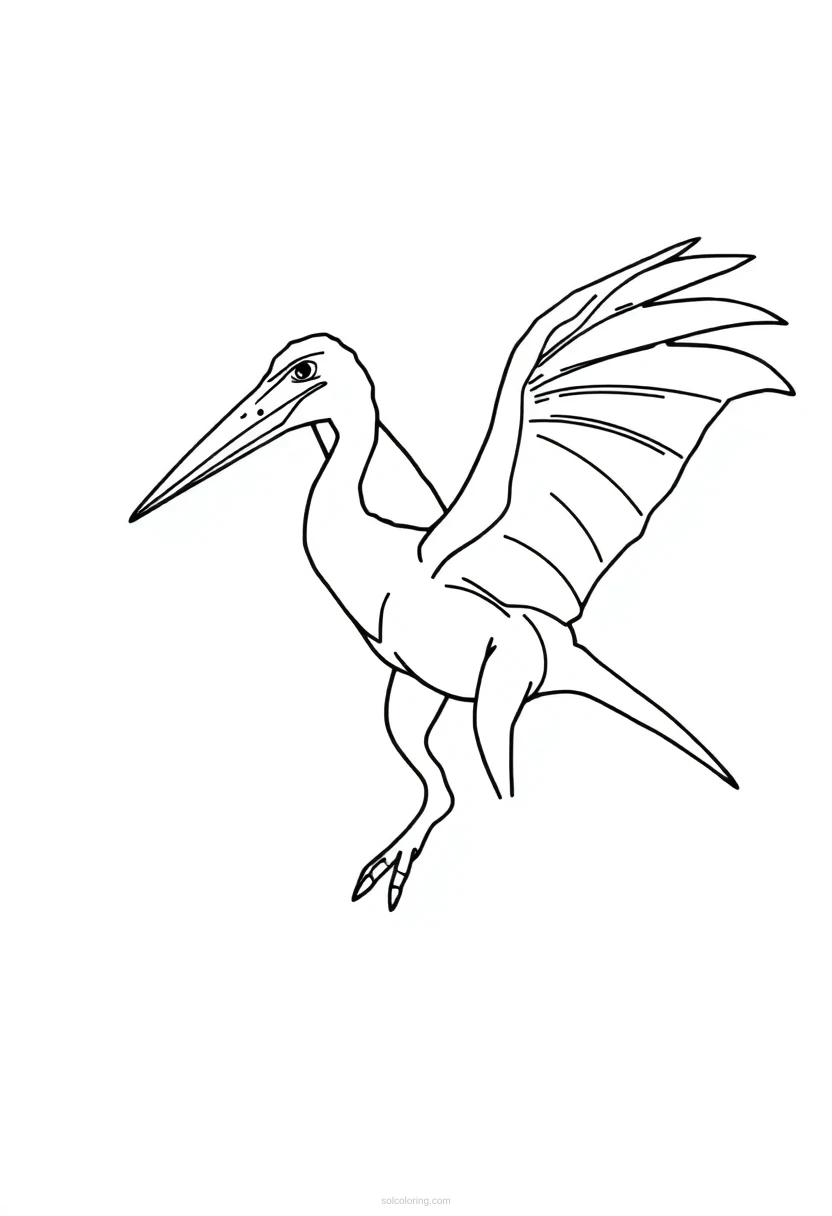
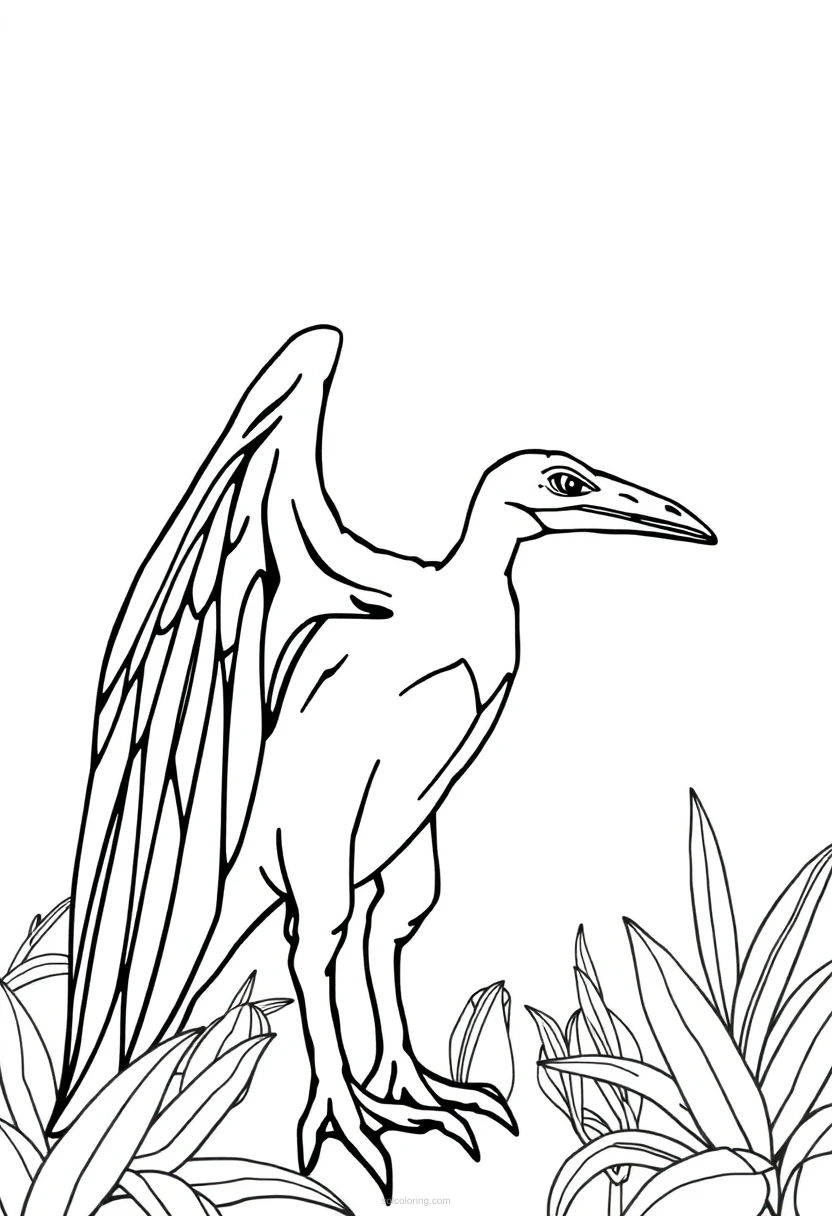
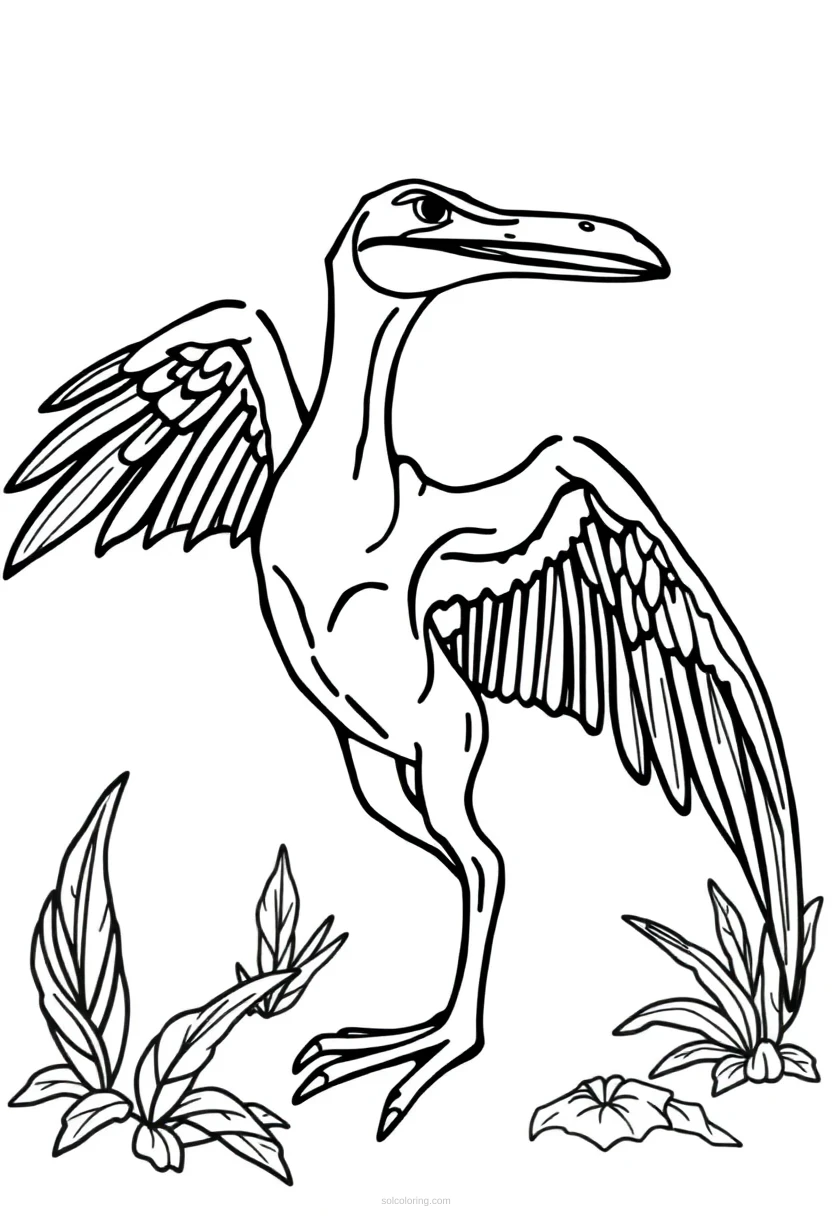
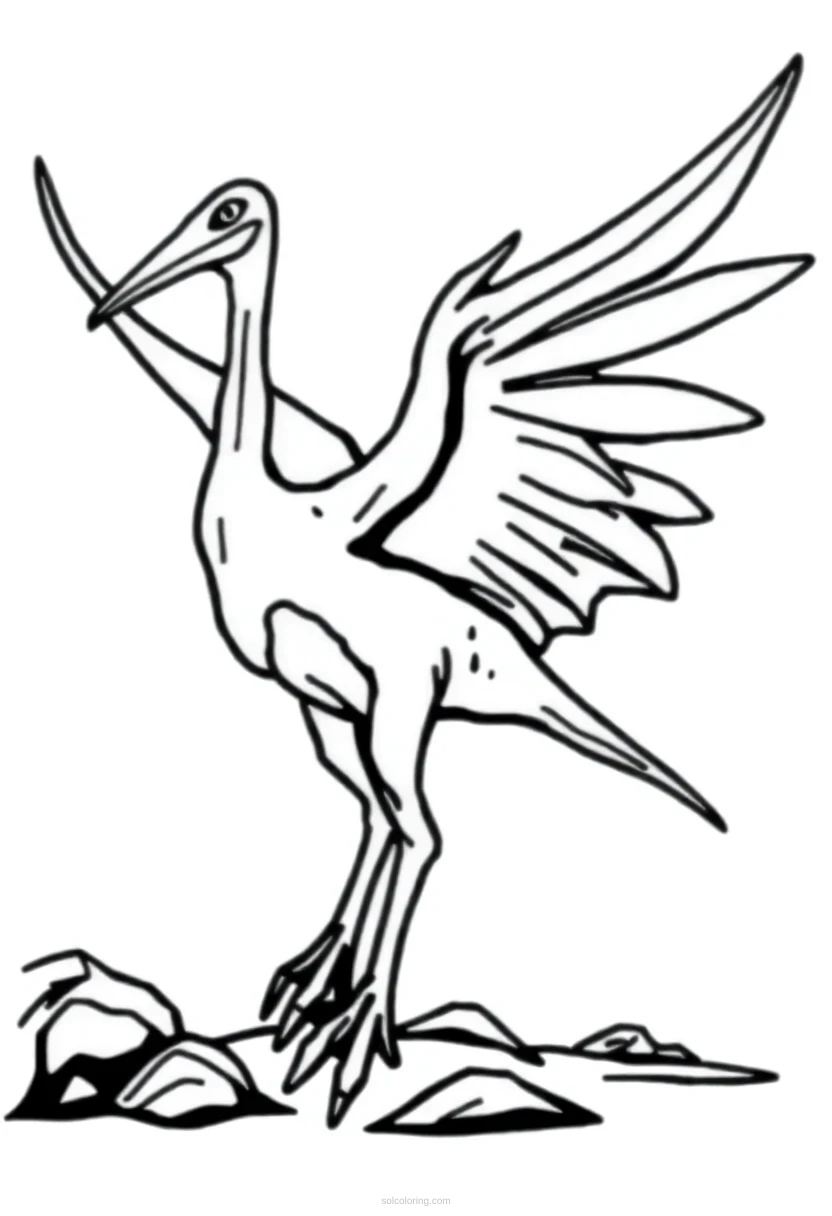
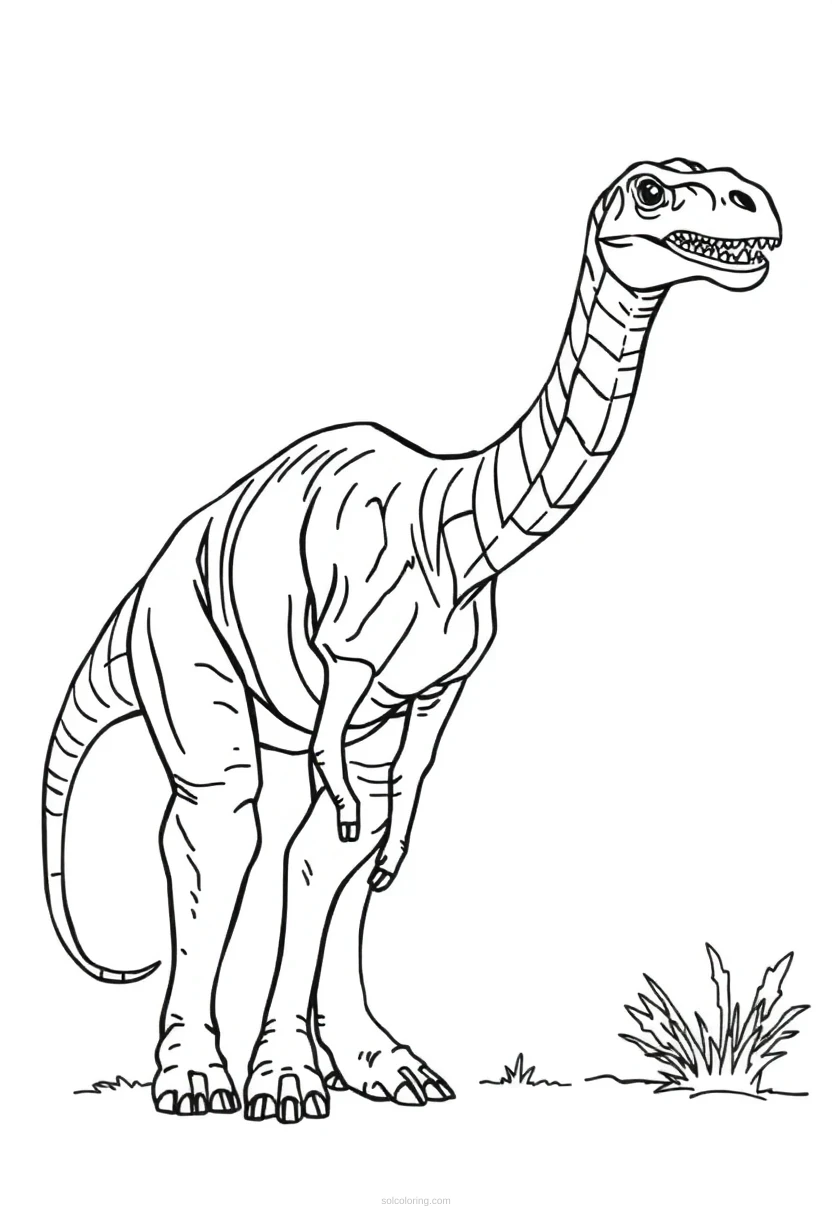
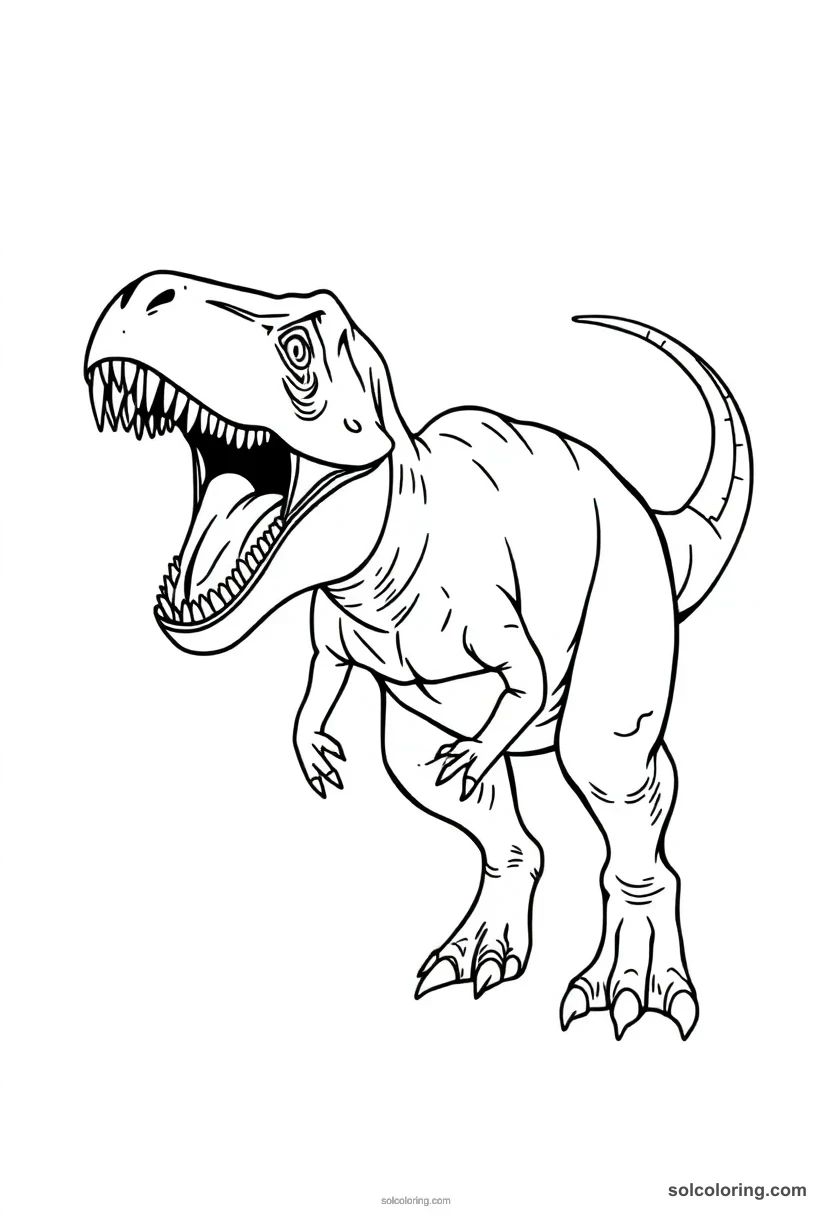
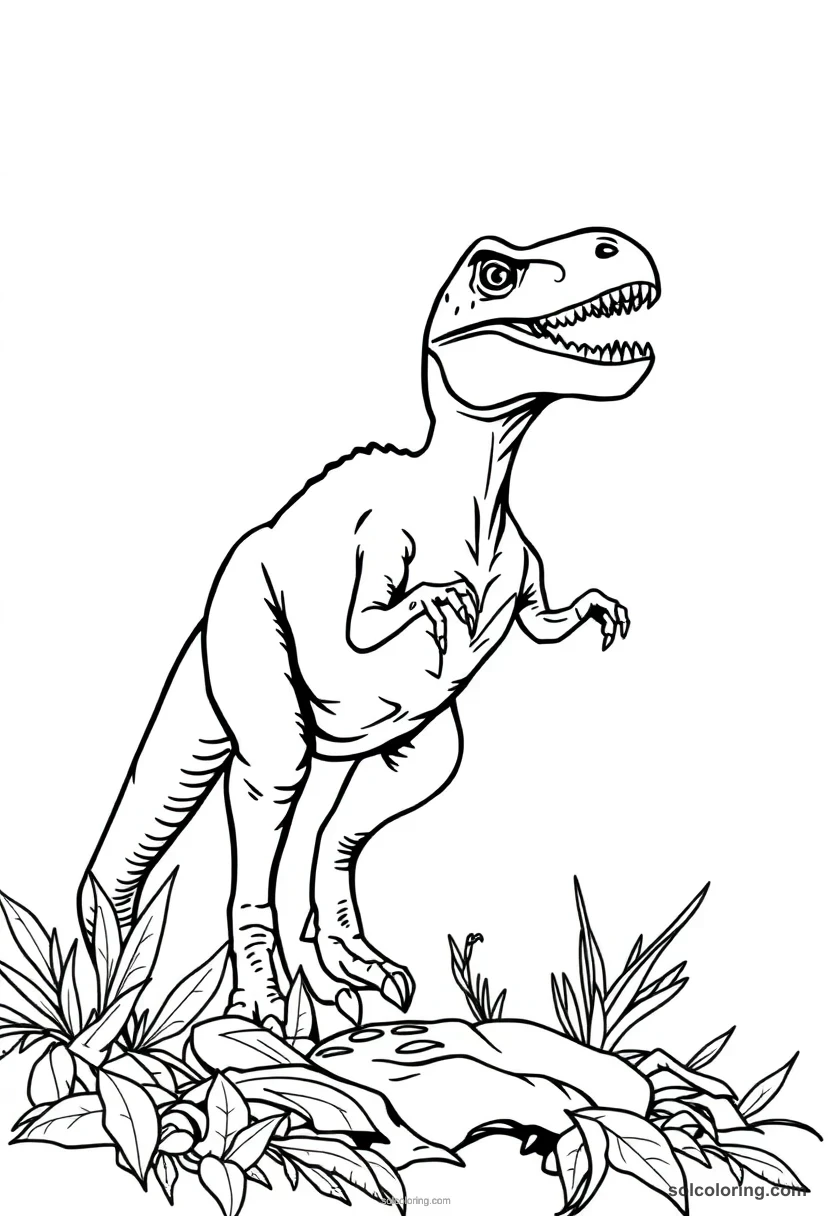
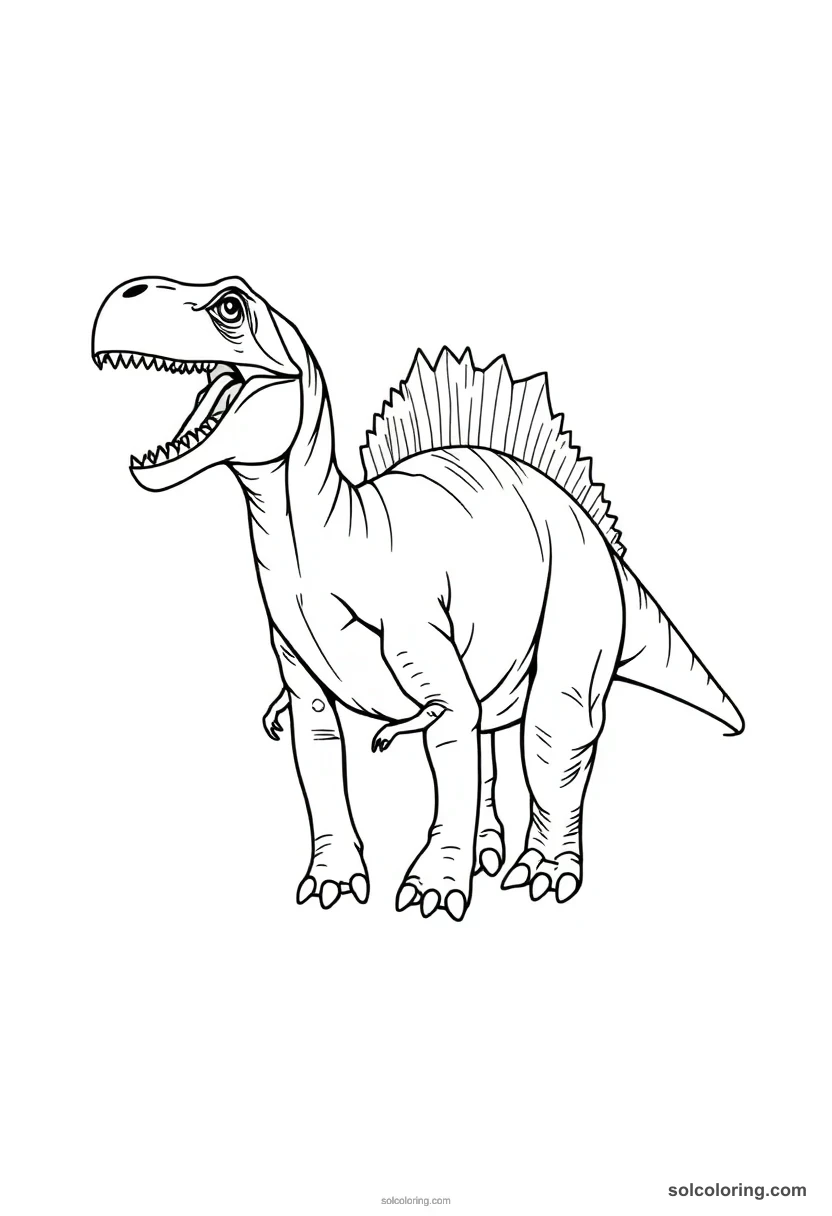
This detailed yet simple Pterodactyl coloring page features bold, clear outlines perfect for young artists and dinosaur enthusiasts. The flying reptile is shown with outstretched wings and distinctive beak, making it an engaging and educational coloring experience that's completely free to download and print.
Frequently asked
What is the difference between pterodactyls and dinosaurs?
Pterodactyls were flying reptiles that lived alongside dinosaurs but were not dinosaurs themselves. While dinosaurs were land or sea creatures, pterodactyls ruled the skies using wings made of thin membrane stretched over elongated finger bones. They shared the Mesozoic Era but occupied completely different ecological niches.
How big were pterodactyls and how did they fly?
Pterodactyl sizes varied dramatically, from sparrow-sized species to giants with 40-foot wingspans! Their wings consisted of tough, stretchy skin supported by powerful arm muscles and an elongated fourth finger bone. Their lightweight, hollow bones helped them achieve powered flight, making them the first vertebrates to truly master flying.
What did pterodactyls eat?
Most pterodactyls were carnivorous hunters that ate fish, small reptiles, and insects. Many had sharp teeth designed for gripping slippery fish prey, while others developed specialized beaks for different diets. Some scientists believe certain species may have been scavengers, similar to modern vultures.
Are these Pterodactyl Detailed coloring pages free?
Yes, absolutely! All our Pterodactyl Detailed coloring pages are completely free to download and print. No signup, subscriptions, or hidden fees required. Simply visit Sol Coloring, select your favorite design, and print it instantly on standard A4 or Letter-sized paper.
What age are these Pterodactyl Detailed coloring pages for?
These detailed coloring pages work wonderfully for ages 8 and up. The intricate details and patterns suit older children and adults who enjoy challenging designs. Younger children may prefer simpler coloring pages, while teens and adults will appreciate the complexity and educational value.