
Dinosaurs
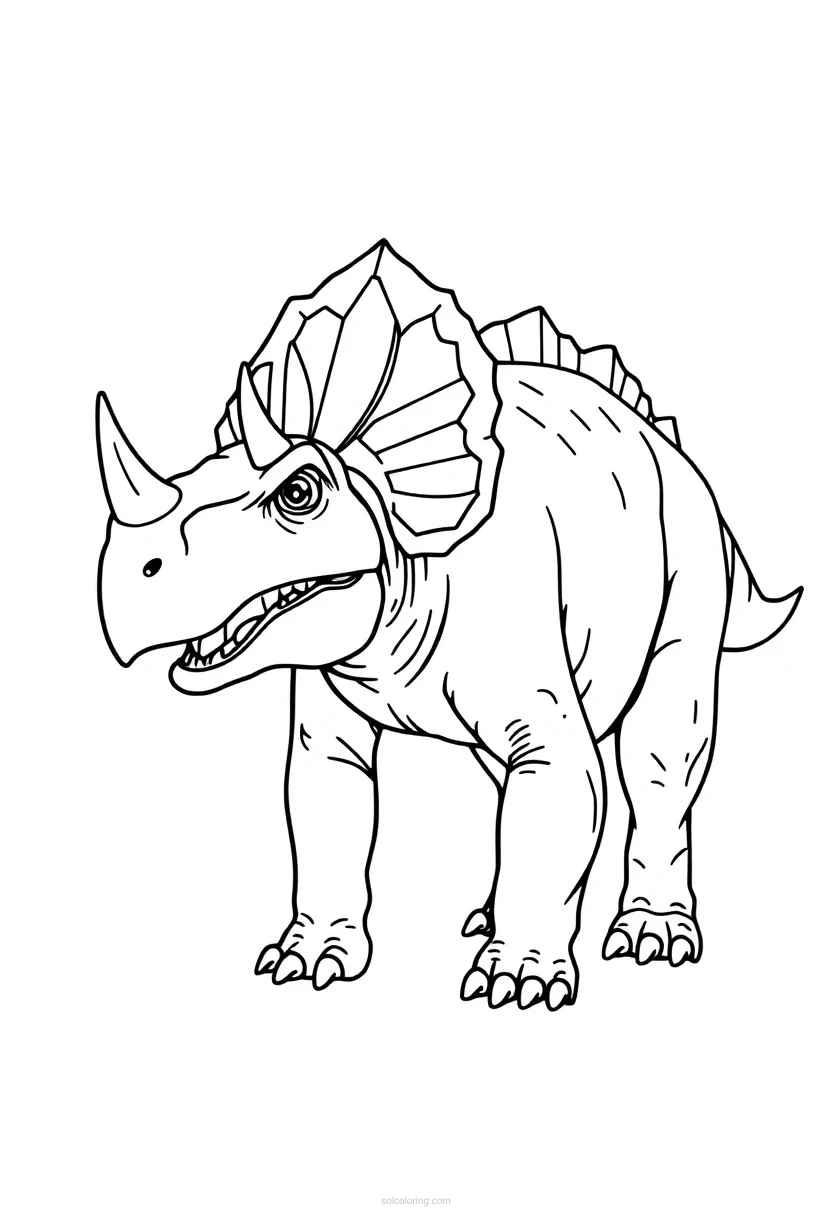
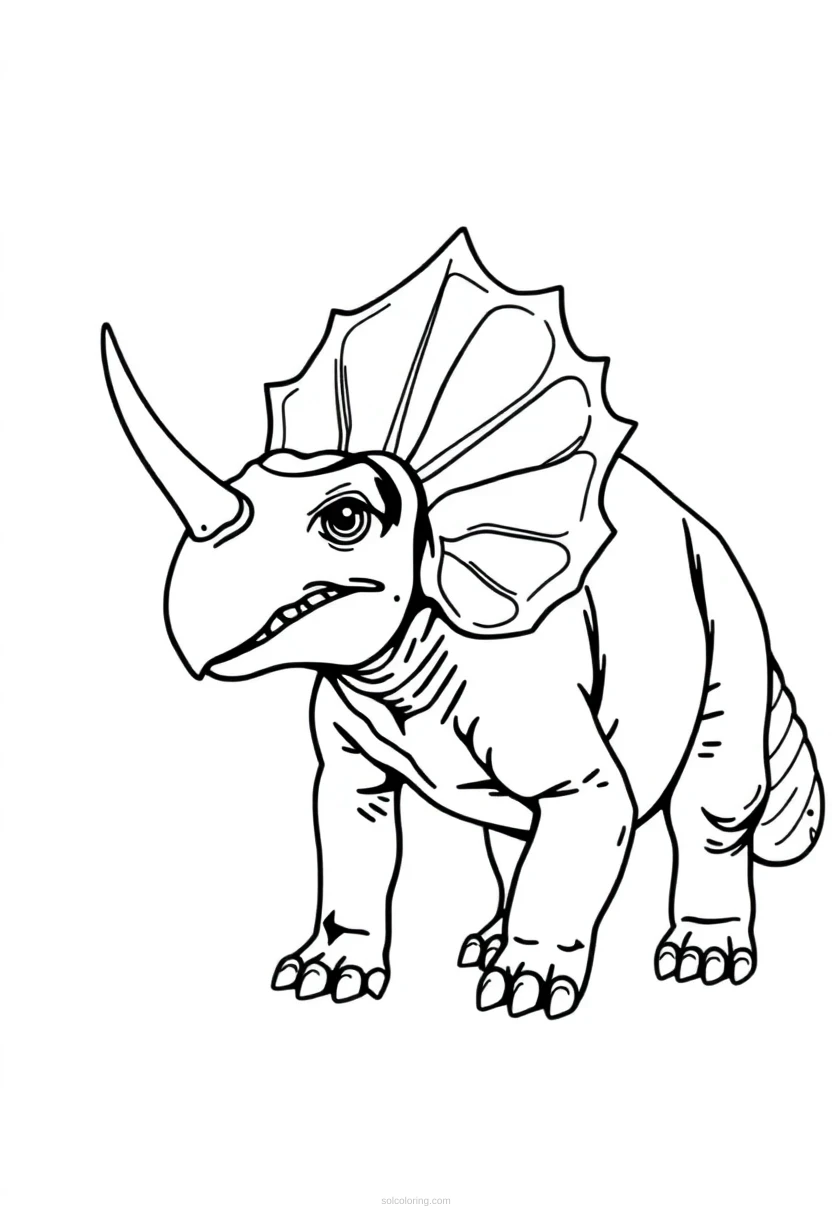
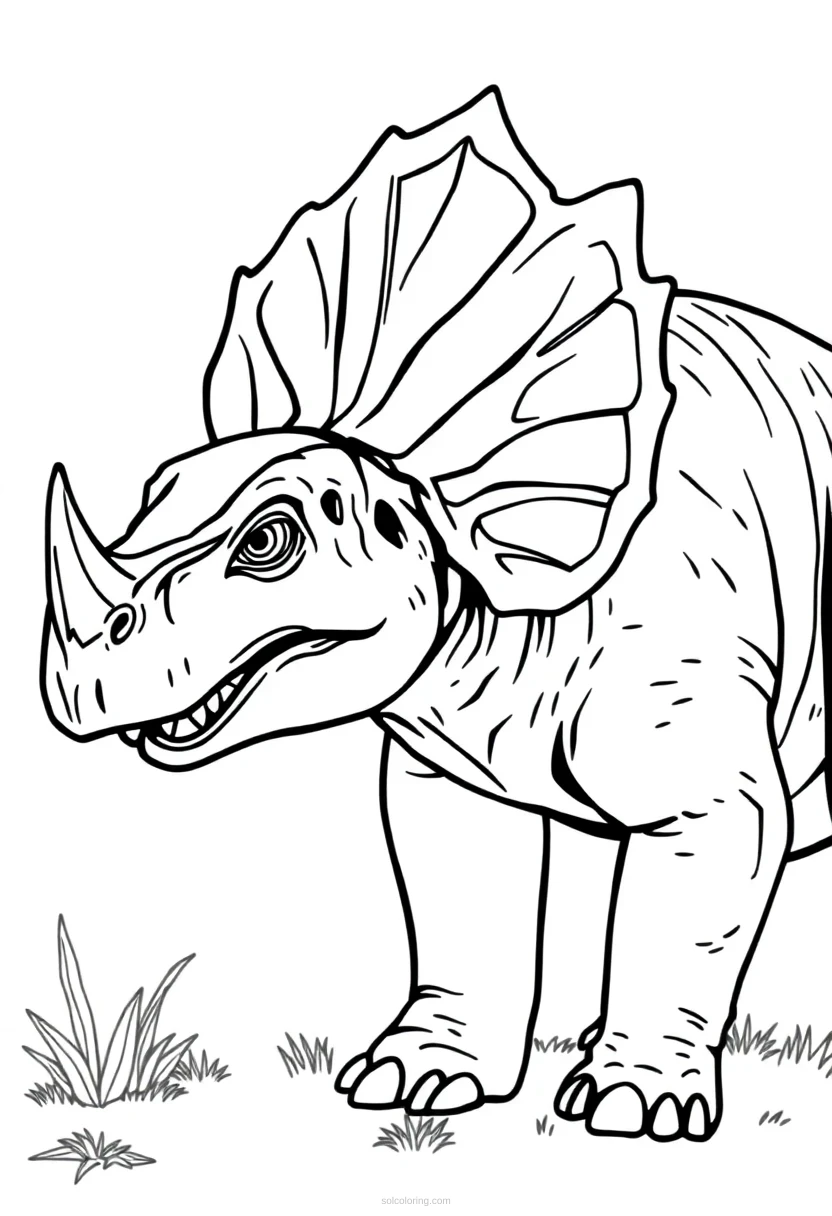
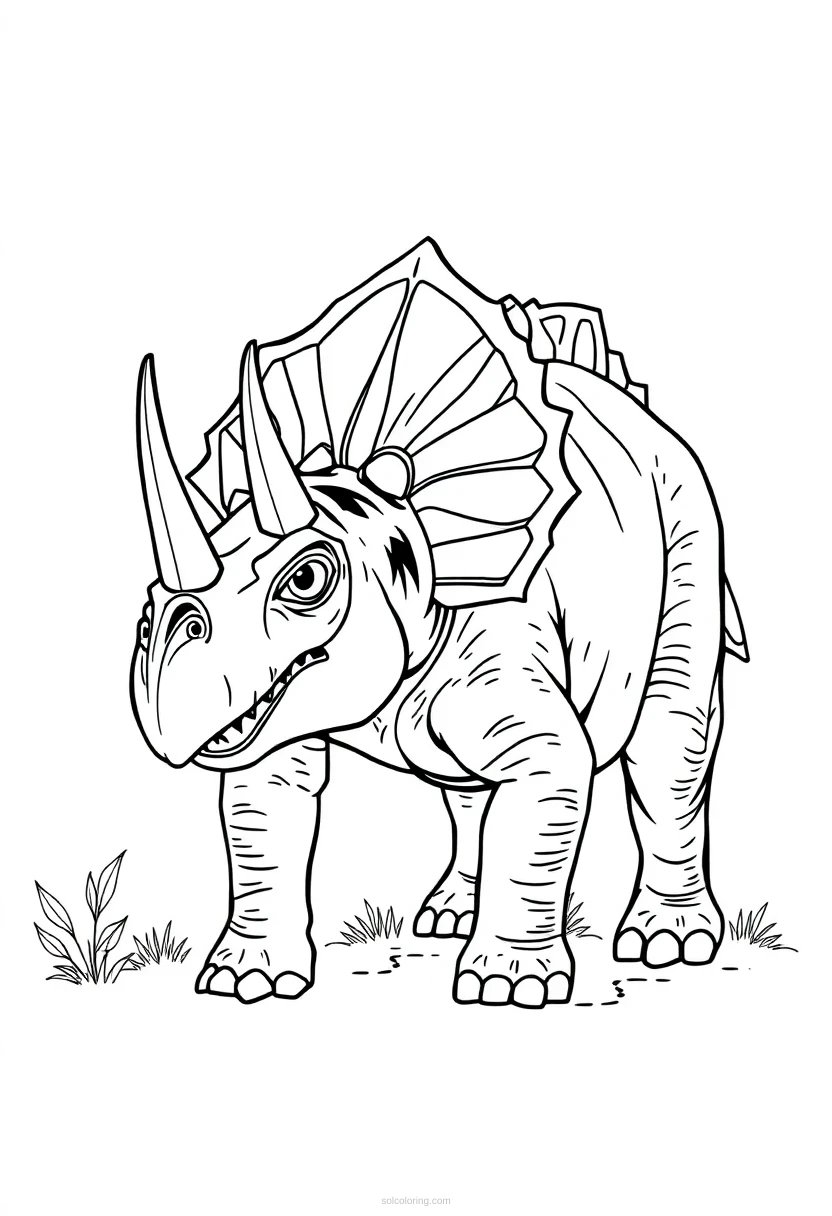
Triceratops Mandala Coloring Pages
6 free printable designs including Standard, Standard, Standard, Standard and more.
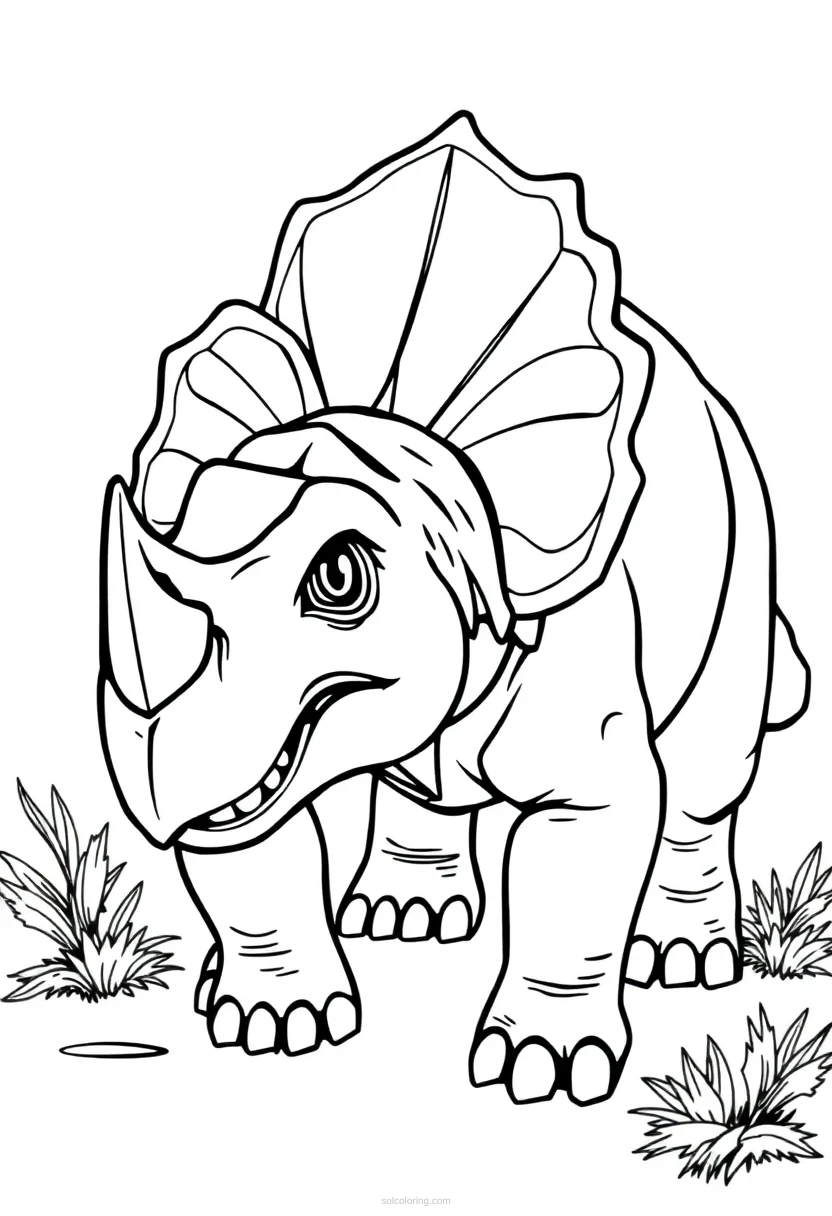
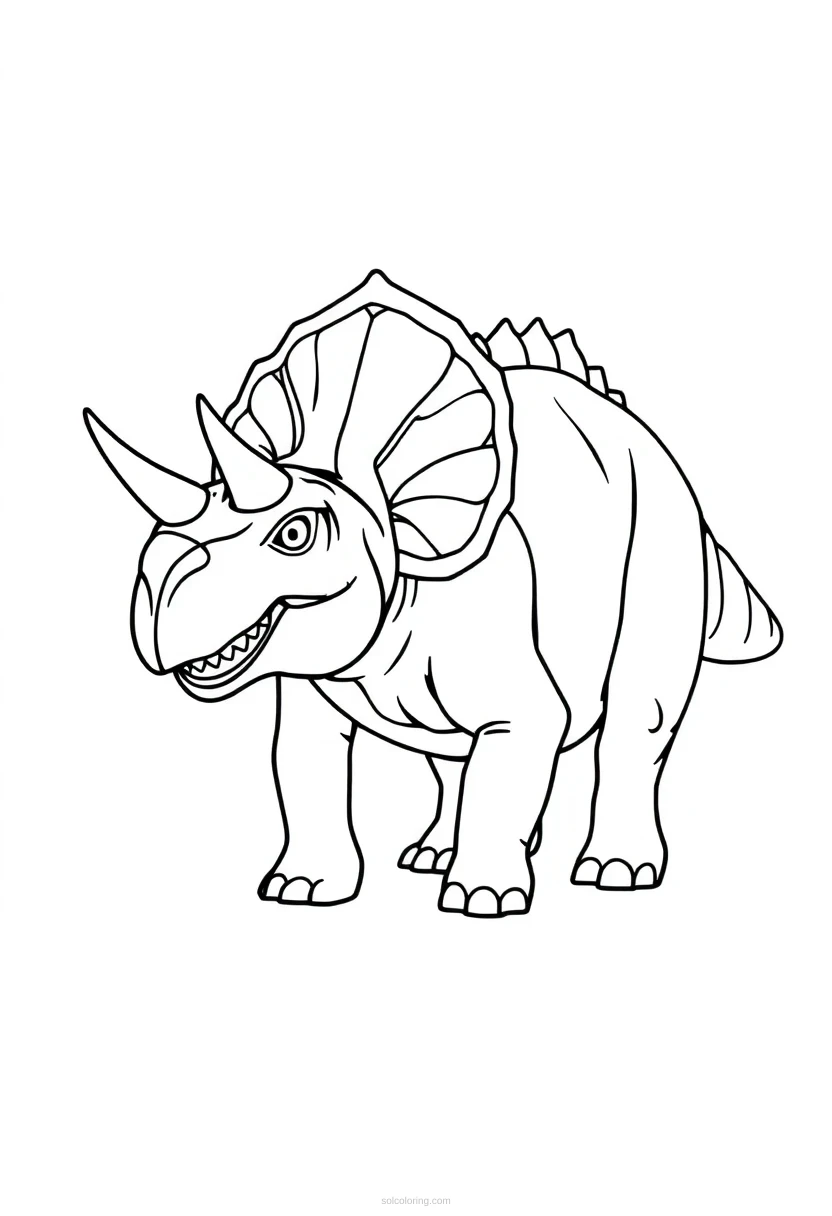
Discover the fascinating world of Triceratops through creative mandala art. Mandalas are circular patterns that inspire focus and calm, making them perfect for both relaxation and learning. This free printable coloring page combines the majesty of one of dinosaurs' most iconic three-horned herbivores with the meditative beauty of mandala design. Perfect for kids and adults who love prehistoric creatures, this free printable coloring page offers hours of creative enjoyment while celebrating the amazing Triceratops that once roamed Earth. Bring these ancient giants to life with your favorite colors and discover why Triceratops remain such beloved dinosaurs today.
Read more →Read less ↑
Choose a style
Did you know?
Fun facts about Triceratops Mandala
Triceratops' name means 'three-horned face,' but paleontologists estimate there were at least 16 different species of Triceratops living at different times.
A Triceratops' bony frill was not solid bone but had windows and openings in it, making it lighter while still providing excellent protection and display capabilities.
Baby Triceratops may have been covered in proto-feathers or fuzzy hair-like structures, similar to other ceratopsian dinosaurs discovered in fossil beds.
Triceratops' horns were made of keratin, the same material as modern rhinoceros horns, and could grow up to 3 feet long over a lifetime.
The mandala pattern symbolizes wholeness and balance across many cultures, making it the perfect artistic match for the symmetrical, balanced design of a Triceratops' three-horned face.
About Triceratops Mandala
What did Triceratops eat and how did they find food?
Triceratops were herbivores that fed on low-growing plants, ferns, and cycads. They used their powerful jaws and grinding teeth to process tough vegetation. Their three horns and large bony frill provided defense while eating. Some scientists believe they may have used their horns to dig and unearth plant roots from the ground for additional nutrition.
Why did Triceratops have three horns and a large bony frill?
The three horns and bony frill served multiple purposes. Two long horns above the eyes were likely used for defense against predators like T-Rex. The smaller nasal horn provided additional protection. The frill shielded the neck and shoulders from attacks. The frill also displayed colors and patterns, helping Triceratops communicate with each other and attract mates during mating season.
How big was a Triceratops compared to modern animals?
Triceratops were massive creatures, reaching up to 30 feet long and weighing around 6 to 12 tons. Their heads alone measured up to 10 feet in length. To imagine their size, picture an African elephant, then make it longer and much heavier. Despite their enormous bulk, Triceratops were surprisingly agile and could charge at speeds up to 20 miles per hour when threatened.
When did Triceratops live and how do we know about them?
Triceratops lived during the Late Cretaceous period, roughly 68 to 66 million years ago, right up until the dinosaur extinction event. Scientists learn about them through fossils, which are preserved bones and teeth found in rocks. Thousands of Triceratops fossils have been discovered, especially in North America, providing detailed information about their anatomy, growth patterns, and lifestyle habits.
Did Triceratops live in groups or alone?
Evidence suggests that Triceratops may have lived in herds, similar to modern buffalo or wildebeest. Fossil sites have uncovered multiple Triceratops skeletons preserved together, indicating they stayed near each other. Living in groups provided protection from large predators like T-Rex. Young Triceratops likely stayed close to their mothers for safety and guidance until reaching adulthood.
How long did a Triceratops live and how did it grow?
Scientists estimate Triceratops could live 20 to 30 years in the wild. Young Triceratops hatched from eggs and grew continuously throughout their lives. Growth rings in their bones reveal that juvenile Triceratops grew rapidly but showed seasonal patterns, suggesting they experienced distinct seasons. Adults reached their full size by around 20 years old, when their growth plates finally solidified.
More Dinosaurs coloring pages
Coloring page FAQs
Are these Triceratops Mandala coloring pages free?
Yes, absolutely. All our Triceratops Mandala coloring pages are completely free to download and print. No signup, no hidden fees. Simply visit Sol Coloring, select your design, and print instantly from your home printer onto standard A4 or Letter paper. Enjoy unlimited coloring fun at no cost.
What age are these Triceratops Mandala coloring pages for?
These coloring pages work wonderfully for ages 8 and up. Younger children enjoy the simple dinosaur shapes, while older kids and adults appreciate the intricate mandala patterns. Multiple difficulty levels are available, so everyone from beginners to experienced colorists can find something perfect for their skill level.
How do I print these Triceratops Mandala coloring pages?
Printing is simple. Download the PDF file, open it on your computer, and click print. Choose A4 or Letter paper size based on your printer. No special software is needed. Print as many copies as you like at home, school, or your local library. No signup or account required.