
Characters
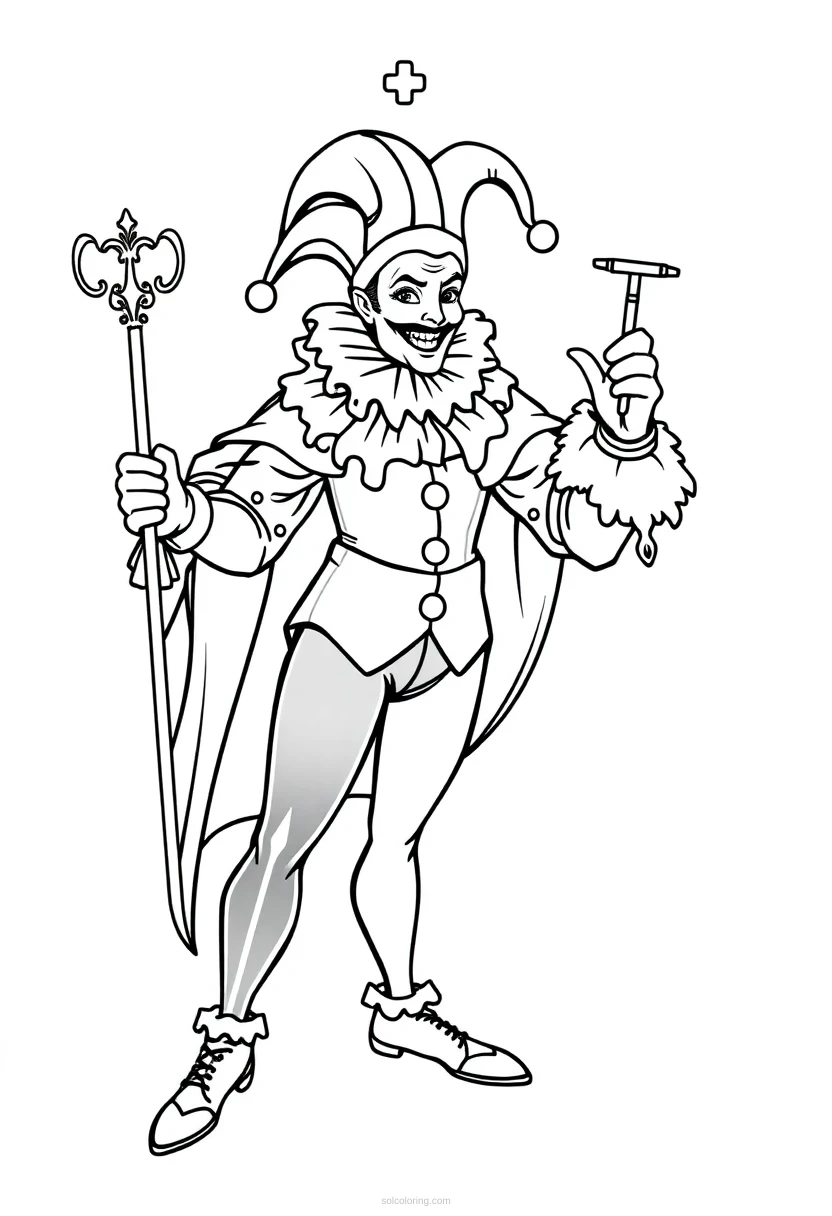
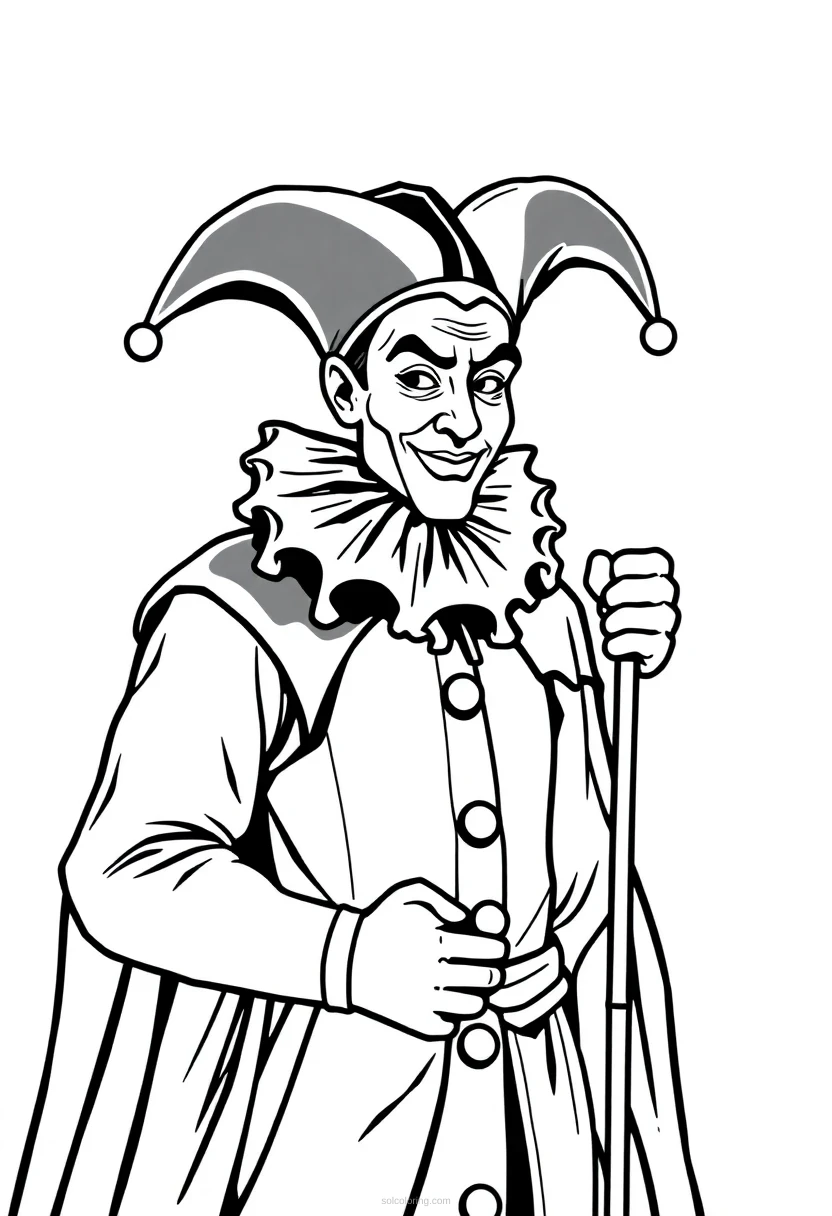
Court Jester Mandala Coloring Pages
6 free printable designs including Standard, Standard, Standard, Standard and more.
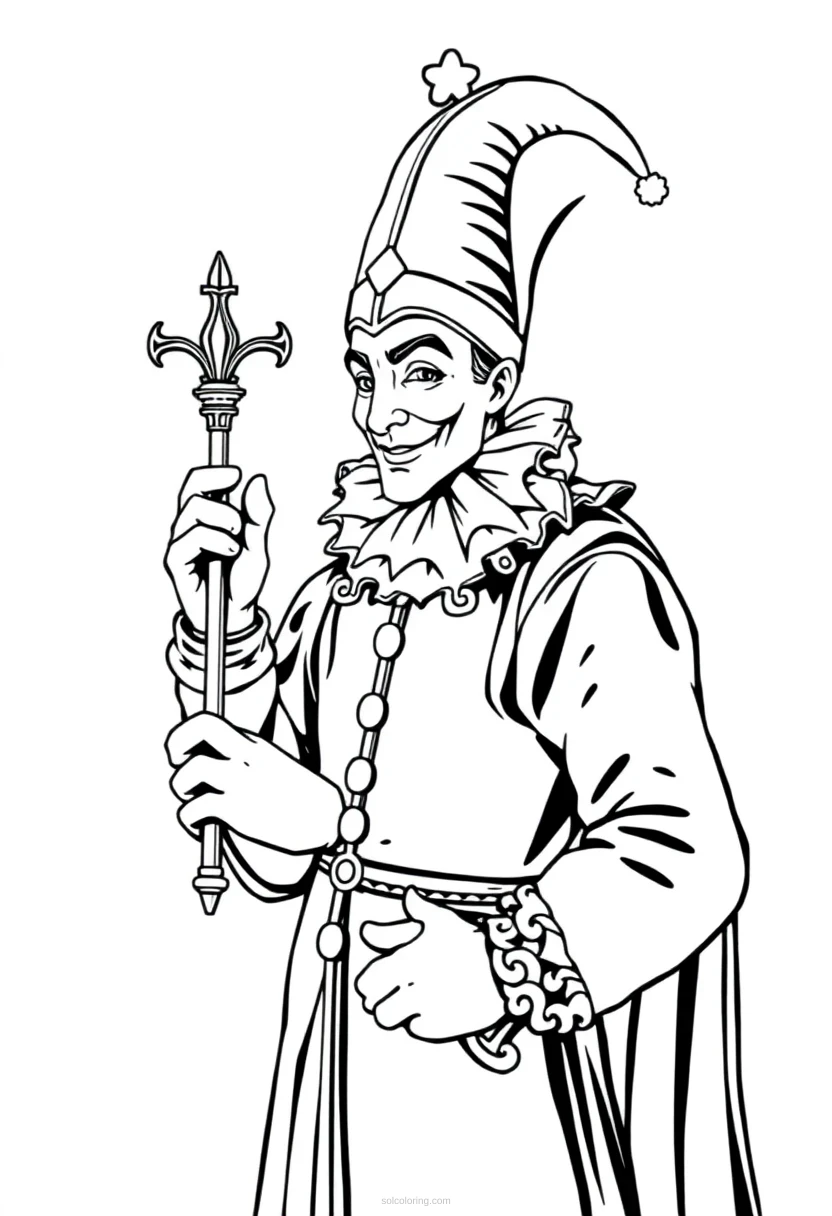
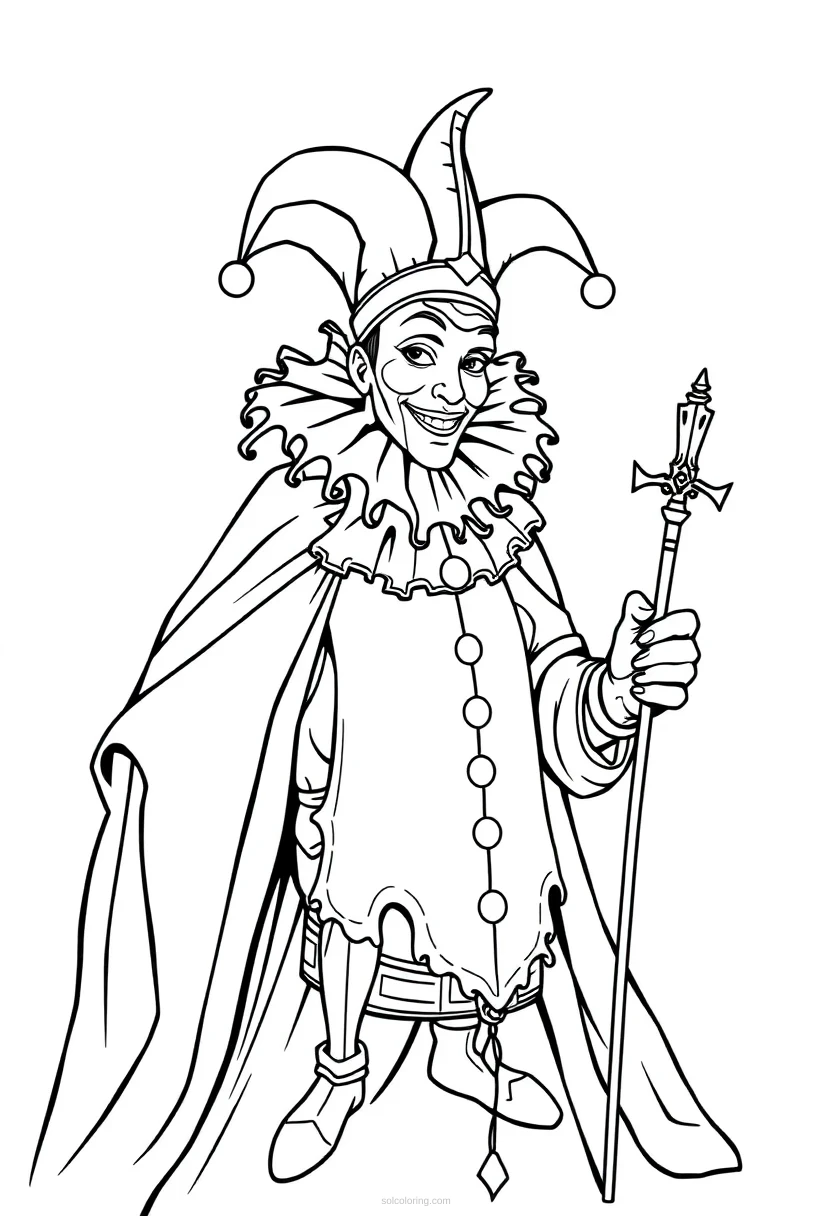
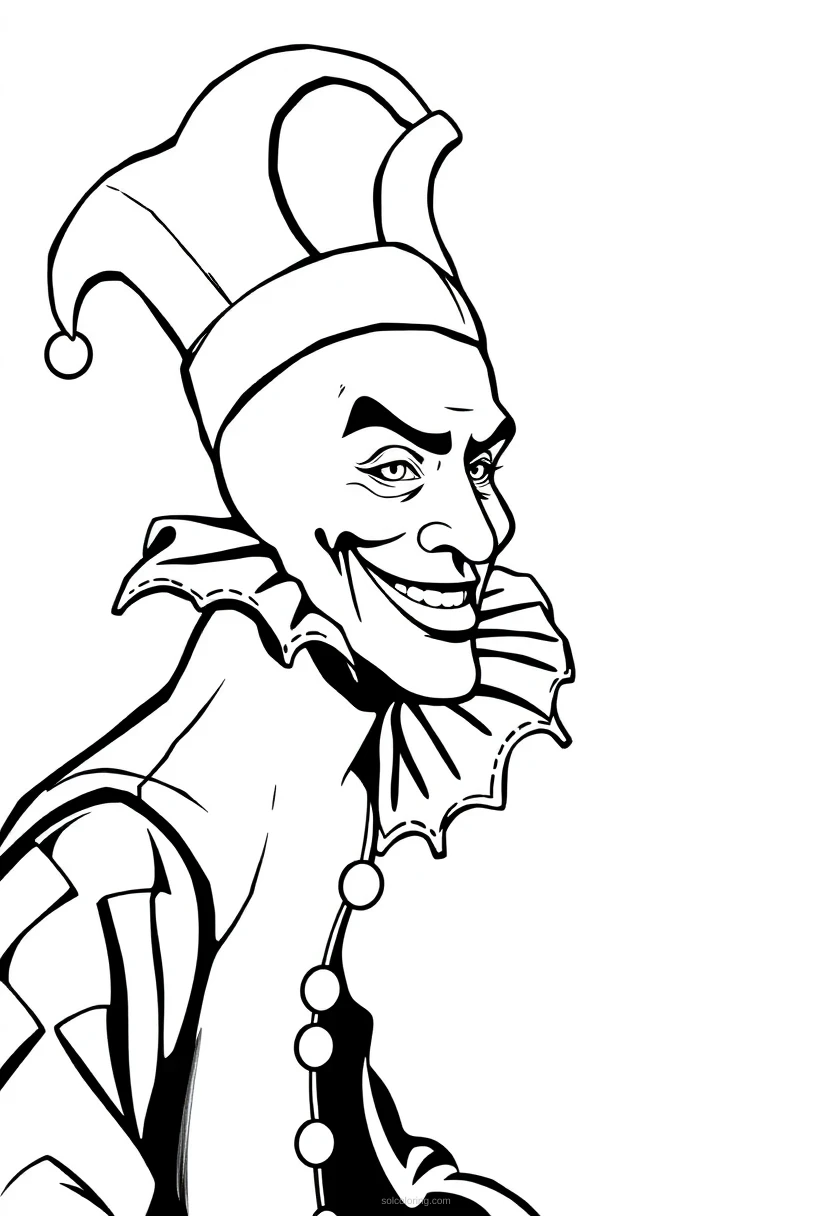
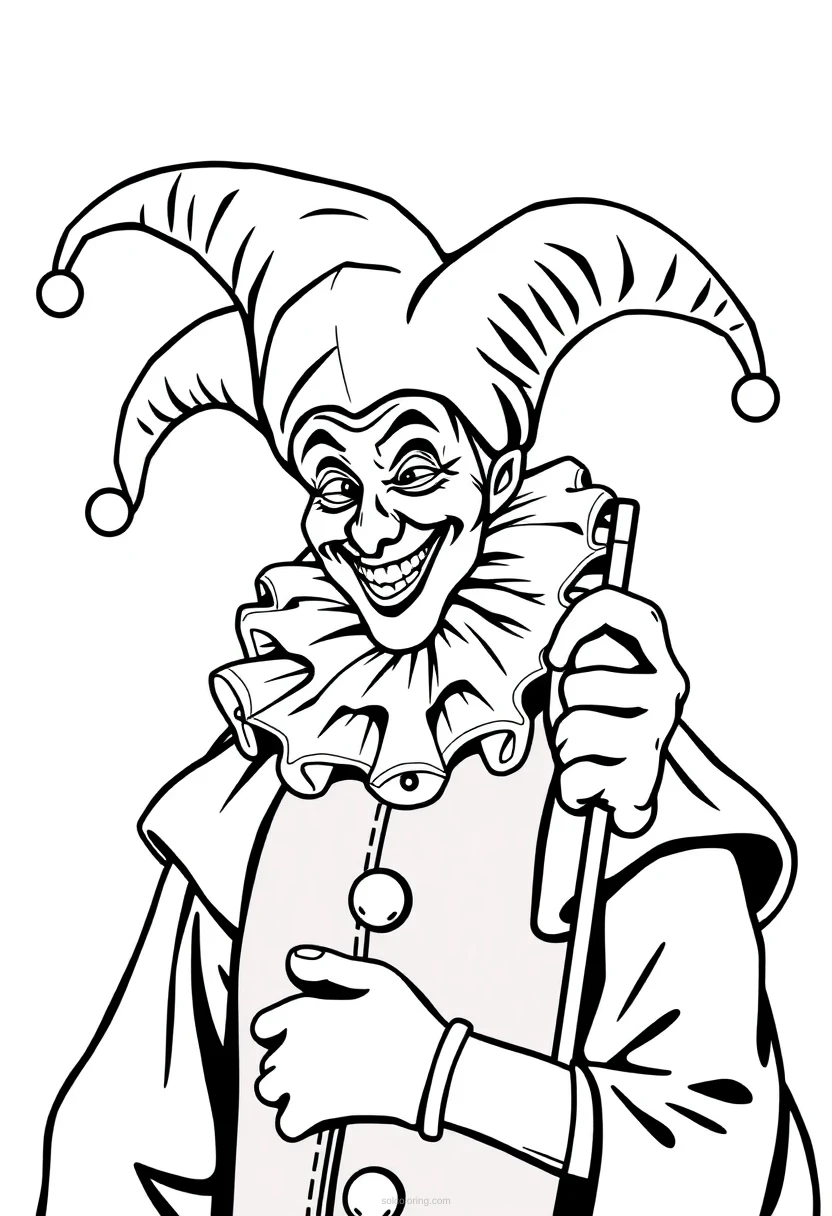
Step into the whimsical world of court jesters with this enchanting Court Jester Mandala free printable coloring page. Court jesters have captivated audiences for centuries with their clever wit, acrobatic skills, and colorful costumes. These playful performers used humor and satire to entertain nobility while sometimes sneaking in clever social commentary. Our free printable coloring page combines the intricate, symmetrical beauty of mandalas with the joyful spirit of these medieval entertainers. Whether you are exploring fairy tale characters or simply enjoy detailed coloring projects, this design offers hours of creative fun for young artists and adults alike.
Read more →Read less ↑
Choose a style
Did you know?
Fun facts about Court Jester Mandala
Some court jesters earned more money and held higher social status than common soldiers or laborers, making the jester profession one of the more desirable entertainment careers in medieval times.
The word 'jester' likely comes from the Old French word 'geste,' meaning story or deed, reflecting how jesters told tales and performed acts.
Many court jesters were highly educated individuals who could read, write, and speak multiple languages, using their intelligence to craft clever jokes and witty observations.
The three-pointed fool's cap with bells became so iconic that it appears in modern depictions of jesters and medieval fantasy, though historical jesters wore varying types of hats.
Some famous jesters like Will Somers, jester to King Henry VIII, became so influential they could influence royal decisions and were genuinely loved by their employers as trusted advisors.
About Court Jester Mandala
Who were court jesters and what did they do?
Court jesters were professional entertainers employed by royalty and nobility during medieval and Renaissance times. Beyond making people laugh with jokes and pranks, jesters often performed acrobatics, juggling, and music. They held unique power to speak truth through humor, sometimes critiquing rulers in ways no one else dared. Their colorful costumes and bells became iconic symbols of medieval entertainment and folklore.
What did court jesters typically wear?
Court jesters wore distinctive costumes featuring bright, contrasting colors, often in red, yellow, green, and purple combinations. Their most recognizable feature was the three-pointed fool's cap with jingling bells attached to each point. These costumes included patterned stockings, curled-toe shoes, and fitted jackets. The bold, colorful designs made jesters instantly recognizable and added to their playful, theatrical presence at court.
Were court jesters only entertainers, or did they have other roles?
Court jesters served multiple important roles beyond entertainment. They acted as confidants to rulers, sometimes offering wise advice disguised as jokes. In some medieval courts, jesters served as subtle critics of the nobility, using satire to highlight flaws or problems. This dual nature, combining fool with advisor, made jesters valuable members of royal households. Their unique position allowed them freedoms other courtiers did not enjoy.
How did court jesters influence fairy tales and folklore?
Jesters became iconic characters in fairy tales, folk stories, and literature across Europe. Their clever wit and trickster nature inspired countless tales about outsmarting powerful opponents through intelligence rather than strength. The archetype of the wise fool appears repeatedly in folklore from multiple cultures. Jesters represented the triumph of cleverness and humor over authority, making them beloved characters in stories passed down through generations.
Did court jesters exist in cultures outside Europe?
Yes, similar court entertainers and trickster characters existed in many cultures worldwide. In ancient Rome, jesters entertained emperors with satirical performances. Asian courts, including Chinese and Persian kingdoms, employed similar entertainers and comedians. The concept of using humor and wit to entertain rulers while offering subtle social commentary appeared across diverse civilizations, showing this role was universally appealing.
Why do mandalas pair well with the court jester theme?
Mandalas represent order, balance, and harmony through symmetrical patterns and designs. Court jesters, by contrast, embodied playfulness, chaos, and freedom. Together, they create interesting contrast: the structured mandala pattern paired with the whimsical, colorful jester character. This combination makes for visually striking coloring pages that appeal to both those who love detailed geometric patterns and those drawn to fantastical characters from folklore.
More Characters coloring pages
Coloring page FAQs
Are these Court Jester Mandala coloring pages free?
Yes, absolutely! Our Court Jester Mandala free printable coloring pages are completely free to download and print. Simply visit Sol Coloring, find your design, and print instantly to your home printer. No signup, membership, or hidden fees required. Start coloring right away.
What age are these Court Jester Mandala coloring pages for?
These Court Jester Mandala coloring pages work best for ages 8 and up. Younger children enjoy the playful character, while older kids and adults appreciate the detailed mandala patterns and intricate designs. Multiple difficulty levels ensure everyone finds the perfect challenge.
How do I print these Court Jester Mandala coloring pages?
Printing is easy. Download the PDF from Sol Coloring, then print on standard A4 or Letter-size paper using any home printer. No special settings needed. Choose your favorite colors and enjoy coloring this delightful jester mandala whenever you like.