
Impressionism
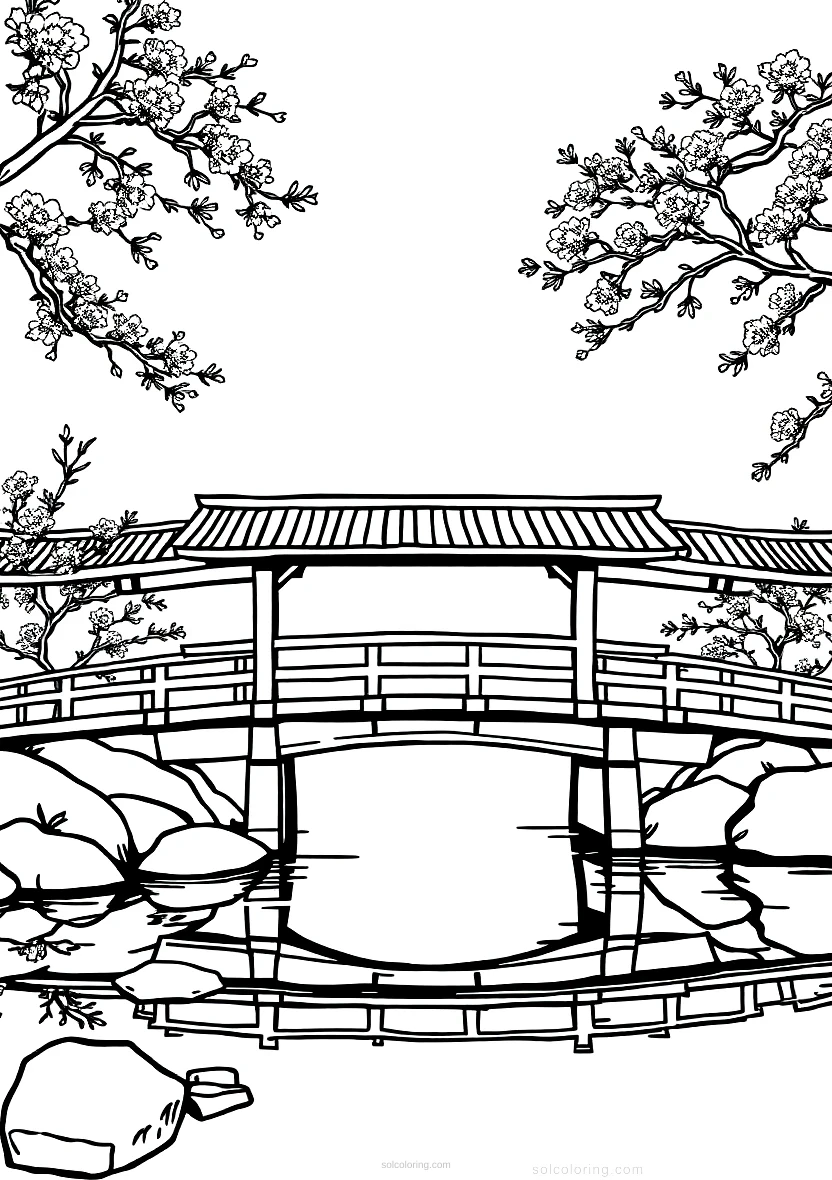
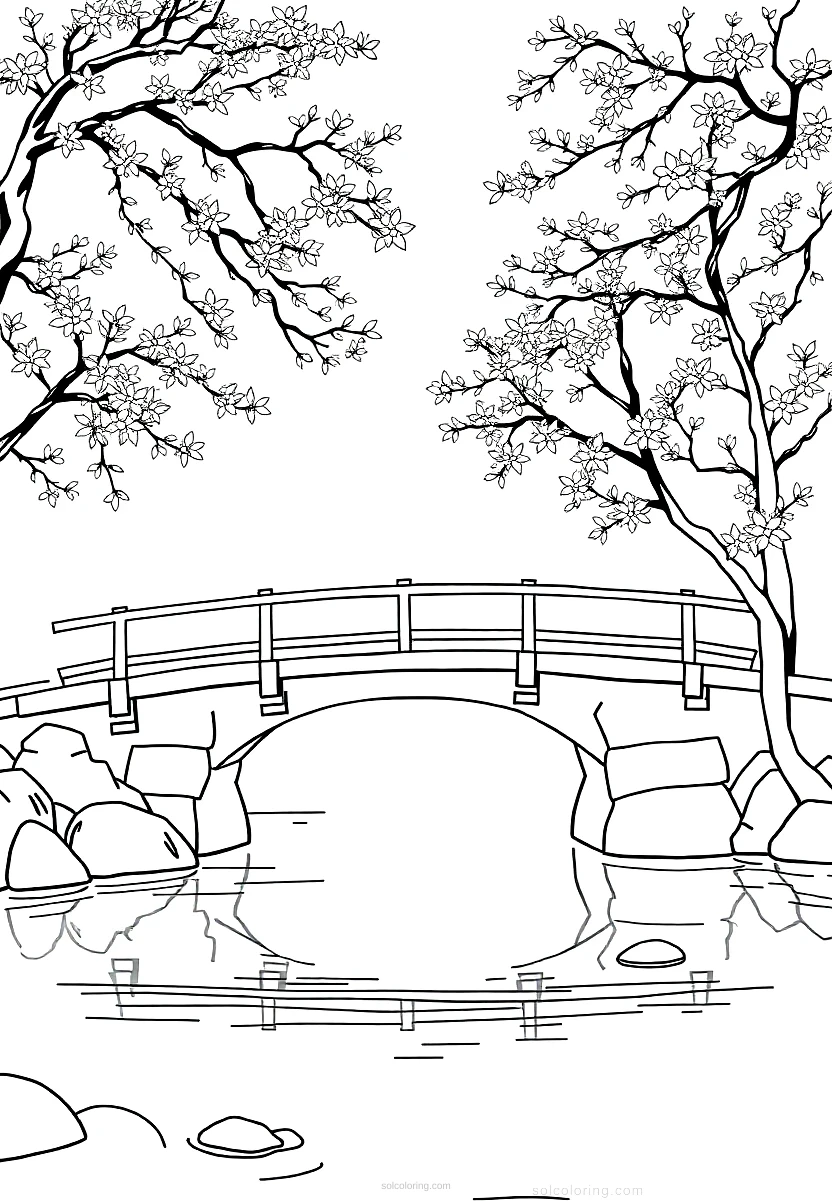
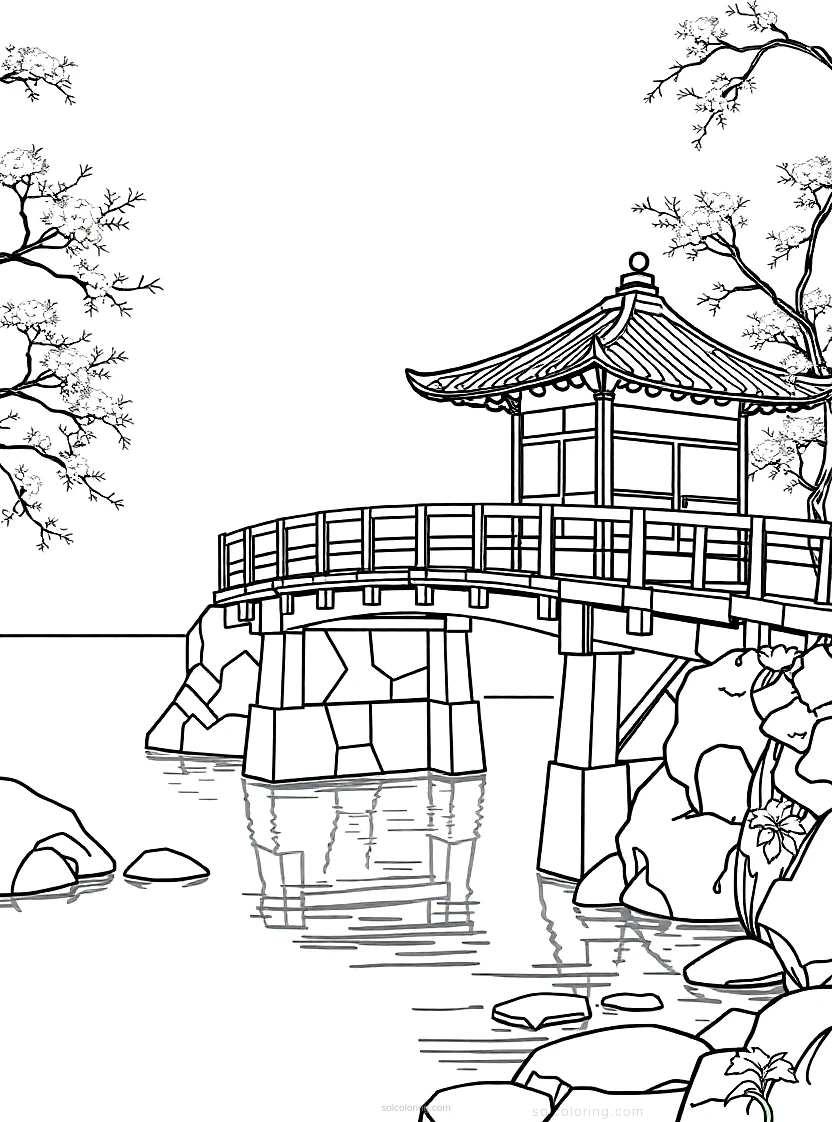
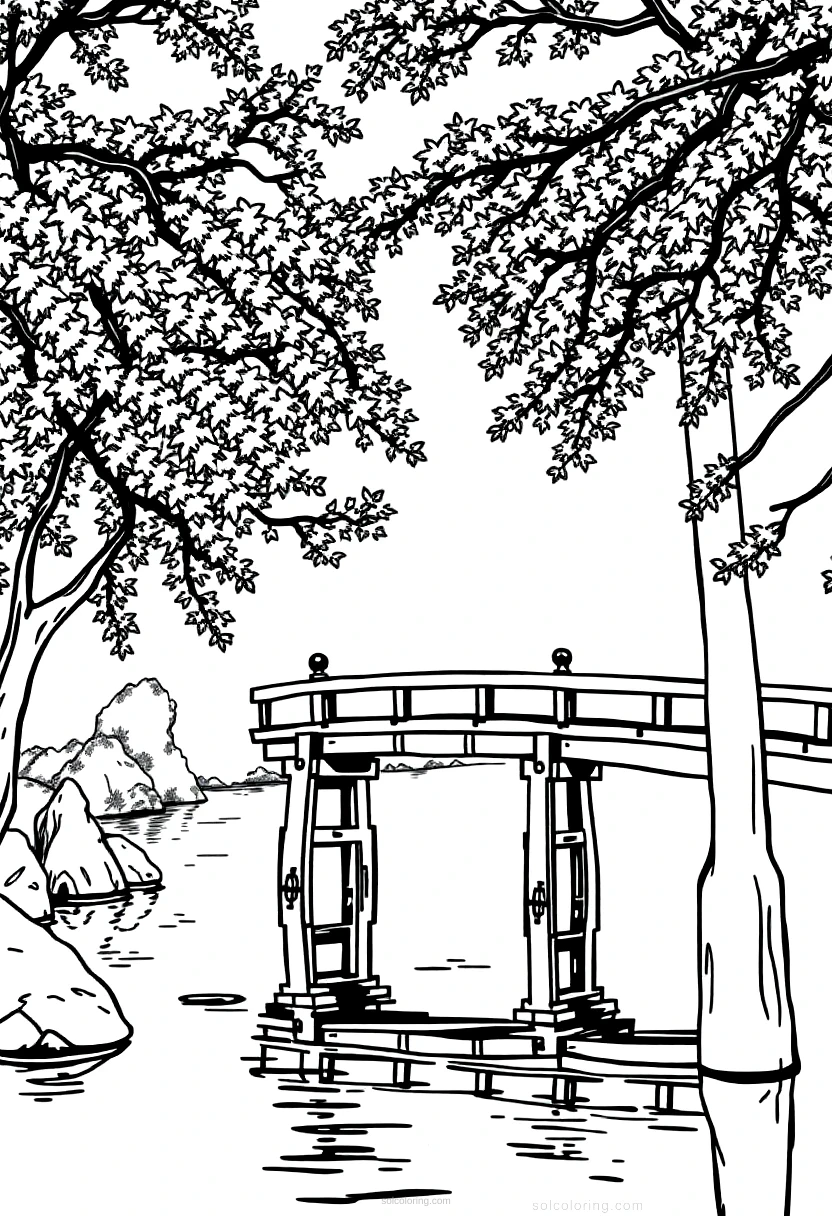
Japanese Bridge Over Water Coloring Pages
6 free printable designs including Standard, Standard, Standard, Standard and more.
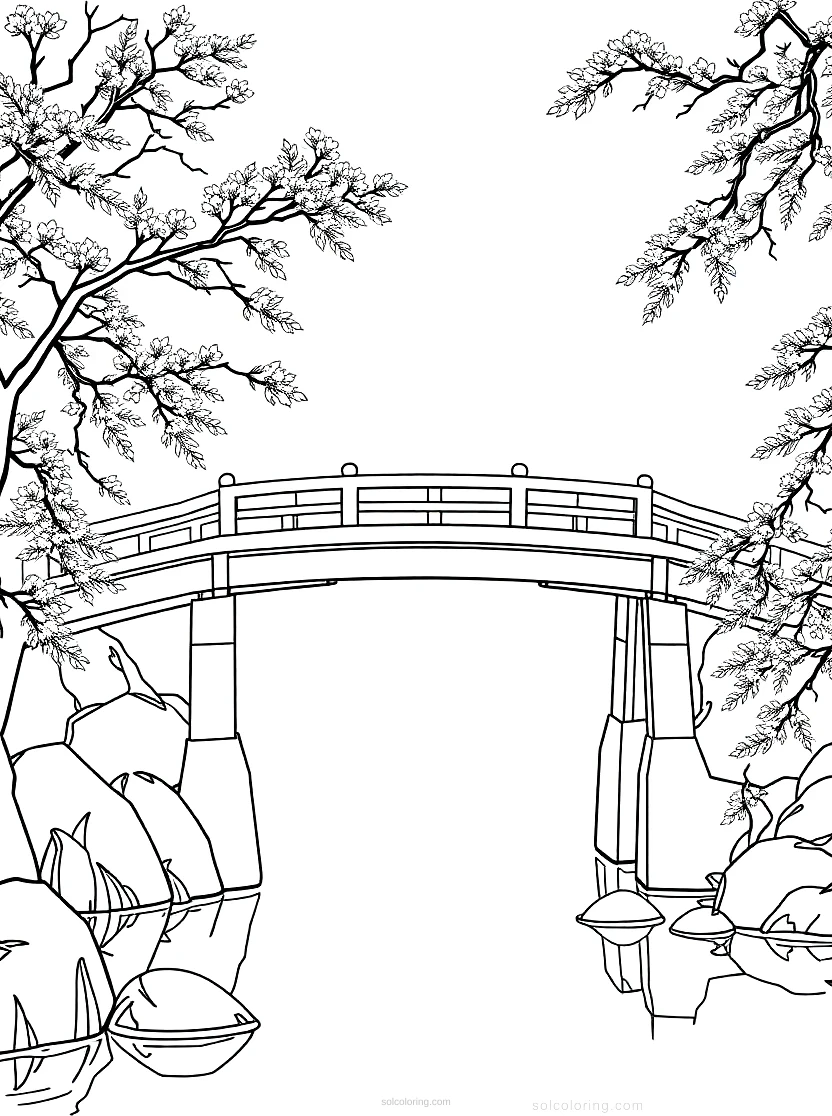
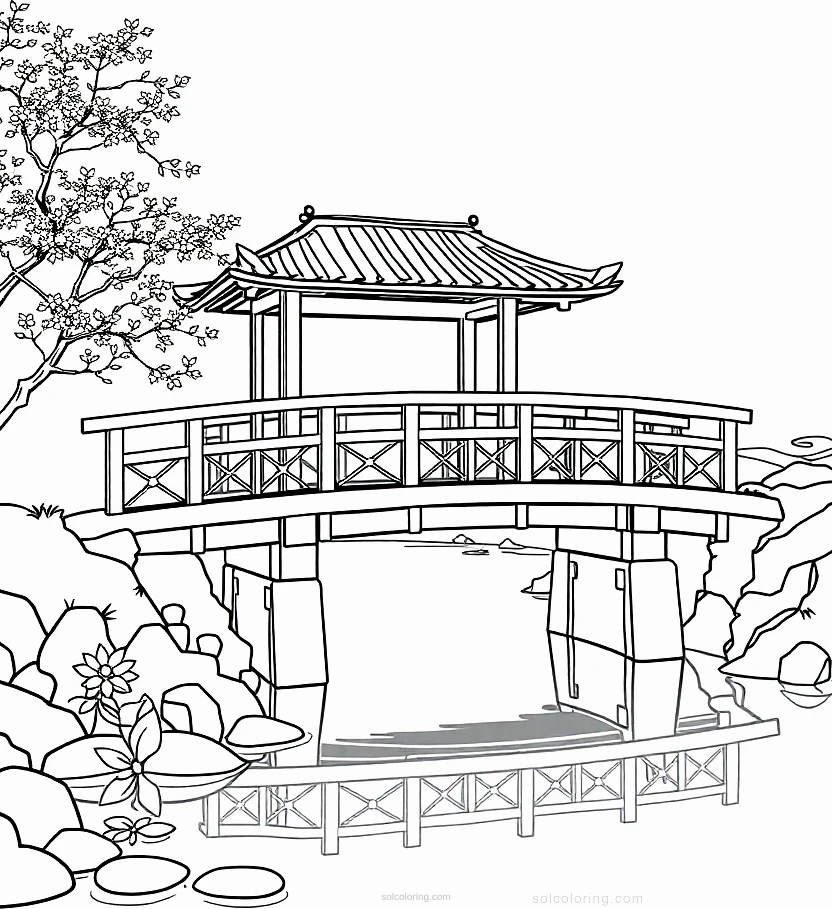
Japanese bridges over water have captivated artists and viewers for centuries, representing both natural beauty and human craftsmanship. These iconic structures became especially famous through Impressionist paintings that captured their graceful arches and reflections in shimmering water. Our free printable coloring page of a Japanese bridge invites you to explore the soft colors, flowing lines, and peaceful atmosphere that inspired great artists. Whether you love nature, art history, or simply relaxing creativity, this free printable coloring page offers hours of enjoyment while celebrating one of Japan's most beautiful architectural traditions.
Read more →Read less ↑
Choose a style
Did you know?
Fun facts about Japanese Bridge Over Water
Monet's Japanese Bridge in Giverny was covered with purple wisteria vines, creating stunning reflections in the water that he painted more than 20 times from different angles.
Japanese bridges traditionally have no railings on the sides, allowing people to see clearly into the water and emphasizing the connection between land and water.
The most famous curved wooden bridges in Japan can be over 300 years old and are still used daily by visitors walking through historical gardens.
Monet's obsession with his Japanese Bridge paintings became so intense that he hired five gardeners to maintain the bridge and surrounding garden year-round.
Traditional Japanese bridge designs influenced bridge construction worldwide, with arched bridges now found in gardens, parks, and public spaces across Europe, America, and Asia.
About Japanese Bridge Over Water
Which famous artist painted Japanese bridges that inspired Impressionism?
Claude Monet created his iconic Japanese Bridge series featuring a curved bridge in his Giverny garden. He painted the same bridge repeatedly under different lighting conditions and seasons, creating over 250 paintings total. These works became masterpieces of Impressionist art and remain world-famous today.
Why were Japanese bridges so important in Japanese culture?
Japanese bridges held spiritual and practical significance, symbolizing transitions between worlds and connecting communities. Built with traditional arched designs and natural materials, they reflected harmony with nature. Many bridges featured in poetry, paintings, and gardens, becoming integral to Japanese artistic and architectural heritage for centuries.
What makes the arched design of Japanese bridges special?
The distinctive arched design of Japanese bridges serves multiple purposes: it allows boats and water flow beneath, creates beautiful reflections in water, and distributes weight efficiently across the structure. This elegant curve became iconic and appears in gardens worldwide, symbolizing Japanese aesthetic principles of balance and simplicity.
How did Japanese bridges influence Western art and Impressionism?
Japanese prints and bridges fascinated European artists in the 1800s, leading to an art movement called Japonisme. Western artists like Monet incorporated Japanese aesthetic principles: soft colors, nature focus, and emphasis on light and reflection. Japanese bridges became symbols of exotic beauty that revolutionized how Western artists approached landscape painting.
What materials were traditional Japanese bridges made from?
Traditional Japanese bridges were constructed primarily from wood, stone, or bamboo, chosen for durability and natural beauty. Wooden arched bridges were most common in gardens and parks, while stone bridges appeared in larger landscape settings. These materials allowed bridges to age gracefully, developing weathered patinas that enhanced their artistic appeal over time.
Are there still famous Japanese bridges you can visit today?
Yes, many historic Japanese bridges still stand, including the Togetsukyo Bridge in Kyoto and bridges in traditional gardens worldwide. Monet's Japanese Bridge in Giverny, France, remains one of the most visited artistic landmarks. These bridges attract millions of visitors who come to experience the same views that inspired famous Impressionist paintings.
More Impressionism coloring pages
Coloring page FAQs
Are these Japanese Bridge Over Water coloring pages free?
Yes, absolutely! All our Japanese Bridge Over Water coloring pages are completely free to download and print. No subscription, membership, or hidden costs required. Simply visit our website, select your favorite design, and print as many copies as you like on standard A4 or Letter paper.
What age are these Japanese Bridge Over Water coloring pages for?
Our Japanese Bridge Over Water coloring pages are designed for ages 8 to 14, offering various difficulty levels. Younger kids enjoy simpler designs with larger spaces, while older children appreciate more detailed versions with intricate patterns and architectural elements to color.
How do I print these Japanese Bridge Over Water coloring pages?
Printing is simple and requires no signup. Download the PDF, open it on your computer, and click print. Choose A4 or Letter paper size depending on your region. Use any home printer, select your preferred color settings, and you're ready to start coloring instantly.