Impressionism
Wheat Field With Cypress Coloring Pages
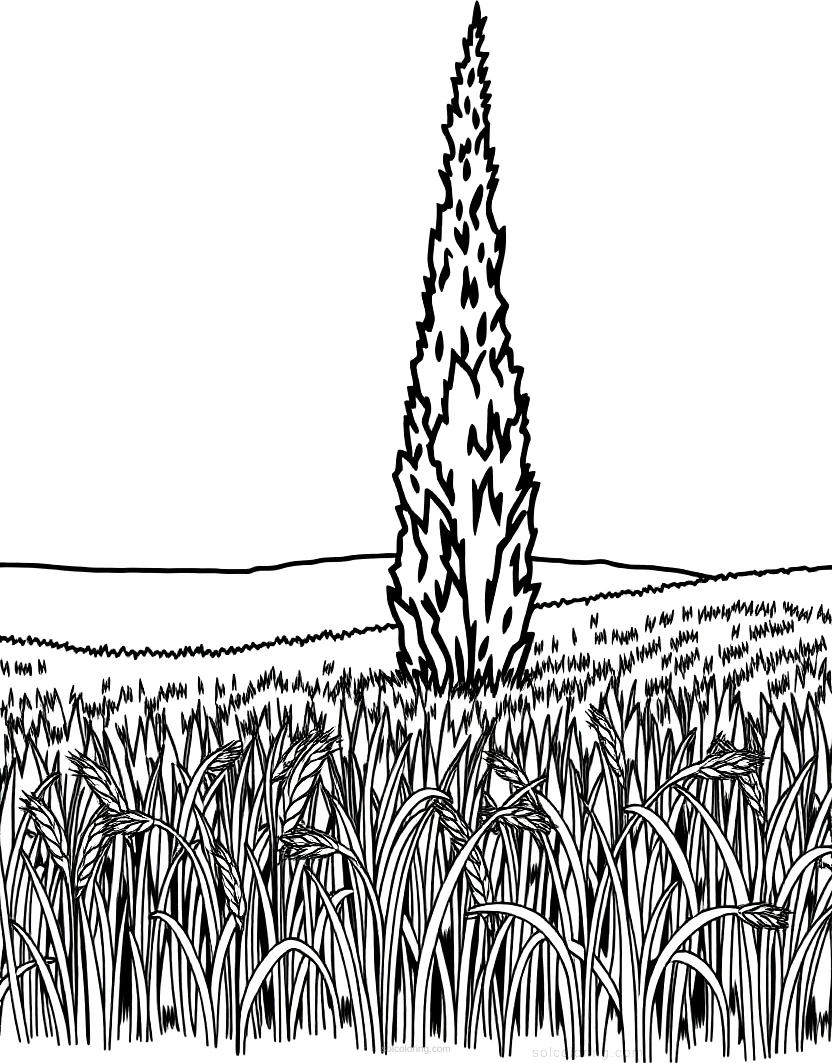
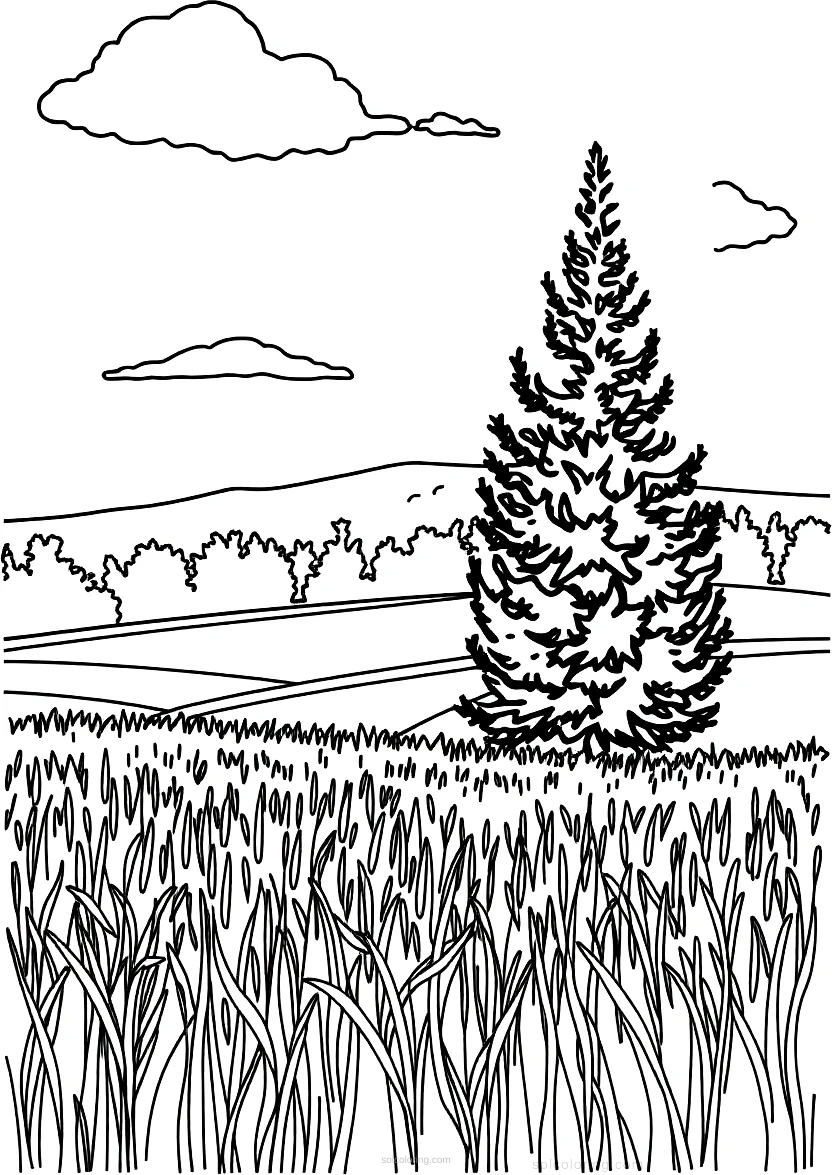
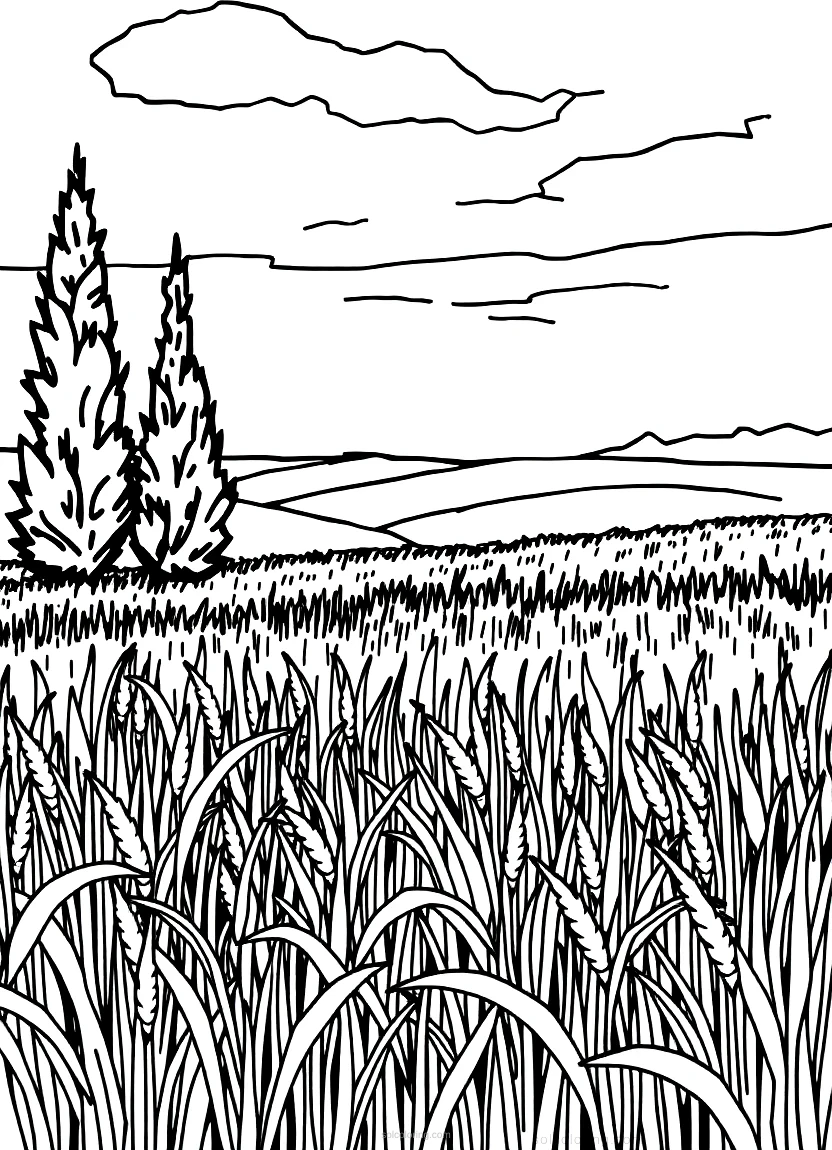
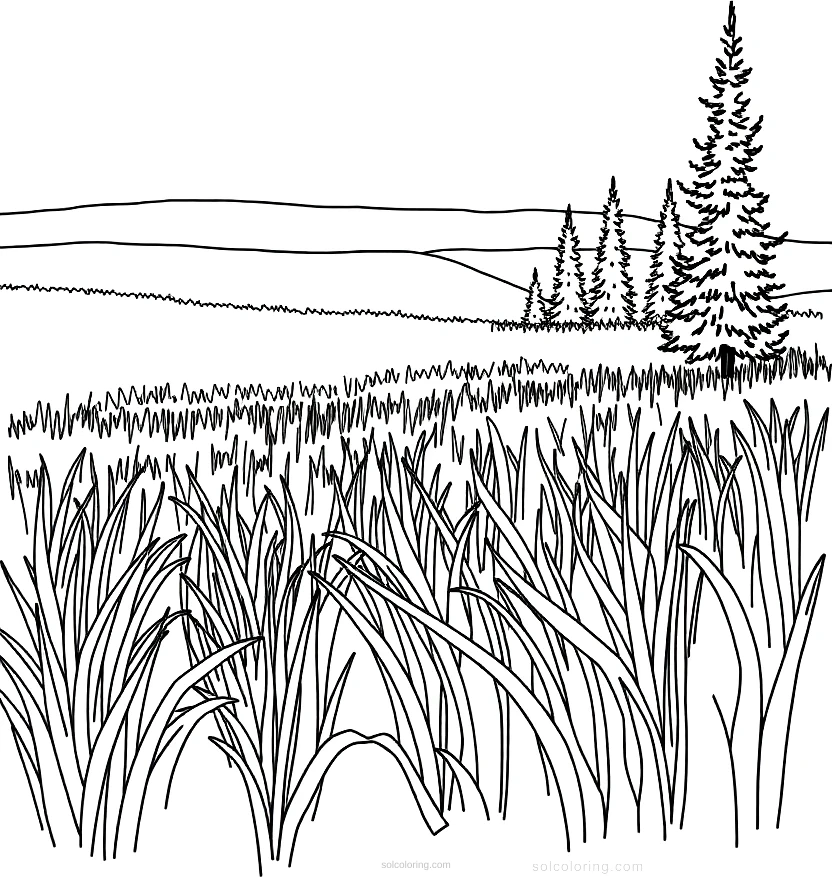
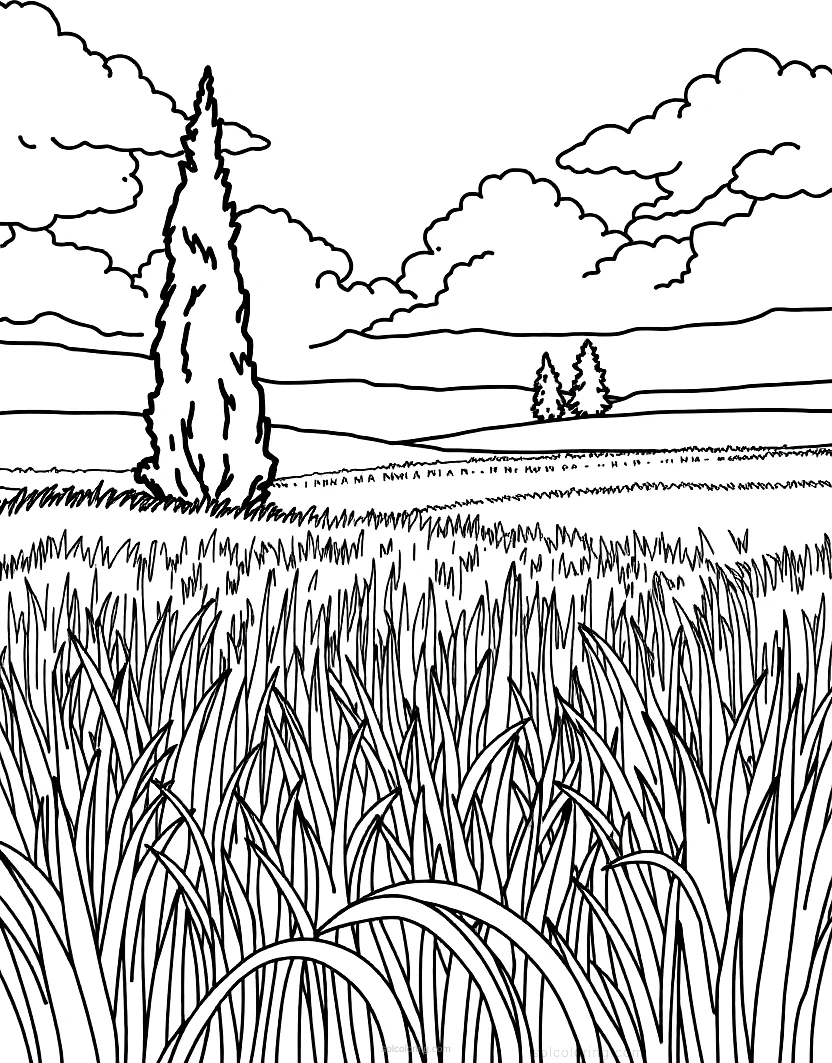
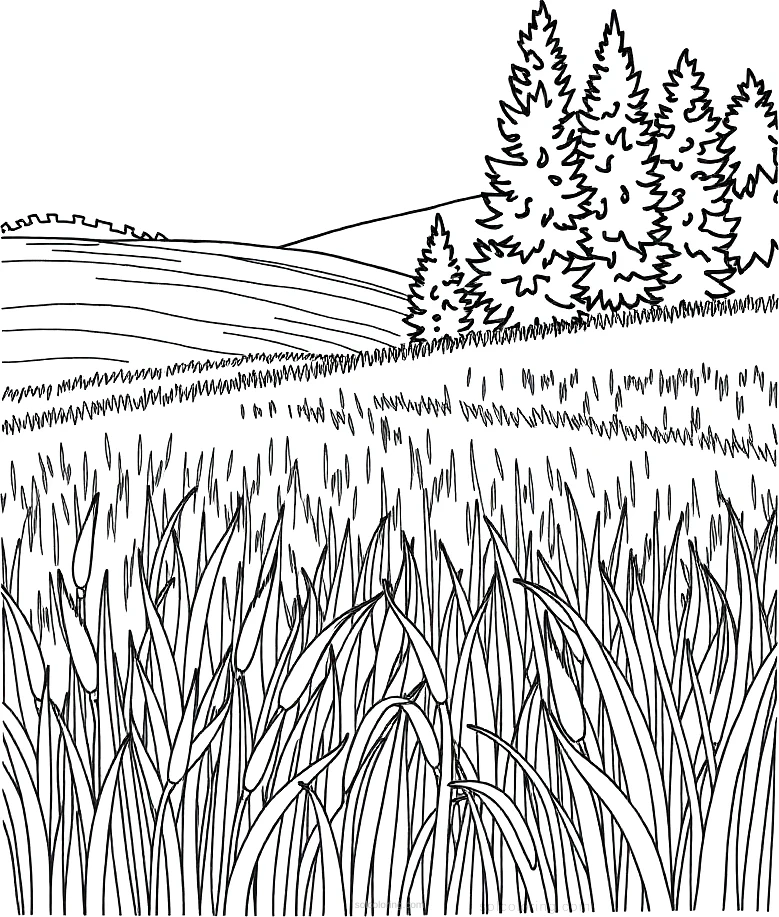
6 free printable designs including Standard, Standard, Standard, Standard and more.
Vincent van Gogh's 'Wheat Field With Cypress' captures the wild beauty of the French countryside with swirling brushstrokes and vibrant colors that seem to dance across the canvas. Painted in 1889 during his stay at the Saint-Rémy asylum, this masterpiece shows van Gogh's unique Impressionist style, where golden wheat fields stretch beneath a turbulent sky while dark cypress trees reach dramatically upward. The painting demonstrates how Impressionist artists captured not just what they saw, but how they felt about nature's power and beauty. Our free printable coloring page lets you explore van Gogh's incredible composition and experiment with your own color choices. Whether you use traditional yellows and blues or create your own interpretation, this free printable coloring page offers a wonderful way to connect with one of history's most beloved artists.
Read more →Read less ↑
Choose a style
Did you know?
Fun facts about Wheat Field With Cypress
Van Gogh painted three different versions of Wheat Field With Cypress, each with slightly different colors and compositions.
The cypress trees in the painting were visible from van Gogh's asylum window, inspiring him to paint them repeatedly during his stay.
Van Gogh used so much paint that the artwork's surface is raised with thick brushstrokes you can actually feel when touching the canvas.
This painting was created during van Gogh's most productive year, when he completed a new artwork almost every other day.
The swirling sky technique van Gogh used here would later inspire his most famous work, 'The Starry Night,' painted just two months later.
About Wheat Field With Cypress
When did van Gogh paint Wheat Field With Cypress?
Van Gogh painted this masterpiece in September 1889 while staying at the Saint-Rémy-de-Provence asylum in France. He created it during one of his most productive periods, completing nearly 150 paintings in just over a year there.
What do the cypress trees represent in van Gogh's painting?
Van Gogh saw cypress trees as symbols connecting earth to heaven, like dark flames reaching skyward. He was fascinated by their dramatic shapes and painted them in over a dozen works during his time in southern France.
What painting techniques make this artwork special?
Van Gogh used thick, swirling brushstrokes called 'impasto' to create texture and movement. The paint was applied so thickly that you can still see the brush marks today, making the wheat and sky appear to dance with energy.
Where can you see the original Wheat Field With Cypress today?
The original painting is housed in the National Gallery in London, England. Van Gogh actually painted three versions of this scene, with the others located in New York's Metropolitan Museum of Art and a private collection.
Why did van Gogh choose this particular landscape to paint?
Van Gogh was drawn to the dramatic contrast between the golden wheat fields and dark cypress trees near Saint-Rémy. He loved how the landscape changed throughout the day and seasons, providing endless inspiration for his art.
How does this painting show van Gogh's mental state?
The swirling, energetic brushstrokes and intense colors reflect van Gogh's emotional turbulence during his asylum stay. Yet the organized composition and beautiful colors also show his incredible artistic control and hope for the future.
More Impressionism coloring pages



Coloring page FAQs
Are these Wheat Field With Cypress coloring pages free?
Yes! All our Wheat Field With Cypress coloring pages are completely free to download and print. No payment, subscription, or hidden fees required.
What age are these Wheat Field With Cypress coloring pages for?
Our coloring pages work great for ages 8 to 14, with varying detail levels. Younger kids can focus on larger areas while teens can work on intricate brushstroke details.
How do I print these Wheat Field With Cypress coloring pages?
Simply click download, then print on standard A4 or Letter paper using any home printer. No account signup needed, just instant access to start coloring.