
Modern Art
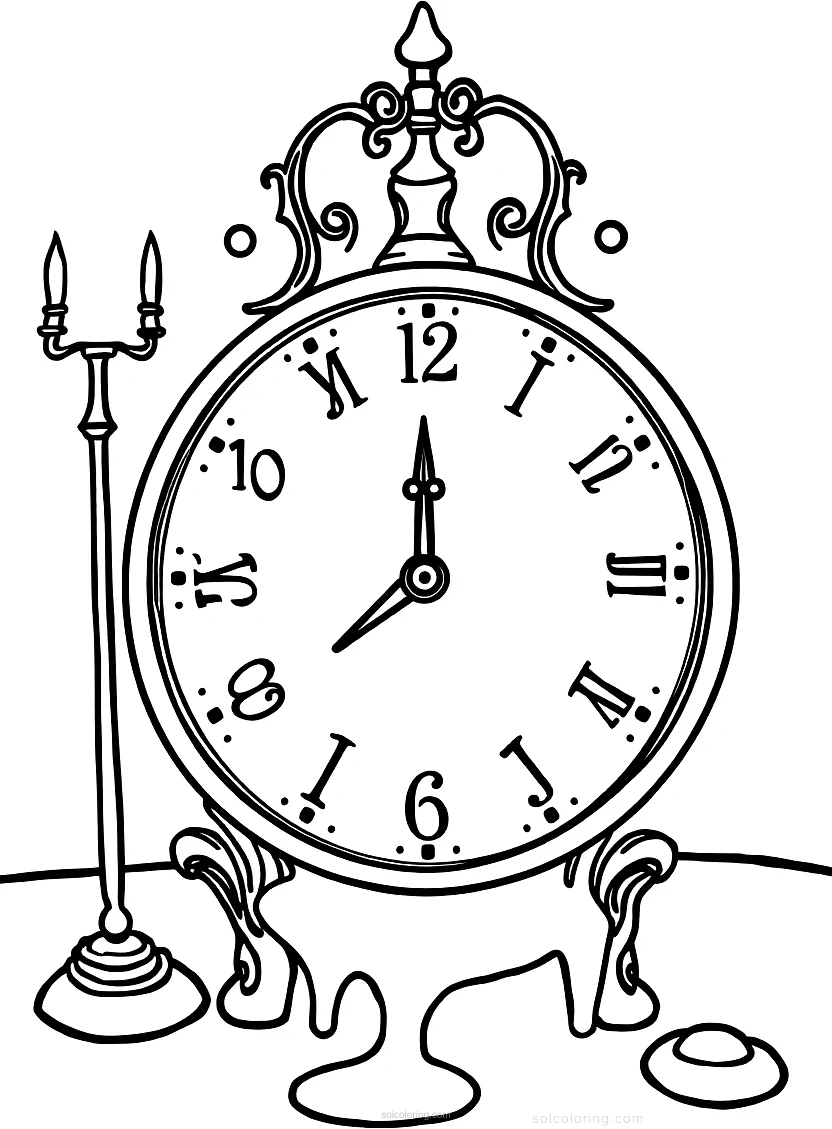
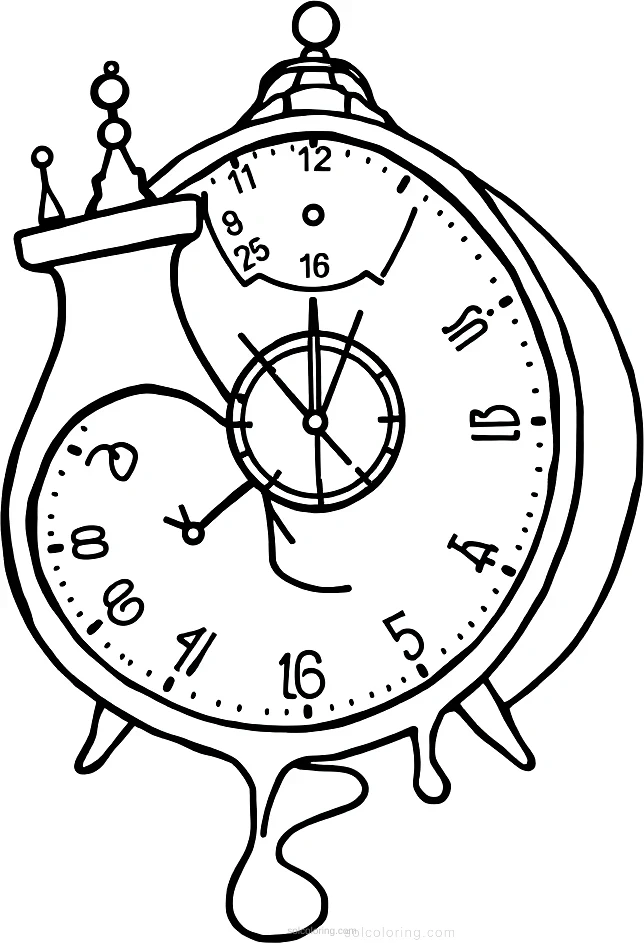
Dali Melting Clocks Coloring Pages
6 free printable designs including Standard, Standard, Standard, Standard and more.
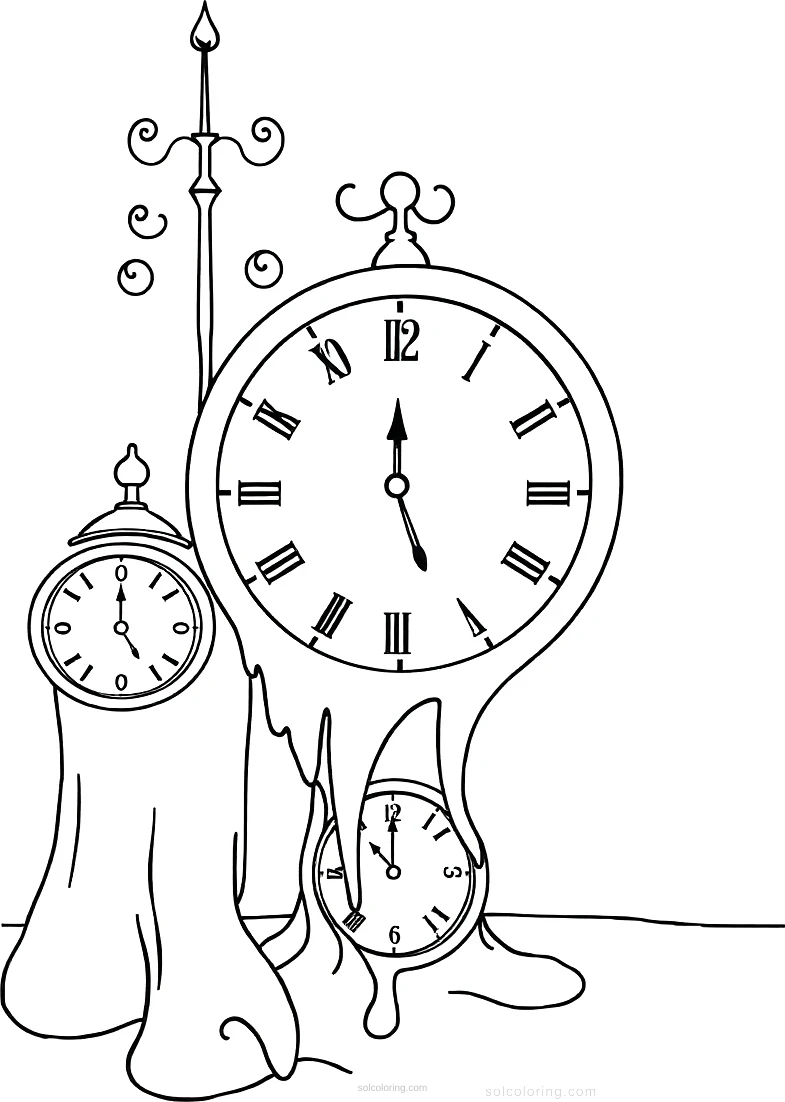
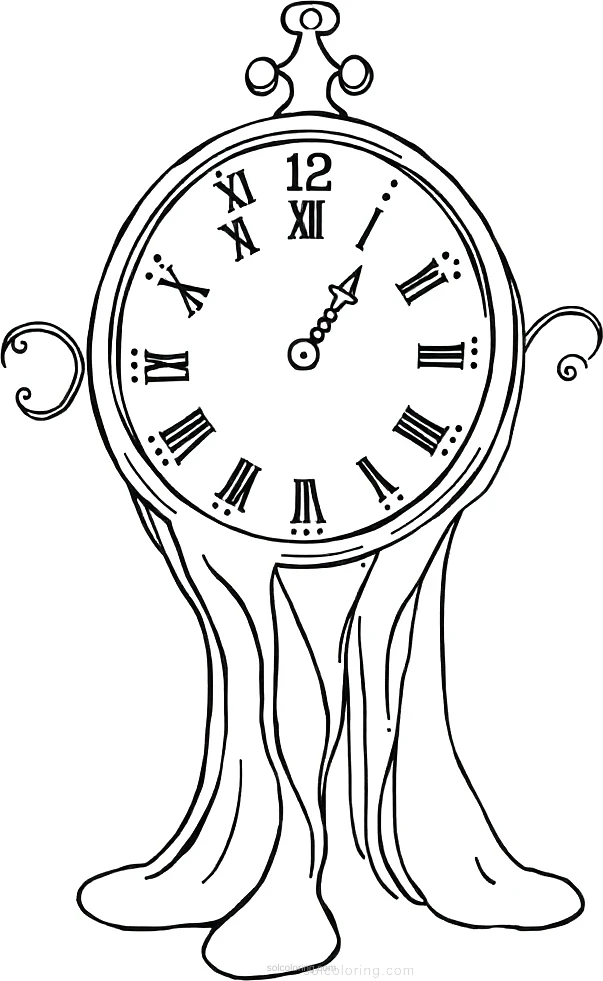
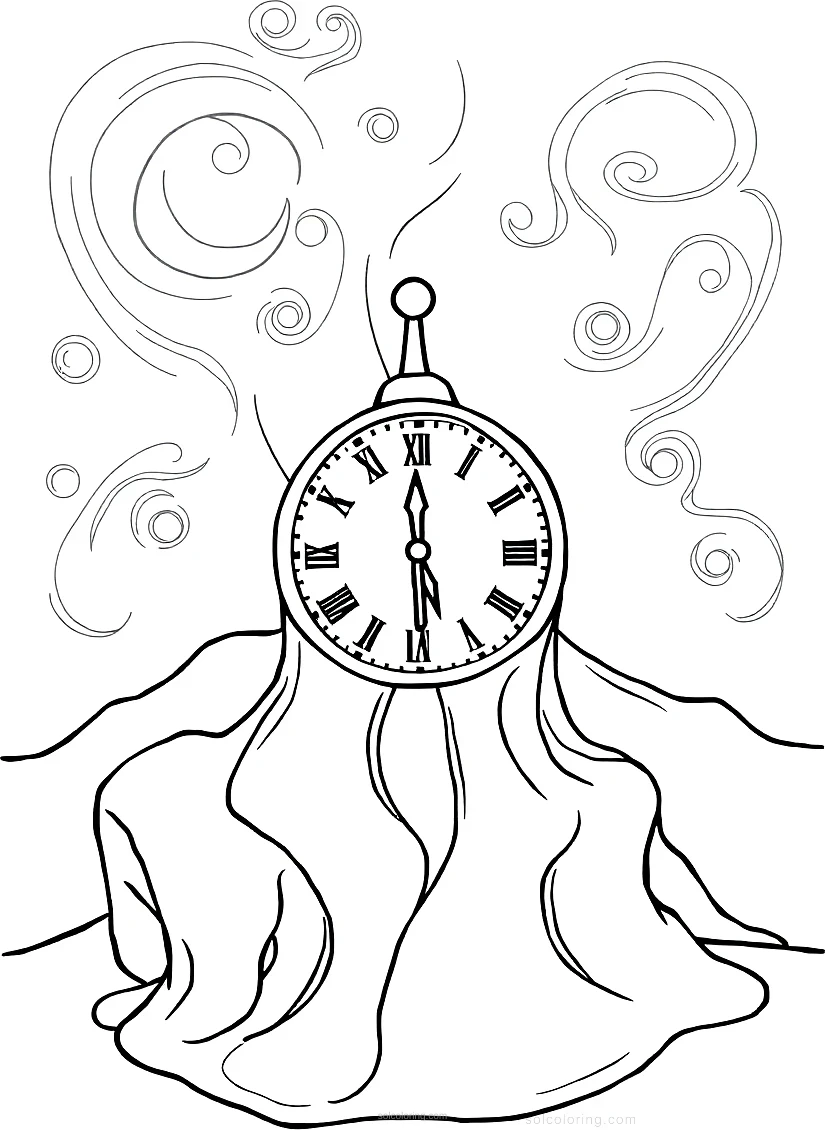
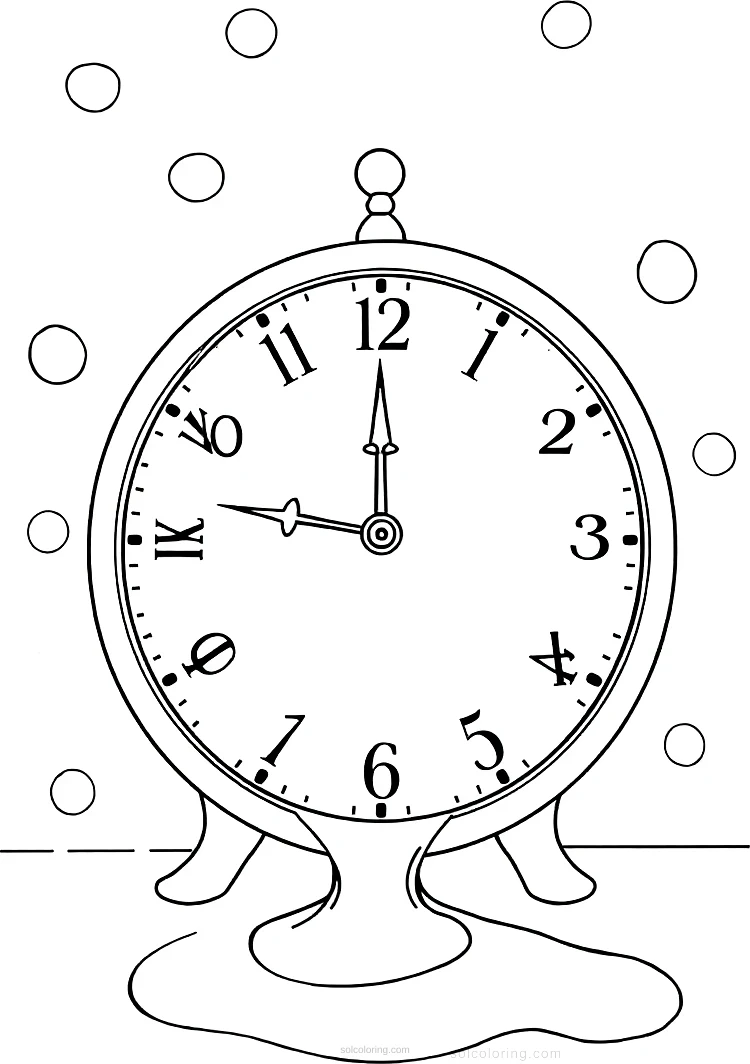
Salvador Dali's melting clocks from 'The Persistence of Memory' are among the most recognizable images in modern art. These drooping timepieces, painted in 1931, challenge our understanding of time and reality through surrealism's dreamlike vision. Dali's soft watches appear to melt like cheese in the Spanish heat, creating a haunting landscape that questions whether time is as solid as we think. The painting's desert setting and strange atmosphere have inspired countless artists and thinkers. Our free printable coloring page lets you explore Dali's masterpiece with your own creative interpretation. Color these iconic melting clocks and discover how this free printable coloring page brings surreal art into your hands.
Read more →Read less ↑
Choose a style
Did you know?
Fun facts about Dali Melting Clocks
Salvador Dali painted 'The Persistence of Memory' in just one afternoon while his wife was at the movies.
The melting clocks were inspired by Dali watching Camembert cheese melt in the hot Spanish sun.
The original painting is only about the size of a piece of paper, measuring 24 by 33 centimeters.
Dali called his melting clocks 'the camembert of time and space' because of their cheese-like drooping appearance.
The dead tree branch in the painting came from an olive tree in Dali's garden at his home in Catalonia, Spain.
About Dali Melting Clocks
What inspired Salvador Dali to paint melting clocks?
Dali got the idea from watching Camembert cheese melt in the hot Spanish sun. He wanted to show that time isn't fixed but can be soft and flexible, like the cheese melting on his dinner table that summer evening.
What does 'The Persistence of Memory' actually mean?
The title suggests that memory lasts longer than time itself. While clocks measure moments that pass quickly, our memories of those moments can stretch and bend, lasting much longer than the actual events they remember.
Where can you see the original melting clocks painting today?
The original 'Persistence of Memory' hangs in the Museum of Modern Art (MoMA) in New York City. The painting is surprisingly small, measuring only 24 by 33 centimeters, about the size of a sheet of paper.
What art movement do Dali's melting clocks represent?
The melting clocks are a perfect example of Surrealism, an art movement that explored dreams and the unconscious mind. Surrealists like Dali painted impossible scenes that looked real but defied logic and natural laws.
How long did it take Dali to paint the melting clocks?
Salvador Dali completed 'The Persistence of Memory' in just a few hours on August 1931. He painted the melting clocks quickly while his wife Gala was at the movies, finishing before she returned home.
Why did Dali choose clocks as his subject for this painting?
Dali was fascinated by Einstein's theory of relativity, which showed that time can stretch and compress. He chose clocks because they're symbols of precise, mechanical time, then made them soft to show time's true flexible nature.
More Modern Art coloring pages
Coloring page FAQs
Are these Dali Melting Clocks coloring pages free?
Yes! All our Dali Melting Clocks coloring pages are completely free to download and print. No payment or subscription required to access these artistic designs.
What age are these Dali Melting Clocks coloring pages for?
These coloring pages work great for ages 8 to 14 and art-loving adults. The flowing clock shapes offer both simple and detailed areas for different skill levels.
How do I print these Dali Melting Clocks coloring pages?
Simply download the PDF files and print on standard A4 or Letter paper using any home printer. No account signup needed, just click and print!