Scientists
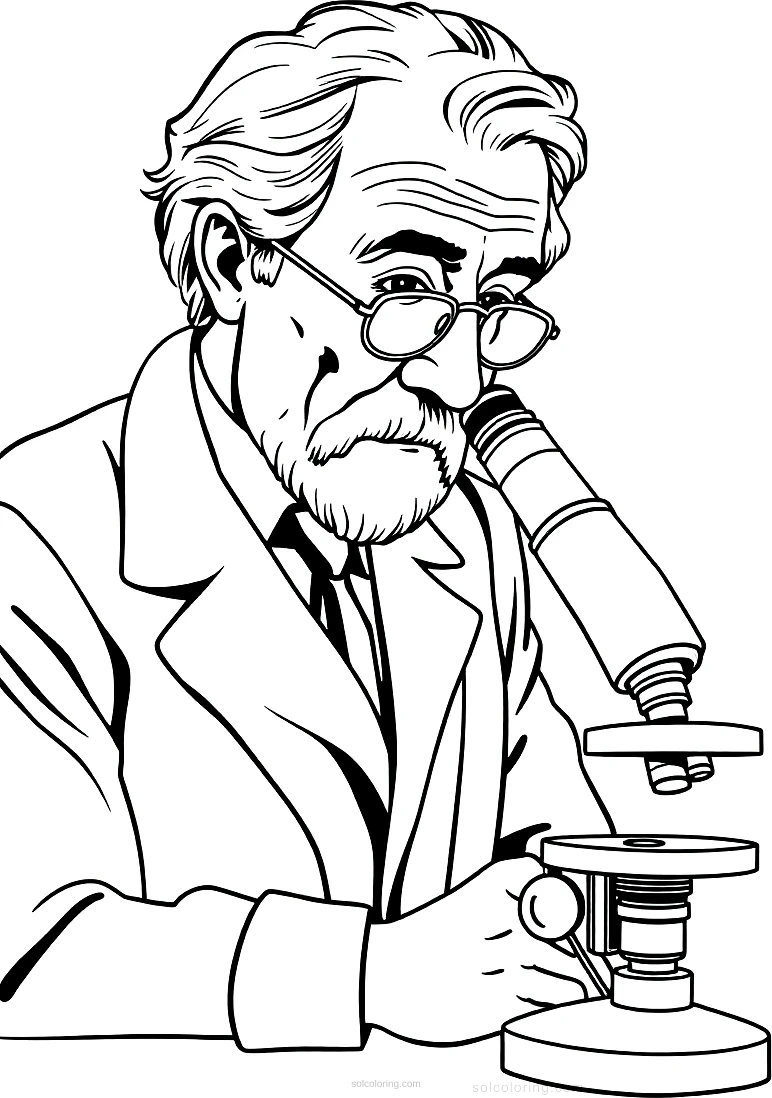
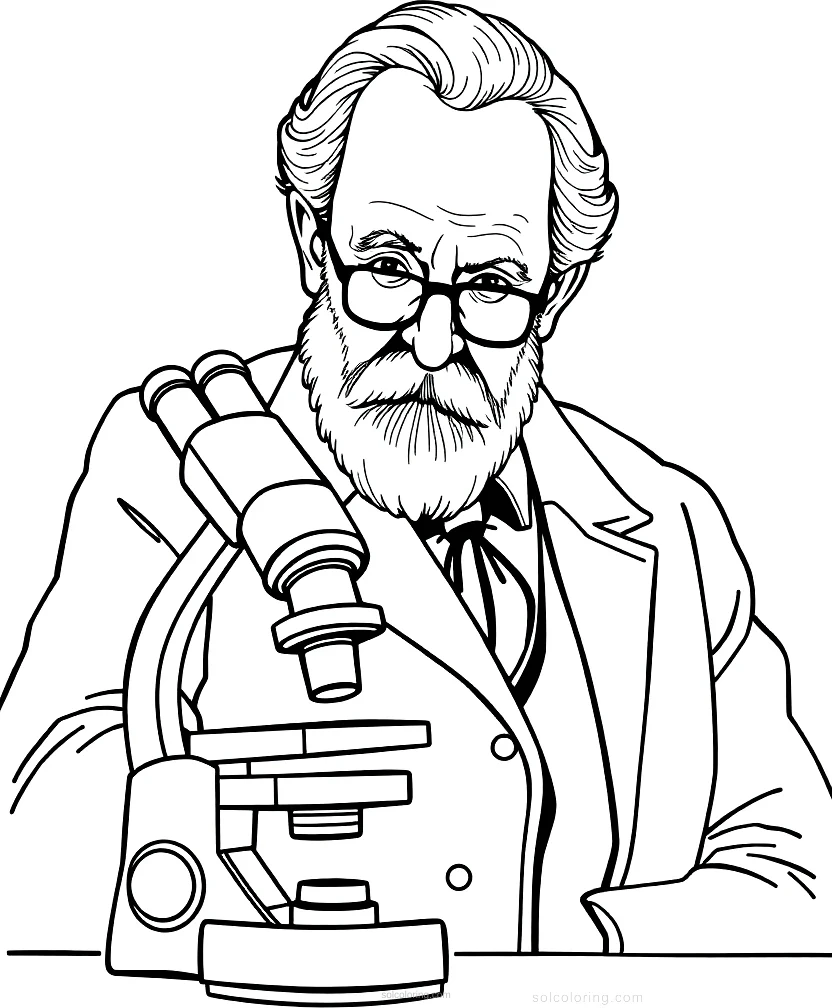
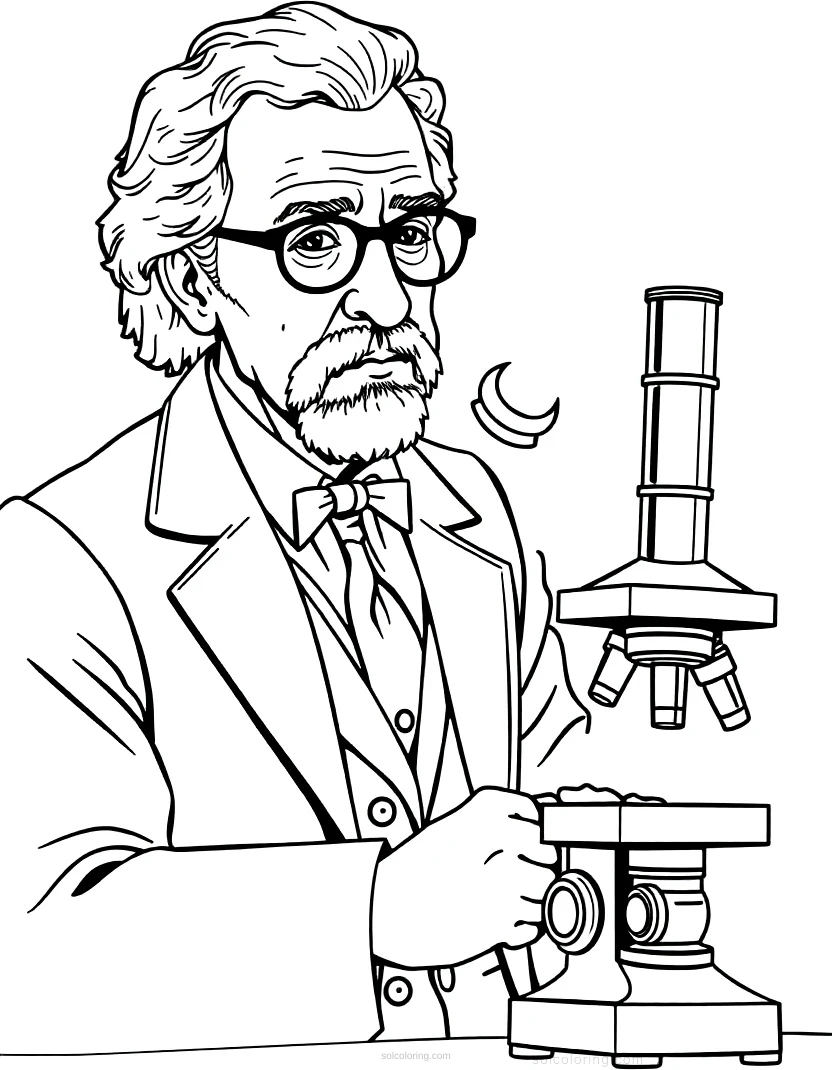
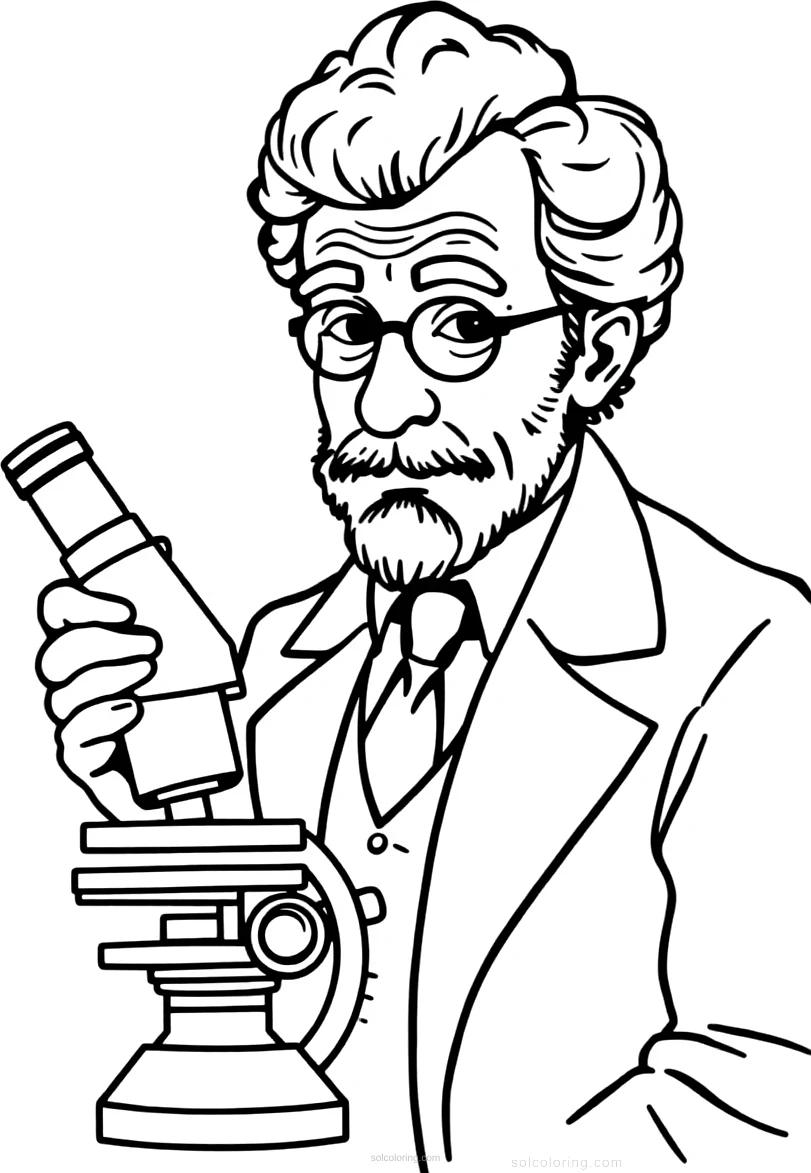
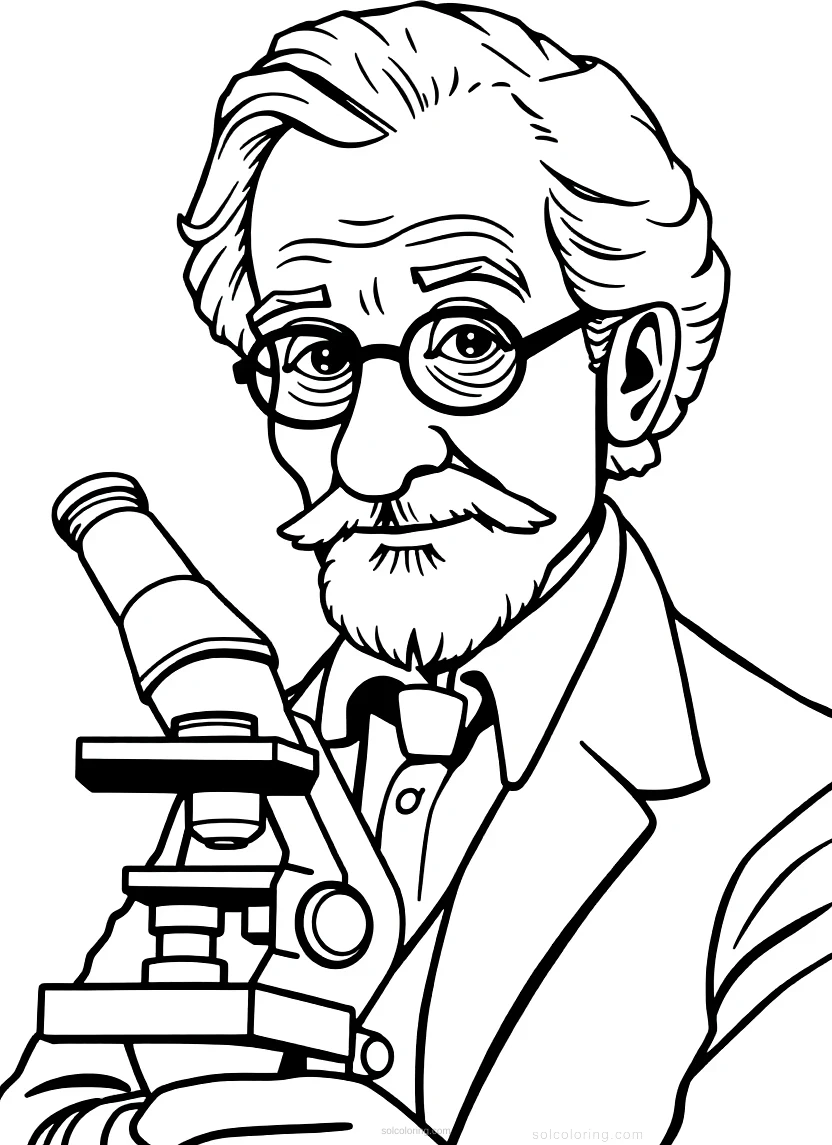
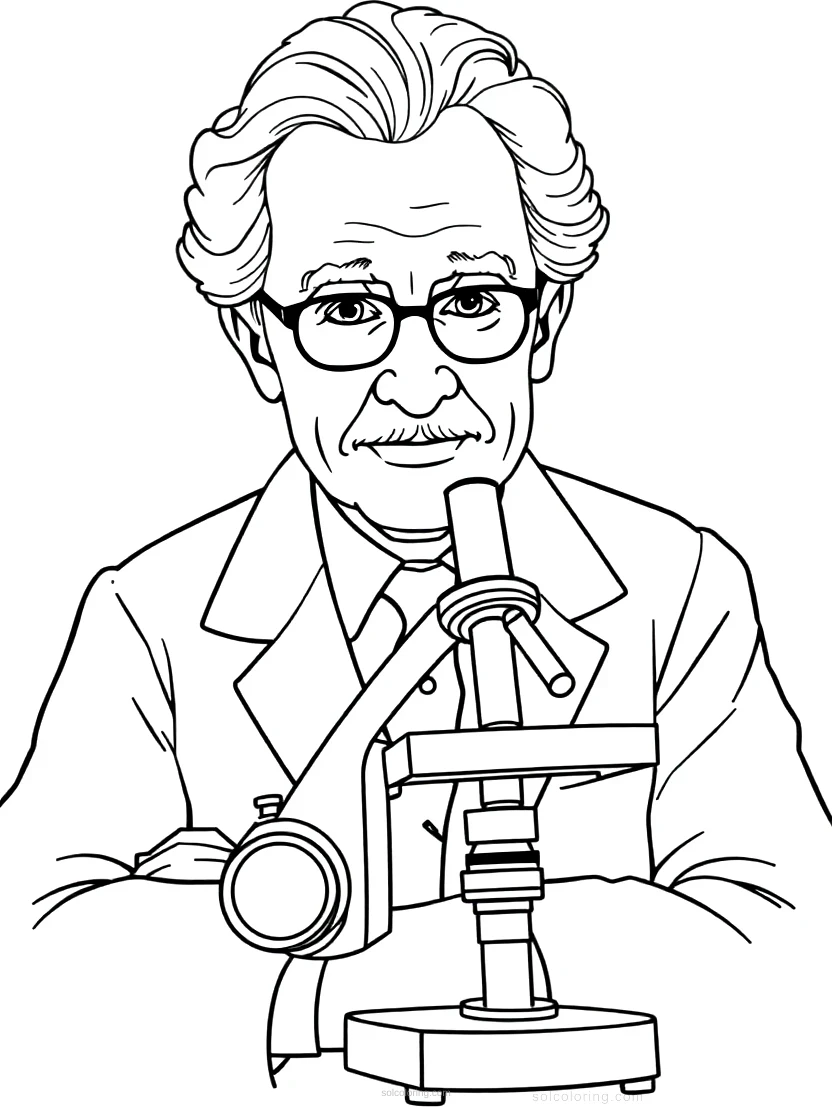
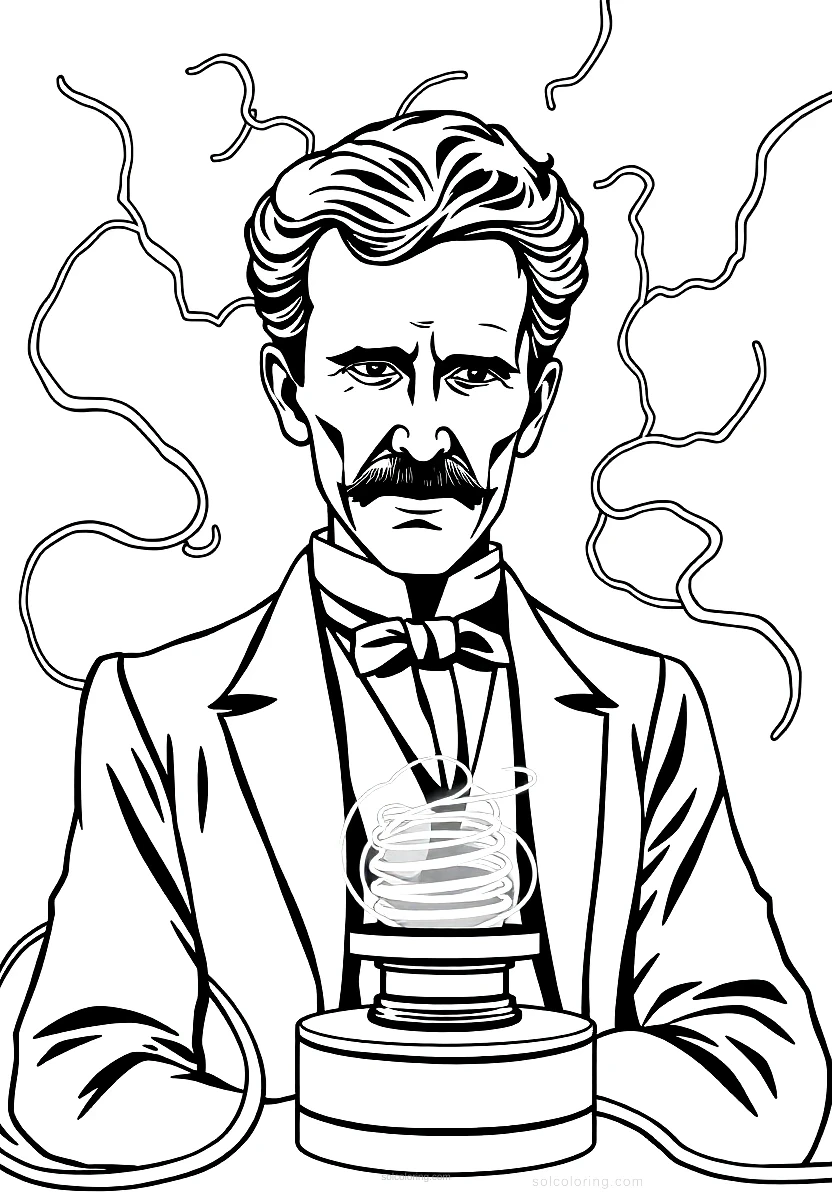
Alexander Fleming With Microscope Coloring Pages
6 free printable designs including Standard, Standard, Standard, Standard and more.
Alexander Fleming was a Scottish scientist who changed medicine forever when he discovered penicillin in 1928. This groundbreaking discovery happened almost by accident in his laboratory, and it led to the first antibiotic that could cure bacterial infections. Fleming's work has saved millions of lives around the world. Our free printable coloring page of Alexander Fleming with his microscope is perfect for kids who love science and history. Color this inspiring scientist and learn about one of the greatest discoveries in medical history while enjoying our free printable coloring page.
Read more →Read less ↑
Choose a style
Did you know?
Fun facts about Alexander Fleming With Microscope
Alexander Fleming discovered penicillin completely by accident when he returned from a two-week vacation to find contaminated bacterial culture plates in his laboratory.
Fleming was so messy that colleagues joked his untidy lab bench was perfect for growing molds, and this disorganization actually helped him notice the penicillin mold.
It took more than a decade after Fleming's discovery for scientists to figure out how to extract and purify penicillin enough to use as medicine.
Fleming was nicknamed the 'Father of Antibiotics' because his discovery opened the door for developing dozens of other life-saving medicines.
Before penicillin, soldiers who suffered minor wounds during wars often died from infections, but Fleming's discovery saved countless military lives in World War II and beyond.
About Alexander Fleming With Microscope
What did Alexander Fleming discover that made him famous?
Alexander Fleming discovered penicillin in 1928 when he noticed a mold called Penicillium notatum growing on a bacterial culture plate. This mold killed the bacteria around it, creating the first antibiotic. This accidental discovery revolutionized medicine and has saved countless millions of lives worldwide from bacterial infections.
Was Fleming's discovery of penicillin really an accident?
Yes, Fleming discovered penicillin by accident. He returned from vacation to find his laboratory cultures contaminated with mold. Instead of throwing them away, Fleming examined them closely and noticed the mold killed surrounding bacteria. His curiosity and careful observation turned a mistake into one of history's greatest medical breakthroughs.
Why was Fleming's discovery so important to medicine?
Before penicillin, even small cuts or minor infections could be fatal because there were no antibiotics. Fleming's discovery gave doctors a powerful tool to fight bacterial infections. Penicillin became the foundation for treating diseases like pneumonia, strep throat, and infected wounds, saving millions of lives.
What was Fleming's early life and education like?
Alexander Fleming was born in Scotland in 1881 on a remote farm. He showed early interest in science and studied medicine at St. Mary's Hospital Medical School in London. His practical nature and curiosity about bacteria led him to pursue research in microbiology throughout his career.
How did Fleming's work change the treatment of diseases?
Penicillin transformed medical practice entirely. Before antibiotics, doctors could only treat symptoms of bacterial infections. After Fleming's discovery, they could actually kill the bacteria causing illness. This made surgeries safer, infections survivable, and led to the development of many other life-saving antibiotics.
Did Fleming receive recognition for his important discovery?
Yes, Fleming received tremendous recognition. He was knighted in 1944 and shared the Nobel Prize in Physiology or Medicine in 1945 with two colleagues who helped develop penicillin for medical use. He remains one of history's most celebrated scientists for his contribution to human health.
More Scientists coloring pages


Coloring page FAQs
Are these Alexander Fleming With Microscope coloring pages free?
Yes, all of our Alexander Fleming coloring pages are completely free to download and print from Sol Coloring. No signup, no hidden fees, and no watermarks. Just click, print, and start coloring this inspiring scientist right away.
What age are these Alexander Fleming With Microscope coloring pages for?
These coloring pages work great for kids ages 8 to 14 and adults too. We offer different detail levels, so beginners can enjoy simple designs while older kids and adults can tackle more intricate versions with extra detail.
How do I print these Alexander Fleming With Microscope coloring pages?
Printing is super easy. Download the PDF, open it on your computer, and print on standard A4 or Letter paper using any home printer. No special settings needed. You can also adjust the size before printing if you prefer.