Scientists
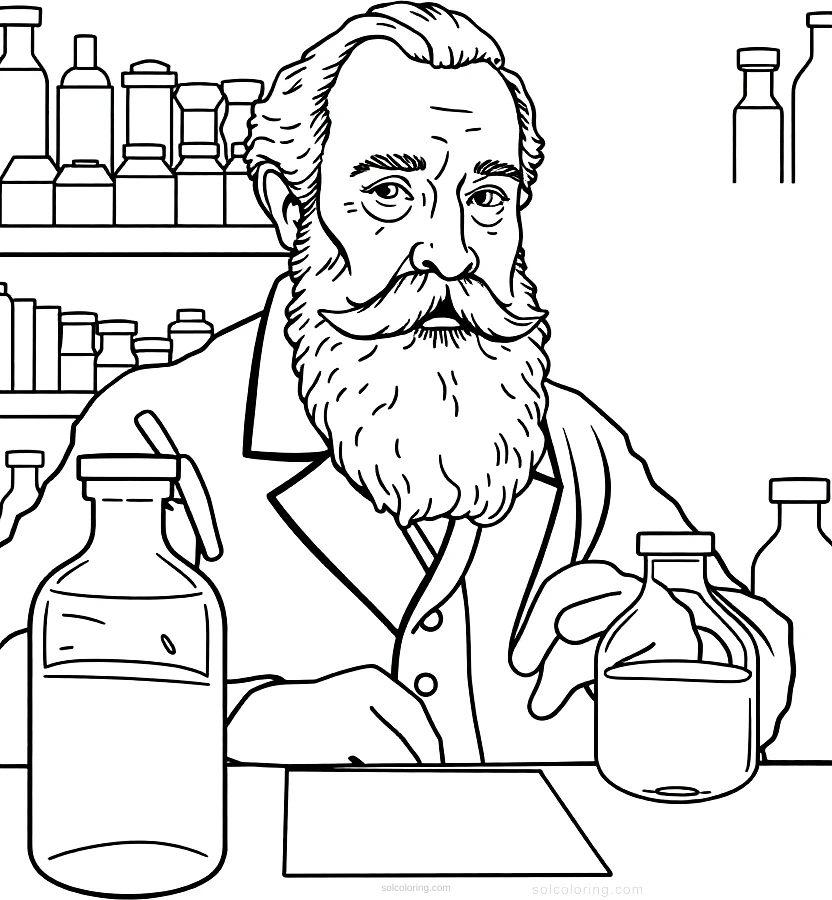
Louis Pasteur in Medical Laboratory Coloring Page
Standard style
About this coloring page
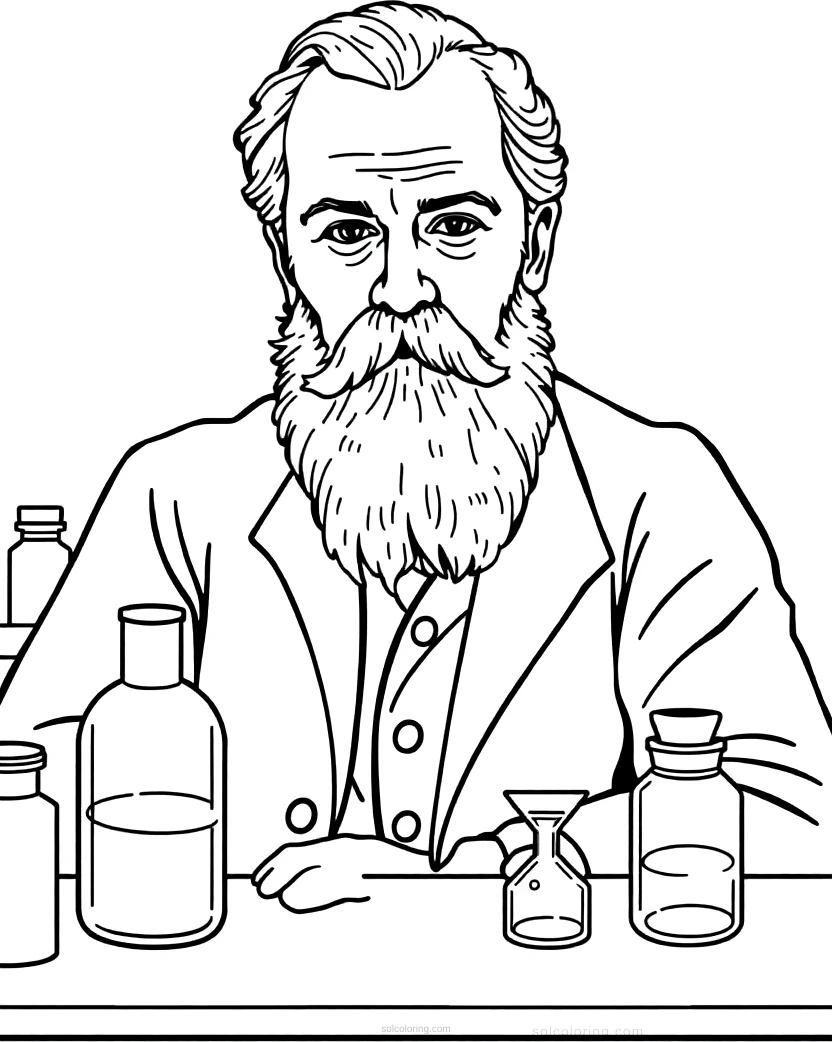
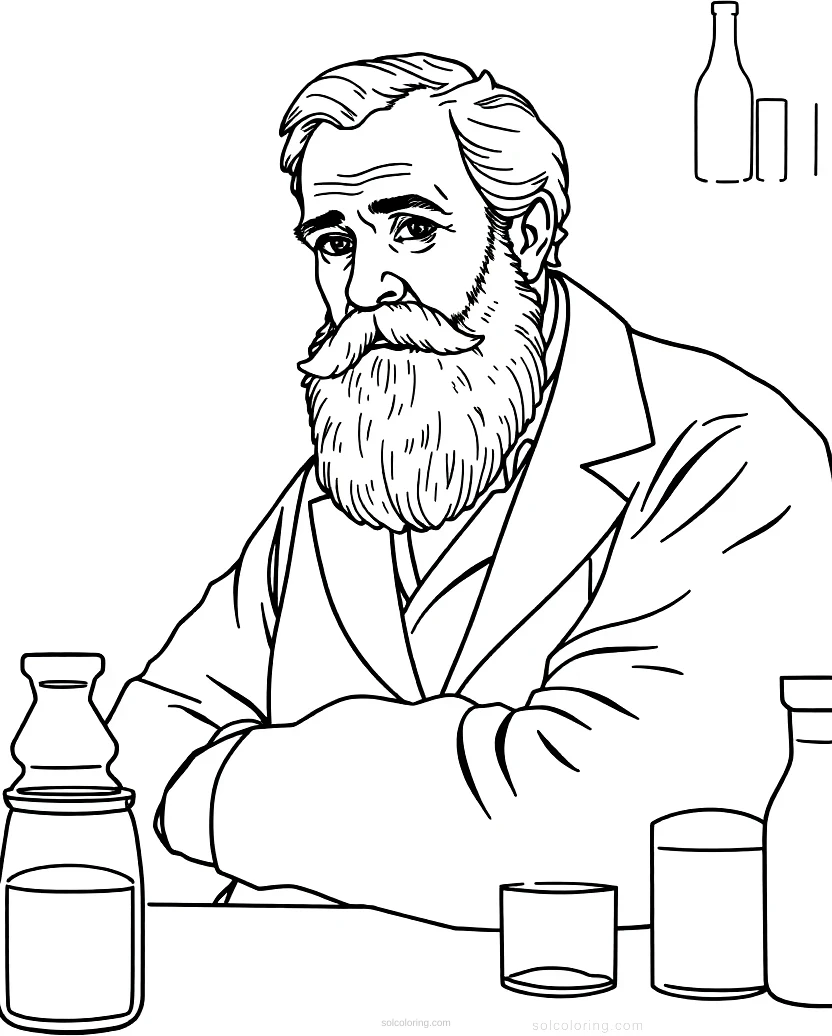
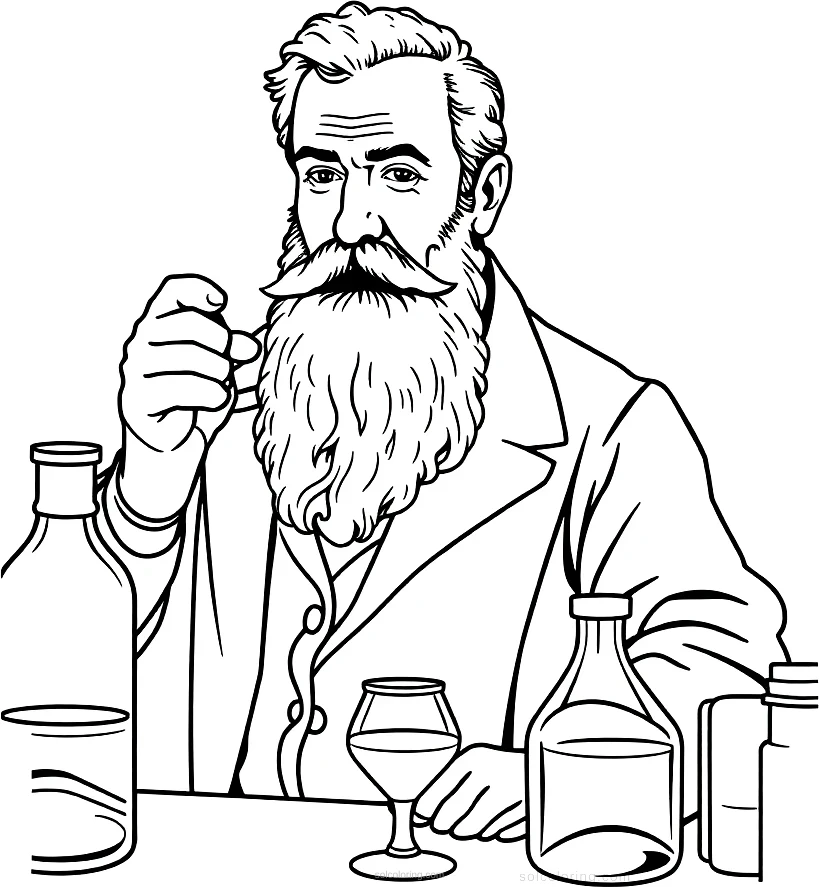
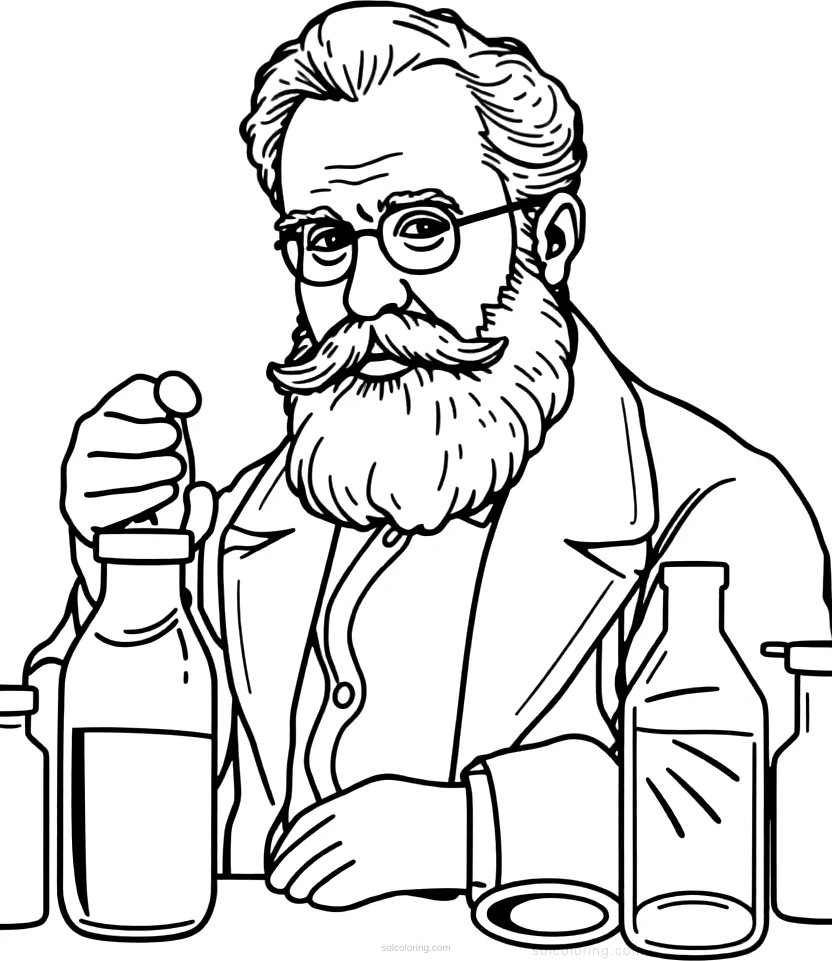
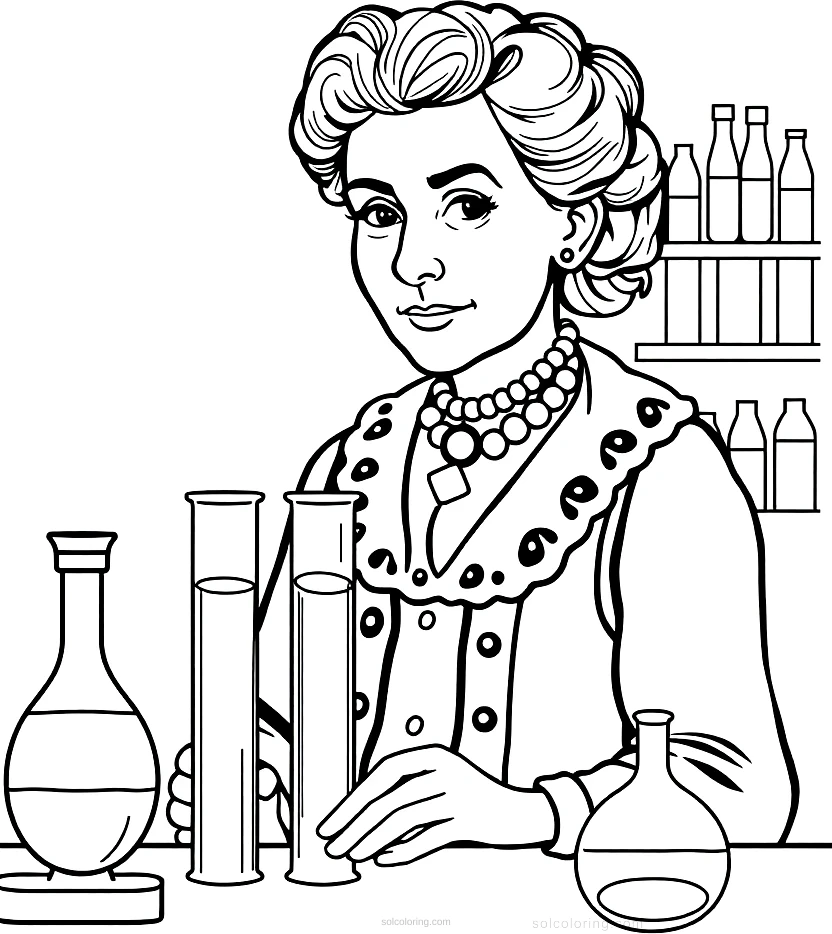
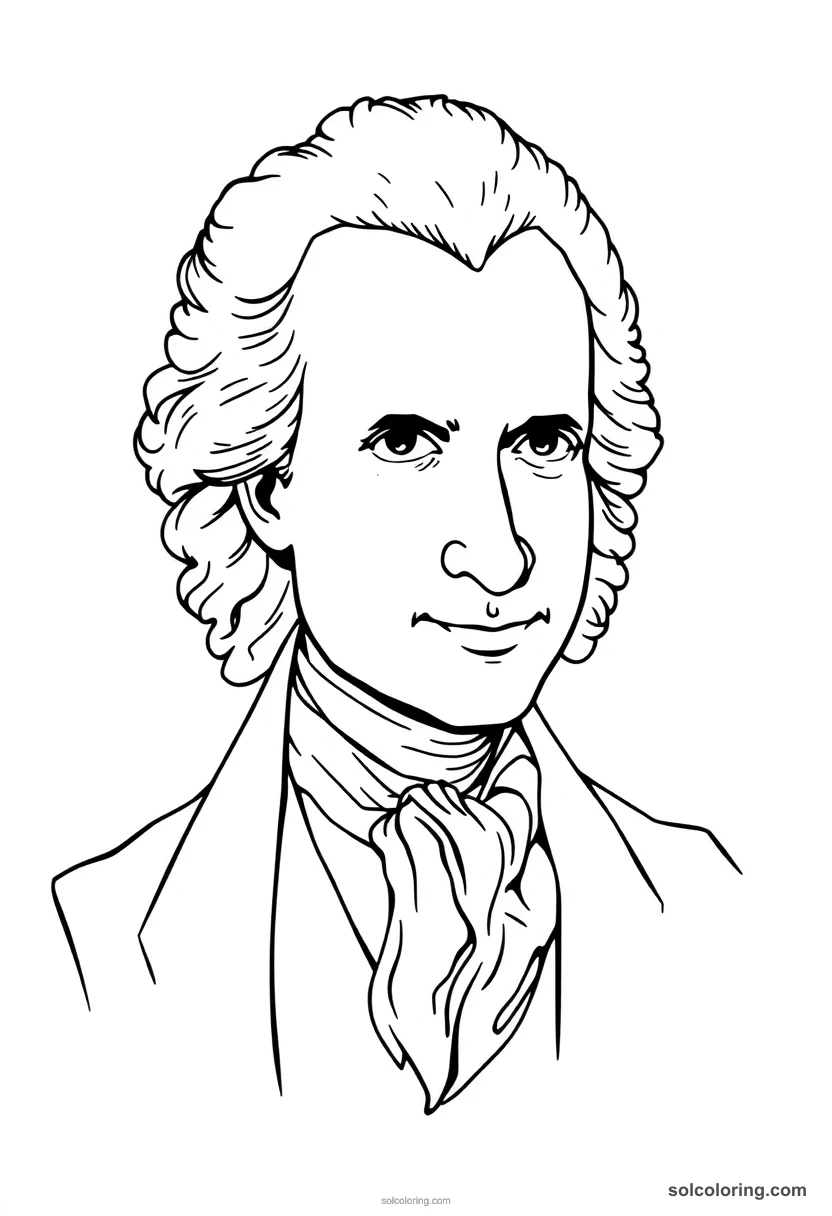
This delightful Louis Pasteur in Medical Laboratory coloring page features the famous scientist working in his laboratory with test tubes, microscopes, and scientific equipment drawn in a cute cartoon style. The design includes bold, clear outlines that make it perfect for children to color while learning about this groundbreaking microbiologist and his important medical discoveries.
Frequently asked
Why is Louis Pasteur so important to medicine and science?
Louis Pasteur discovered that tiny living organisms called germs cause diseases. This germ theory revolutionized medicine by showing doctors how diseases spread and how to prevent them. His work on vaccines, including one for rabies, saved millions of lives and transformed modern medicine forever.
What did Louis Pasteur discover about rabies?
Pasteur developed the first successful rabies vaccine in 1885, tested it on a boy named Joseph Meister who had been bitten by a rabid dog. The vaccine worked, saving the boy's life and proving that infectious diseases could be prevented through vaccination. This was a monumental breakthrough in medical history.
How did Louis Pasteur use the microscope in his discoveries?
Pasteur used microscopes to observe microorganisms invisible to the naked eye. He discovered that bacteria caused fermentation, decay, and disease. By studying these tiny creatures under magnification, he could understand how diseases spread and develop ways to stop them, making the microscope essential to his work.
Are these Louis Pasteur In Medical Laboratory coloring pages free?
Yes, absolutely! All our coloring pages, including this free printable coloring page of Louis Pasteur, are completely free to download and print. No signup, no hidden costs, no watermarks. Simply visit Sol Coloring, find the page you want, and print it on standard A4 or Letter paper at home.
What age are these Louis Pasteur In Medical Laboratory coloring pages for?
These coloring pages are designed for kids and adults aged 8 to 14. The illustration offers moderate detail that's engaging without being overwhelming. Younger children can enjoy simple coloring, while older kids can appreciate the scientific details and add their own creative touches.