Dragons
Medieval Dragon Coloring Pages
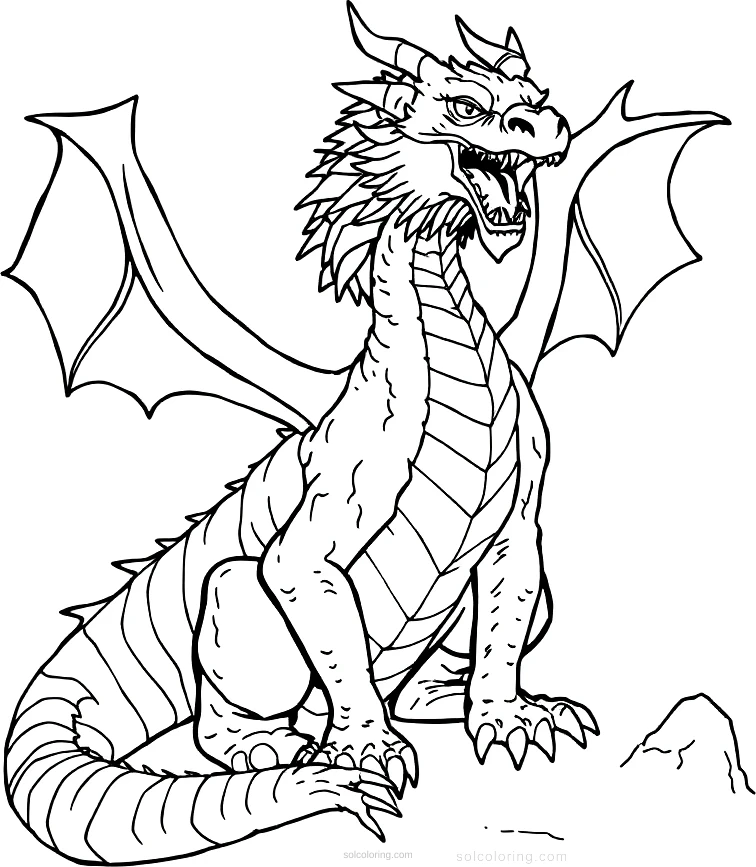
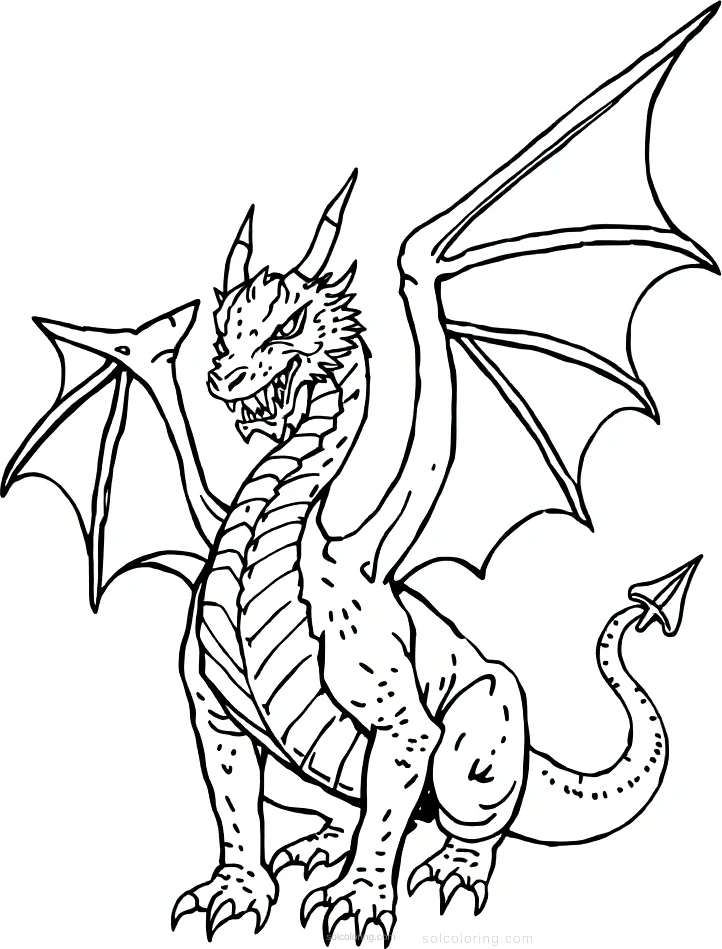
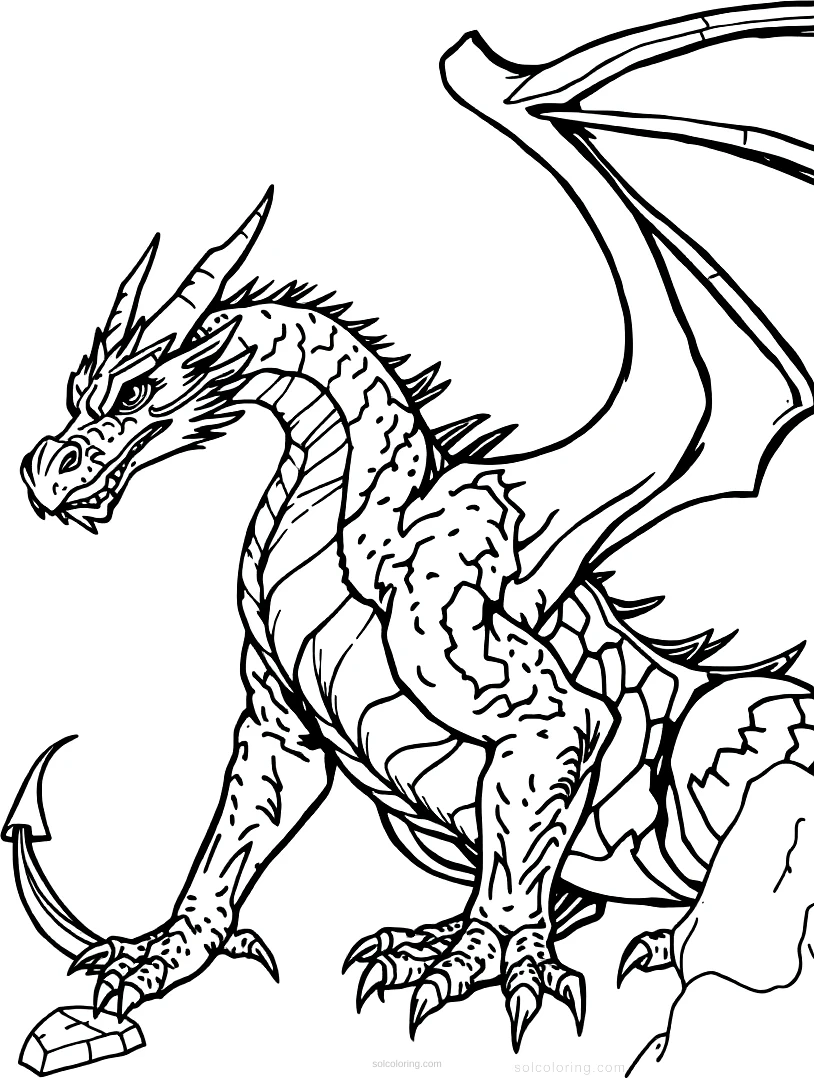
6 free printable designs including Standard, Standard, Standard, Standard and more.
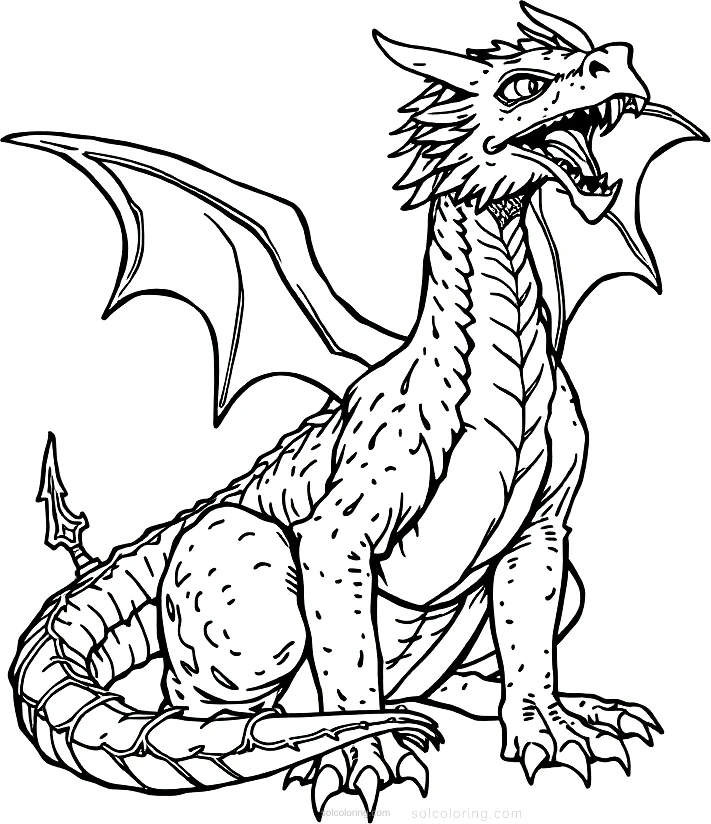
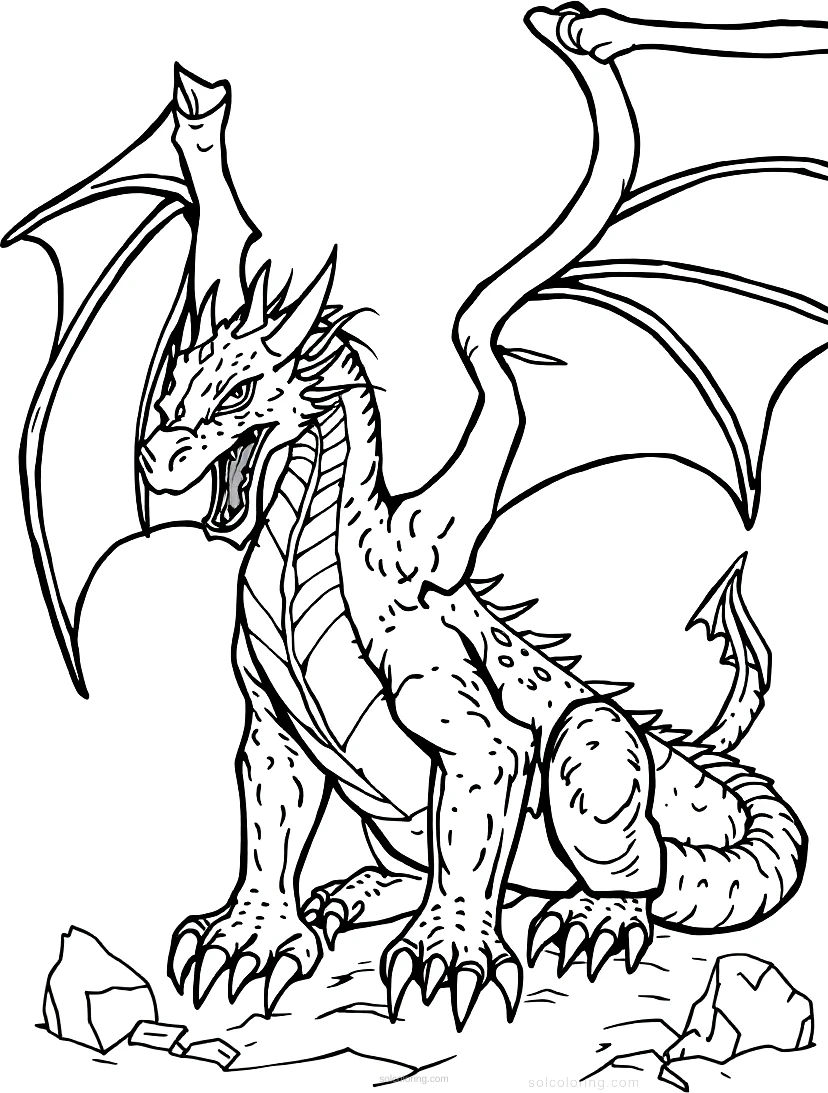
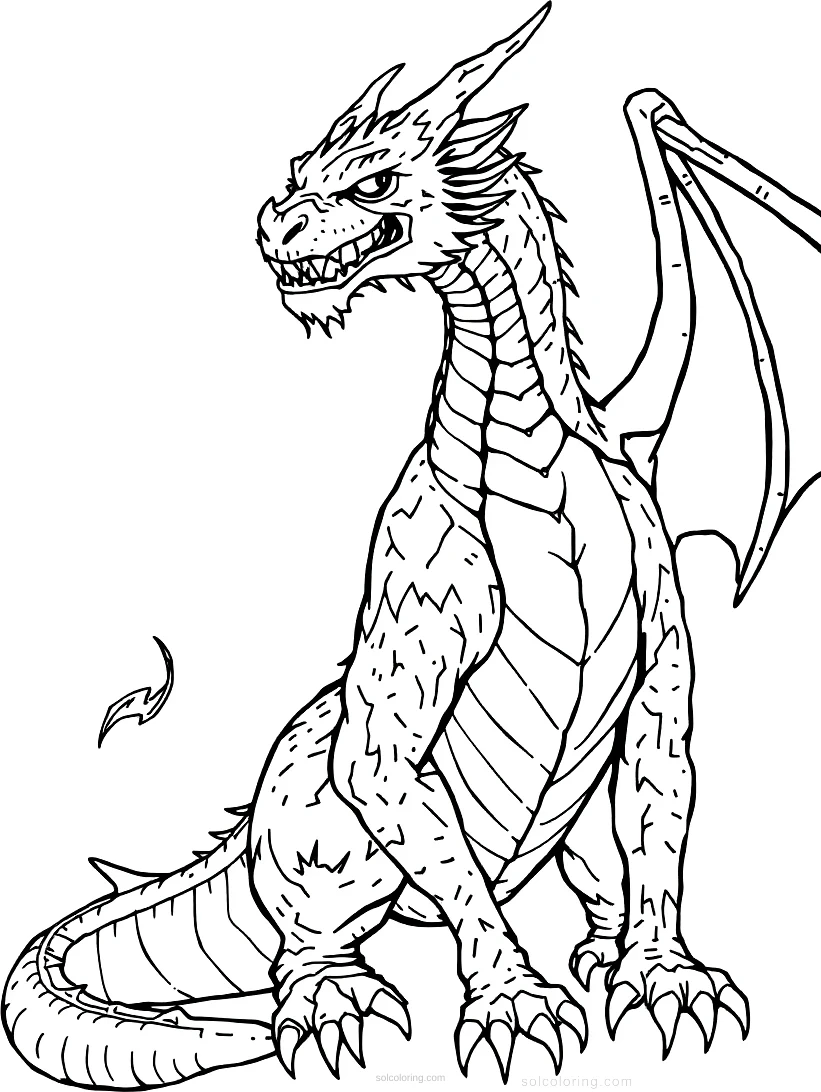
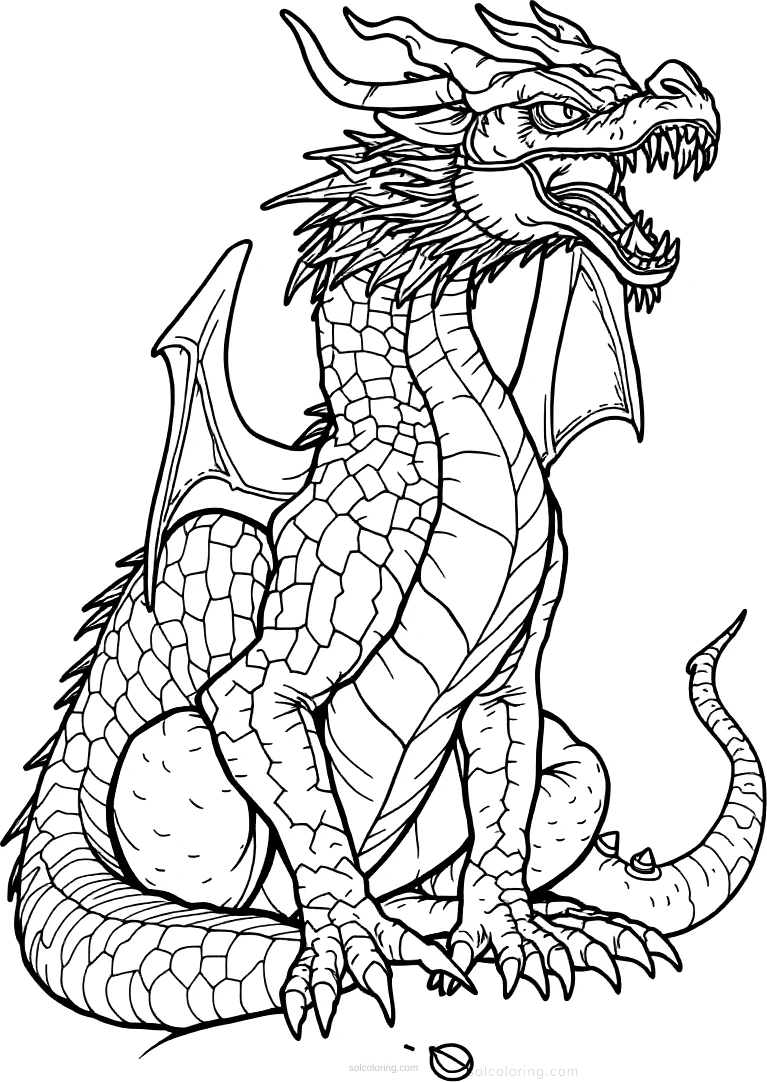
Medieval dragons are iconic creatures that captured the imagination of people throughout history and continue to inspire art, literature, and imagination today. These majestic beasts appear in legends, tapestries, and stories from cultures across Europe and beyond. Dragons symbolized power, danger, and mystery in medieval times. Whether depicted as fearsome fire-breathers or intelligent guardians of treasure, these creatures represent some of the most fascinating aspects of fantasy mythology. Our free printable coloring page of a Medieval Dragon lets you bring this legendary creature to life with your own colors and creativity. Perfect for fantasy lovers of all ages, this free printable coloring page combines history, imagination, and artistic fun.
Read more →Read less ↑
Choose a style
Did you know?
Fun facts about Medieval Dragon
Medieval people believed dragon blood had magical properties and could grant invulnerability or superhuman strength to those who bathed in it.
The word 'dragon' comes from the Greek word 'drakon', meaning 'large serpent', and was used to describe various large reptiles and sea creatures.
In medieval heraldry, including a dragon on a coat of arms signaled that a person or family possessed exceptional power, courage, and nobility.
Medieval alchemists sometimes used dragons as symbols in their writings to represent transformation, danger, and the most difficult stages of their work.
The oldest known medieval dragon story from Europe is the tale of Beowulf fighting a dragon for treasure, which dates back to around the year 700.
About Medieval Dragon
What role did dragons play in medieval European culture and beliefs?
In medieval Europe, dragons symbolized chaos, evil, and pagan dangers that heroes must overcome. Saint George slaying a dragon became a celebrated story across multiple countries. However, dragons also represented power and wealth, often guarding treasure in stories. Different regions had varying dragon traditions: European dragons were typically evil, while Asian dragons held different meanings of wisdom and prosperity.
How did medieval people imagine dragons would look and behave?
Medieval artists depicted dragons with bat-like wings, sharp claws, long tails, and fire-breathing abilities. They imagined dragons as intelligent creatures capable of speech and strategy. Most medieval dragons were portrayed as solitary, territorial beasts that hoarded treasure in mountain caves or lairs. Some medieval texts described dragons as being vulnerable only to specific weapons or methods, making them formidable opponents for knights.
What real animals inspired the medieval dragon concept?
Medieval people combined features from multiple animals they knew to create dragons. Large reptiles like crocodiles and lizards provided the scaly body, while bat wings came from observing flying mammals. The fierce personality drew from predators like eagles and lions. Fossil discoveries of prehistoric creatures, though misidentified at the time, may have influenced dragon descriptions. Snakes contributed the sinuous movement and fanged mouths.
Were medieval dragons always evil, or did some stories show them differently?
While most European medieval dragons were portrayed as villainous threats, some stories showed complexity. Certain dragons possessed intelligence and could communicate with humans. A few medieval tales featured dragons with motivations beyond simple destruction, such as protecting sacred treasures or seeking revenge. Stories from different regions varied significantly: Welsh and Norse traditions sometimes portrayed dragons more neutrally than Christian European tales did.
What armor and weapons did medieval knights use to fight dragons?
Medieval knights wielded long lances, great swords, and axes specifically against dragons. Legends describe special weapons forged by master blacksmiths with magical properties. Knights wore full plate armor designed to protect against sharp claws and teeth. Stories often included shields bearing protective symbols. Some tales claim that only blessed weapons, poisoned blades, or magical artifacts could penetrate dragon scales, adding to the creatures' legendary status.
How did medieval castles and fortifications reflect the fear of dragons?
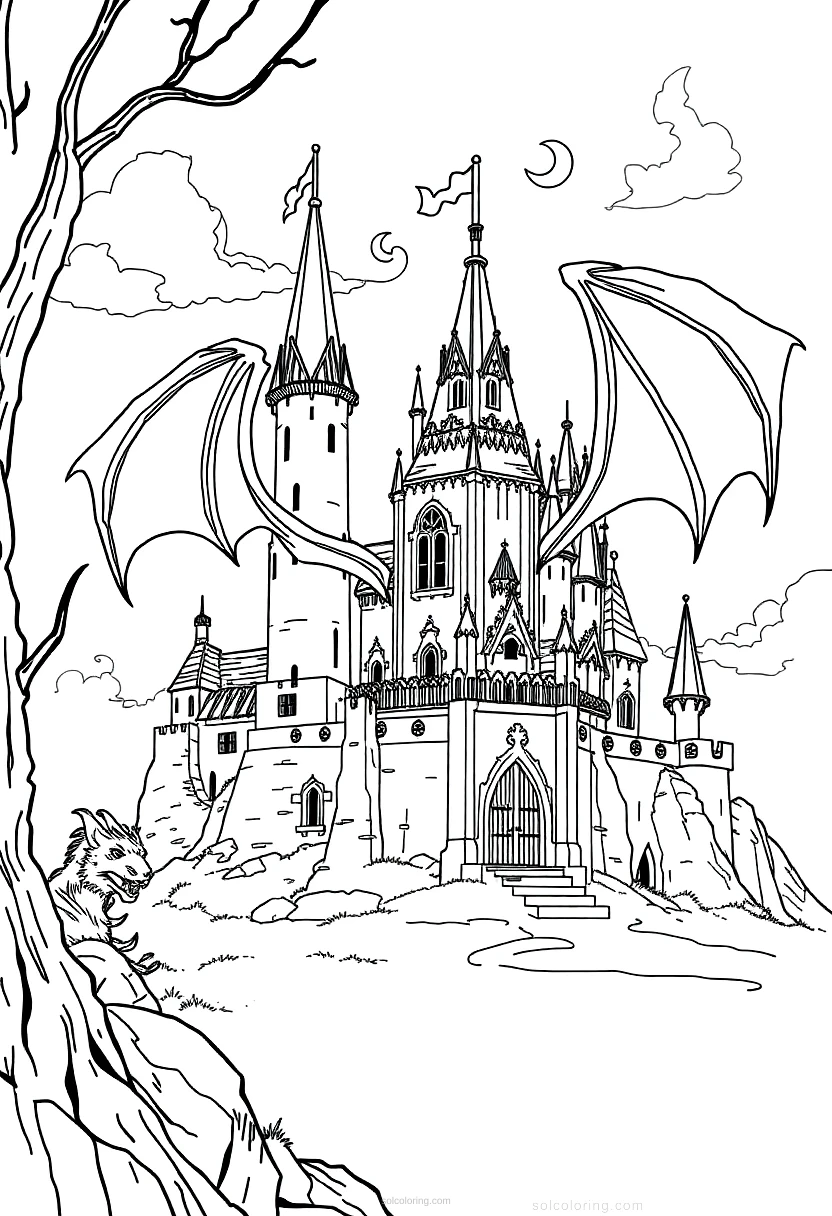
Medieval castle designs included high walls and towers partly inspired by dragon threats in folklore. Stone fortifications were considered necessary protection against fire-breathing creatures. Some castles featured dragon imagery in decorations and heraldry to project power and deter threats. Lookout towers served dual purposes of watching for human enemies and mythical dragons. Dragon symbolism in castle design reinforced the structure's strength and the lord's authority.
More Dragons coloring pages
Coloring page FAQs
Are these Medieval Dragon coloring pages free?
Yes, absolutely! All our Medieval Dragon coloring pages are completely free to download and print from Sol Coloring. No subscription, payment, or account signup is required. Simply visit our site, select your favorite design, download it as a PDF, and print as many copies as you like for endless coloring enjoyment.
What age are these Medieval Dragon coloring pages for?
Our Medieval Dragon coloring pages are designed for kids and adults aged 8 to 14, with varying difficulty levels. Younger colorists can enjoy simple, bold designs with larger spaces, while older kids and teens can tackle more detailed pages featuring intricate scales, ornate backgrounds, and complex patterns for a rewarding challenge.
How do I print these Medieval Dragon coloring pages?
Printing is simple and requires no special software or setup. Download the PDF file to your computer, then open it with any PDF reader. Select your paper size (A4 or Letter), adjust printer settings if needed, and print directly to your home printer. No signup or account is necessary to download and print.