Fairies
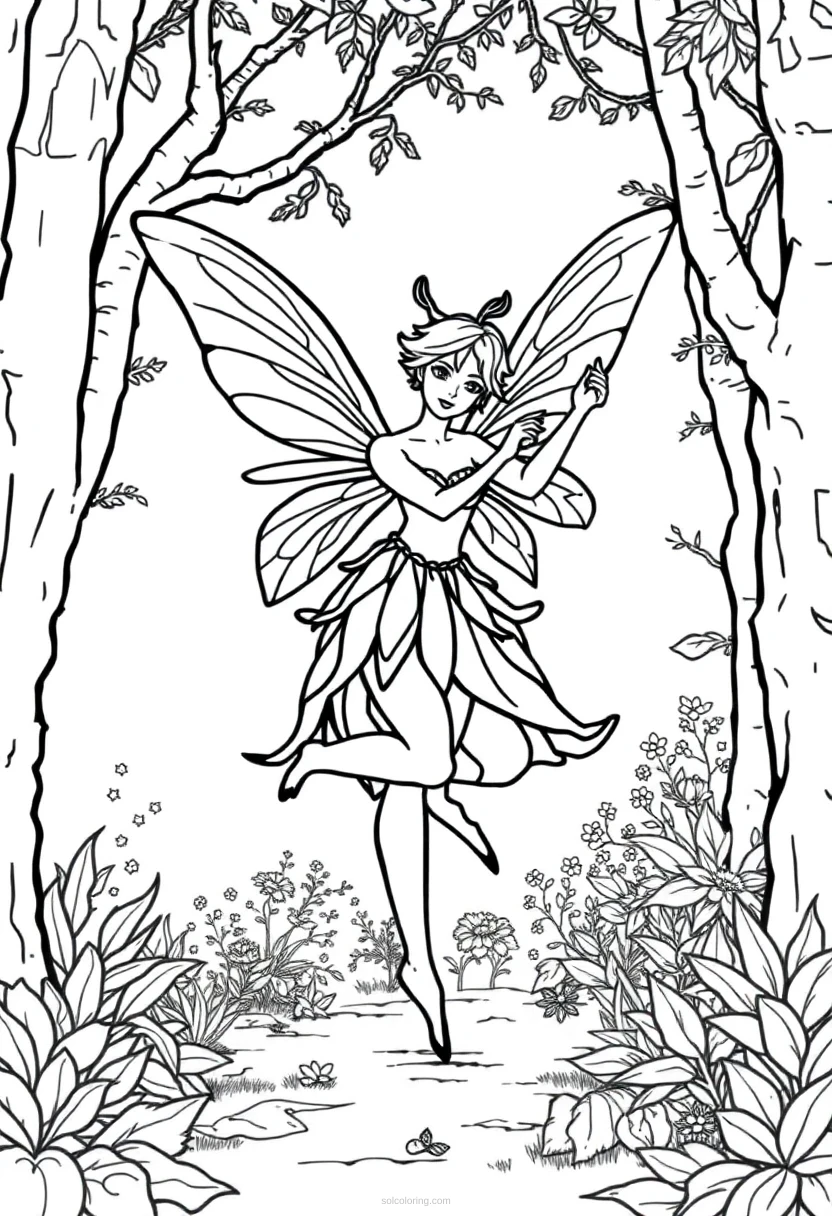
Dancing Fairy In Forest Coloring Pages
6 free printable designs including Standard, Standard, Standard, Standard and more.
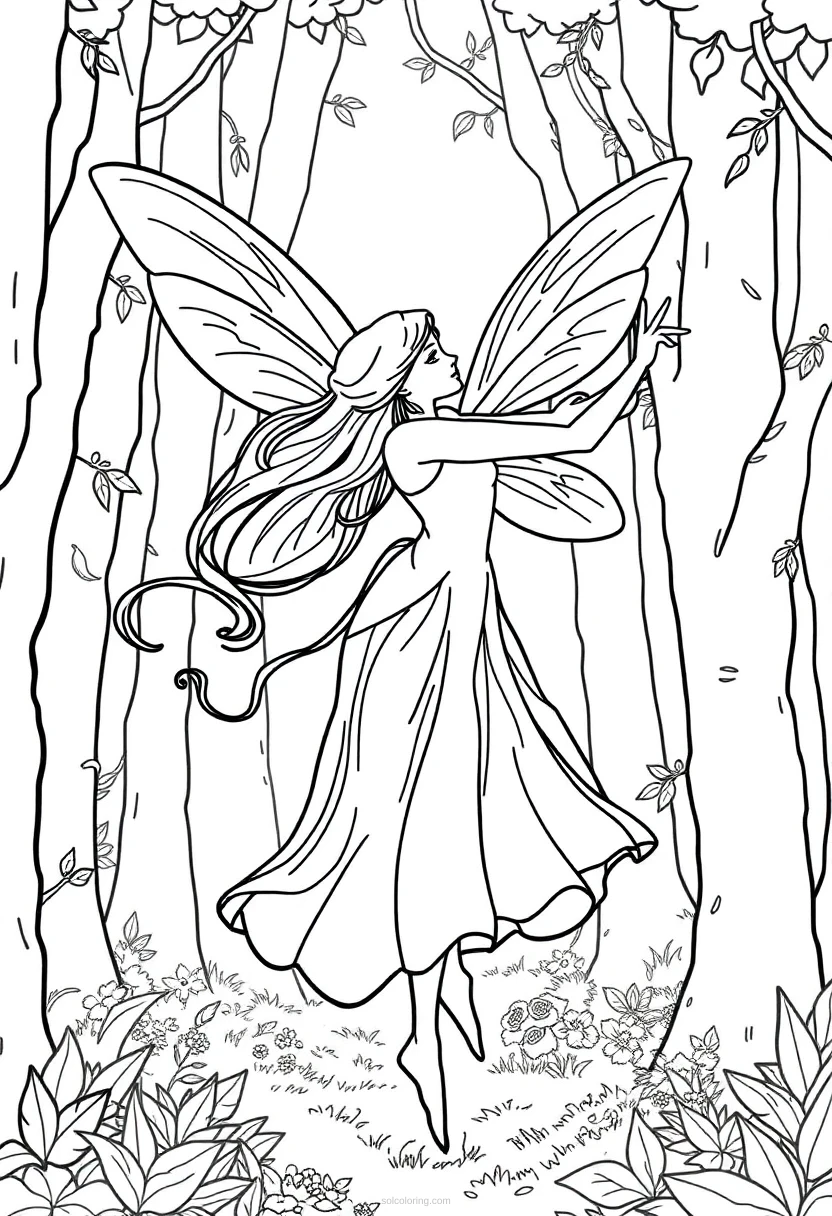
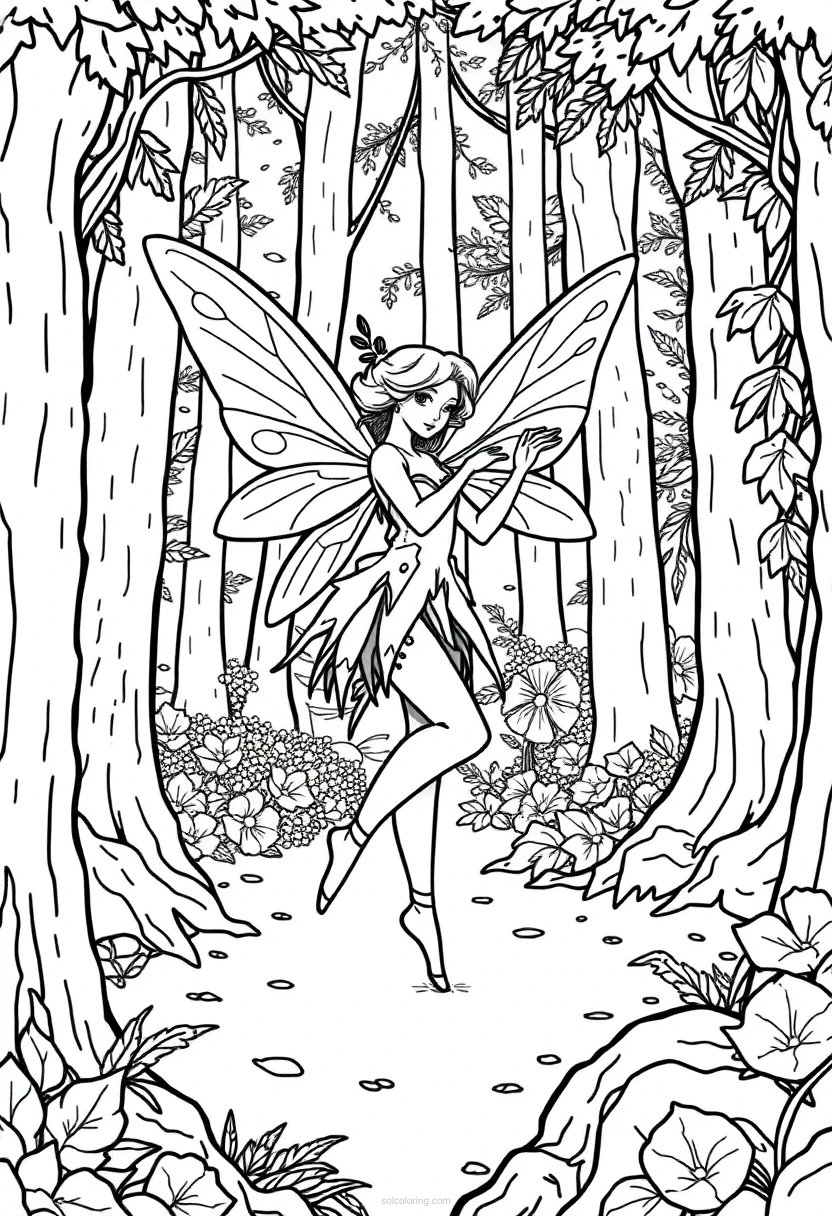
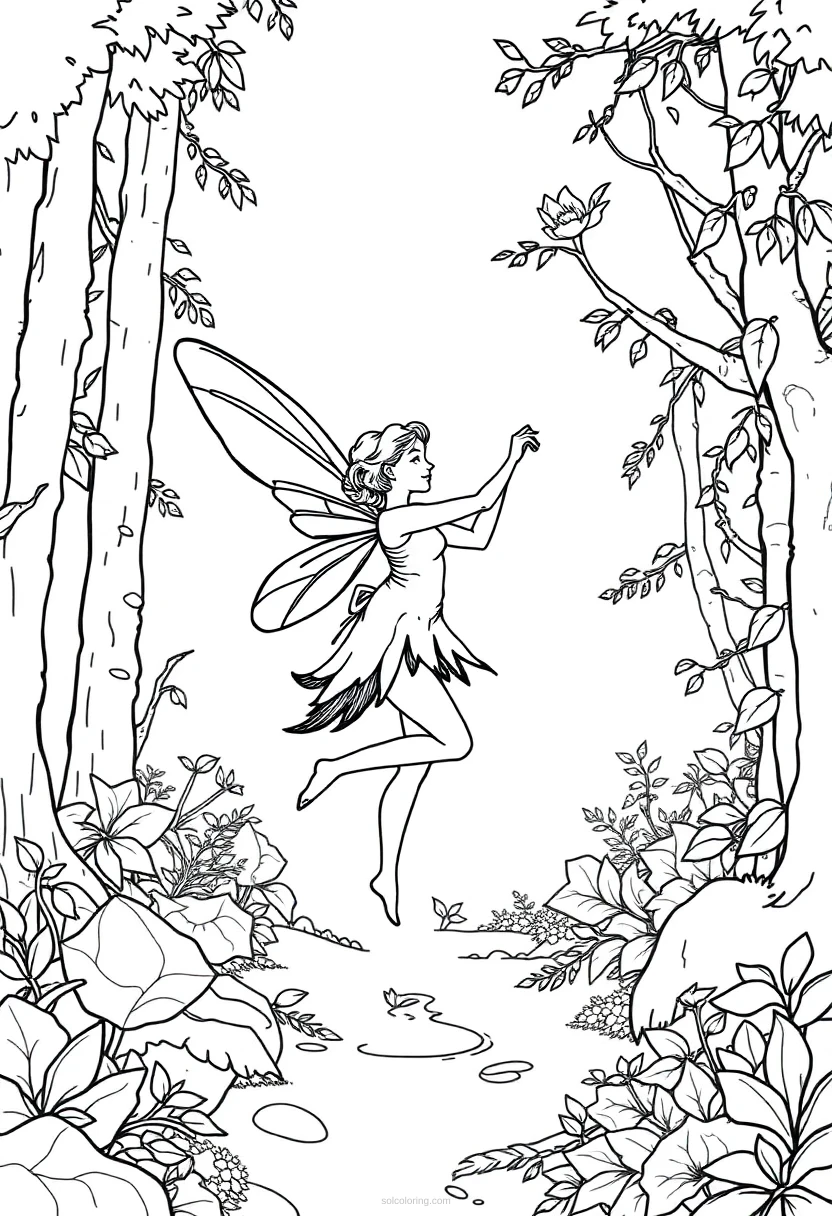
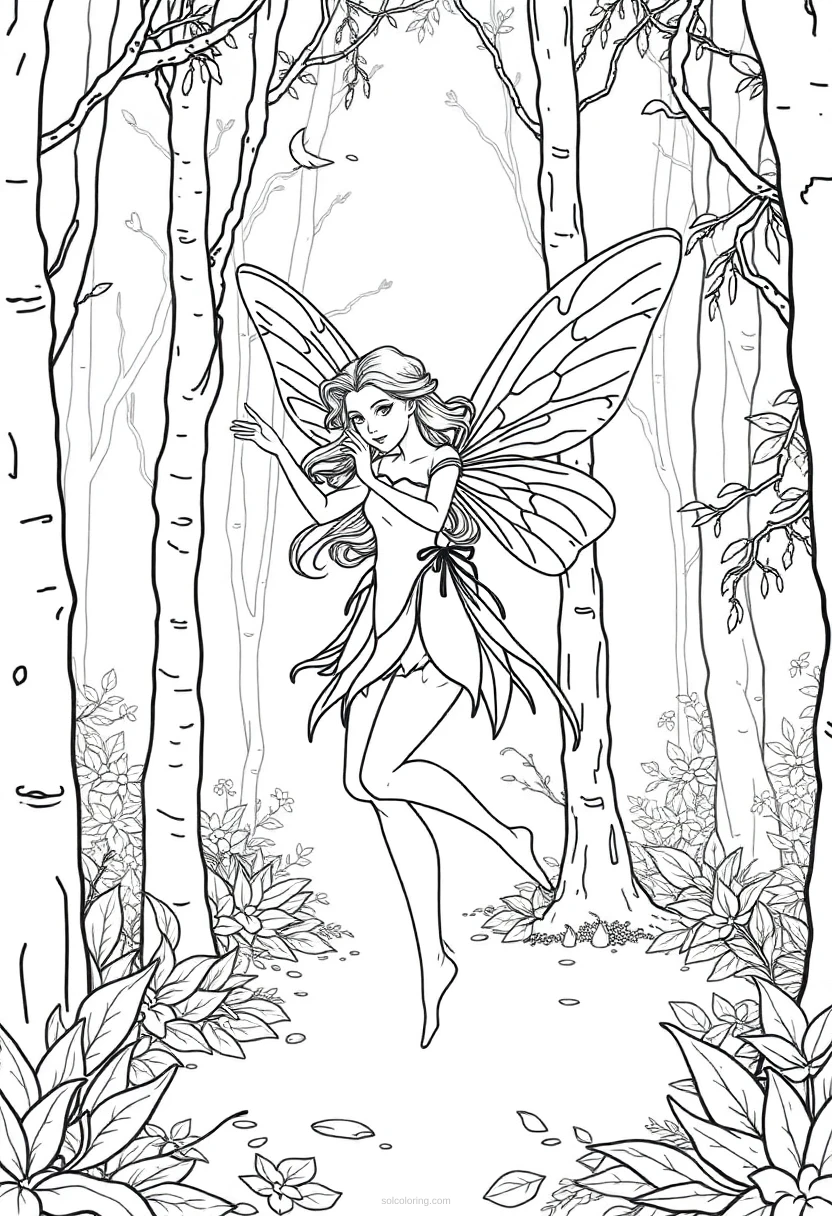
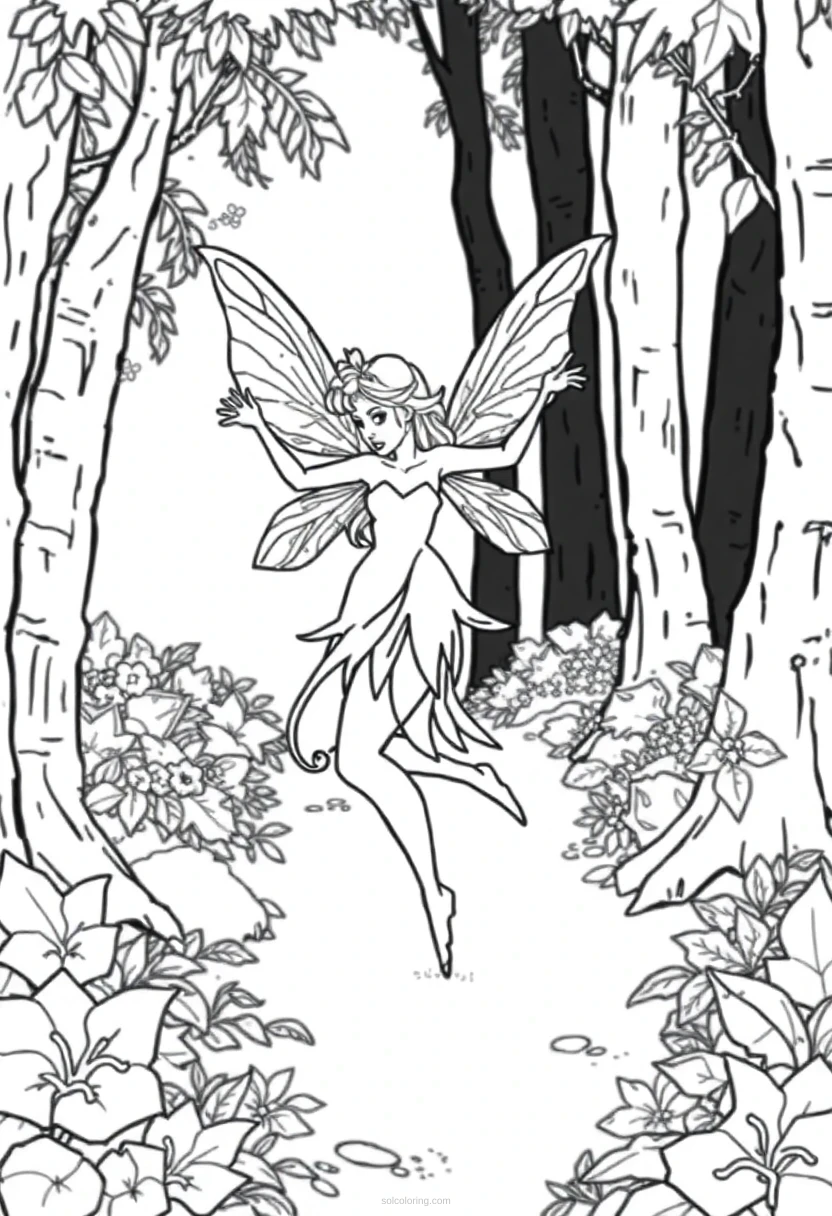
Step into an enchanted woodland where magical fairies dance among the trees. Fairies have captivated human imagination for centuries, appearing in folklore, literature, and art across cultures worldwide. These delicate, winged creatures symbolize wonder, nature, and the magic hidden in everyday forests. Our free printable coloring page captures the grace and beauty of a dancing fairy surrounded by forest elements like mushrooms, flowers, and glowing lights. Whether you're exploring fantasy art or simply love magical scenes, this free printable coloring page offers hours of creative fun. Perfect for all skill levels, it lets you bring your own colors to life in this whimsical woodland adventure.
Read more →Read less ↑
Choose a style
Did you know?
Fun facts about Dancing Fairy In Forest
In Irish folklore, fairies were believed to be so real that people left small dishes of milk and bread outside their homes as gifts to keep the fairies happy and protect their families from mischief.
The concept of tiny fairies with insect-like wings became popular during the Victorian era, partly inspired by illustrations in children's books and the famous 'Cottingley Fairies' photographs from 1917, which many people believed were real.
Many cultures have fairy-like creatures with different names: the French call them 'fées', the German folklore features 'Elfen', and Japanese mythology includes 'yōsei', yet they all share magical woodland characteristics.
Dancing appears frequently in fairy folklore, with fairy rings (circular patches of grass) supposedly marking places where fairies danced all night, and humans who joined their dance lost track of time or aged rapidly.
The concept of fairies as delicate, small creatures was heavily influenced by Shakespeare's 'A Midsummer Night's Dream' written around 1596, which shaped how modern literature and art depict fairies today.
About Dancing Fairy In Forest
Where do fairies come from in folklore and stories?
Fairies appear in legends from cultures worldwide, particularly in Celtic, Germanic, and English folklore. Medieval stories portrayed them as magical beings inhabiting forests, water, and underground kingdoms. Different cultures describe fairies differently: some are tiny with wings, while others are human-sized and shape-shifting. Shakespeare's 'A Midsummer Night's Dream' popularized the small, delicate fairy image we recognize today.
What magical powers do fairies typically have in stories?
Fairies in folklore possess diverse magical abilities including flight, shape-shifting, invisibility, and the power to cast spells. They can manipulate nature, control weather, and sometimes grant wishes or curses. Many stories suggest fairies live longer than humans and possess enhanced strength and speed despite their small size. Their magical powers vary greatly depending on cultural traditions.
Why are forests important in fairy tales and legends?
Forests represent mystery, magic, and the unknown in fairy tales. Ancient forests were vast, unexplored wilderness where people imagined magical creatures lived beyond human sight. Forests provided isolation and seclusion, perfect settings for enchanted kingdoms and hidden fairy realms. This connection between forests and magic continues in modern fantasy stories and coloring pages.
What are some famous fairy characters from literature and film?
Famous fairies include Tinker Bell from Peter Pan, the Fairy Godmother from Cinderella, and Puck from Shakespeare's 'A Midsummer Night's Dream.' Disney has introduced countless fairy characters across films and animations. Each portrayal brings unique personality traits, from mischievous tricksters to wise mentors, making fairies beloved characters across generations worldwide.
How do artists typically design fairies in illustrations?
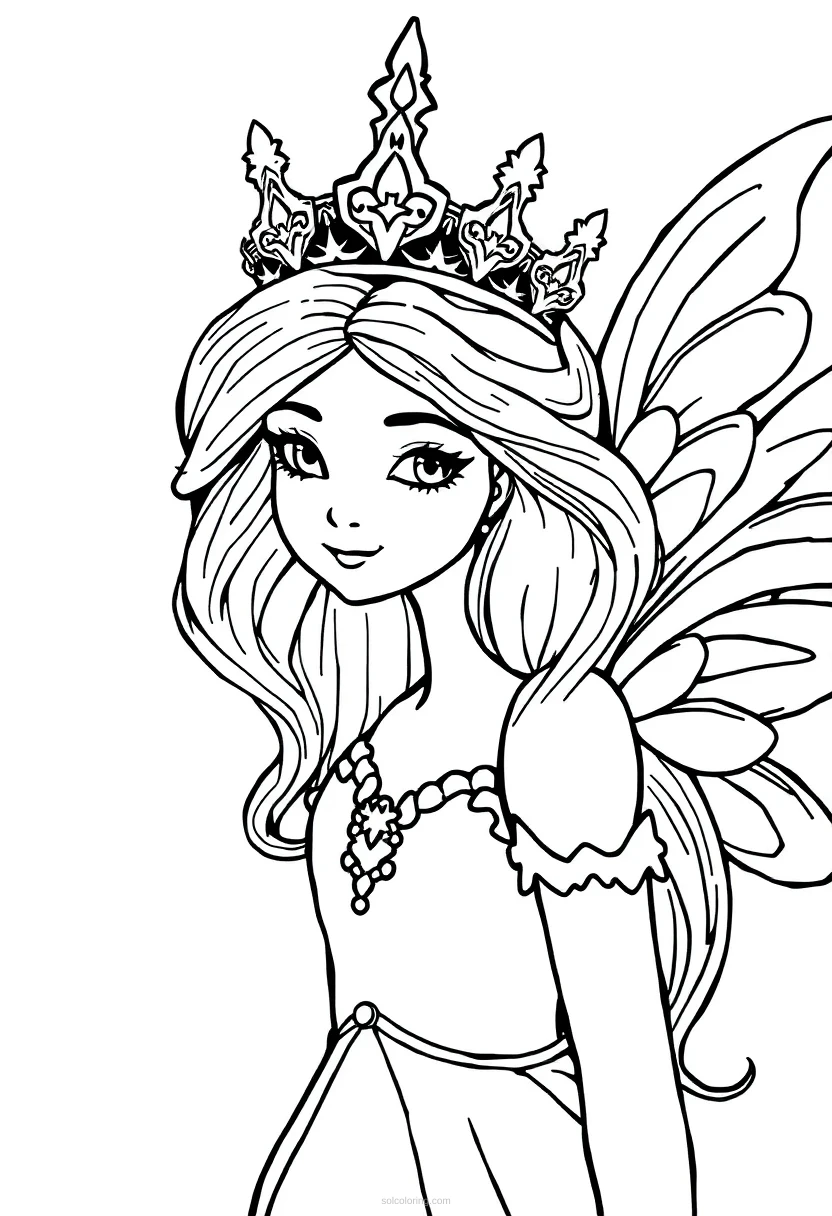
Fairy designs commonly feature delicate, translucent wings resembling dragonflies or butterflies, slender human-like bodies, and ethereal clothing made from natural materials. Artists often add glowing elements, magical auras, and nature-inspired accessories like flower crowns or leaf garments. Modern illustrations blend traditional folklore elements with contemporary fantasy art styles, creating visually stunning and imaginative representations.
What natural elements appear alongside fairies in forest settings?
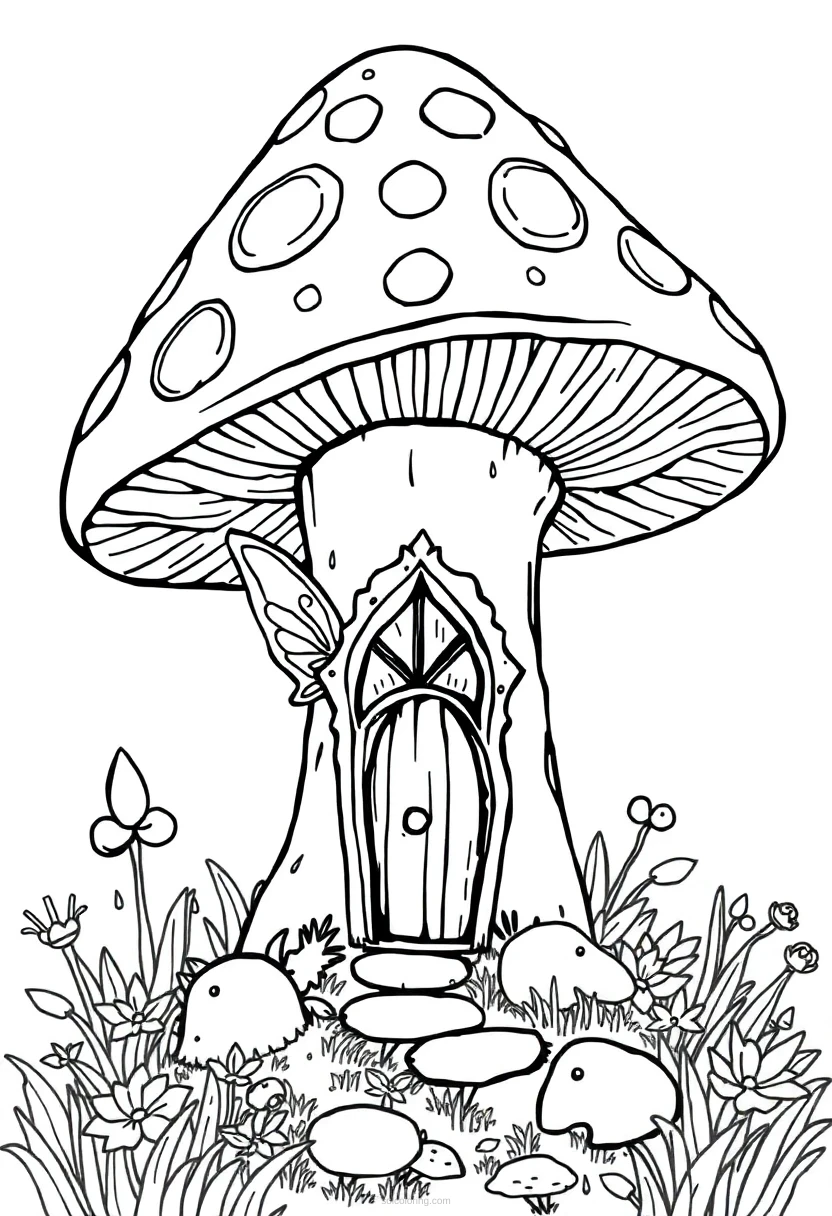
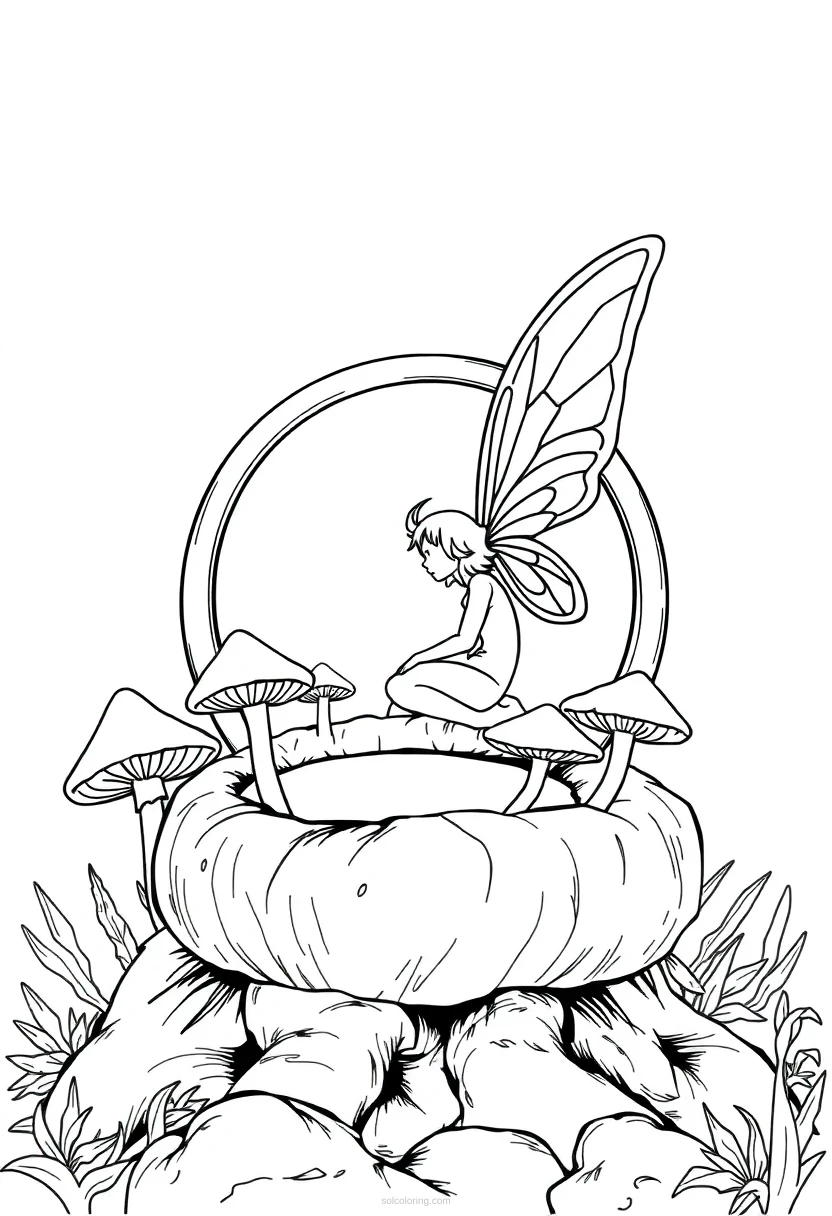
Forest fairy scenes typically include mushroom rings, wildflowers, glowing orbs of light called fairy lights, ancient trees, and woodland creatures. Toadstools and mushrooms are particularly significant in fairy lore, often marking fairy rings where fairies supposedly dance. Fireflies, butterflies, streams, and moss-covered rocks create magical atmospheres. These natural elements enhance the enchanted woodland aesthetic in fairy-themed artwork.
More Fairies coloring pages
Coloring page FAQs
Are these Dancing Fairy In Forest coloring pages free?
Yes, absolutely! Our free printable coloring pages are completely free to download and print. No subscriptions, memberships, or hidden fees required. Simply visit our website, find your favorite design, and print as many copies as you'd like from your home printer.
What age are these Dancing Fairy In Forest coloring pages for?
These coloring pages are designed for kids and adults aged 8 to 14, though anyone can enjoy them. We offer varying detail levels: simpler designs for younger children and more intricate patterns for older kids who want a creative challenge.
How do I print these Dancing Fairy In Forest coloring pages?
Printing is easy and requires no signup. Download the PDF to your device, open it, and select print. The pages are formatted for standard A4 or Letter-sized paper. Use any home printer with colored pencils, markers, or crayons to complete your artwork.