Mythical
Sphinx Coloring Page
Standard style
About this coloring page
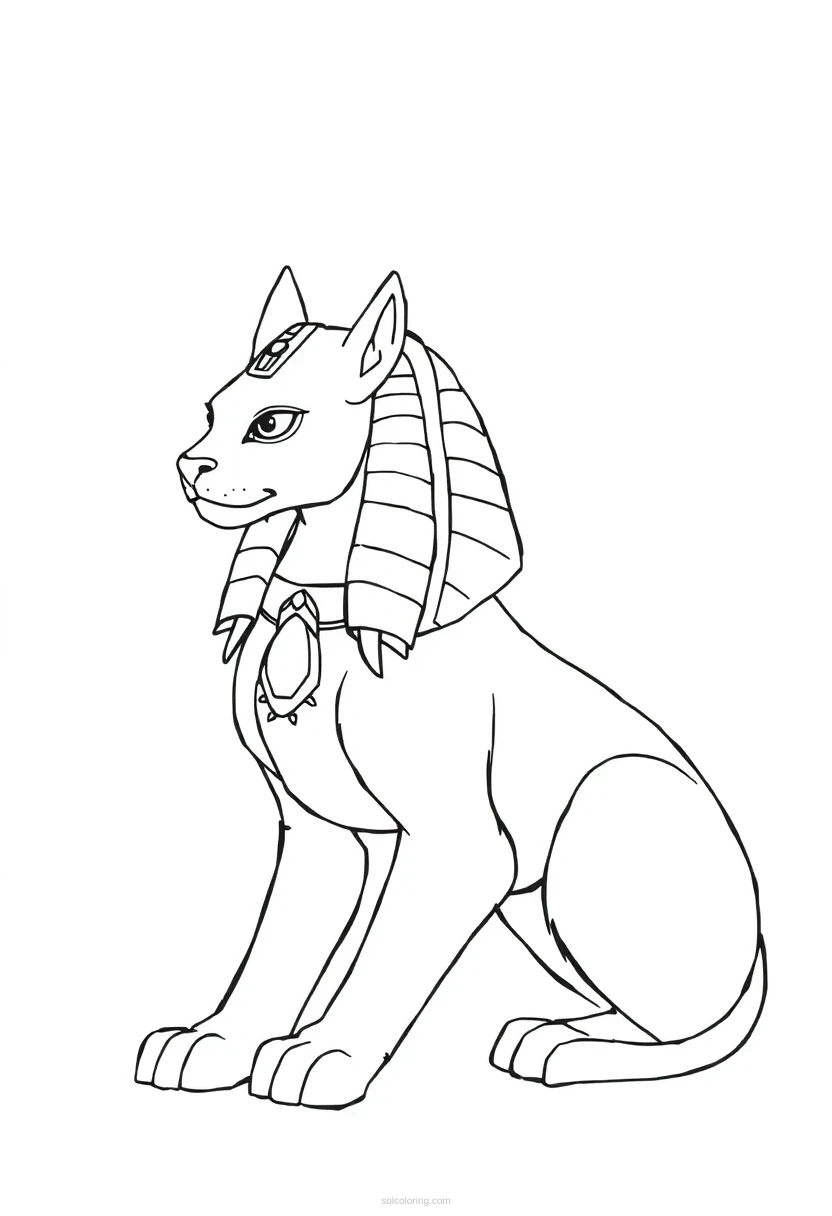
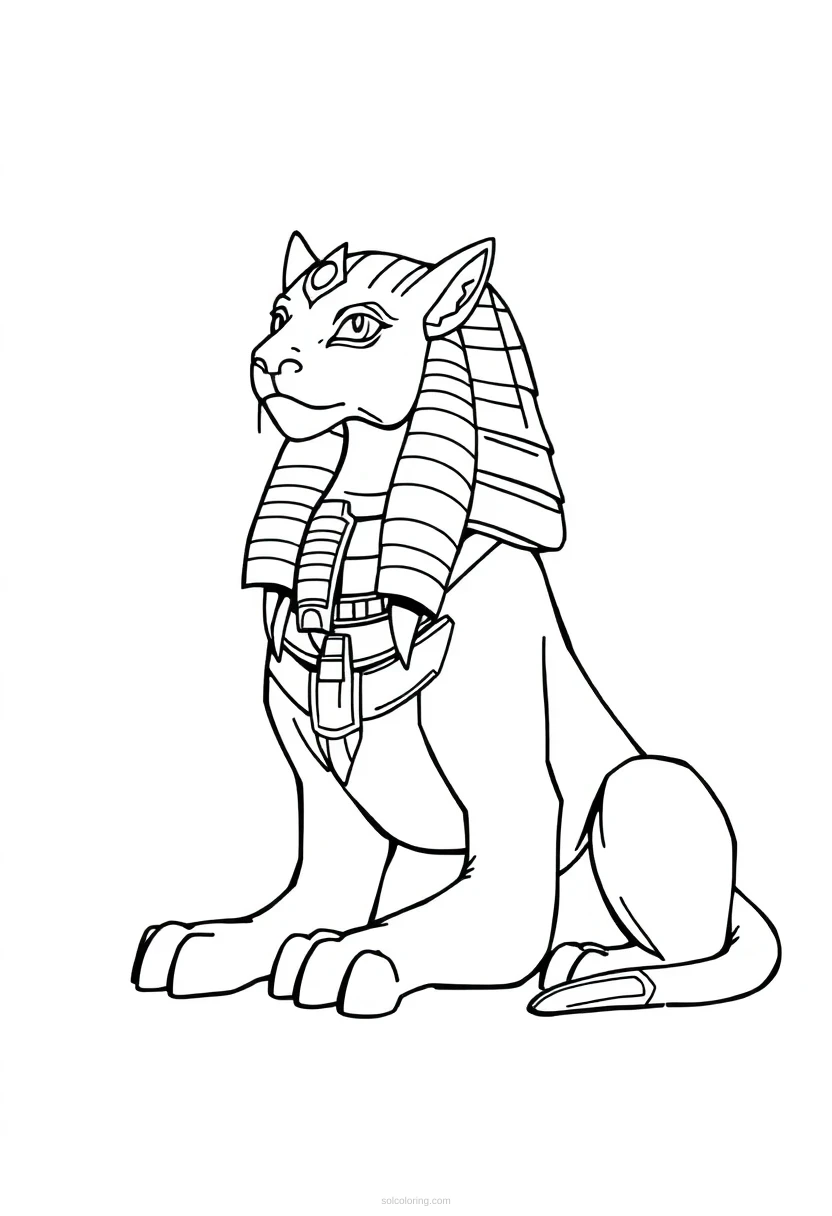
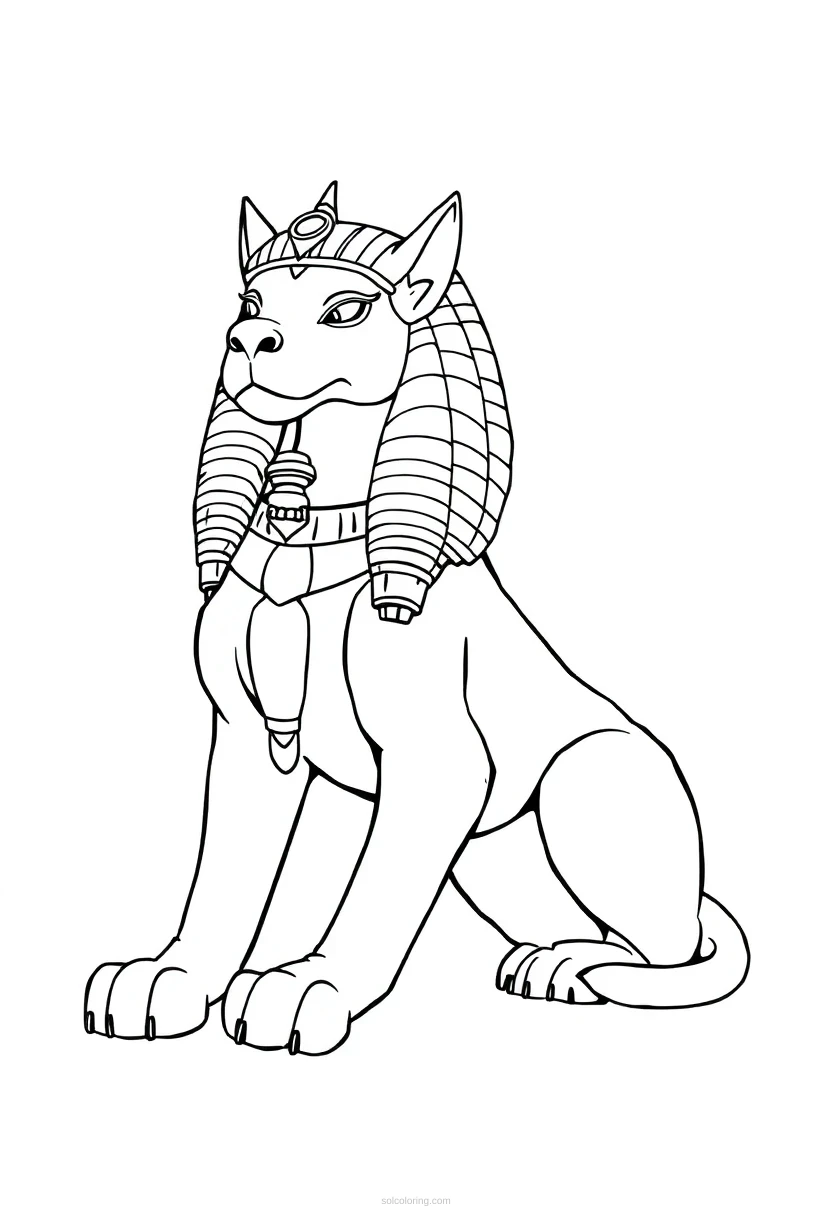
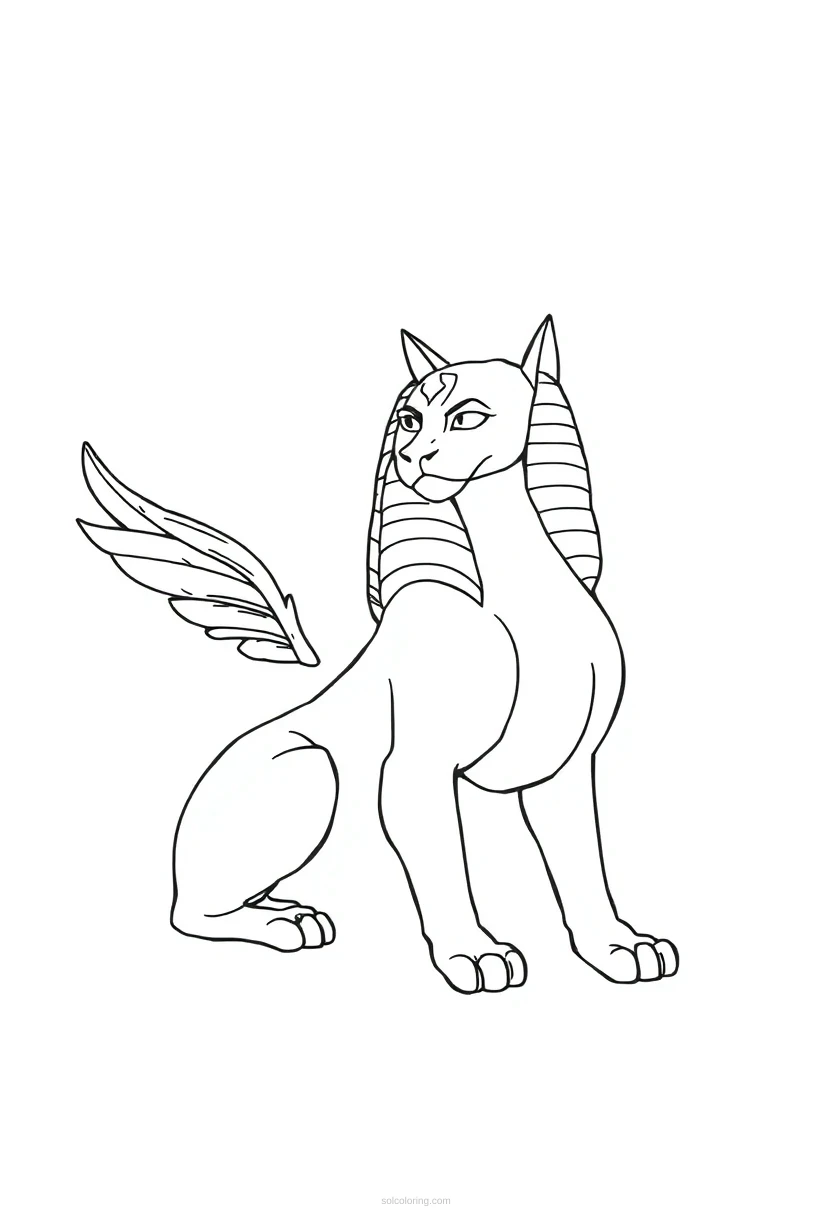
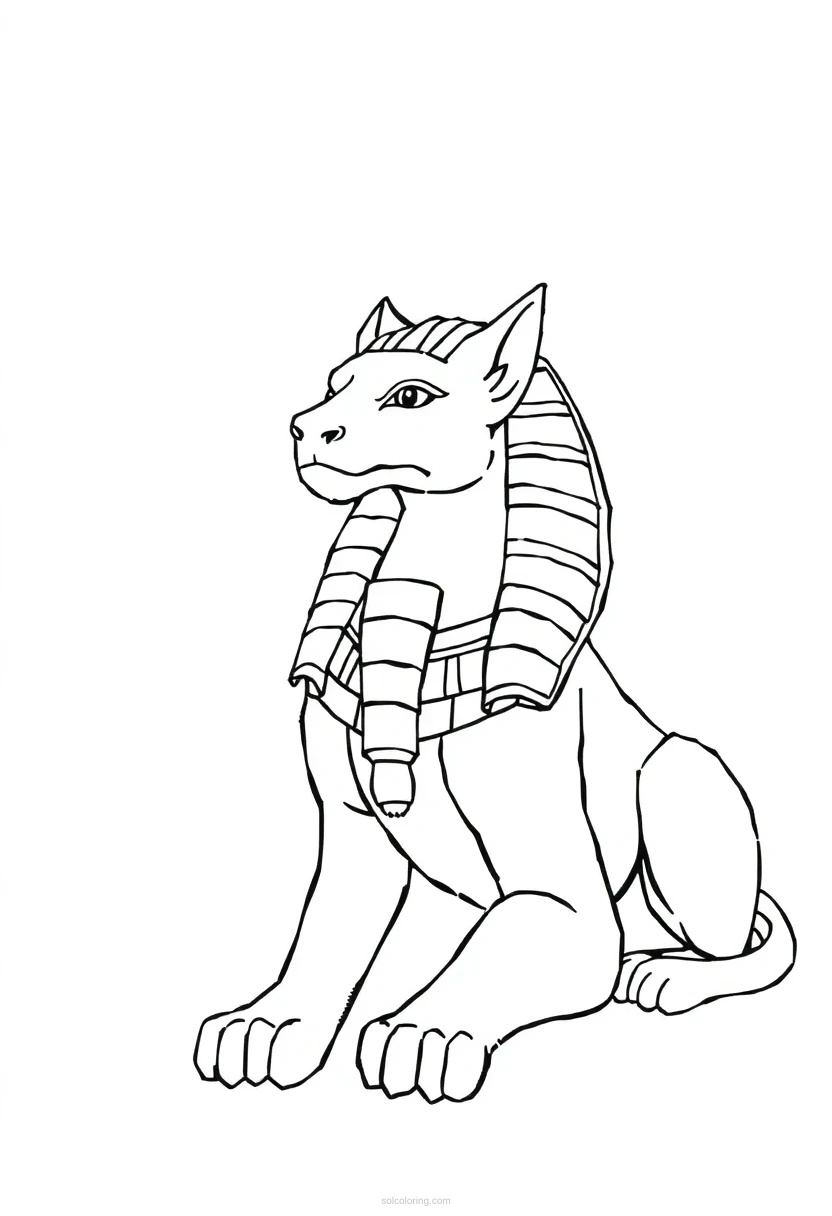
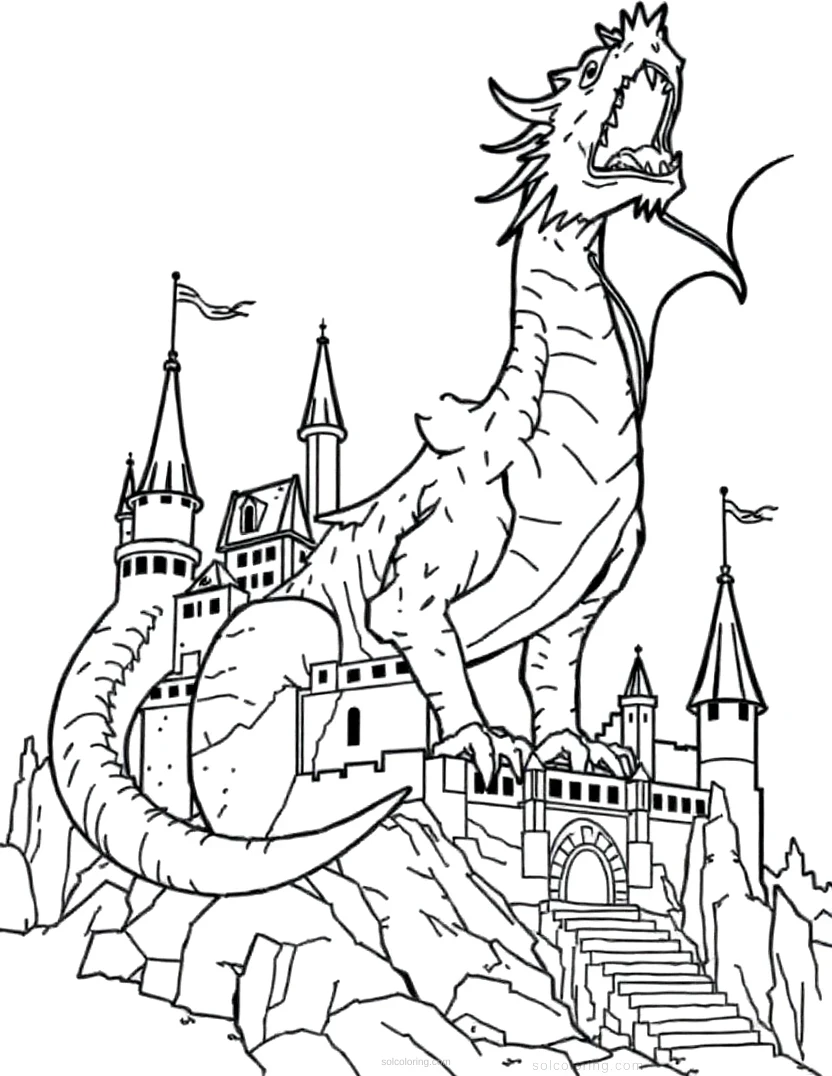
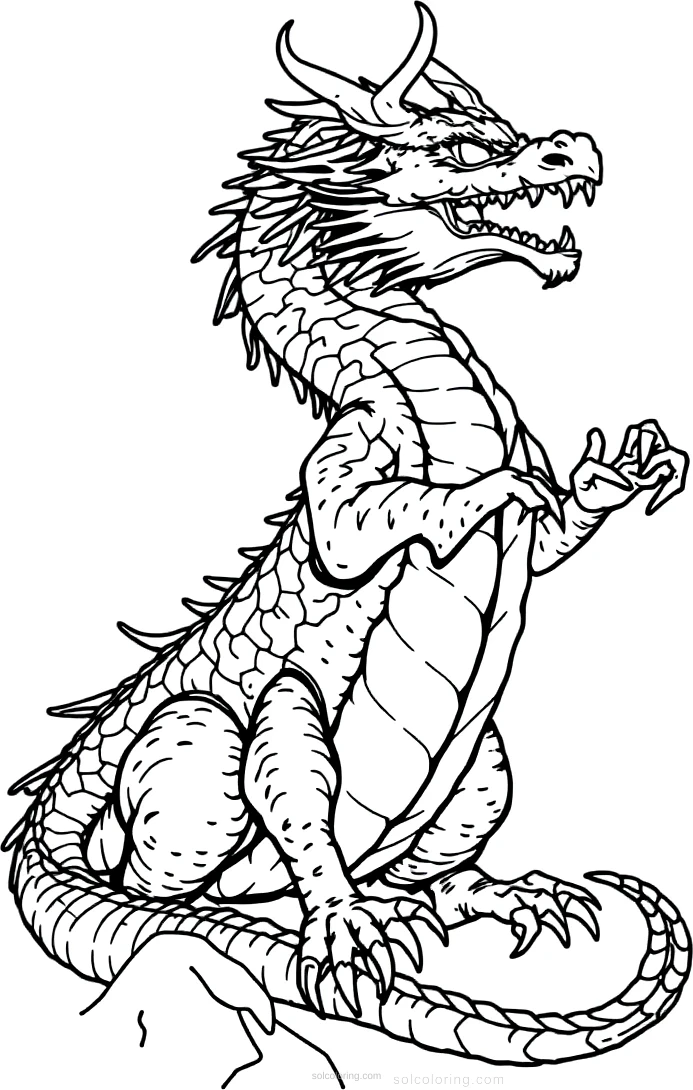
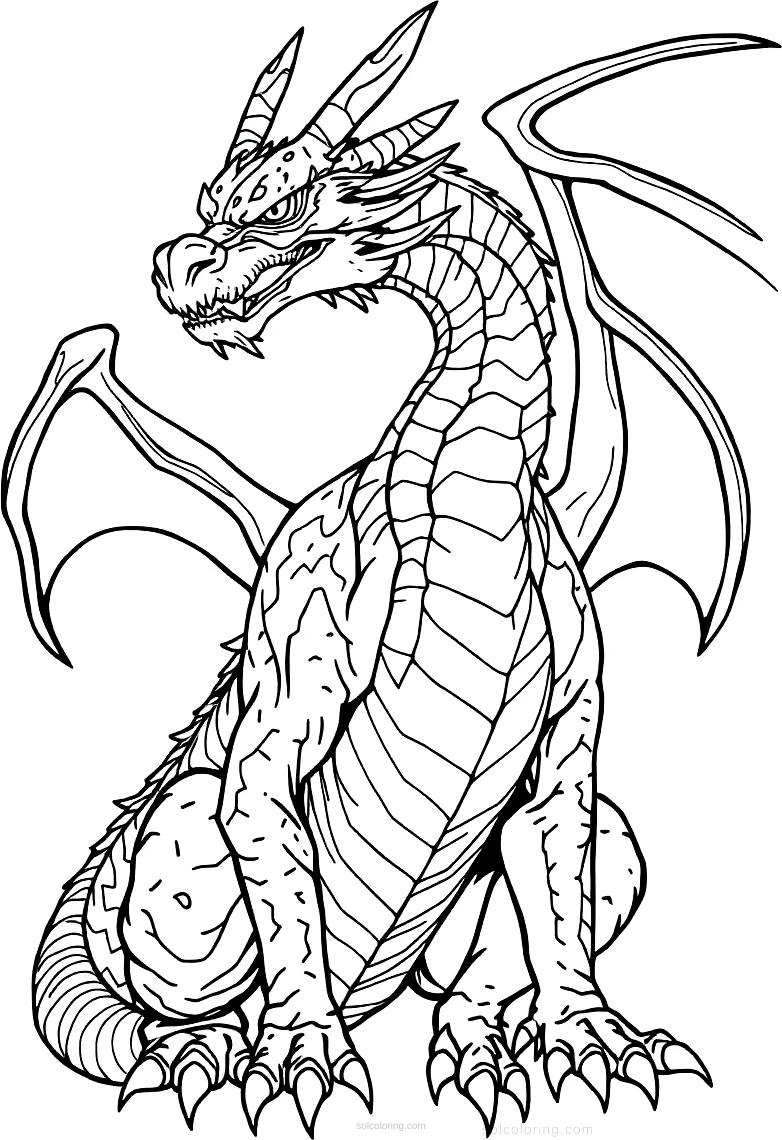
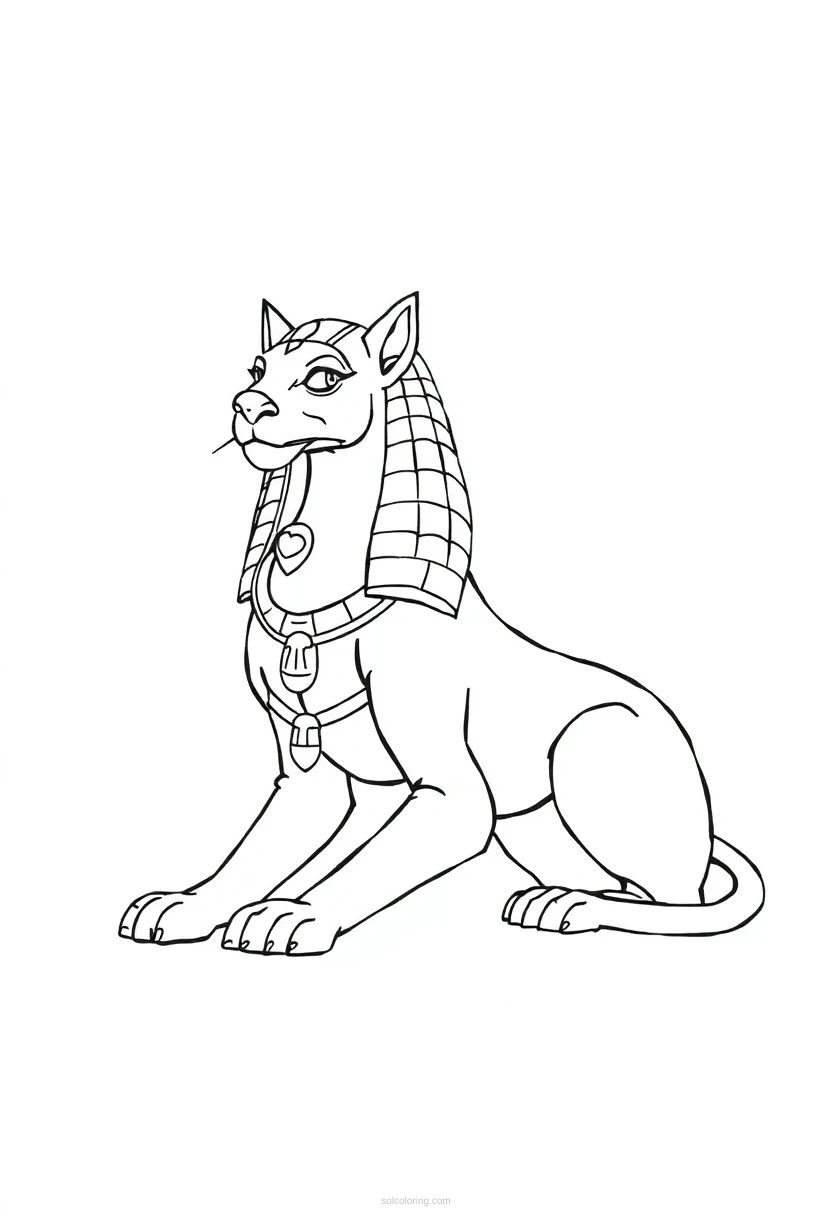
This enchanting Sphinx coloring page features the legendary mythical creature with a human head, lion's body, and majestic wings, all drawn with simple, bold outlines perfect for young artists and beginners. The design showcases the Sphinx in a classic seated pose with clear, easy-to-color sections that make this free printable page both engaging and accessible for children developing their coloring skills.
Frequently asked
What is a Sphinx and where did it come from?
The Sphinx originated in ancient Egypt, dating back to around 2500 BCE. It typically features a lion's body with a human head, usually depicting a pharaoh or deity. The word 'Sphinx' comes from Greek mythology, where similar creatures also appeared. Ancient Egyptians believed Sphinxes served as protective guardians of temples and tombs.
What powers did the Sphinx have in ancient mythology?
In mythology, Sphinxes possessed supernatural intelligence and often guarded sacred places or treasures. The Greek Sphinx famously posed riddles to travelers, killing those who answered incorrectly. Egyptian Sphinxes were believed to have protective magical powers and represented royal strength and divine authority combined.
Why did the Sphinx have a human head and lion body?
This combination symbolized the blend of human intelligence and animal strength. The human head represented wisdom, reason, and civilization, while the lion body symbolized power, courage, and wild nature. Together, they created a creature that embodied both mental and physical superiority in ancient cultures.
Are these Sphinx coloring pages free?
Yes! All our Sphinx coloring pages are completely free to download and print. Simply visit solcoloring.com, select your favorite design, and print it instantly on standard A4 or Letter paper. No subscription, membership, or payment required ever.
What age are these Sphinx coloring pages for?
Our Sphinx coloring pages are designed for ages 8 to 14, with varying difficulty levels. Younger artists enjoy simple outlines, while older kids appreciate intricate details and shading opportunities. Adults also find them relaxing and rewarding.