US States
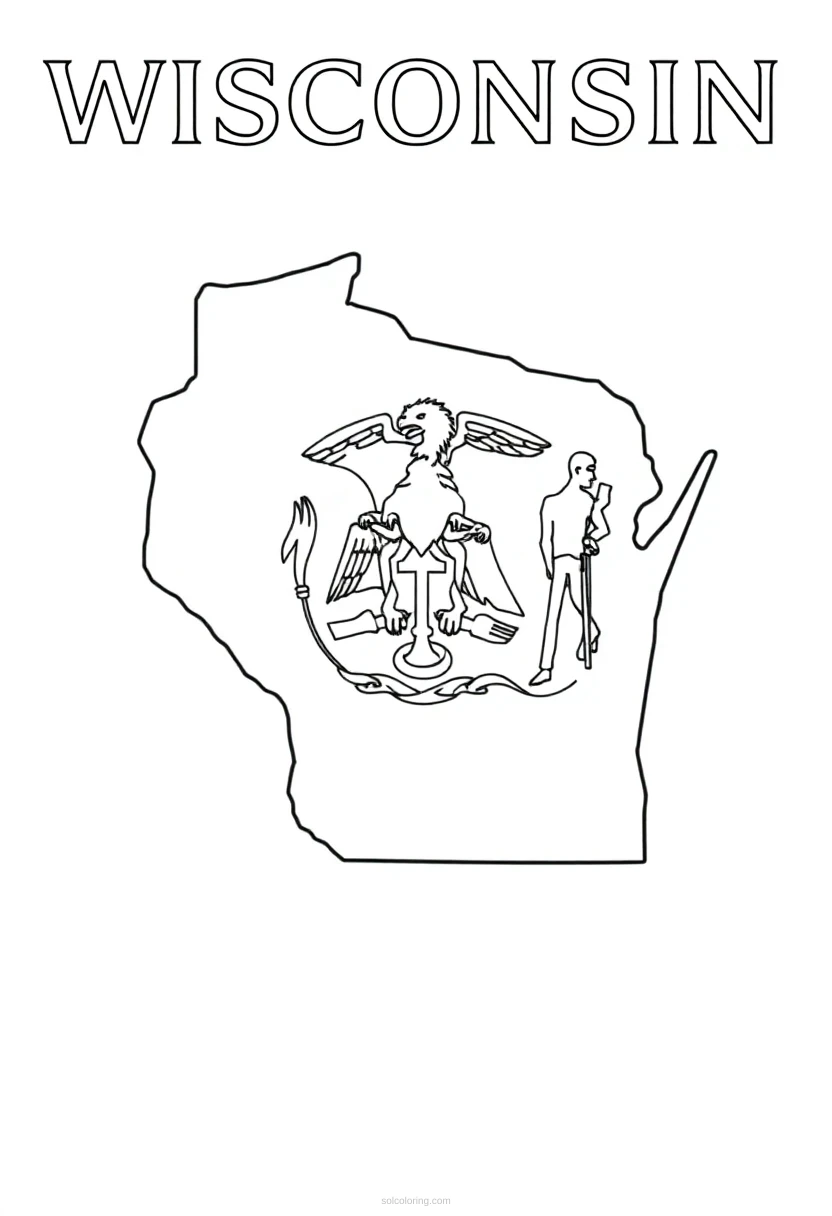
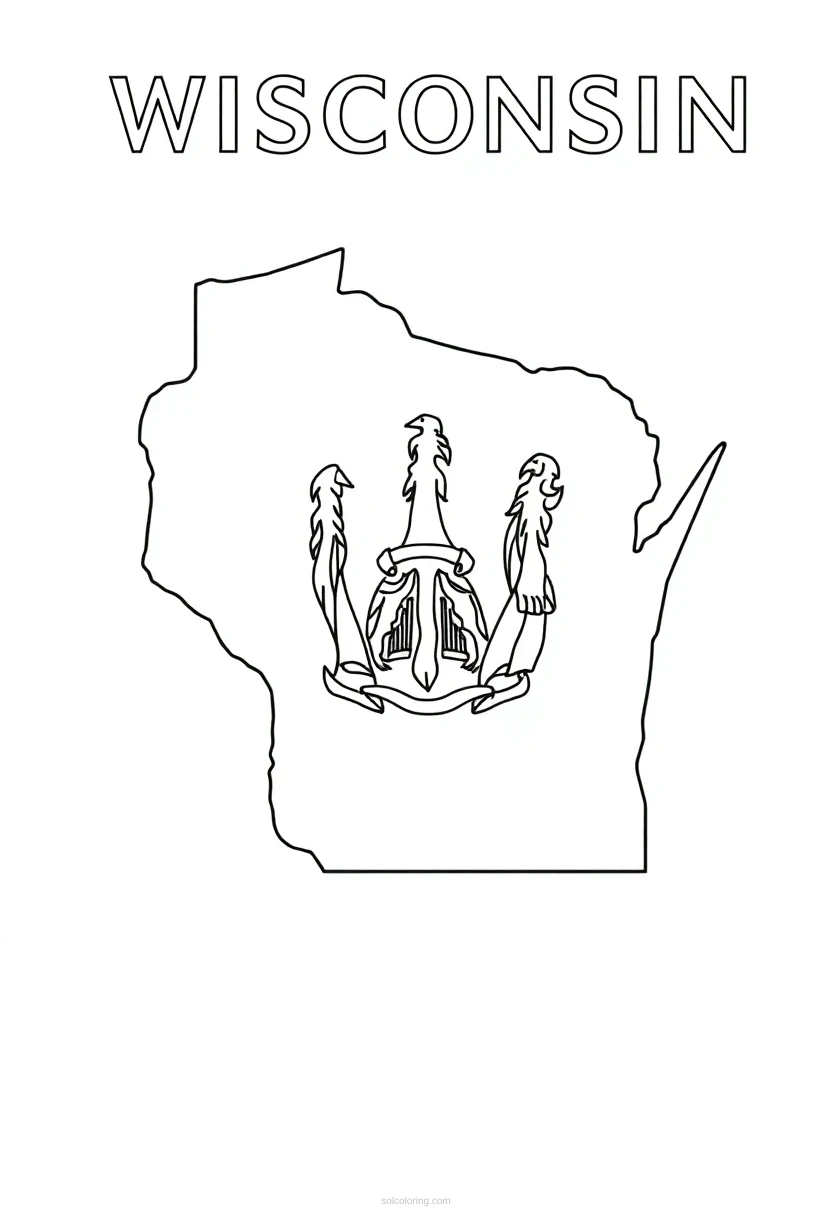
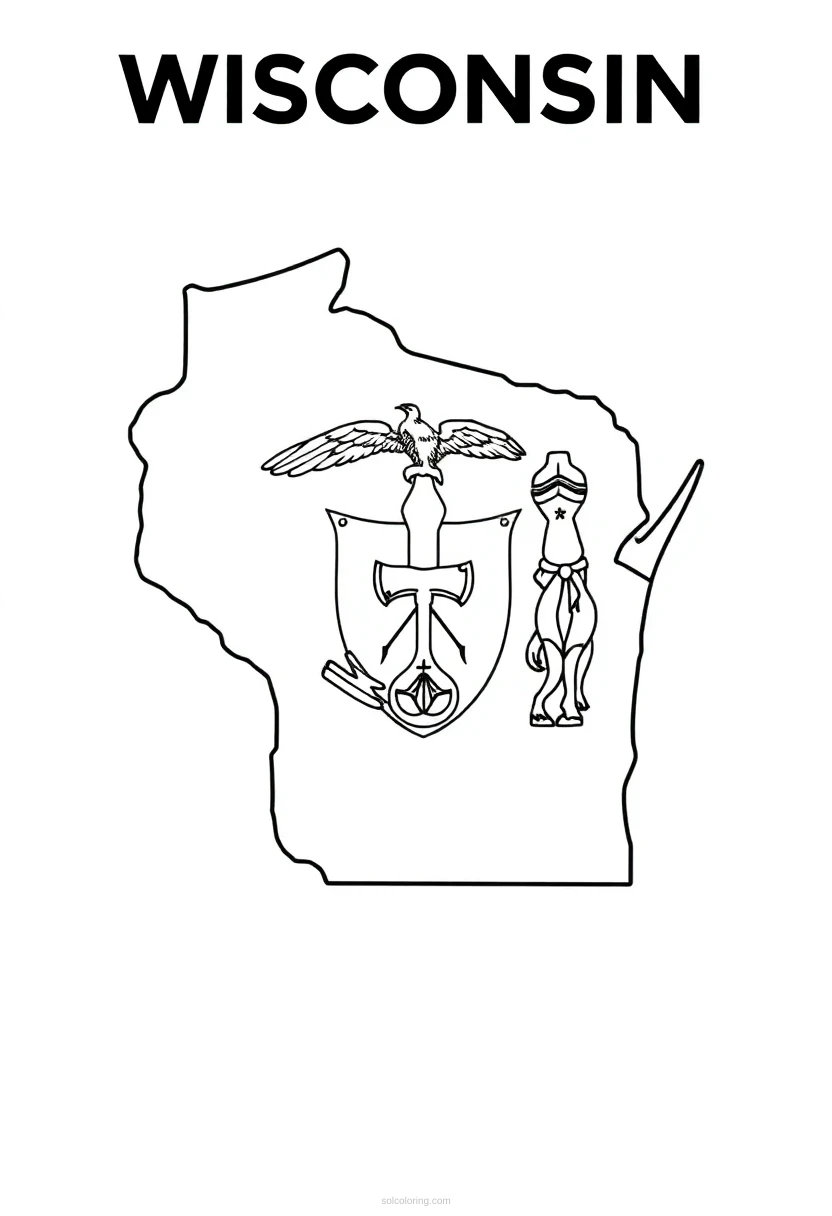
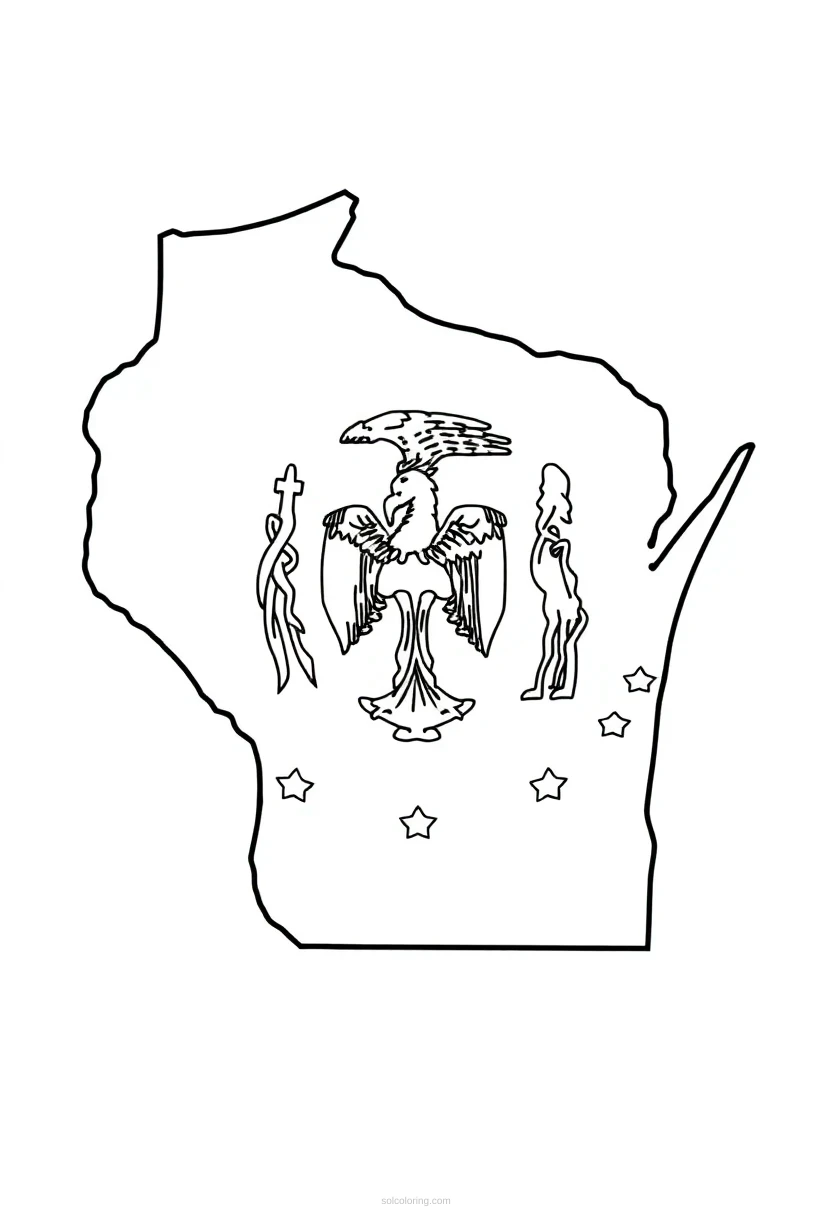
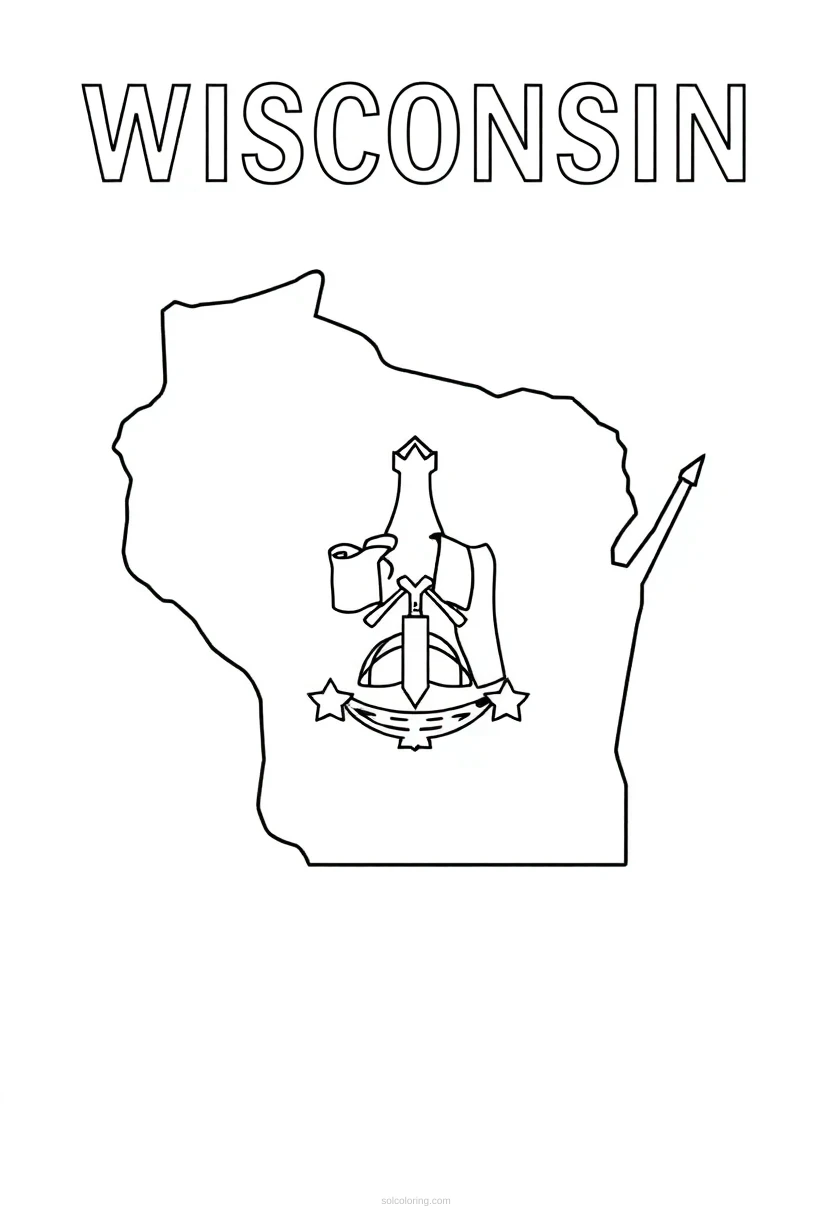
Wisconsin State Flag Coloring Page
Standard style
About this coloring page
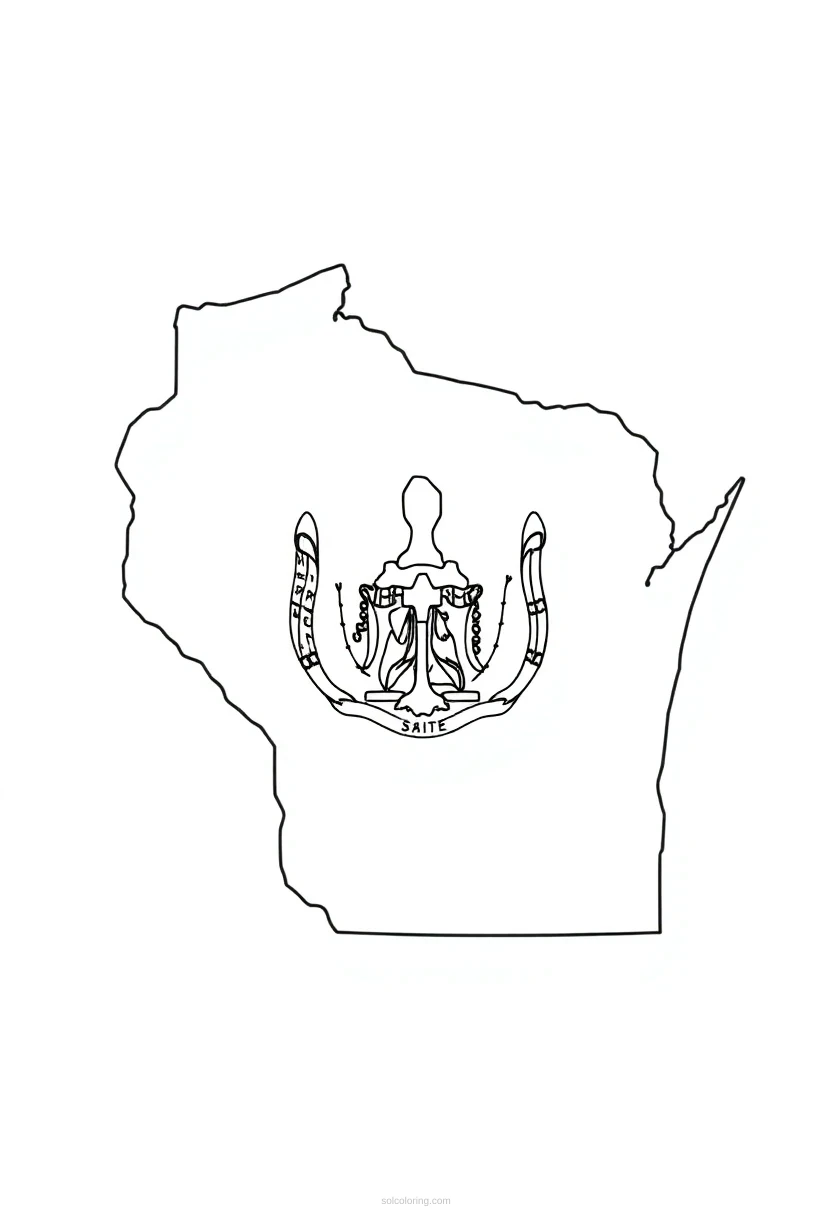
This Wisconsin State Flag coloring page features the state's distinctive design with bold, clear outlines perfect for coloring enthusiasts of all ages. The printable page showcases Wisconsin's official flag elements including the state coat of arms, making it an excellent educational activity for learning about the Badger State while enjoying creative coloring time.
Frequently asked
When was the Wisconsin State Flag officially adopted?
The Wisconsin State Flag was officially adopted on June 3, 1913. Before this date, Wisconsin was one of the few states without an official flag. The design features the state coat of arms on a royal blue background, making it one of America's more detailed and symbolic state flags with meaningful elements.
What do the symbols on the Wisconsin State Flag represent?
The Wisconsin coat of arms contains several powerful symbols. The badger represents the state's nickname, the Badger State, which comes from early lead miners. An anchor symbolizes commerce and shipping, a plow represents agriculture, an arm and hammer show labor, and a pick and shovel reference mining, reflecting Wisconsin's economic heritage.
Why is Wisconsin called the Badger State?
Wisconsin earned the nickname 'Badger State' during the lead mining boom of the 1820s and 1830s. Miners would dig extensive underground tunnels and lived in crude dugouts that resembled badger holes. The comparison stuck, and badgers became so associated with Wisconsin that it now appears on the state flag and seal.
Are these Wisconsin State Flag coloring pages free?
Yes, absolutely! All of our Wisconsin State Flag coloring pages are completely free to download and print. There are no hidden costs, subscriptions, or fees required. Simply visit Sol Coloring, find your favorite design, and print as many copies as you need for home, school, or community activities.
What age are these Wisconsin State Flag coloring pages for?
Our Wisconsin State Flag coloring pages are designed for ages 8 to 14, with varying difficulty levels. Younger children enjoy simpler designs with larger areas to color, while older kids appreciate more detailed versions with intricate patterns and shading opportunities.