World Flags
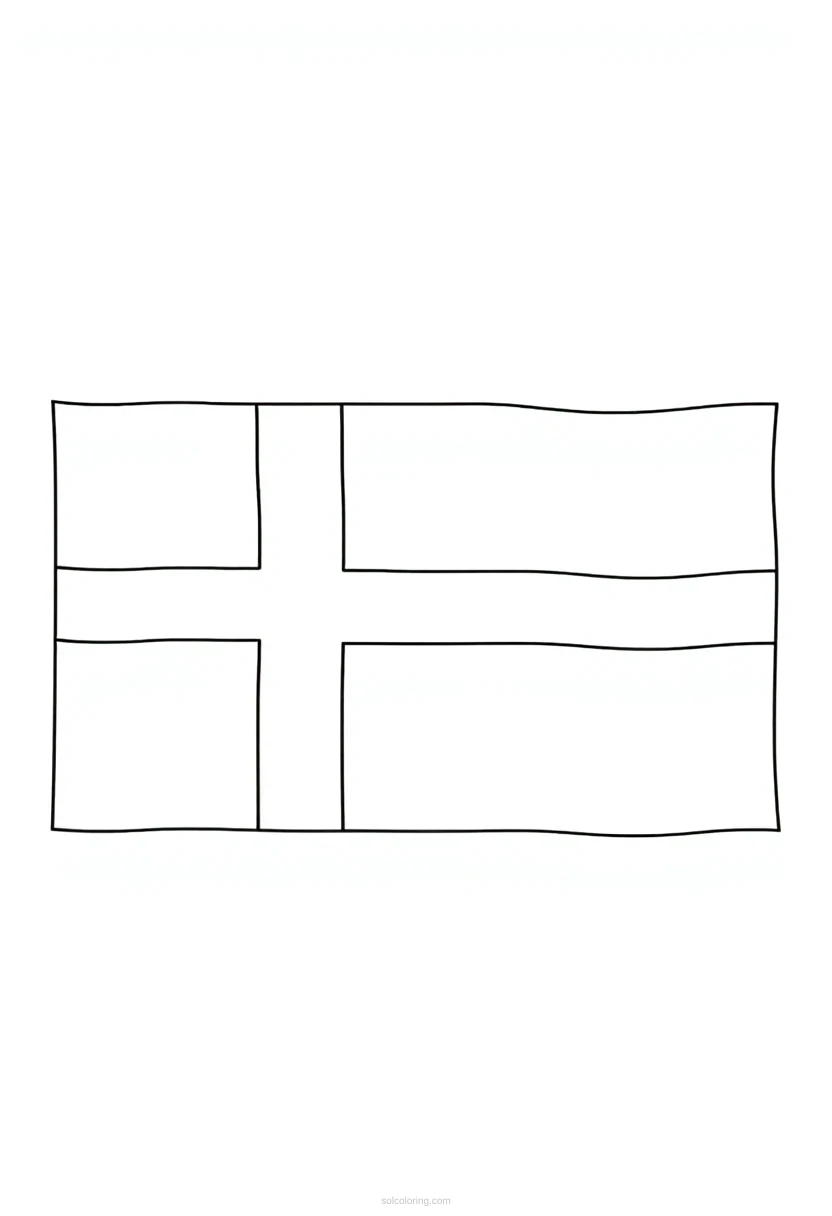
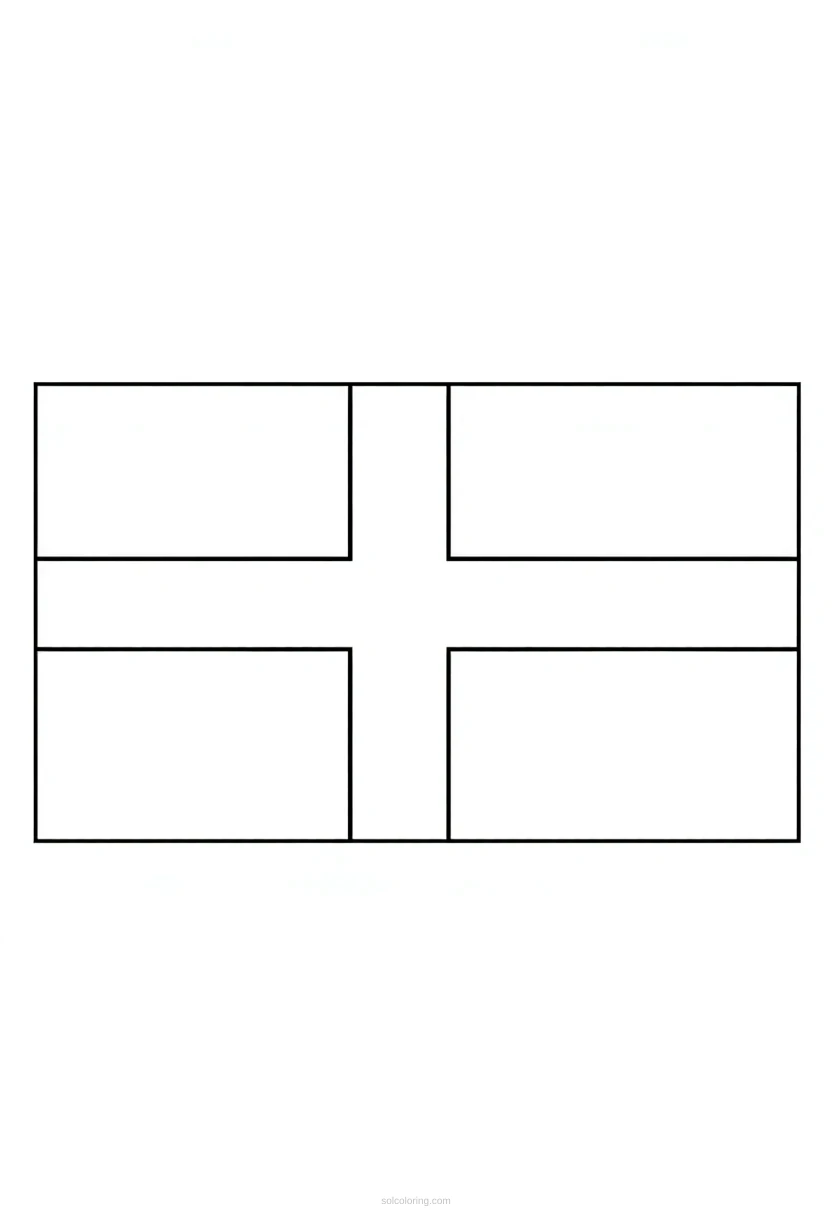
Danish Flag Coloring Page
Standard style
About this coloring page
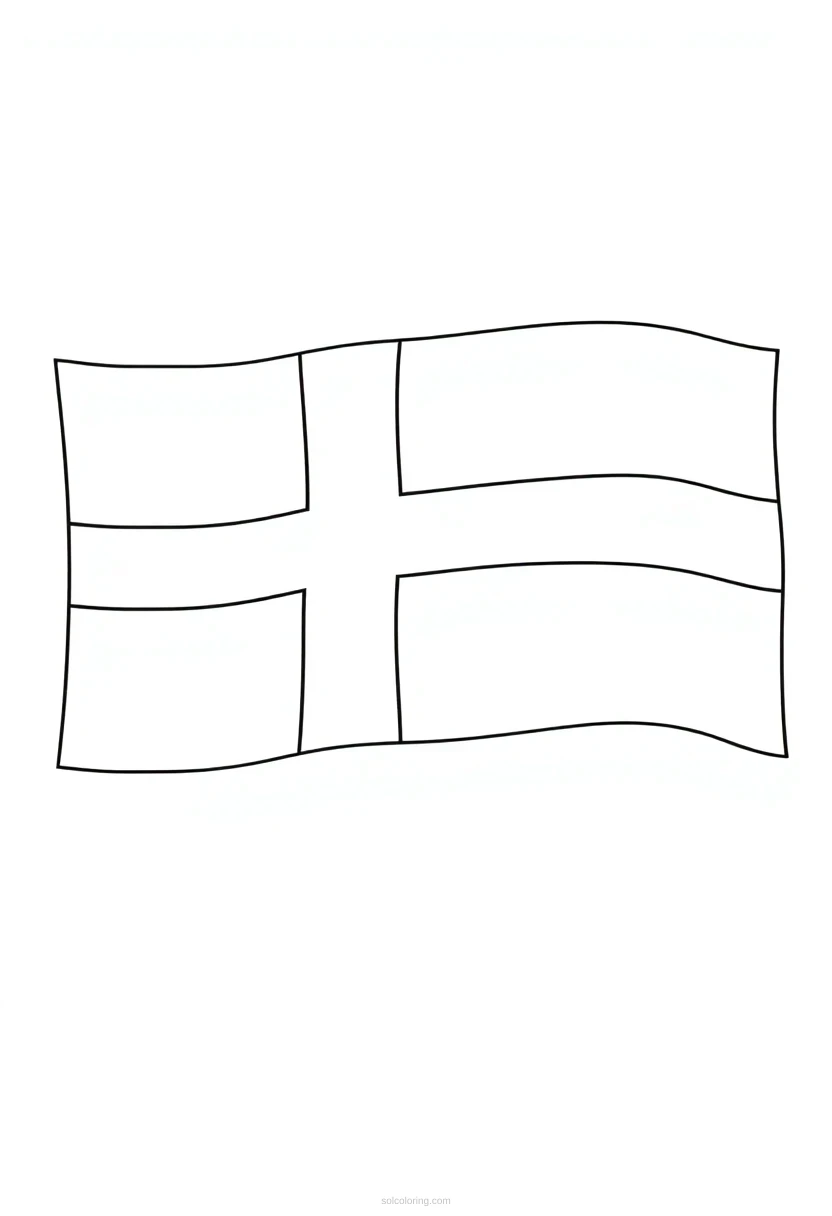
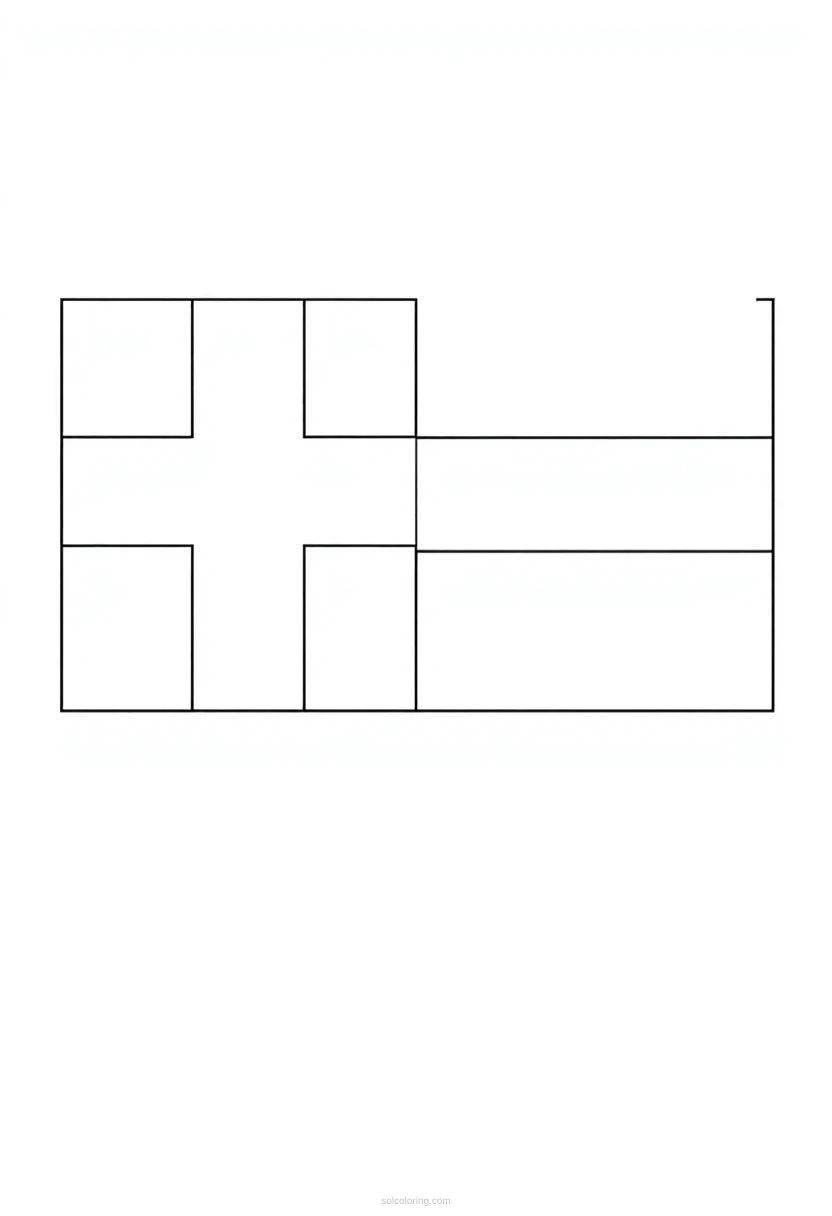
This delightful Danish Flag coloring page features the iconic Dannebrog design with its distinctive white Nordic cross on a red background, presented in a charming chibi style that's perfect for young artists. The bold, clear outlines make this free printable coloring sheet ideal for children of all skill levels who want to learn about Denmark's national symbol. Kids will love coloring the simple yet striking pattern of Denmark's flag while discovering this beautiful Scandinavian country's heritage.
Frequently asked
What does the Dannebrog symbol mean?
The Dannebrog features a white Nordic cross on a red background, representing Denmark's Christian heritage and Nordic identity. The cross shifted toward the hoist side distinguishes Nordic flags from each other. The name 'Dannebrog' means 'Danish cloth' in the Danish language.
When did Denmark adopt its national flag?
While the Dannebrog design dates back to the 14th century, Denmark officially adopted it as the national flag in 1625. It's one of the world's oldest continuously used national flags. Historical records show it was already in use during medieval battles and ceremonies.
Why is the cross on the Danish flag positioned differently than other crosses?
The Nordic cross appears offset toward the hoist, or left side, of the flag rather than centered. This distinctive positioning is shared by all Scandinavian flags and represents their common Norse heritage and historical connections. The design became standard for Nordic countries centuries ago.
Are these Danish Flag coloring pages free?
Yes, all our Danish flag coloring pages are completely free to download and print. There are no hidden fees, subscriptions, or sign-ups required. Simply visit Sol Coloring, select your favorite design, and print as many copies as you'd like for unlimited creative fun.
What age are these Danish Flag coloring pages for?
Our Danish flag coloring pages are designed for ages 8 to 14, offering various difficulty levels. Younger children can enjoy simple outlined designs, while older kids might prefer more detailed versions with additional patterns and elements to color.