Fruit
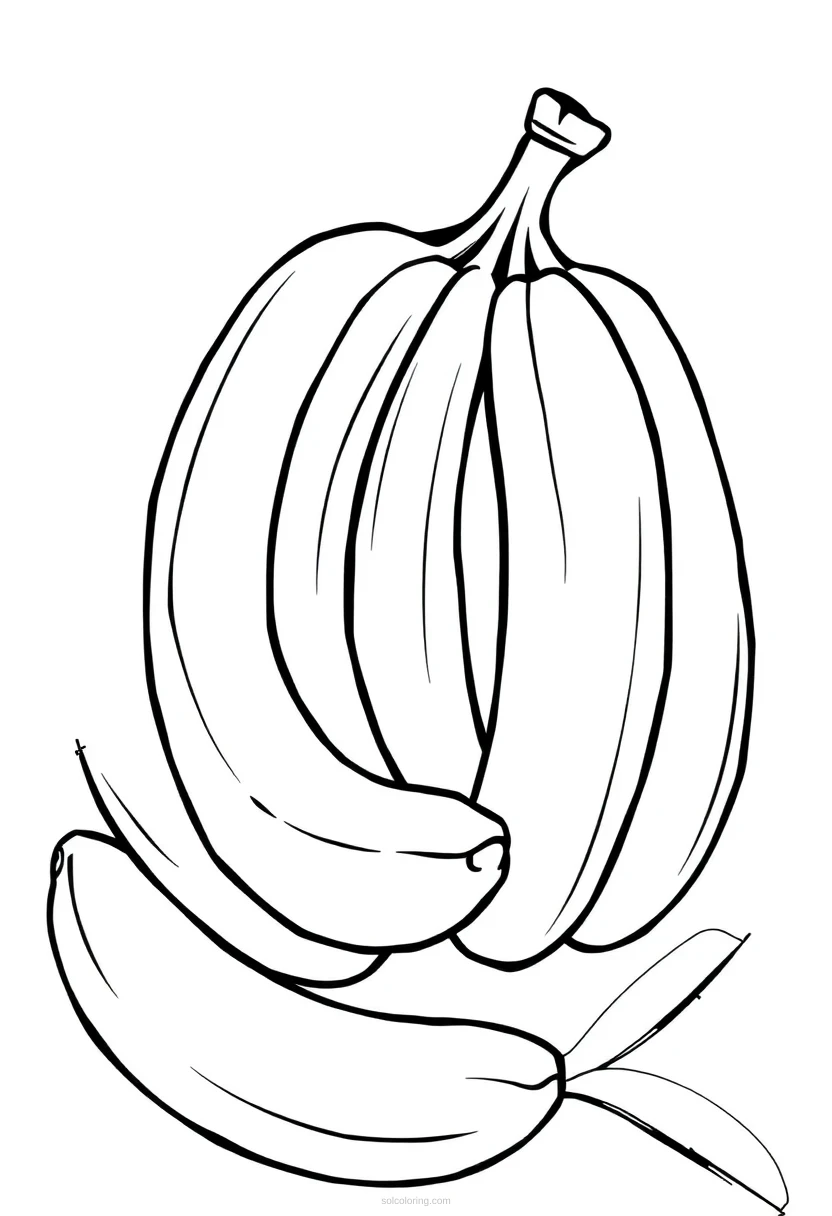
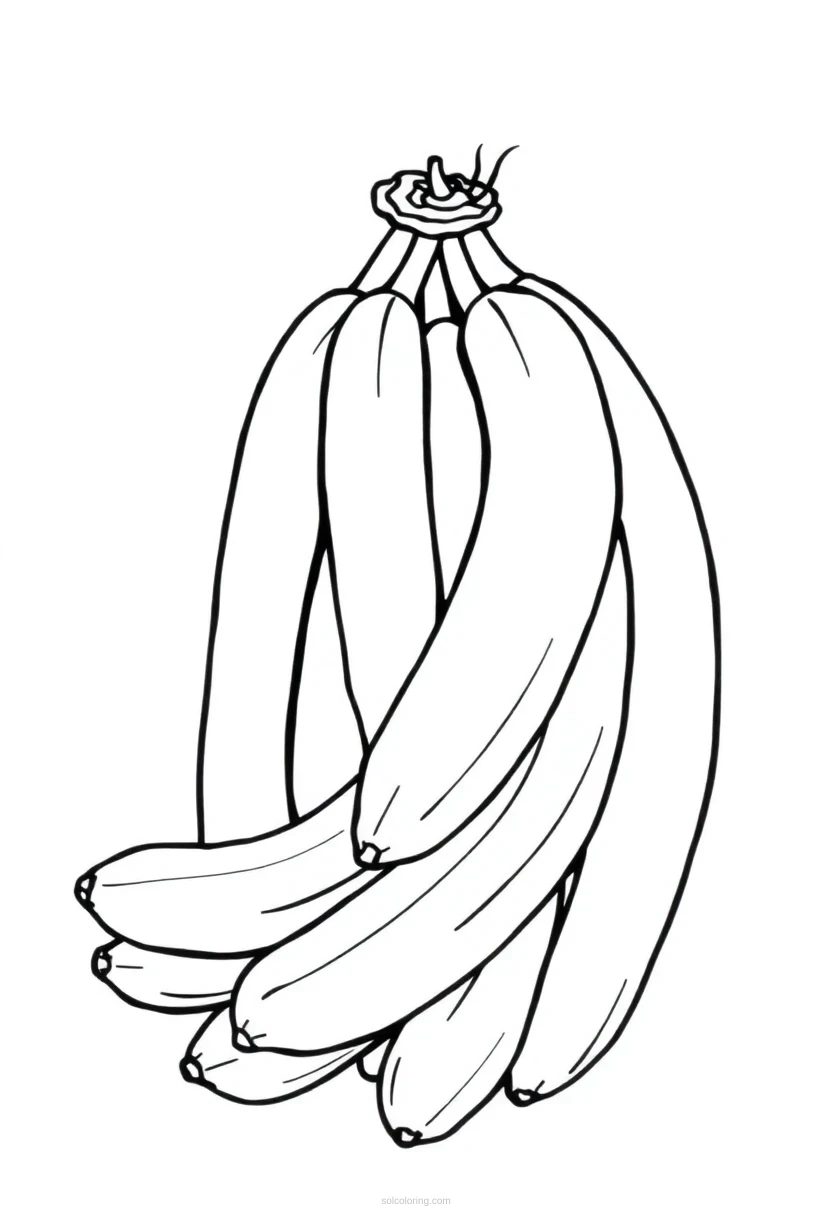
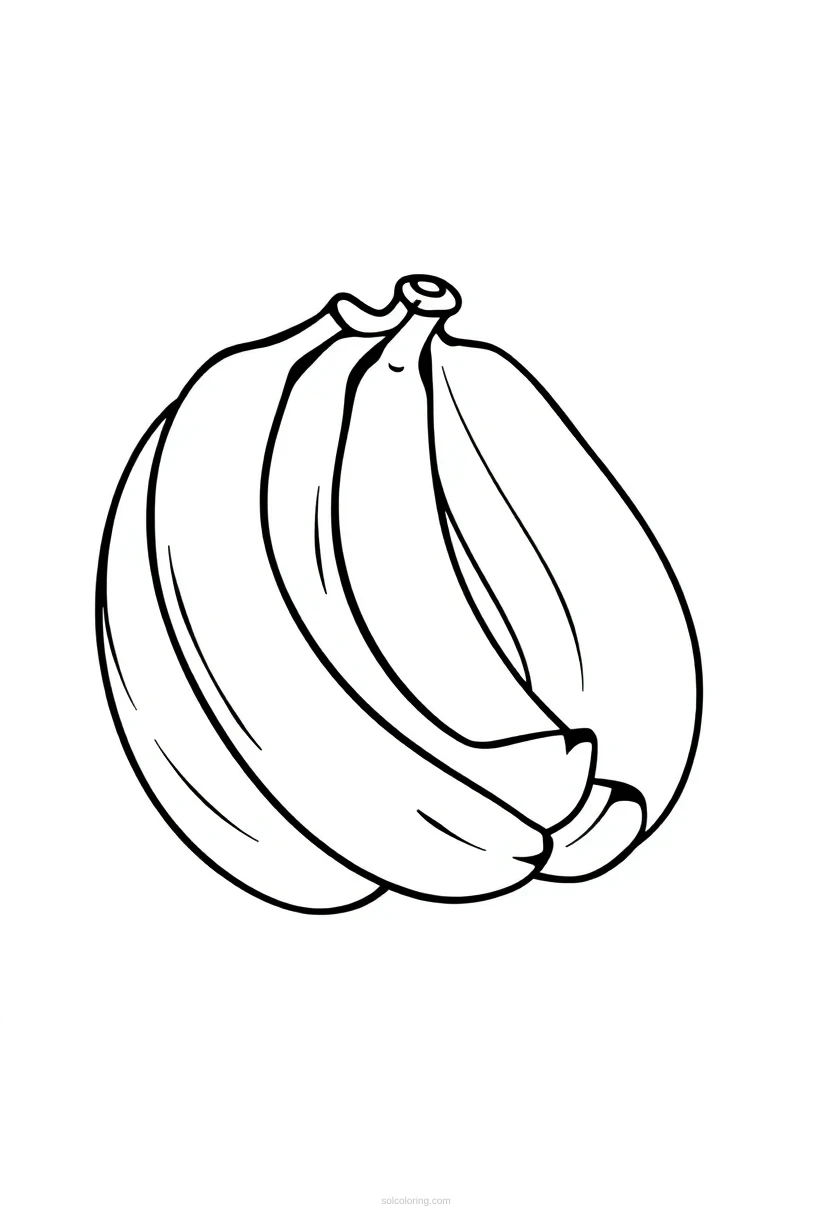
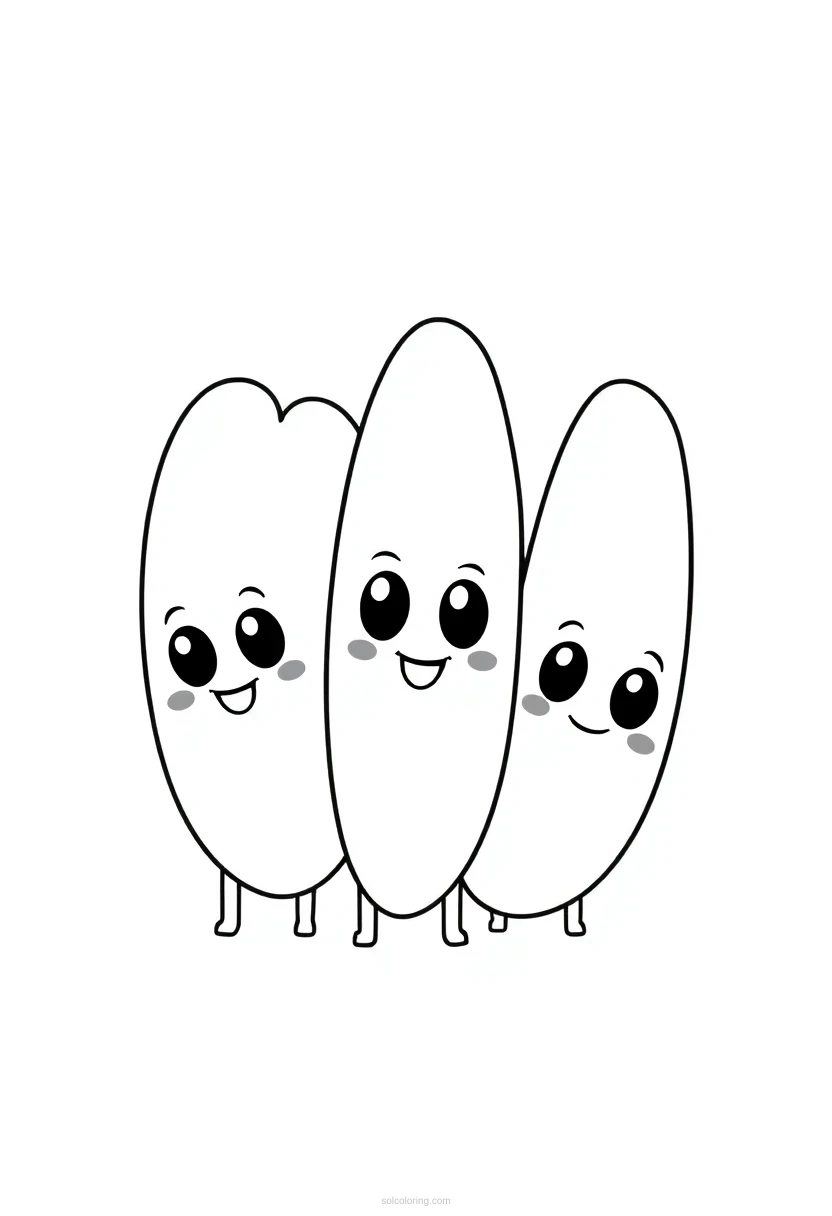
Banana Bunch Coloring Page
Standard style
About this coloring page
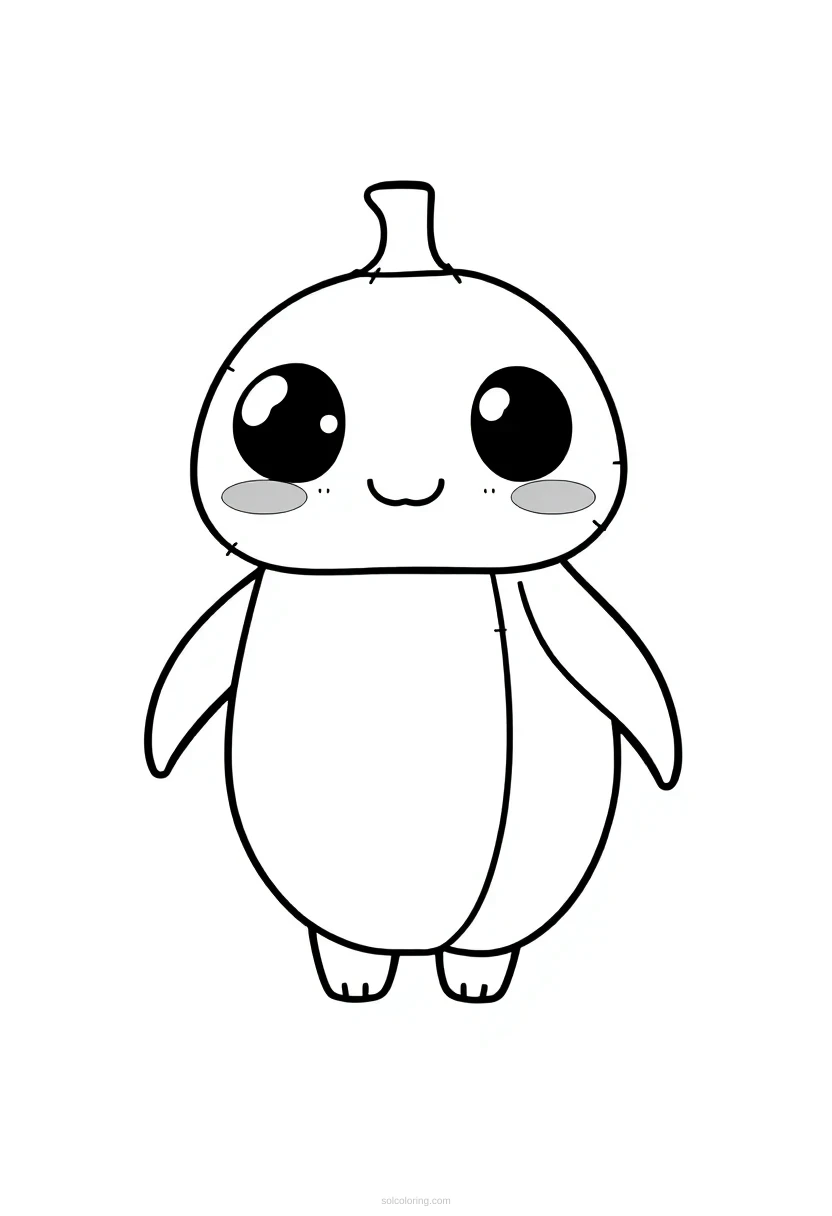
This adorable Banana Bunch coloring page features a cluster of cute chibi-style bananas with happy faces and bold, easy-to-color outlines. Perfect for young artists, this free printable offers simple shapes that make coloring fun and stress-free. The charming banana bunch design encourages creativity while helping kids practice their coloring skills with this delightful fruit-themed artwork.
Frequently asked
Why do bananas grow in bunches instead of individually?
Bananas grow in bunches called hands because they develop from a single flower stalk called a crown. Each hand contains 10 to 20 individual bananas, all sharing the same roots and nutrients. This grouped growth pattern helps protect developing bananas and allows farmers to harvest multiple fruits at once efficiently.
Where do bananas originally come from?
Bananas are believed to have originated in Southeast Asia, particularly in Malaysia and Indonesia, thousands of years ago. Today, the top banana-producing countries are India, China, and the Philippines. These tropical fruits now grow in over 150 countries worldwide, making them one of the most cultivated crops on Earth.
What makes bananas change color as they ripen?
Bananas change from green to yellow to brown because of a natural process involving ethylene gas. As bananas ripen, they produce more ethylene, which triggers the breakdown of chlorophyll (the green pigment) and the development of yellow pigments. Brown spots appear when starches convert to sugars, making ripe bananas sweeter and softer.
Are these Banana Bunch coloring pages free?
Yes, absolutely! All our Banana Bunch coloring pages are completely free to download and print. Simply visit our website, select your favorite design, and print as many copies as you'd like on standard A4 or Letter-sized paper. No registration, subscription, or hidden fees required.
What age are these Banana Bunch coloring pages for?
Our Banana Bunch coloring pages are designed for ages 8 to 14, with varying difficulty levels. Younger children can enjoy simple designs with large areas to color, while older kids and teens can tackle detailed illustrations with intricate patterns and shading opportunities.