Fruit
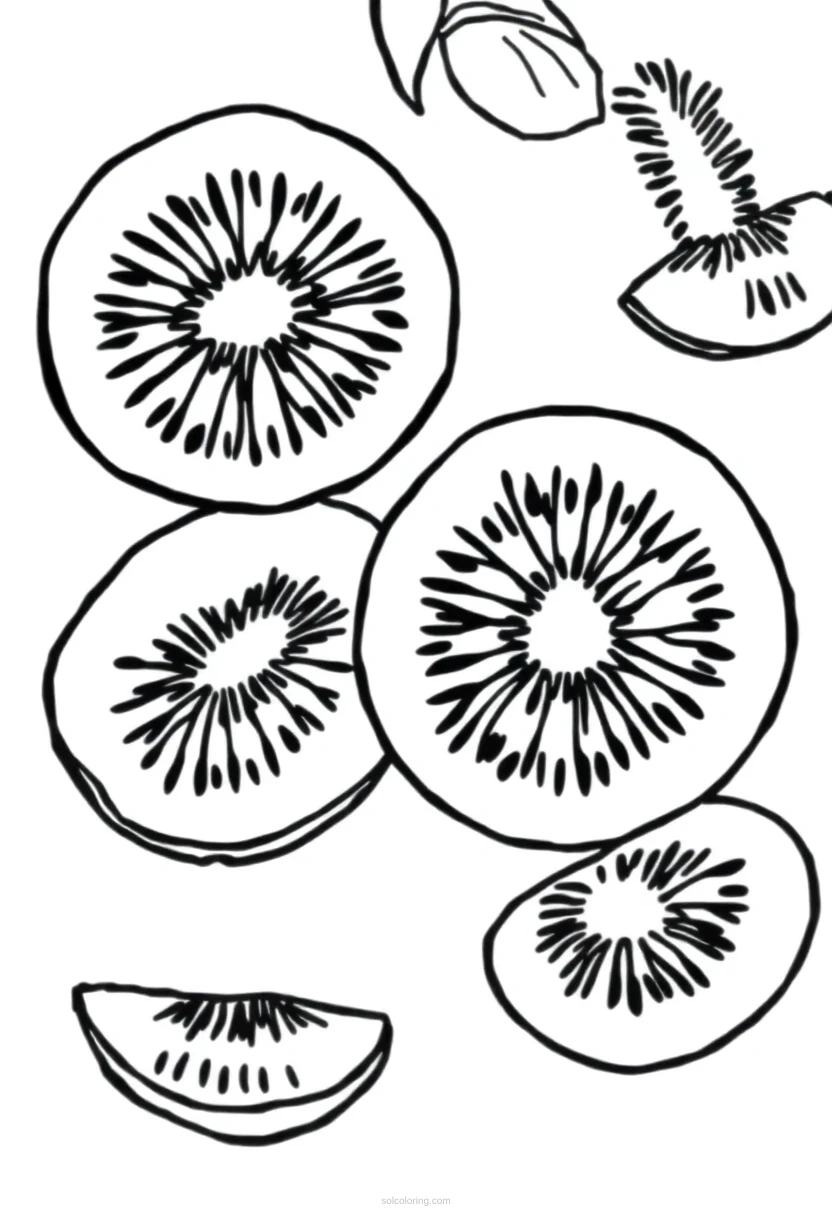
Kiwi Slices Coloring Page
Standard style
About this coloring page
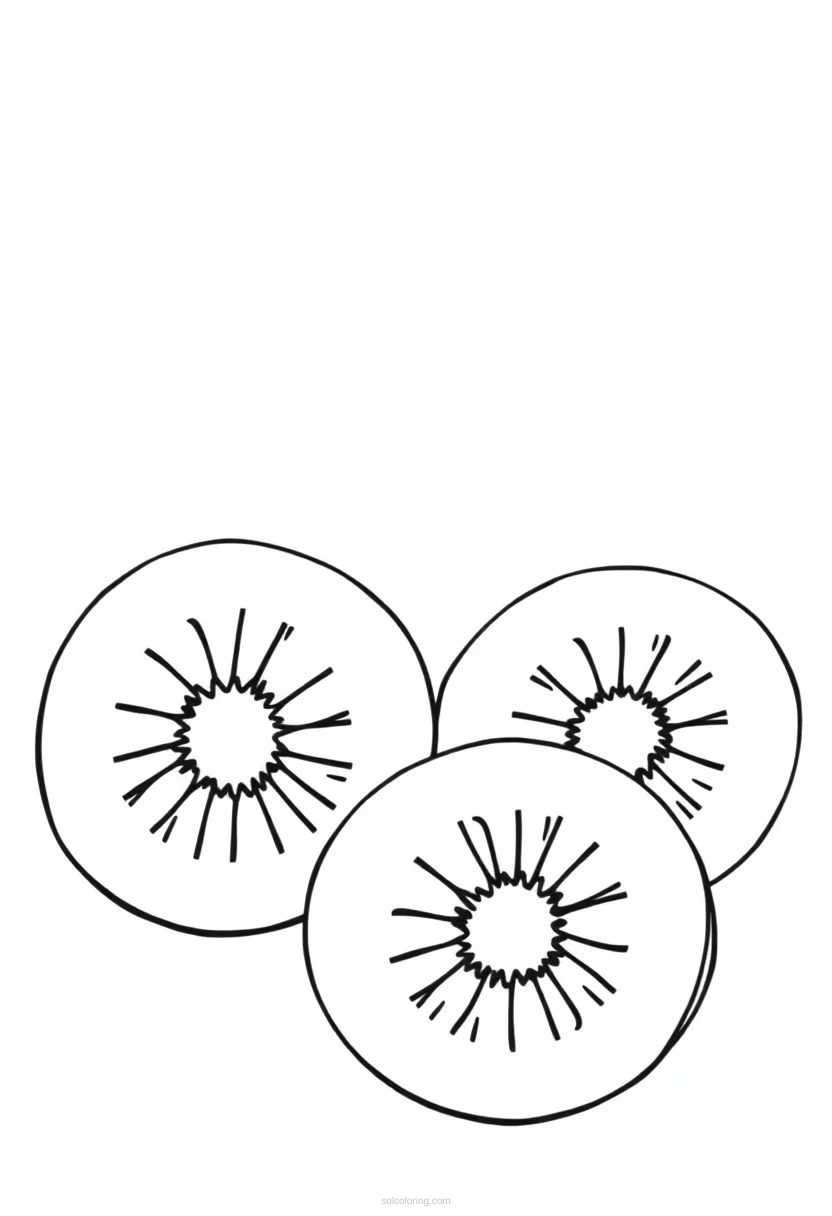
This delightful Kiwi Slices coloring page features realistic cross-sections of fresh kiwi fruit with bold, clear outlines perfect for all ages. The detailed design shows the beautiful star pattern and seeds inside each kiwi slice, making it an engaging and educational free printable that's ideal for learning about healthy fruits while having creative fun.
Frequently asked
Where do kiwi fruits actually come from?
Despite their association with New Zealand, kiwis originally came from China, where they were called yang tao. The fruit was brought to New Zealand in the early 1900s and was renamed kiwifruit after the country's national bird. Today, China is actually the world's largest kiwi producer, followed by New Zealand and Italy.
Why are kiwis called kiwis in New Zealand?
New Zealand growers renamed the fruit from Chinese gooseberry to kiwifruit in the 1950s as a marketing strategy. They chose the name after New Zealand's national bird, the kiwi, because the fuzzy brown skin of the fruit resembled the bird's feathers. This clever naming helped make the fruit an iconic symbol of New Zealand.
What makes kiwi slices so colorful and nutritious?
Kiwi slices display their bright green color from chlorophyll and their vibrant appearance from essential nutrients. The tiny black seeds are packed with omega-3 fatty acids, while the flesh contains vitamin C, which is why kiwis are sometimes called nature's superfruits. One medium kiwi provides about 71 percent of your daily vitamin C needs.
Are these Kiwi Slices coloring pages free?
Yes, all of our kiwi slices coloring pages are completely free to download and print. There are no hidden fees, subscriptions, or memberships required. Simply visit Sol Coloring, select your favorite free printable coloring page design, and print as many copies as you'd like from your home printer.
What age are these Kiwi Slices coloring pages for?
Our kiwi slices coloring pages are designed for children and adults aged 8 to 14, with varying difficulty levels. Younger colorers can enjoy simple, bold designs with large areas to fill, while older kids can tackle more detailed pages with intricate patterns and smaller sections for precise coloring.