Rpg Fantasy
8 Bit Magical Forest Coloring Pages
6 free printable designs including Standard, Standard, Standard, Standard and more.
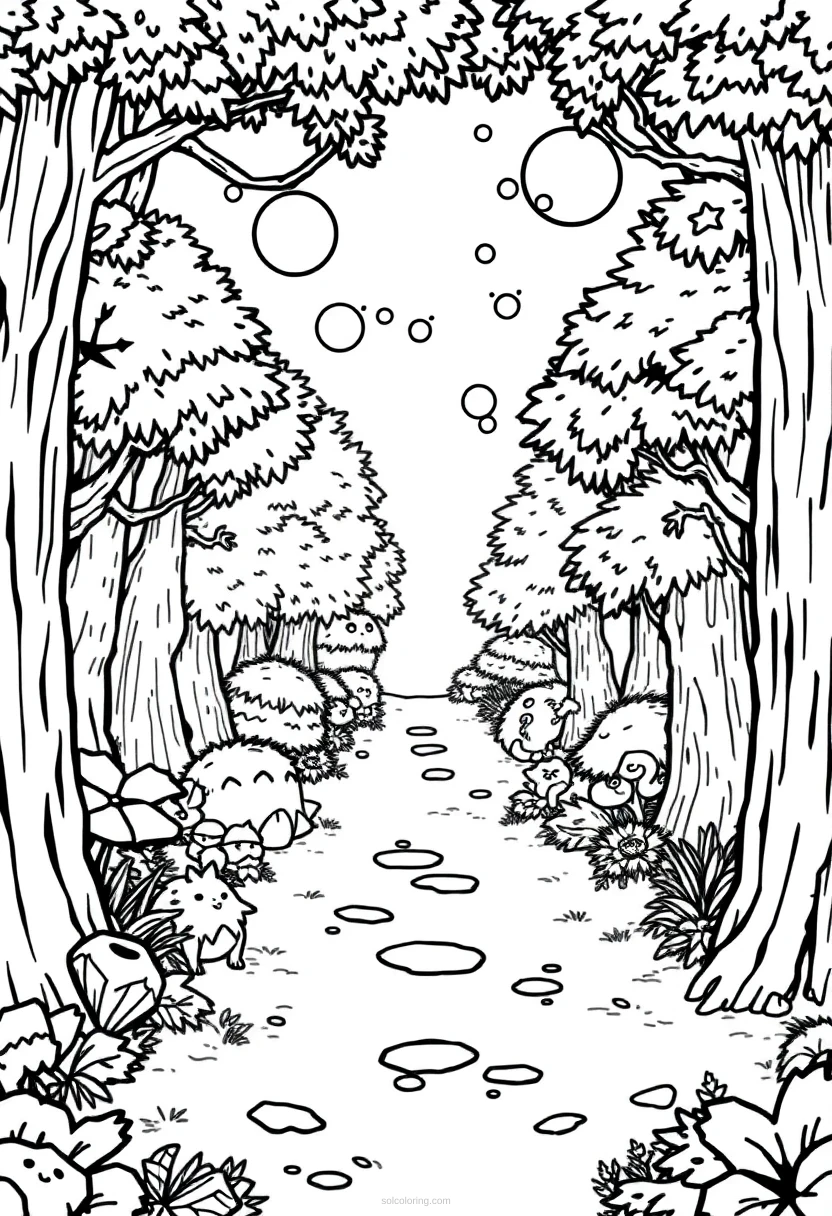
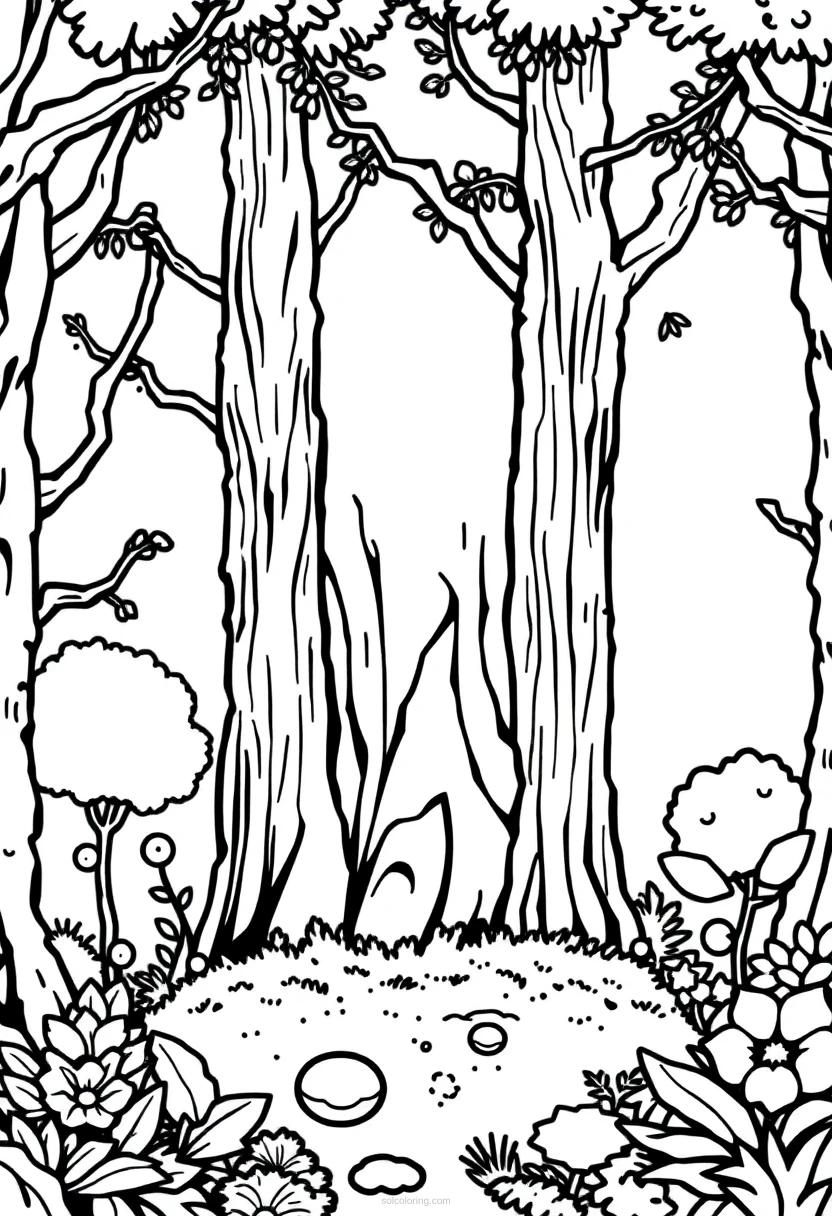
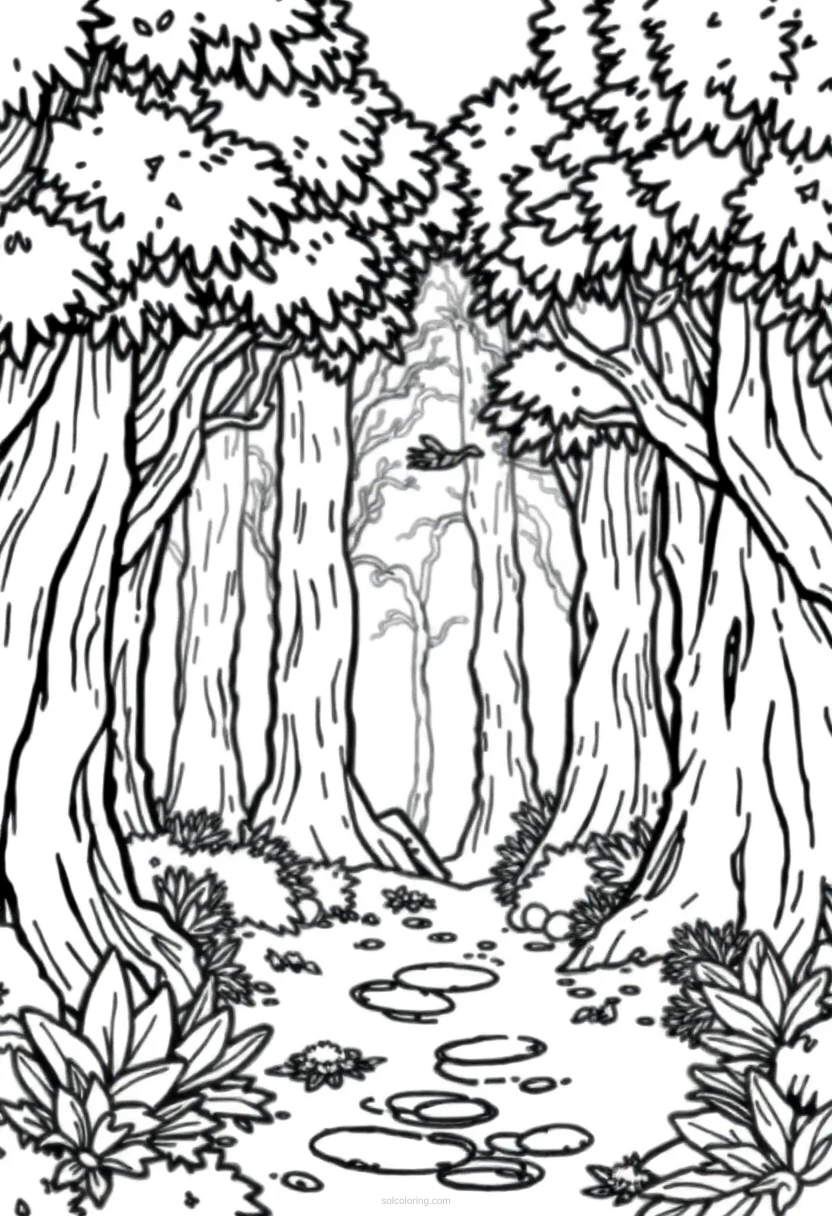
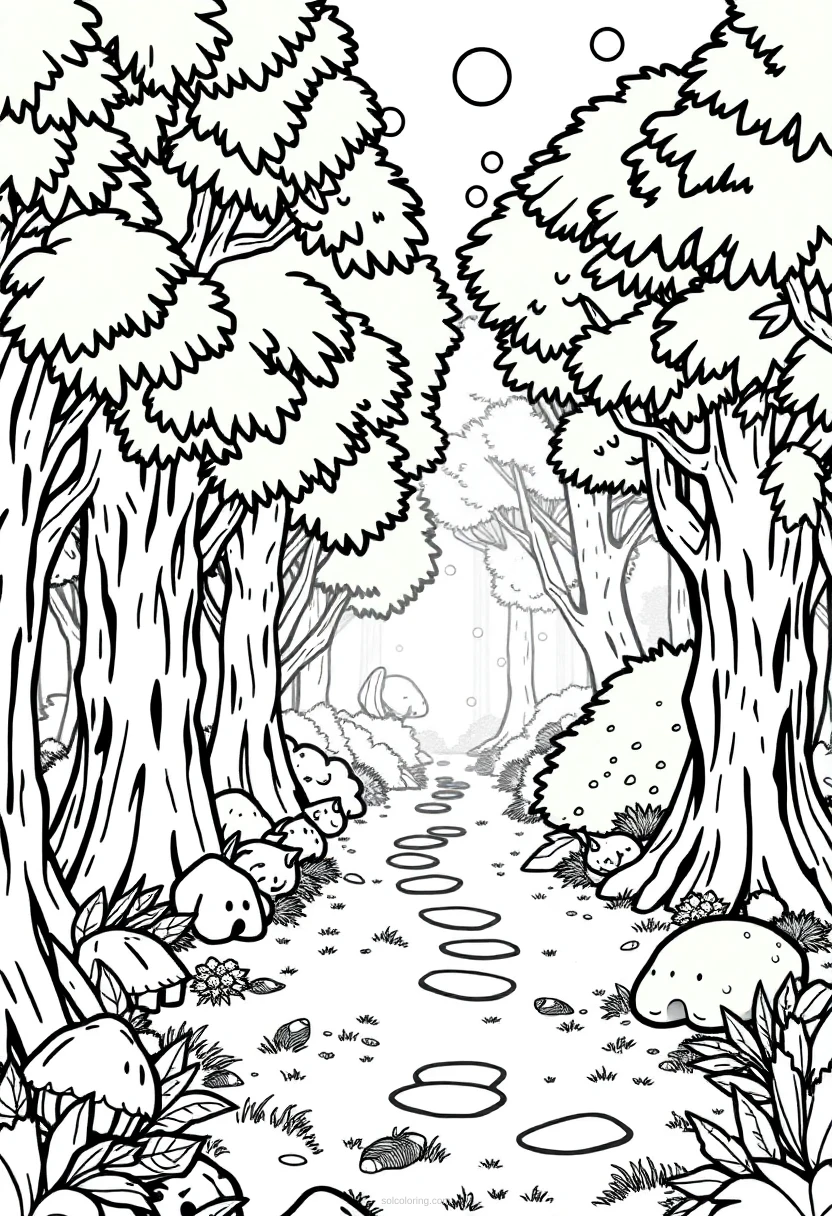
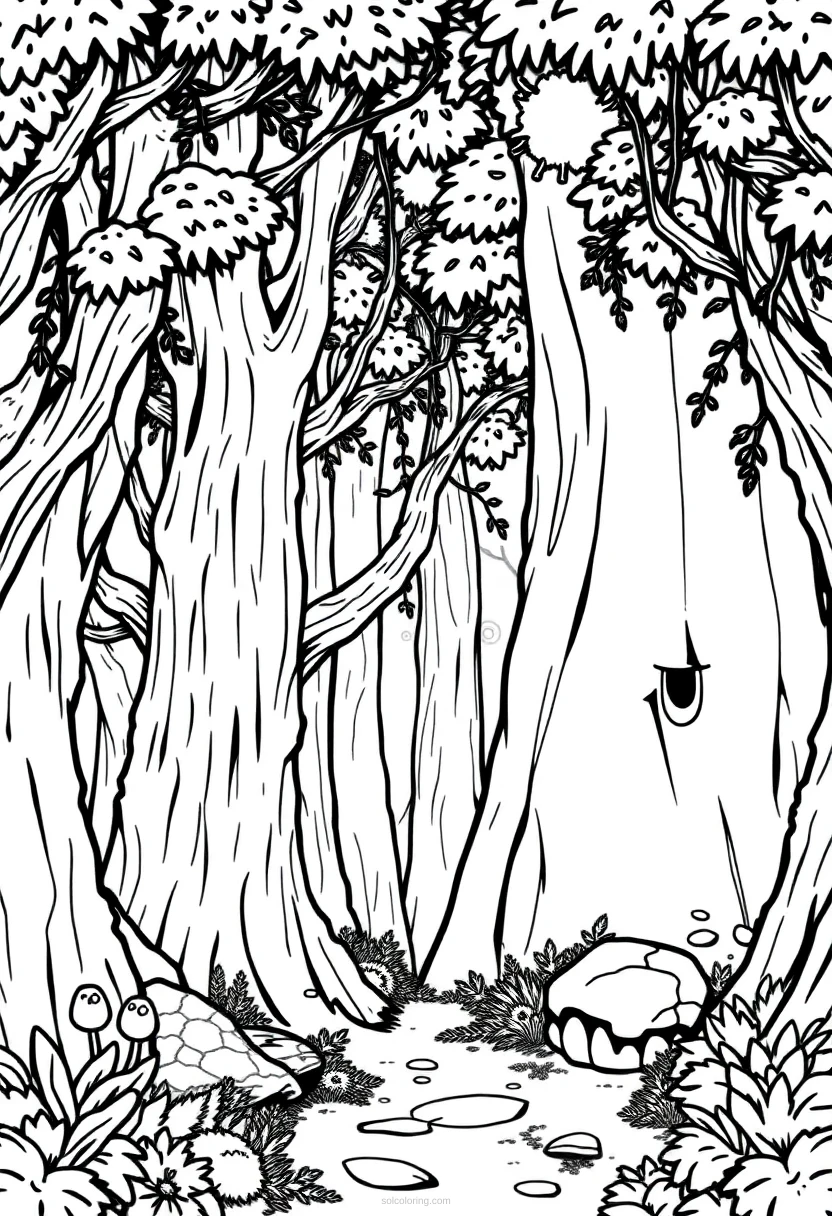
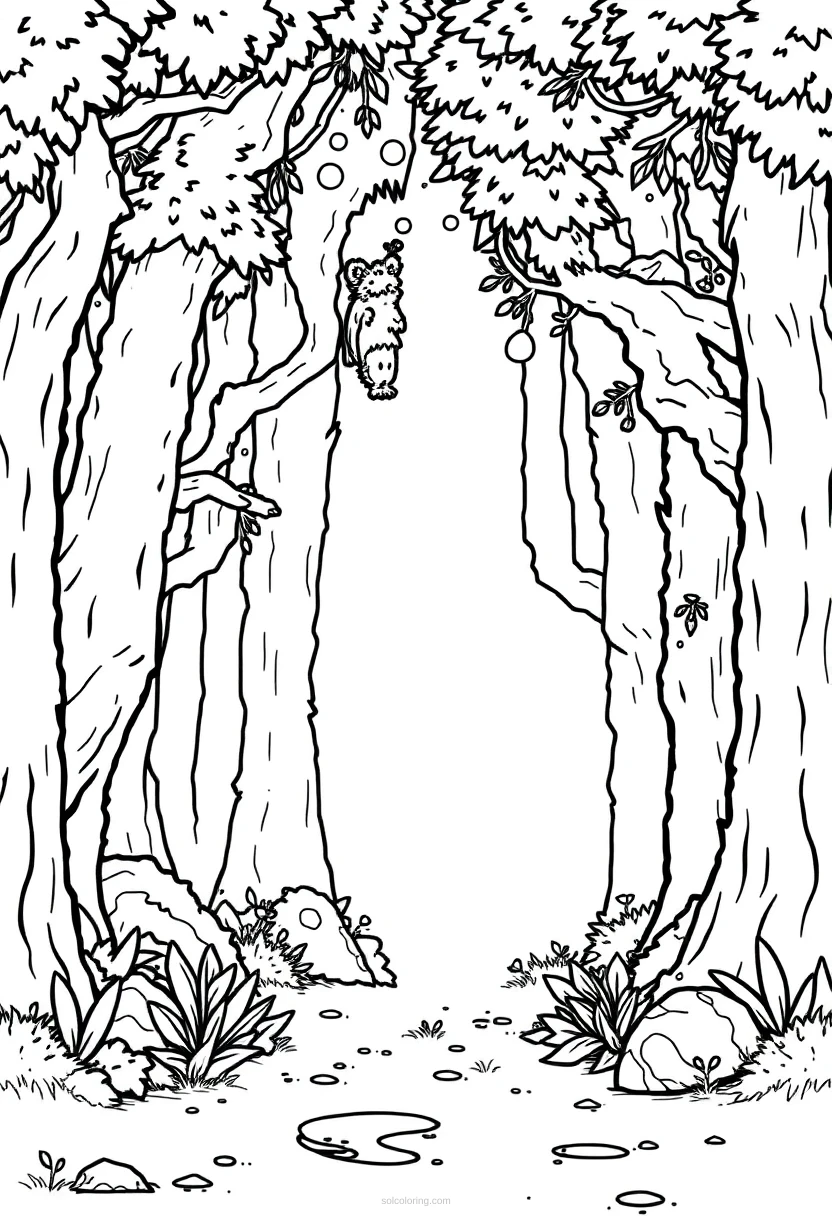
Step into a pixelated realm where magic meets adventure in this enchanting 8 Bit Magical Forest coloring page. Inspired by classic RPG fantasy games, this free printable coloring page combines the nostalgic charm of retro pixel art with the wonder of mystical woodland settings. Perfect for gamers and fantasy fans alike, this detailed design features enchanted trees, magical creatures, and hidden treasures waiting to be brought to life with color. Whether you're seeking a relaxing creative activity or a fun way to celebrate your favorite gaming aesthetic, this free printable coloring page offers hours of entertainment for all ages.
Read more →Read less ↑
Choose a style
Did you know?
Fun facts about 8 Bit Magical Forest
The original Legend of Zelda game, released in 1986, featured expansive forests that players could explore freely, revolutionizing how video games used natural environments in their design.
Pixel art forests require careful color planning because adjacent pixel colors blend optically, meaning light green next to dark green creates the illusion of movement and depth.
Early RPG games like Dragon Quest used forest mazes specifically because pixel trees could represent movement without requiring animation, saving precious computer memory.
The term 'magical forest' became a gaming trope partly through tabletop RPGs like Dungeons and Dragons, which inspired the first computer RPGs to include similar mystical woodland settings.
Modern pixel art tools use algorithms to downscale high-resolution images into pixel form, but the best retro game forests were hand-crafted pixel by pixel by dedicated digital artists.
About 8 Bit Magical Forest
What is pixel art and why is it used in retro video games?
Pixel art consists of small colored squares called pixels arranged to create images. In the 1980s and 1990s, computers had limited memory and processing power, making pixel art the perfect solution. Each pixel could be controlled individually, allowing artists to create detailed characters and landscapes using very little data. This technique remains popular today for its unique charm.
What role do forests play in fantasy RPG games?
Forests are fundamental settings in fantasy RPGs because they represent mystery, danger, and magic. They typically contain quests, rare treasures, powerful monsters, and NPCs offering side missions. The dense trees create natural obstacles and hiding spots that add excitement and challenge. Many iconic fantasy games feature magical forests as key story locations.
Why do magical forests appear in so many video games?
Magical forests tap into universal human fascination with nature and the unknown. They combine beauty with danger, offering both peaceful exploration and thrilling combat encounters. Forests provide practical game design benefits too: they naturally hide secrets, create atmospheric mood, and serve as natural barriers between game zones, making them ideal for world-building.
What creatures typically inhabit magical forests in RPG games?
Magical forests host diverse creatures including elves, fairies, forest spirits, giant spiders, enchanted wolves, and mystical bosses. These inhabitants vary from helpful allies offering quests to dangerous enemies requiring strategy to defeat. The variety keeps exploration exciting and provides different gameplay challenges. Each creature type often guards specific treasures or knowledge.
How did 8-bit graphics influence modern game design?
Eight-bit graphics taught designers that limitation breeds creativity. Developers learned to convey emotion and detail through minimal pixels, establishing iconic visual styles still used today. This constraint-based design influenced everything from UI design to storytelling methods. Modern indie games intentionally use pixel art, proving its timeless aesthetic and storytelling power.
What makes pixel art forests visually appealing for coloring?
Pixel art forests create satisfying geometric patterns where each pixel square offers a distinct coloring opportunity. The blocky style makes it easier to stay within lines while the detailed layering of trees, plants, and magical elements provides complexity. Colorists enjoy the mix of simple structure with intricate detail, making these pages engaging without being frustrating.
More Rpg Fantasy coloring pages
Coloring page FAQs
Are these 8 Bit Magical Forest coloring pages free?
Yes, absolutely! All our 8 Bit Magical Forest designs are completely free to download and print. There are no hidden fees, no signups required, and no watermarks. Simply visit Sol Coloring, select your favorite free printable coloring page, and start creating.
What age are these 8 Bit Magical Forest coloring pages for?
These coloring pages are designed for ages 8 and up, including teens and adults. The pixel art style offers moderate detail that keeps younger colorists engaged without overwhelming them. Older participants enjoy the nostalgic gaming aesthetic and creative color combinations.
How do I print these 8 Bit Magical Forest coloring pages?
Printing is simple and straightforward. Download the PDF, open it on your computer, and print using your home printer on standard A4 or Letter-sized paper. No special software, registration, or technical knowledge is needed. Just grab your colored pencils and start coloring.