Artists
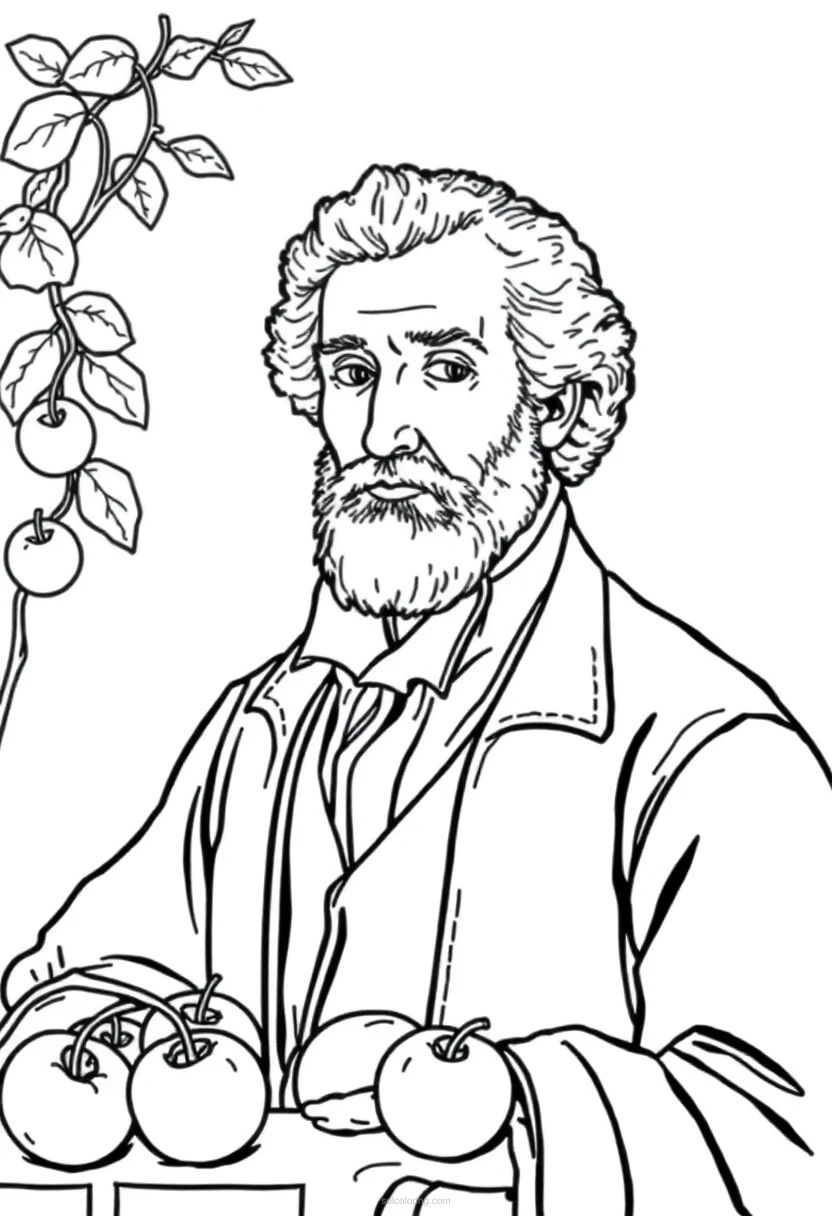
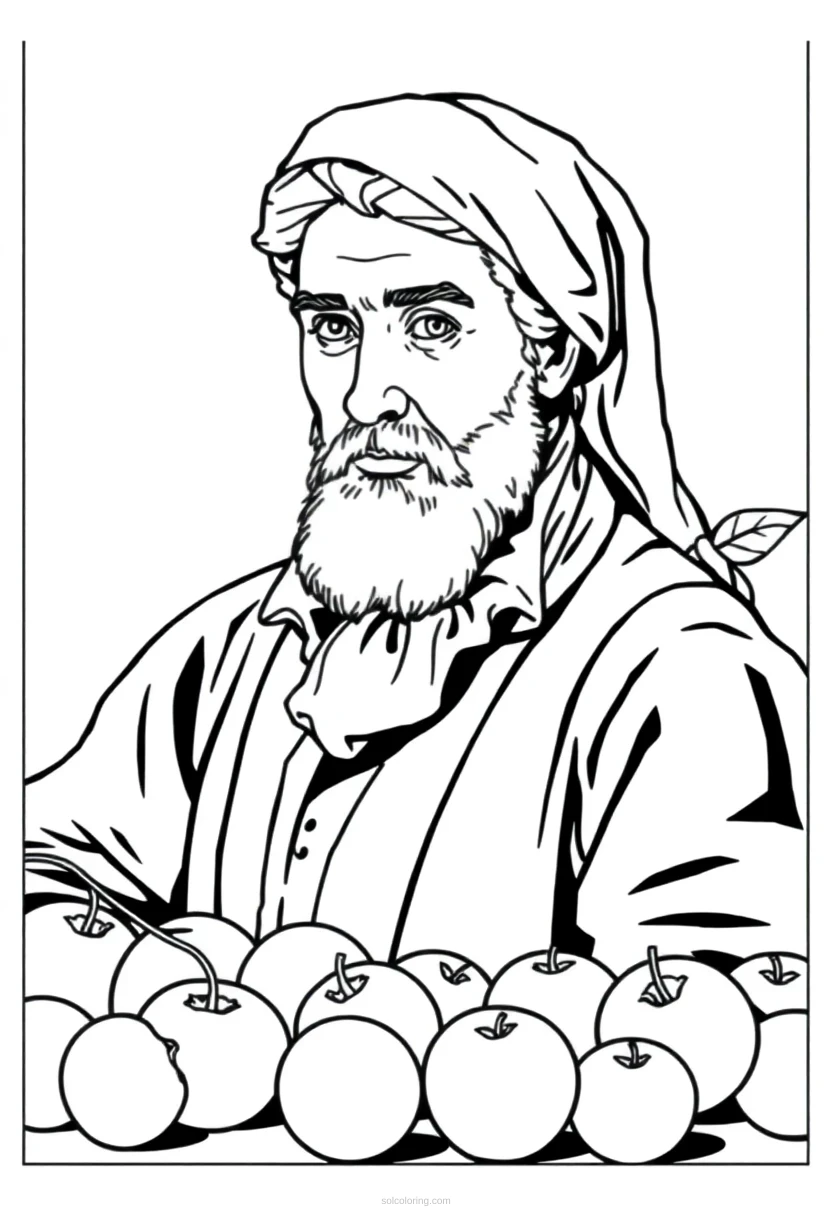
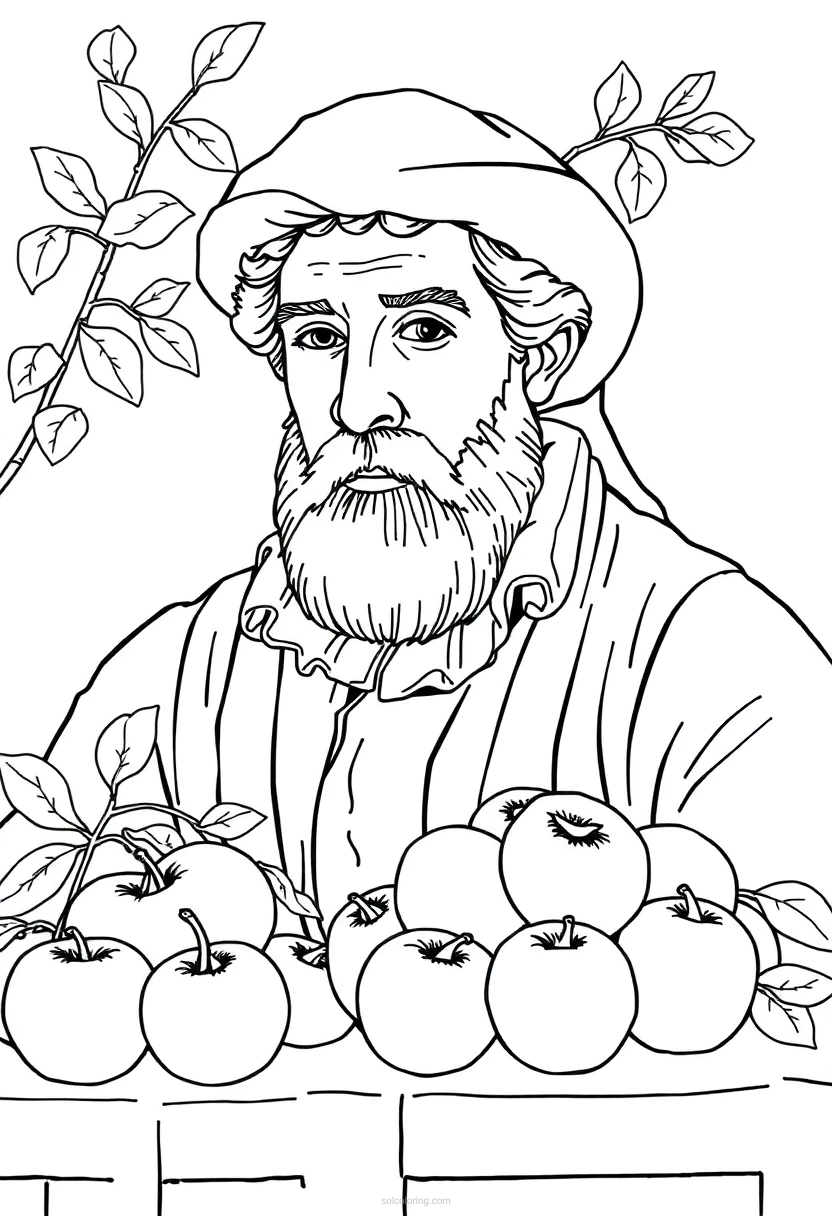
Paul Cezanne Still Life Apples Coloring Pages
6 free printable designs including Standard, Standard, Standard, Standard and more.
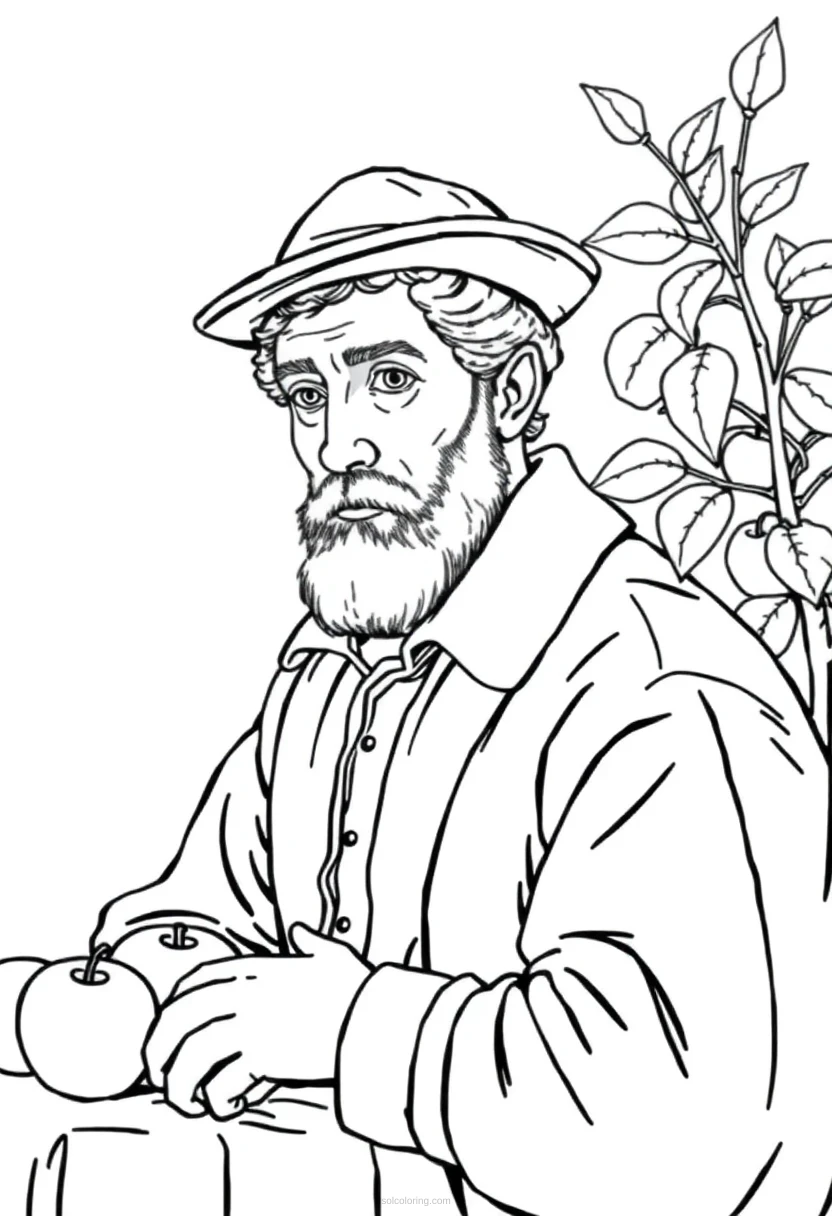
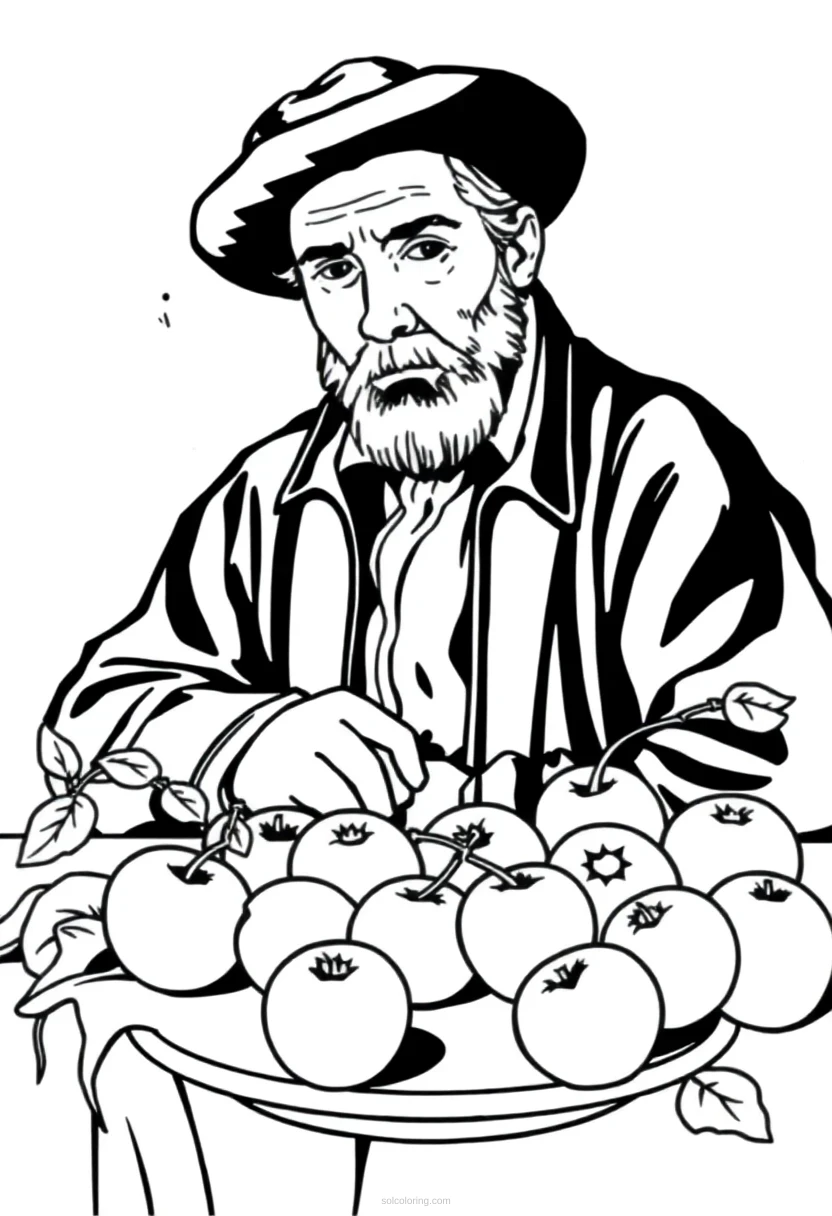
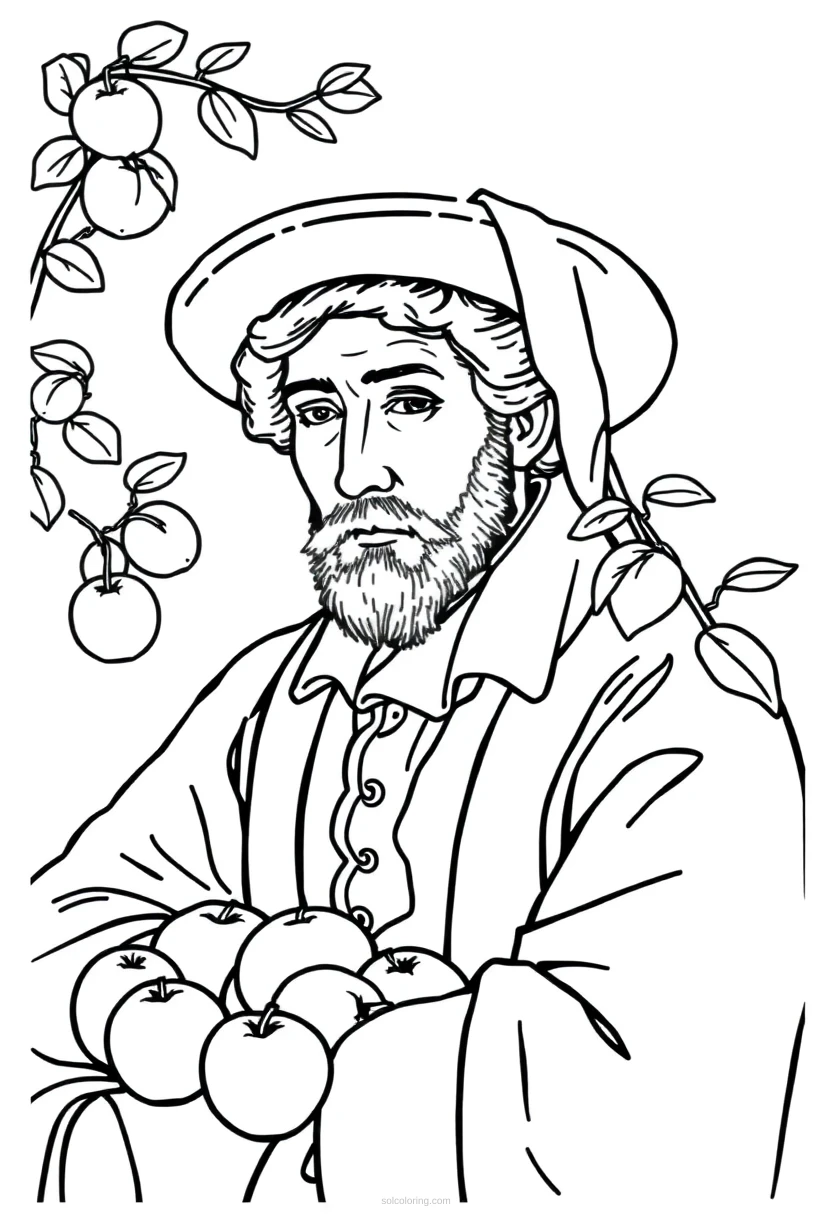
Discover the revolutionary art of Paul Cezanne through his iconic still life paintings featuring apples. Cezanne's approach to painting simple fruit transformed the art world and influenced modern art forever. His careful arrangement of apples and other objects challenged how artists saw color, shape, and perspective. This free printable coloring page lets you explore Cezanne's compositions while learning about one of history's greatest painters. Color your way through art history with our free printable coloring page inspired by the master himself.
Read more →Read less ↑
Choose a style
Did you know?
Fun facts about Paul Cezanne Still Life Apples
Paul Cezanne painted over 200 still life compositions, and apples appeared in more than half of them.
Cezanne sometimes used wax apples instead of real fruit because real apples would rot and change during his lengthy painting sessions that lasted weeks or months.
Some of Cezanne's apples in paintings are tilted at impossible angles that defy gravity, showing multiple viewpoints at once.
Cezanne's 1895 painting "Apples and Oranges" took so long to complete that he had to replace the fruit multiple times during the painting process.
Art historians call Cezanne "the father of modern art" largely because of how his still life paintings revolutionized the way artists think about color, form, and perspective.
About Paul Cezanne Still Life Apples
Why did Paul Cezanne paint apples so many times?
Cezanne was fascinated by how everyday objects could reveal deep truths about color and form. He painted apples hundreds of times because they were simple enough to study closely, yet complex enough to explore endlessly. Each painting helped him develop new ways of seeing and representing the world.
How did Cezanne's apple paintings change modern art?
Cezanne broke away from realistic painting by showing objects from multiple viewpoints at once and using bold, visible brushstrokes. His approach influenced Cubism and abstract art movements. Artists like Picasso credited Cezanne's innovative style as foundational to their own revolutionary work.
What made Cezanne's still life compositions different from other artists?
Instead of arranging objects naturally, Cezanne carefully constructed his compositions using geometric shapes like cylinders, spheres, and cones. He tilted objects at unusual angles and shifted perspectives to create dynamic, visually interesting arrangements that challenged viewers' expectations.
Did Cezanne use real apples or just paint from imagination?
Cezanne worked from real apples and objects in his studio, but he wasn't trying to copy them exactly. He observed them carefully, then rearranged and reimagined them on canvas. Sometimes he'd use wax apples that wouldn't rot during his lengthy painting sessions.
What colors did Cezanne typically use in his apple paintings?
Cezanne favored warm reds, yellows, and oranges for apples, combined with cool greens, blues, and purples in shadows. He avoided pure black, instead mixing dark colors to create rich depth. This color strategy made his still lifes vibrant and visually complex.
How long did it take Cezanne to complete one still life painting?
Some of Cezanne's still life paintings took months or even years to complete. He worked slowly and deliberately, constantly stepping back to study his composition. He might paint the same arrangement dozens of times, each version exploring different color relationships and perspectives.
More Artists coloring pages
Coloring page FAQs
Are these Paul Cezanne Still Life Apples coloring pages free?
Yes, absolutely! All our Paul Cezanne Still Life Apples coloring pages are completely free to download and print. No signup required, no hidden fees. Simply visit Sol Coloring, choose your favorite design, and print as many copies as you like from your home printer.
What age are these Paul Cezanne Still Life Apples coloring pages for?
These coloring pages work great for ages 8 to 14 and beyond. We offer varying difficulty levels: simpler outlines for younger colorists and more detailed designs with intricate patterns for older kids and adults who want a creative challenge.
How do I print these Paul Cezanne Still Life Apples coloring pages?
Printing is easy! Download the PDF, then open it on your computer. Click print and select either A4 or Letter paper size depending on your region. Use any standard home printer. No account or special software needed. You're ready to color in minutes!