Cultural
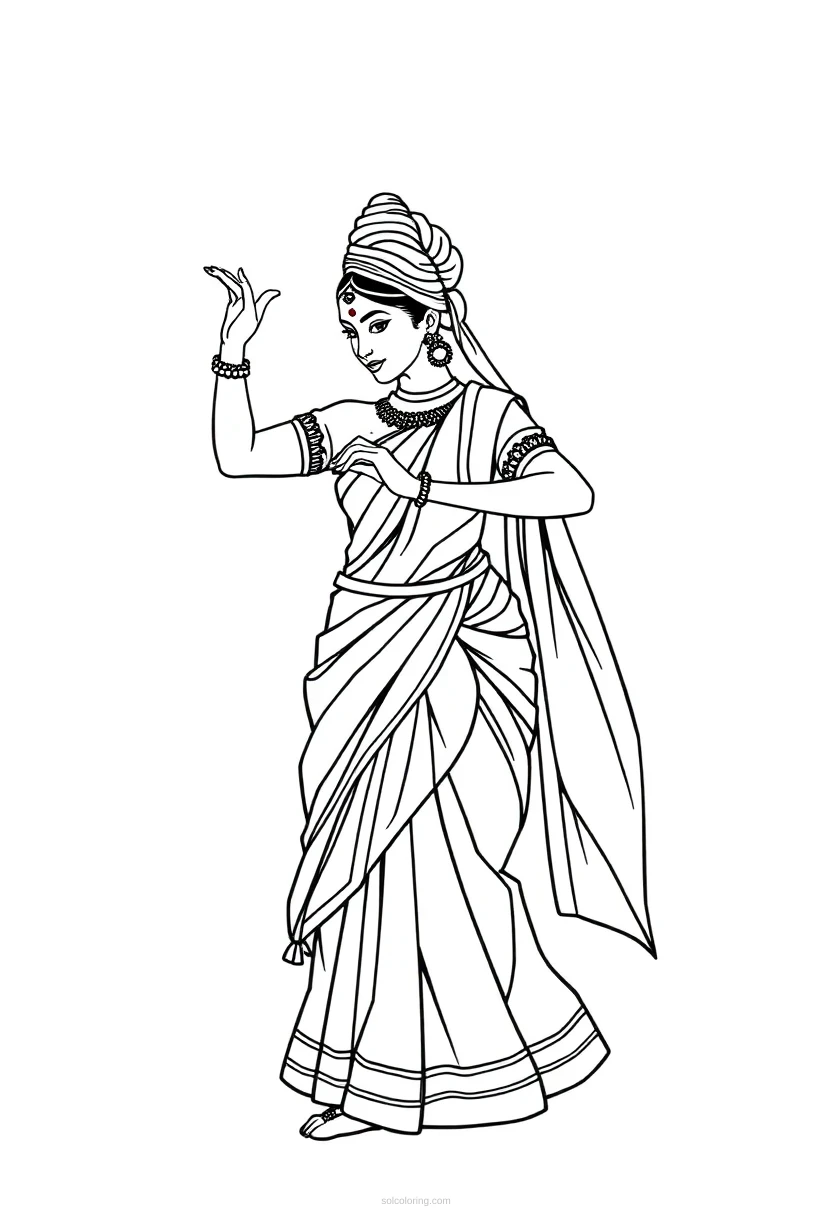
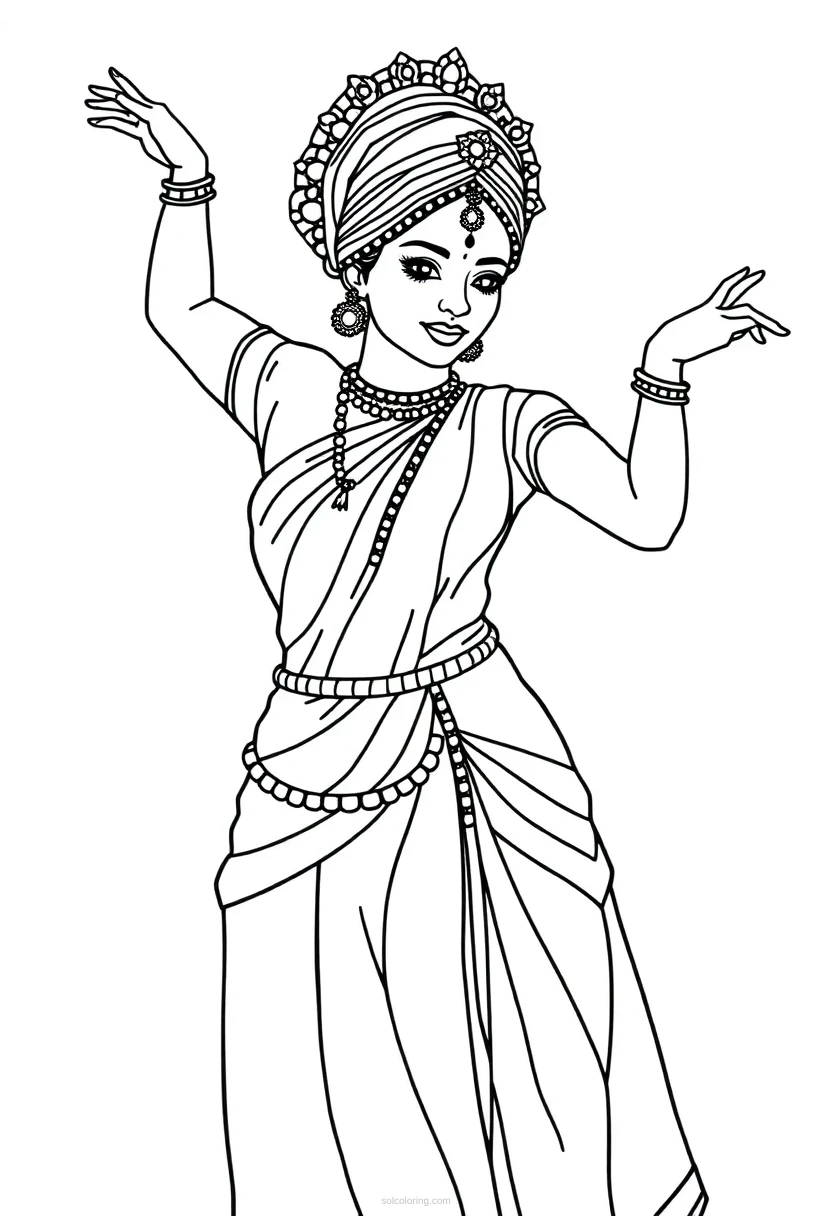
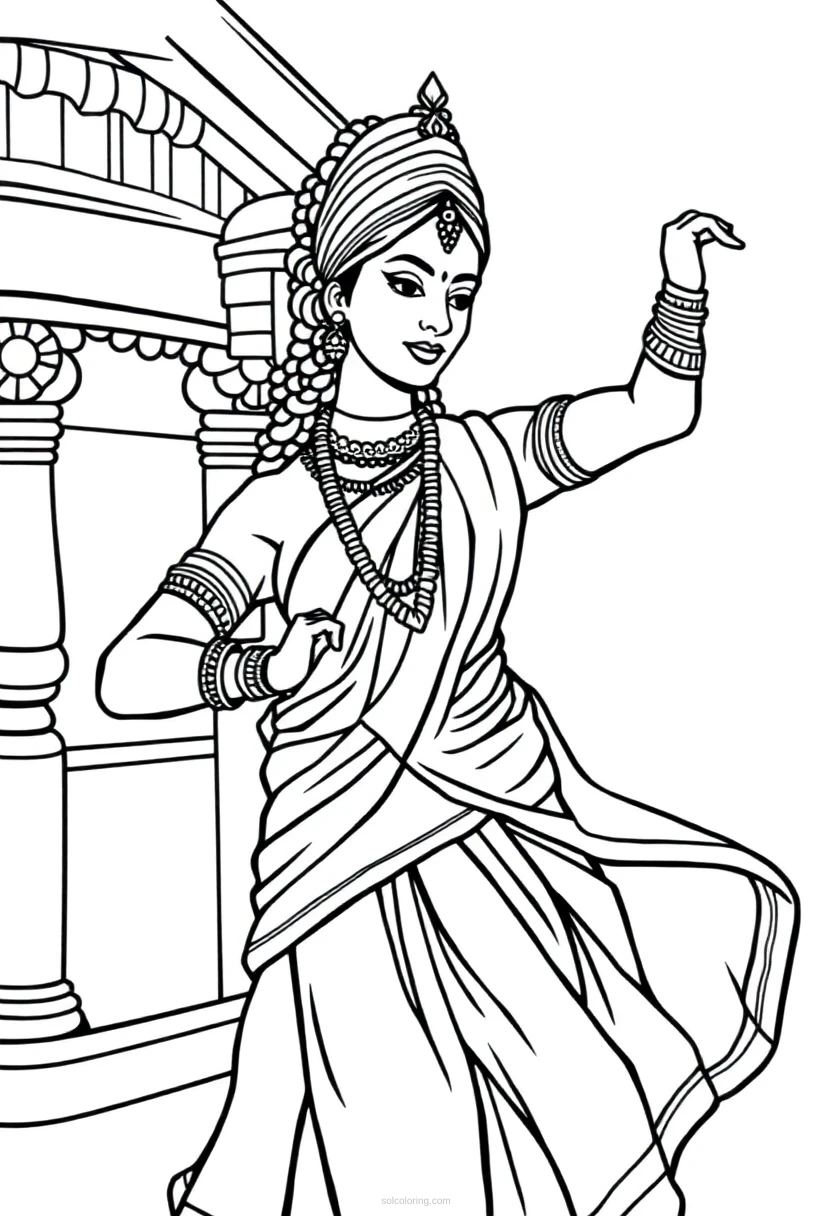
Indian Dancer Coloring Pages
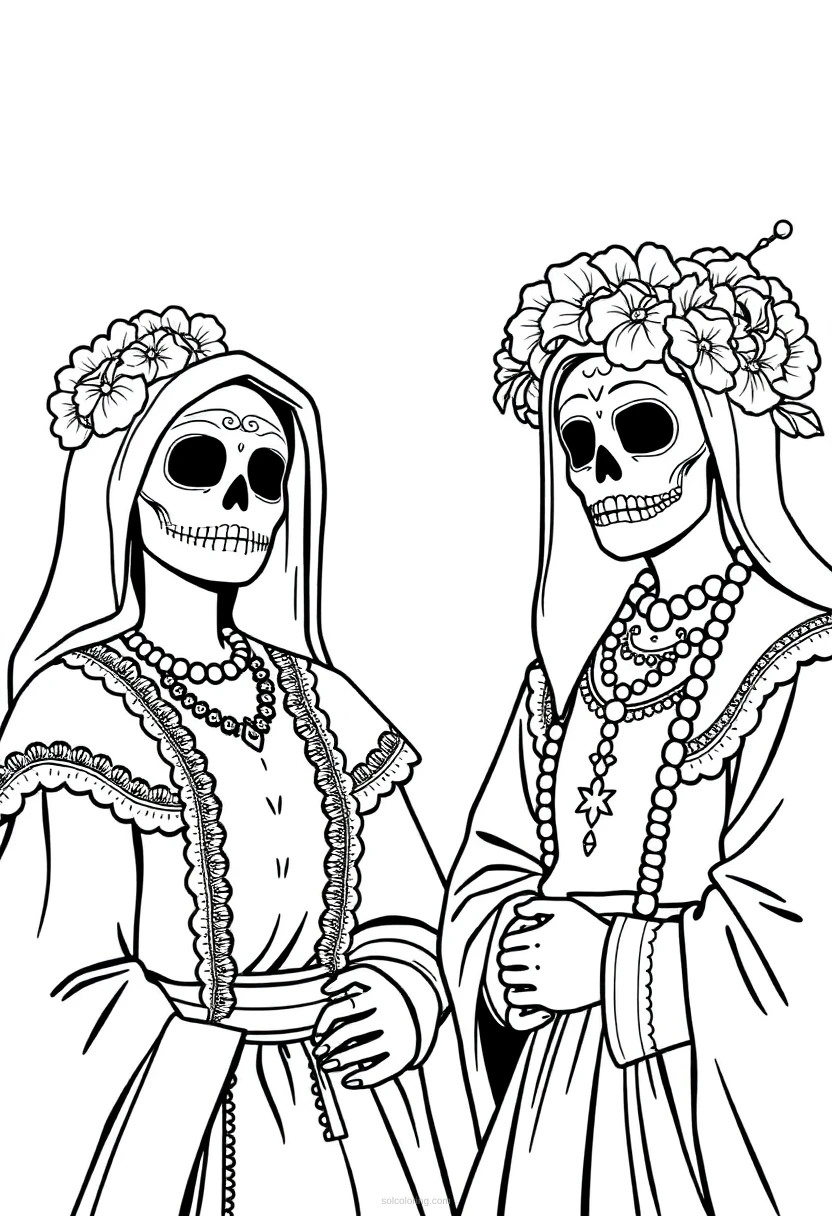
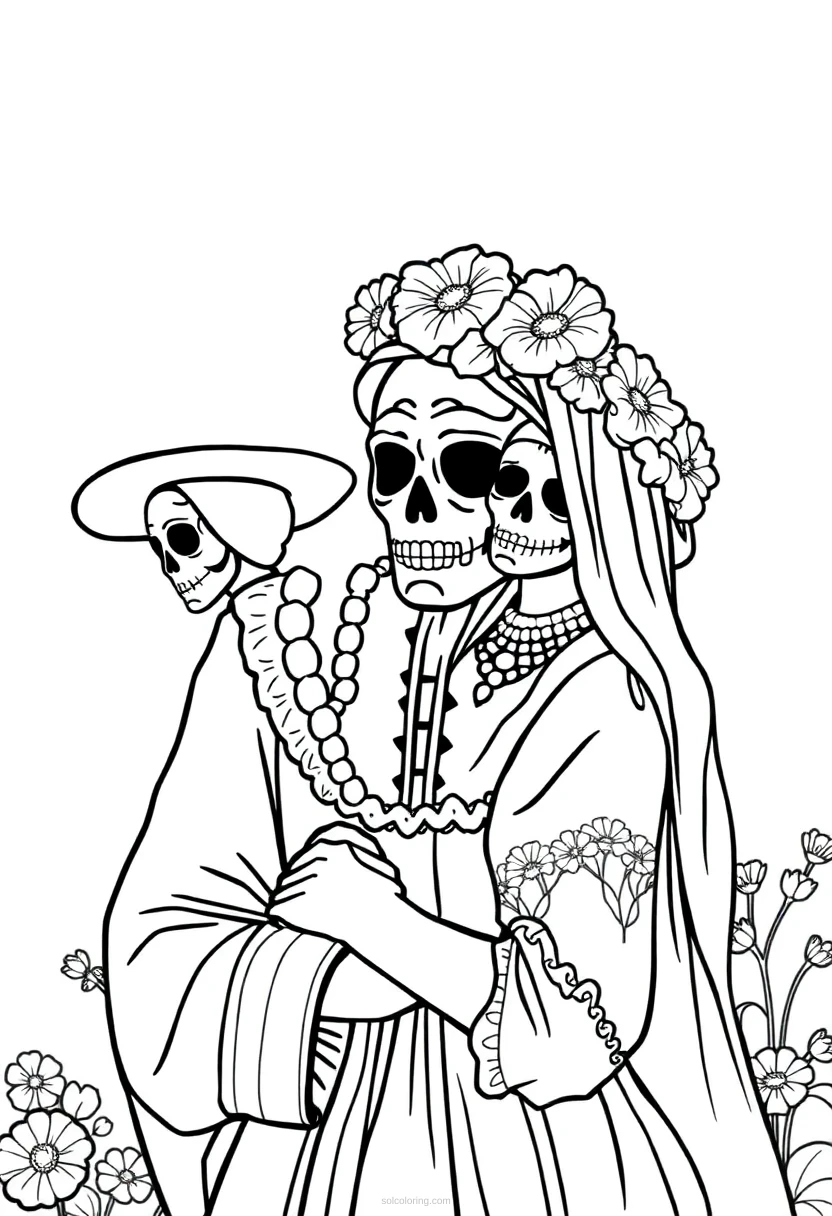
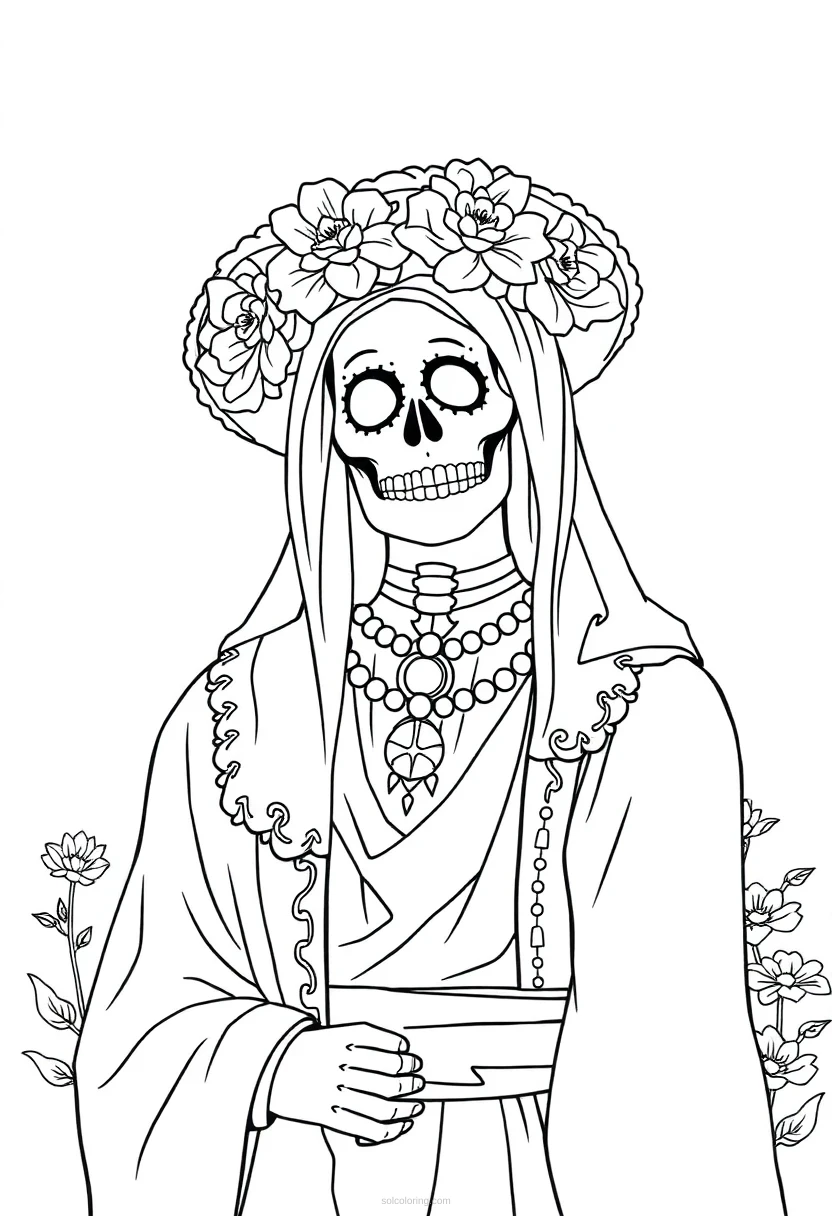
6 free printable designs including Standard, Standard, Standard, Standard and more.
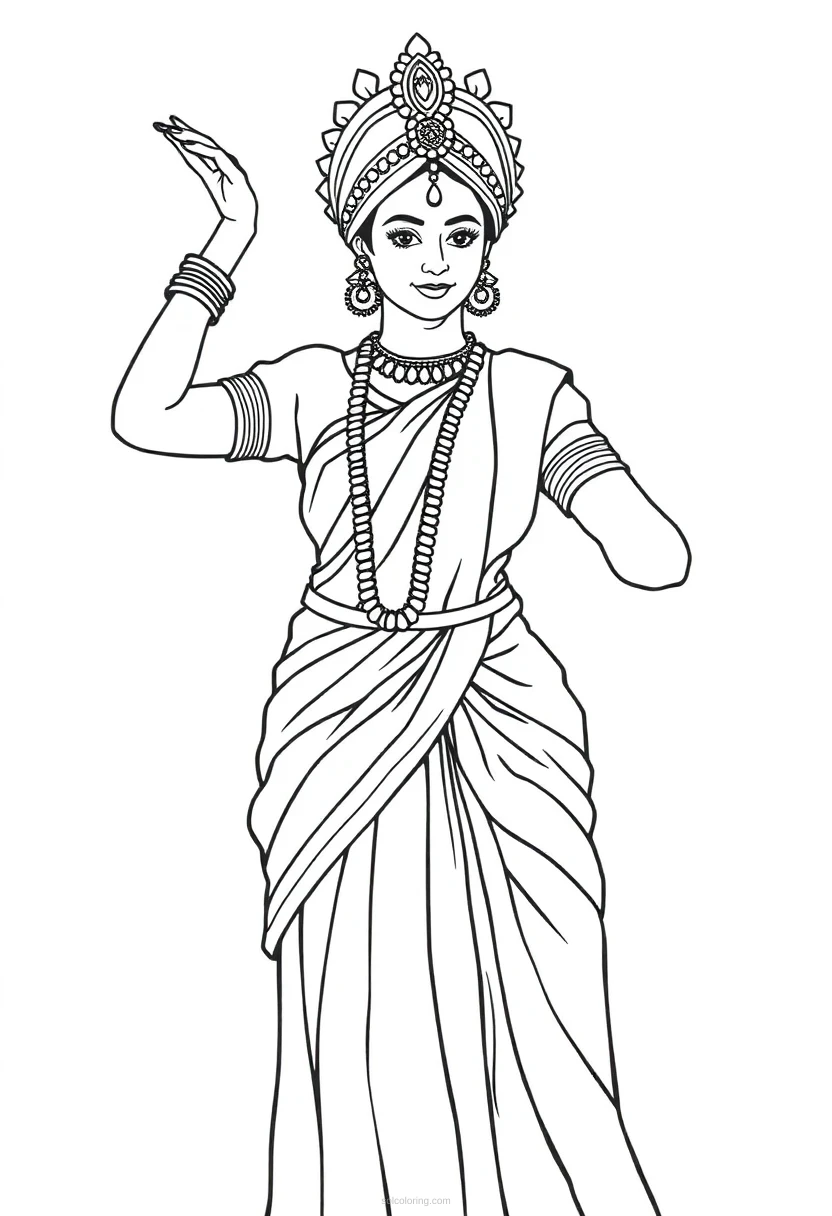
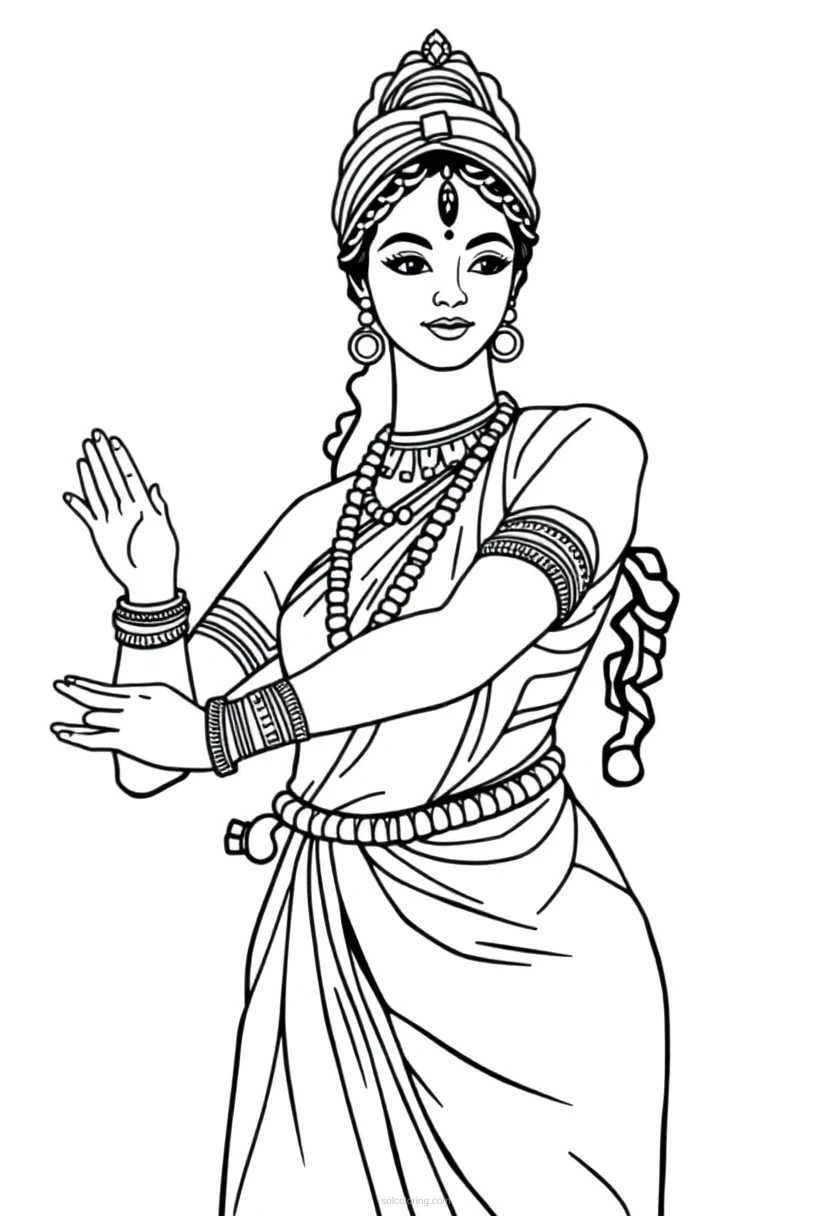
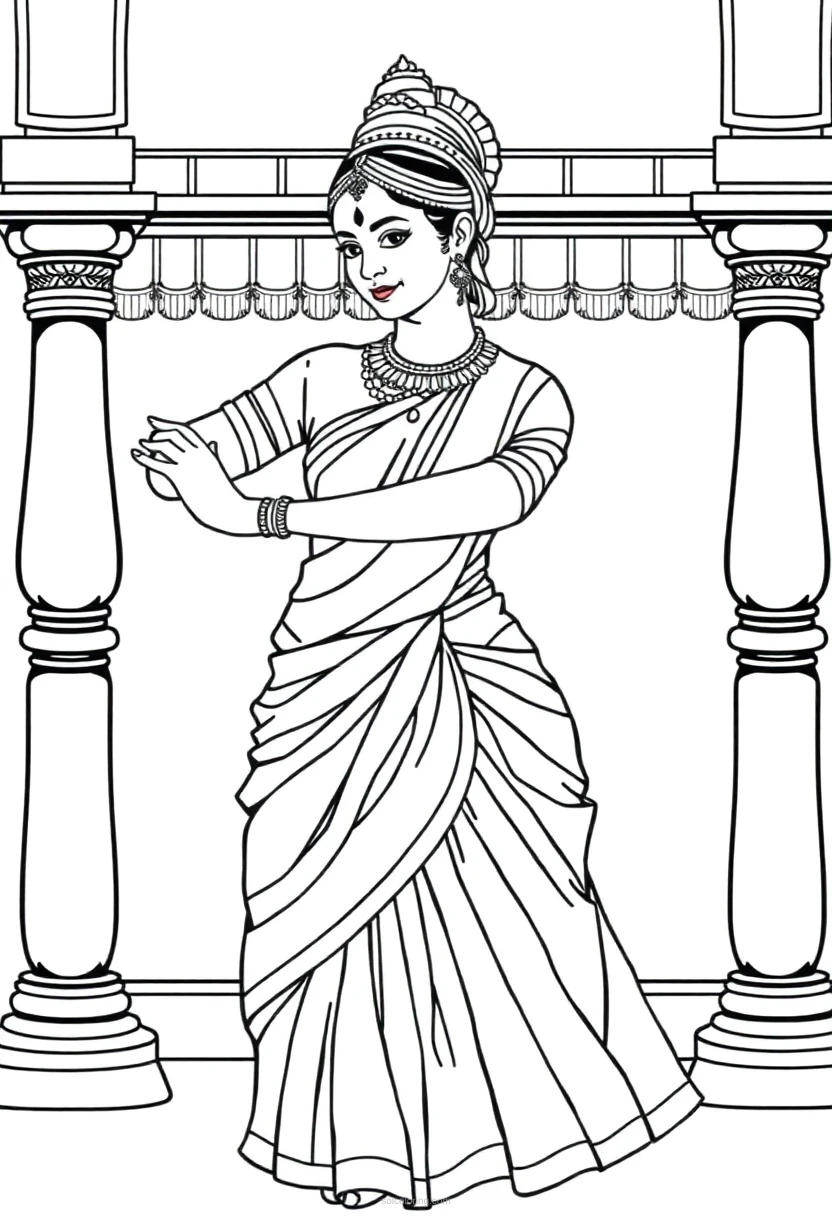
Indian dance is a beautiful and ancient art form that has been part of Indian culture for thousands of years. Classical Indian dances like Bharatanatyam, Kathak, and Kathakali tell stories through graceful movements, hand gestures called mudras, and expressive facial expressions. Each style has its own unique costumes, music, and regional traditions. Our free printable coloring page lets you explore the elegance of Indian dancers while learning about this remarkable cultural heritage. Color the intricate costumes, ornate jewelry, and flowing fabrics as you discover why Indian dance remains one of the world's most celebrated performance arts.
Read more →Read less ↑
Choose a style
Did you know?
Fun facts about Indian Dancer
Indian classical dancers can perform up to 108 different mudras, with each hand gesture holding specific meanings that create a visual language understood across generations.
The ankle bells worn by Indian dancers, called ghungroos, traditionally contain 100 to 200 small brass bells that create mesmerizing rhythmic patterns synchronized with every foot movement.
Bharatanatyam was nearly lost during British colonial rule when performances were discouraged, but dancers and activists fought to revive and preserve this ancient art form in the 20th century.
Some Indian dance performances can last up to 6 hours, with dancers maintaining perfect rhythm, complex movements, and emotional expressions throughout the entire performance without stopping.
The facial expressions in Indian classical dance are so detailed that trained dancers can convey 9 different emotions called rasas, including love, laughter, sorrow, anger, courage, fear, and disgust.
About Indian Dancer
What is Bharatanatyam and why is it important in Indian culture?
Bharatanatyam is one of India's oldest classical dance forms, originating in Tamil Nadu over 2,000 years ago. Originally performed in Hindu temples as a sacred offering, it uses precise hand gestures called mudras combined with footwork, facial expressions, and body movements to tell stories from Hindu mythology and scriptures.
What are mudras and how do Indian dancers use them?
Mudras are hand gestures that form the alphabet of Indian dance. A single mudra can represent a flower, animal, emotion, or action. Dancers combine different mudras in sequences to tell entire stories. For example, bringing fingers together with palms up means 'flower,' while hands held at the cheek suggests 'moon.'
What makes Kathak dance different from other Indian dance styles?
Kathak originated in North India and features rapid footwork, spinning, and storytelling. Unlike Bharatanatyam's temple origins, Kathak developed in royal courts and later became popular in folk traditions. Dancers wear ankle bells and create complex rhythmic patterns, often improvising movements while staying synchronized with the music.
How are Indian dancer costumes decorated and what do they represent?
Indian dance costumes are incredibly ornate, featuring silk fabrics, embroidered patterns, and heavy jewelry including necklaces, earrings, bracelets, and ankle bells called ghungroos. The bright colors and designs represent different characters and emotions. For instance, gold symbolizes prosperity while red represents energy and passion.
What is the significance of the bindi and jewelry in Indian dance performances?
The bindi, forehead mark, and facial jewelry highlight expressions and emotions during performance. Ornaments like nose rings and elaborate necklaces frame the face so audiences can see every facial expression clearly. The ghungroos (ankle bells) create rhythmic sounds that complement the music and dancers' movements.
How long does it take to become a professional Indian classical dancer?
Training as a classical Indian dancer typically requires 10 to 15 years of dedicated practice starting in childhood. Students learn hundreds of mudras, complex footwork patterns, and the mythology behind dances. Many train for several hours daily under a guru, or master teacher, who guides their artistic development.
More Cultural coloring pages
Coloring page FAQs
Are these Indian Dancer coloring pages free?
Yes! All our Indian Dancer coloring pages are completely free to download and print. No membership, subscription, or login is required. Simply visit our website, select your favorite free printable coloring page, and print as many copies as you'd like for family and friends.
What age are these Indian Dancer coloring pages for?
Our Indian Dancer coloring pages are designed for ages 8 to 14, with varying difficulty levels. Younger children can enjoy simpler designs with larger areas to color, while older kids can tackle more detailed pages featuring intricate costume patterns and ornamental details.
How do I print these Indian Dancer coloring pages?
Printing is easy and requires no signup. Download the PDF file to your computer, open it with any PDF reader, and print on standard A4 or Letter-sized paper using your home printer. Adjust print settings for best results and enjoy coloring right away.