Cultural
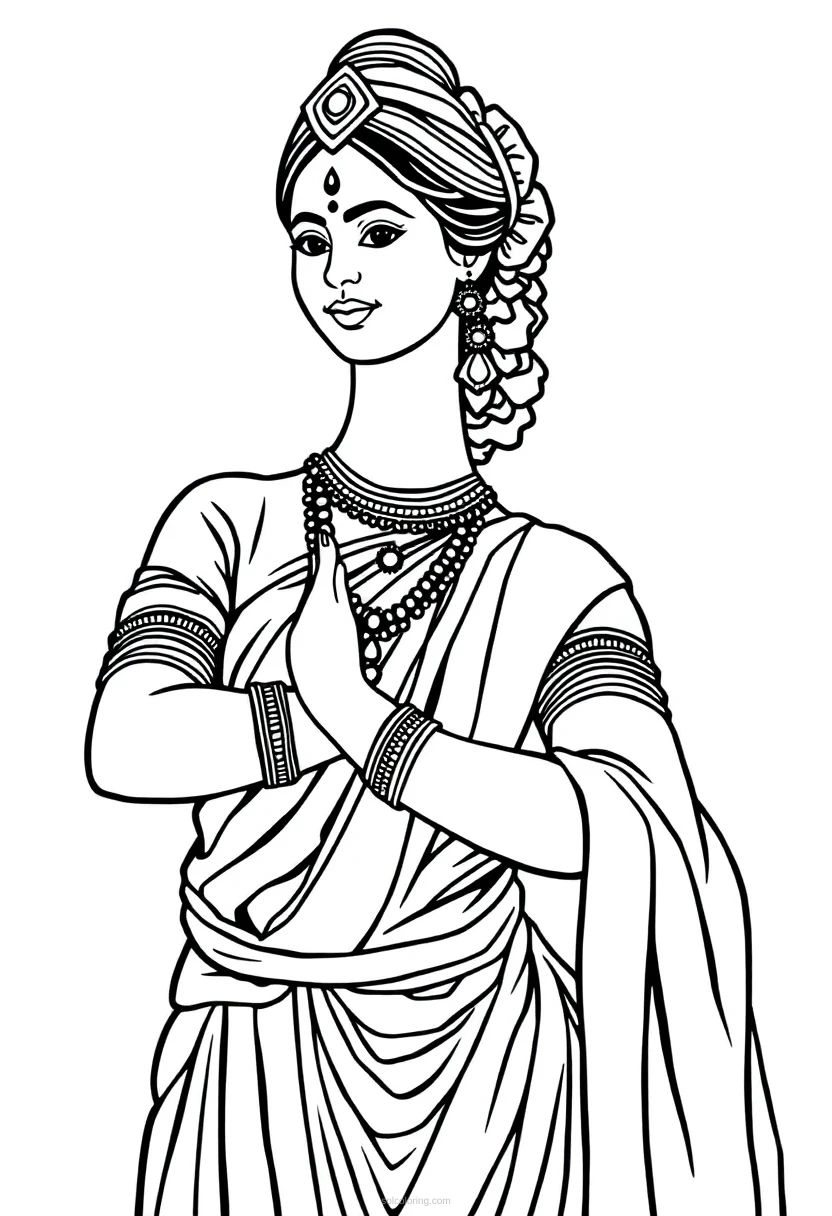
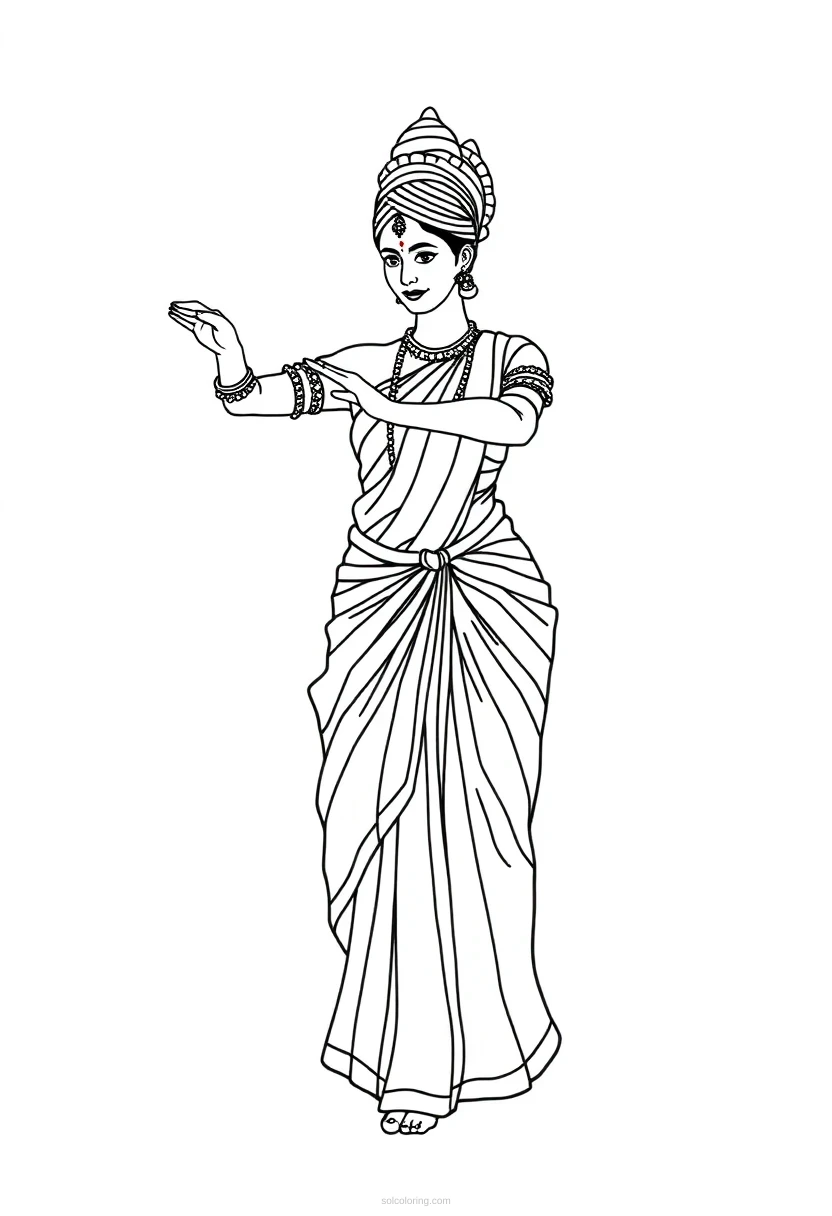
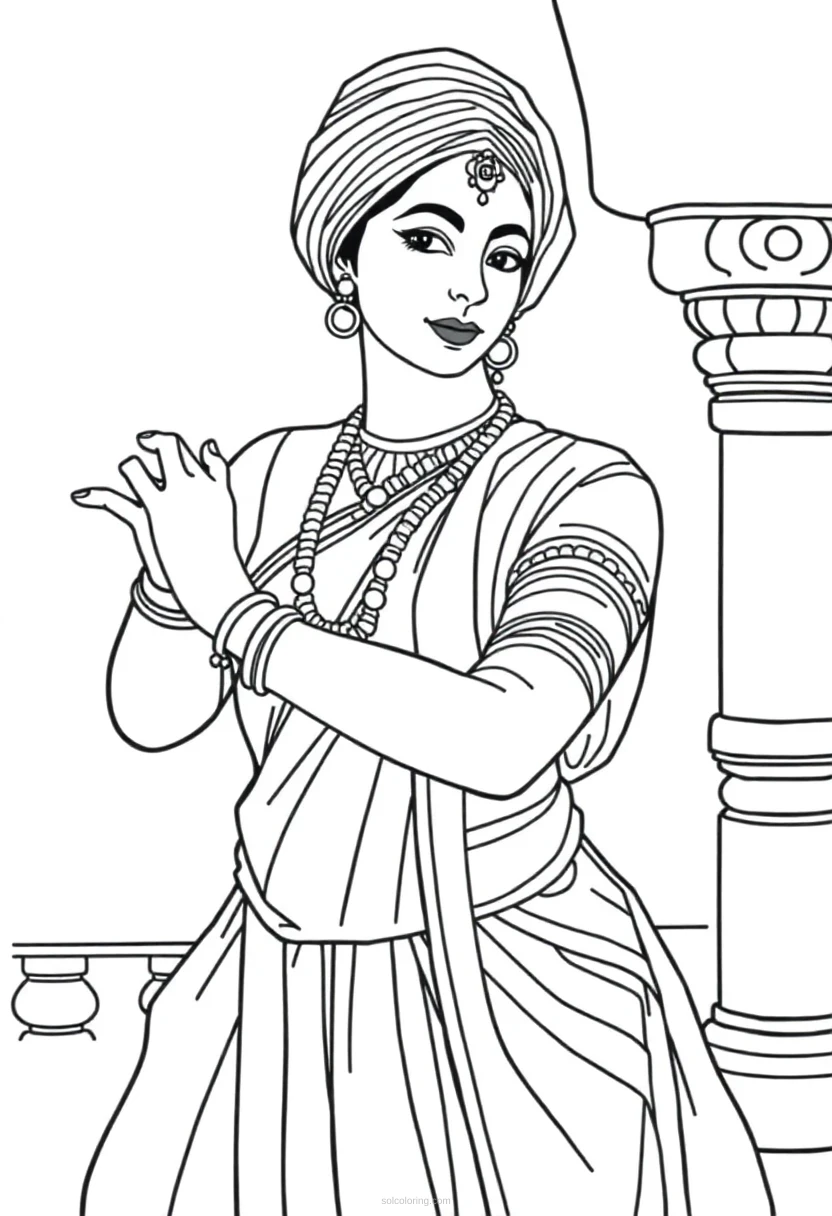
Indian Dancer Chibi Coloring Pages
6 free printable designs including Standard, Standard, Standard, Standard and more.
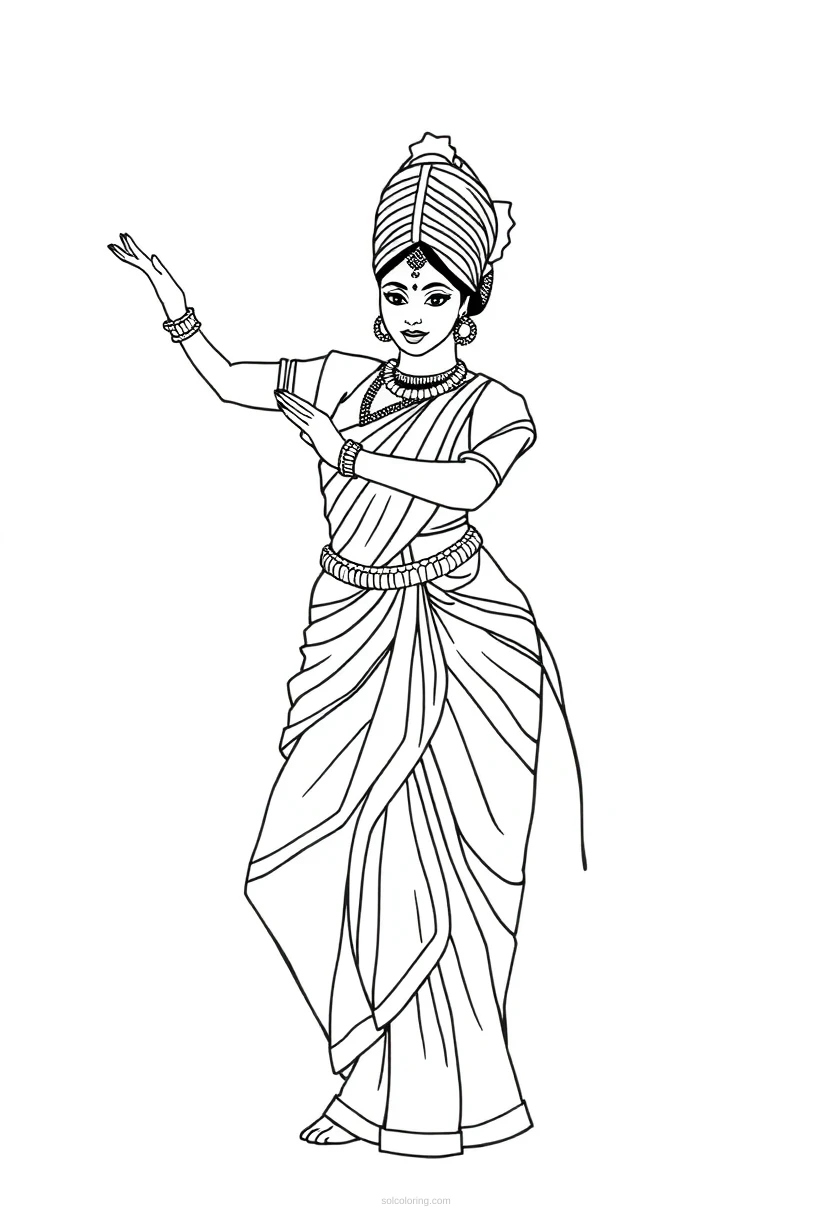
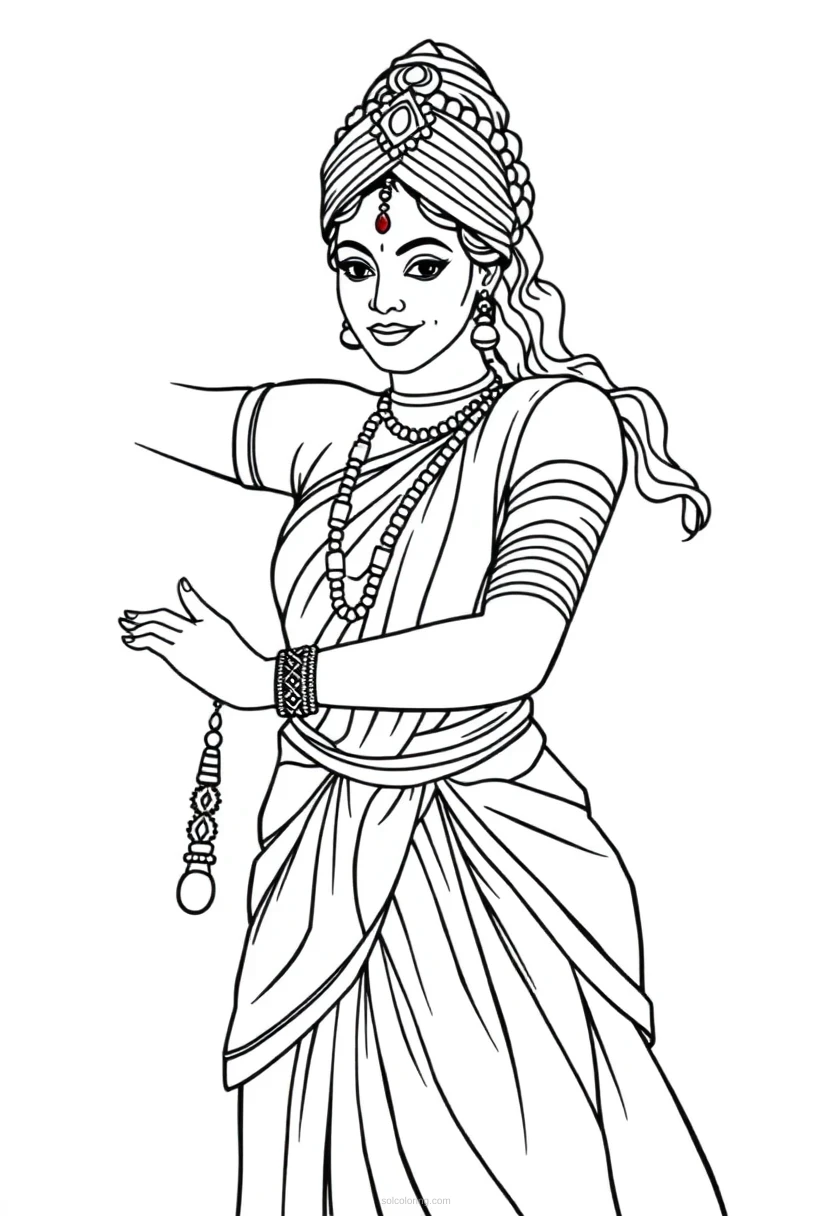
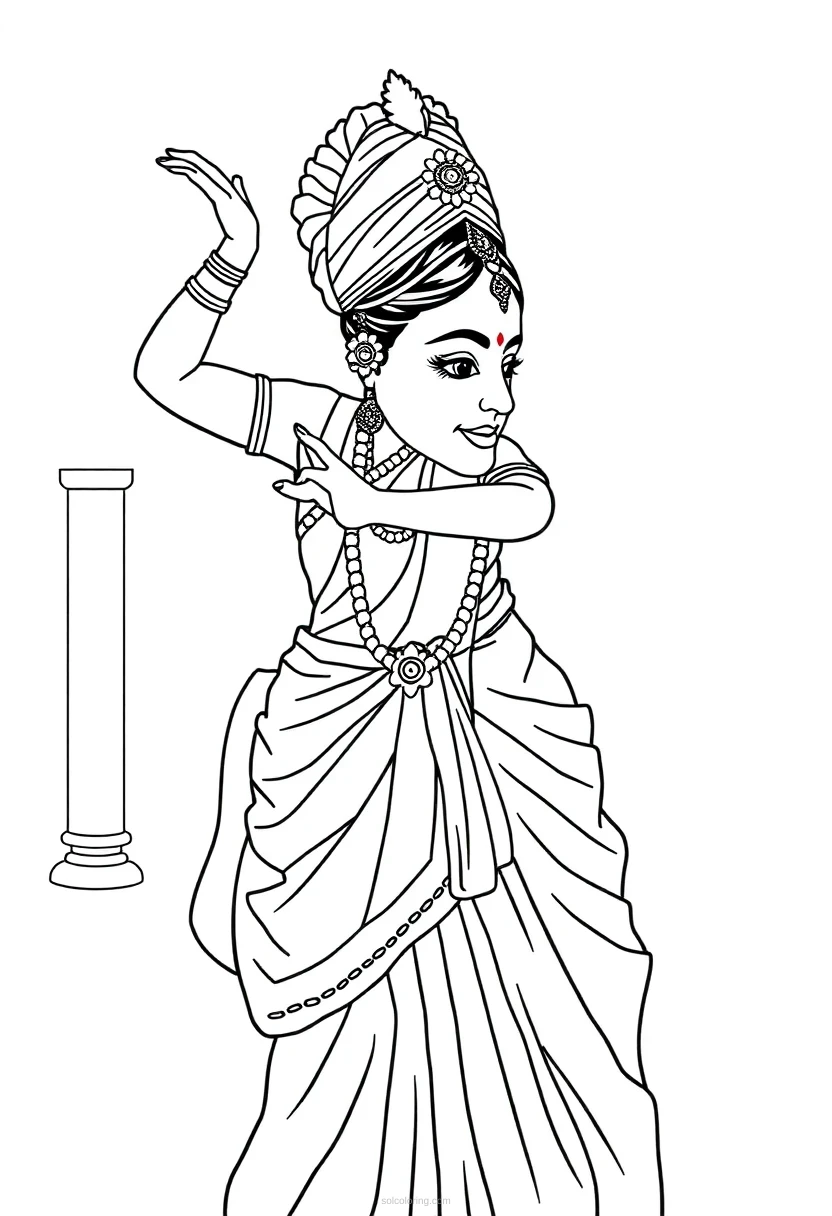
Discover the vibrant world of Indian classical dance through our adorable Indian Dancer Chibi free printable coloring page. This charming character celebrates the grace, elegance, and rich cultural heritage of traditional Indian dance forms like Bharatanatyam, Kathak, and Kathakali. Young artists can explore the beautiful costumes, intricate jewelry, and expressive hand gestures that make Indian dance so captivating. Our free printable coloring page combines cultural education with creative fun, perfect for kids aged 8 to 14 who love art, history, and world cultures. Color in the flowing silks, ornate decorations, and dynamic poses while learning about this ancient performing art that has mesmerized audiences for thousands of years.
Read more →Read less ↑
Choose a style
Did you know?
Fun facts about Indian Dancer Chibi
The ankle bells Indian dancers wear, called 'ghungroos,' contain up to 100 small bells and can weigh between 3 to 5 pounds, making them incredibly noisy and rhythmic.
Bharatanatyam, one of India's oldest dance forms, was originally performed only by women called 'devadasis' in temples as offerings to the gods.
Indian classical dancers can perform for 4 to 6 hours continuously without a break, requiring incredible strength, flexibility, and endurance from years of training.
The mudra system in Indian dance is so complex that a single story can be told using only hand gestures, facial expressions, and body movements without saying a single word.
In Kathakali dance from Kerala, male dancers wear elaborate face makeup that takes up to 3 hours to apply and can weigh several pounds on their face.
About Indian Dancer Chibi
What are the main types of Indian classical dance?
India has eight classical dance forms recognized by the government. Bharatanatyam comes from Tamil Nadu, Kathak from North India, Kathakali from Kerala, Odissi from Odisha, Manipuri from Manipur, Kuchipudi from Andhra Pradesh, Sattriya from Assam, and Mohiniyattam from Kerala. Each has unique movements, music, and costumes.
What do the hand gestures in Indian dance mean?
Hand gestures called 'mudras' are the alphabet of Indian classical dance. There are over 100 mudras, each representing different emotions, objects, or actions. For example, one mudra shows a flower blooming, another shows rain falling, and another expresses love. Dancers combine mudras with facial expressions to tell entire stories.
Why do Indian dancers wear so much jewelry and decoration?
The elaborate costumes and jewelry serve multiple purposes in Indian dance. They enhance the dancer's appearance and make movements more visible to audiences from far away. Heavy ankle bells called 'ghungroos' create rhythmic sounds that match the music. Jewelry and silk fabrics also reflect the wealth and beauty of ancient Indian kingdoms.
How long does it take to become a professional Indian classical dancer?
Becoming a professional takes dedication and years of training. Most dancers begin training as children and study intensively for 10 to 15 years with a guru (teacher). Some dancers train even longer to master complex techniques. Many start classes around age 5 or 6 and practice daily to perfect their craft.
What is the history of Indian classical dance?
Indian classical dance dates back over 2,000 years to ancient Hindu temples where dancers performed rituals and told stories of gods. During British rule, dance was discouraged, but Indian artists fought to preserve these traditions. Today, classical dance is celebrated worldwide as a precious cultural heritage and UNESCO-recognized art form.
What is special about the costumes Indian dancers wear?
Indian dance costumes are carefully designed to enhance movement and story-telling. Dancers wear flowing silk sarees, pleated skirts called 'ghagra,' or elaborate costumes with 20 to 30 pounds of fabric and ornaments. The bright colors have meanings: red shows passion, white shows peace, and gold represents divinity. Every piece serves a cultural purpose.
More Cultural coloring pages
Coloring page FAQs
Are these Indian Dancer Chibi coloring pages free?
Yes, absolutely! All our Indian Dancer Chibi free printable coloring pages are completely free to download and print. There are no hidden costs, subscriptions, or registration required. Simply visit Sol Coloring, find your favorite design, and print as many copies as you'd like for endless coloring fun.
What age are these Indian Dancer Chibi coloring pages for?
These coloring pages are designed for kids and adults aged 8 to 14, though anyone can enjoy them. The Indian Dancer Chibi designs feature clear outlines and detailed sections that suit different skill levels, from beginners to advanced colorists who love intricate details.
How do I print these Indian Dancer Chibi coloring pages?
Printing is simple and requires no signup. Download the PDF file, open it on your computer or device, and print to standard A4 or Letter-sized paper using any home printer. Adjust color settings and paper quality as desired. You can print multiple copies anytime you want.