Cultural
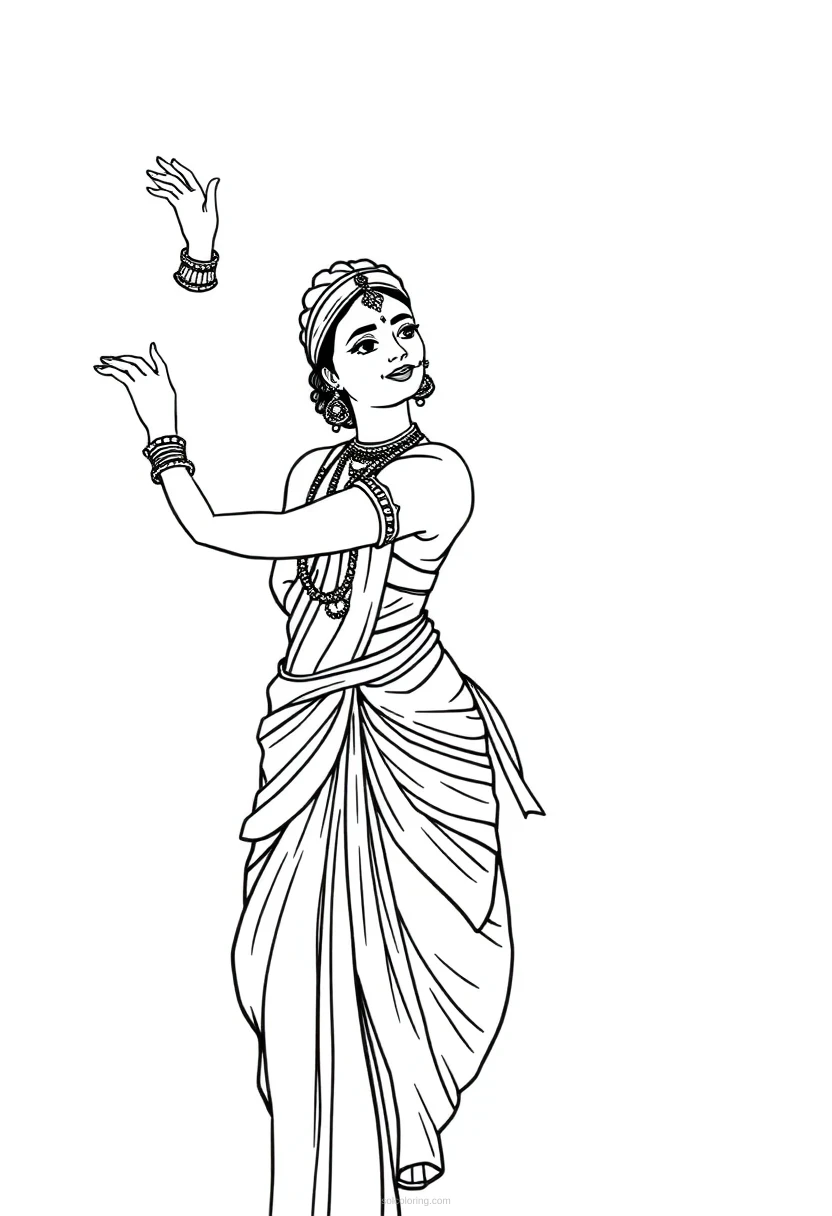
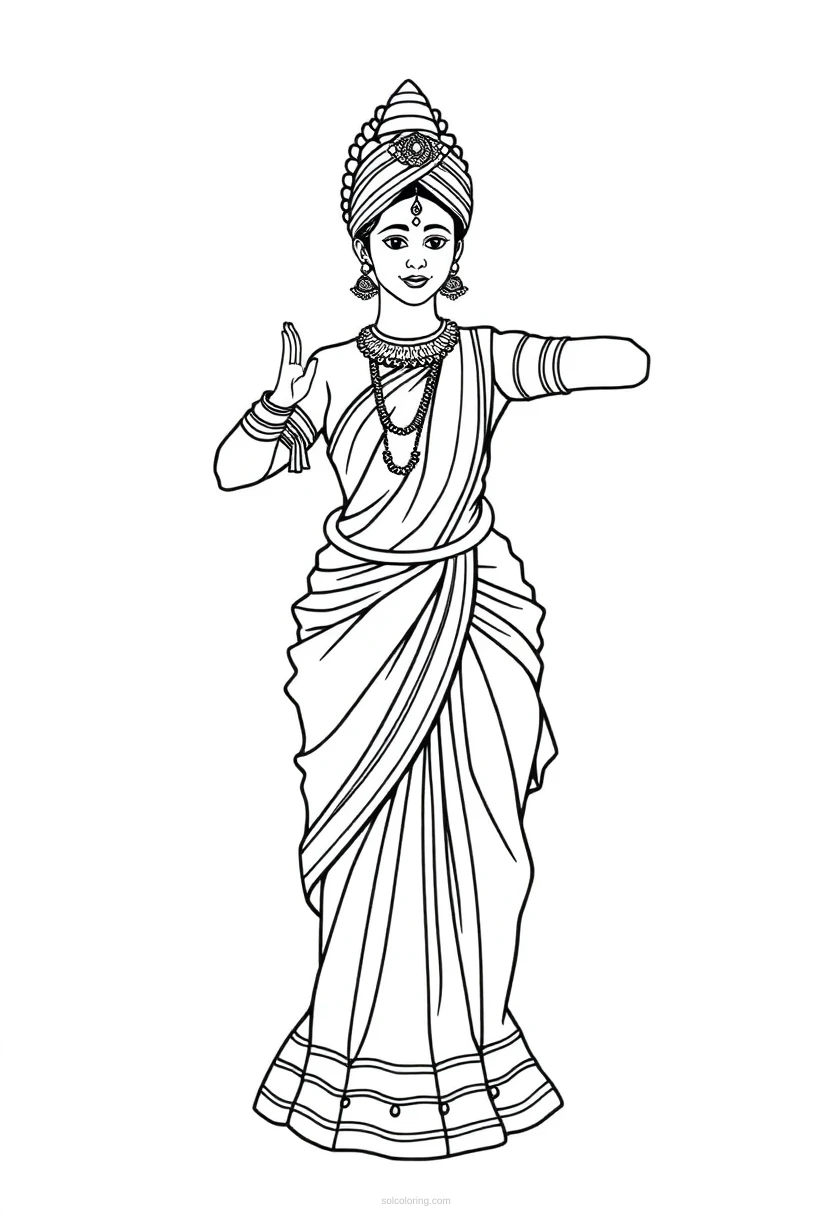
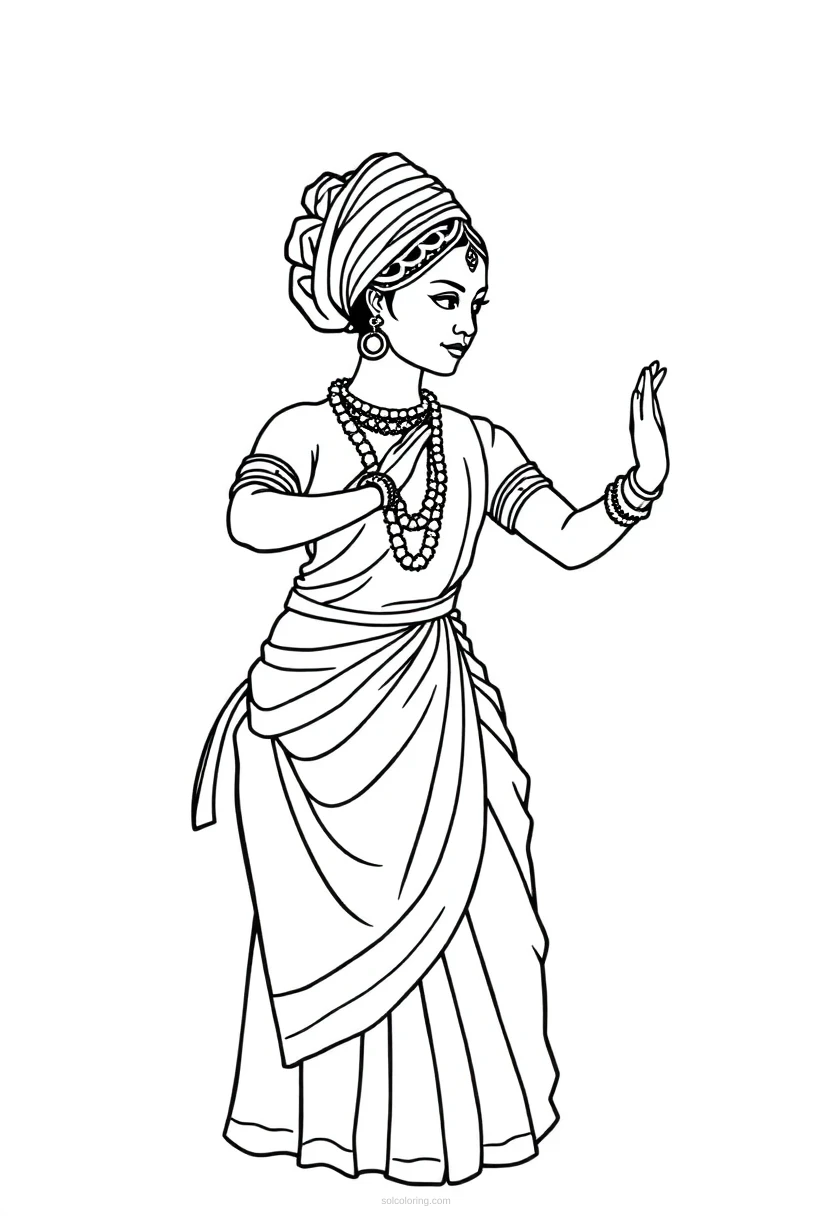
Indian Dancer Detailed Coloring Pages
6 free printable designs including Standard, Standard, Standard, Standard and more.
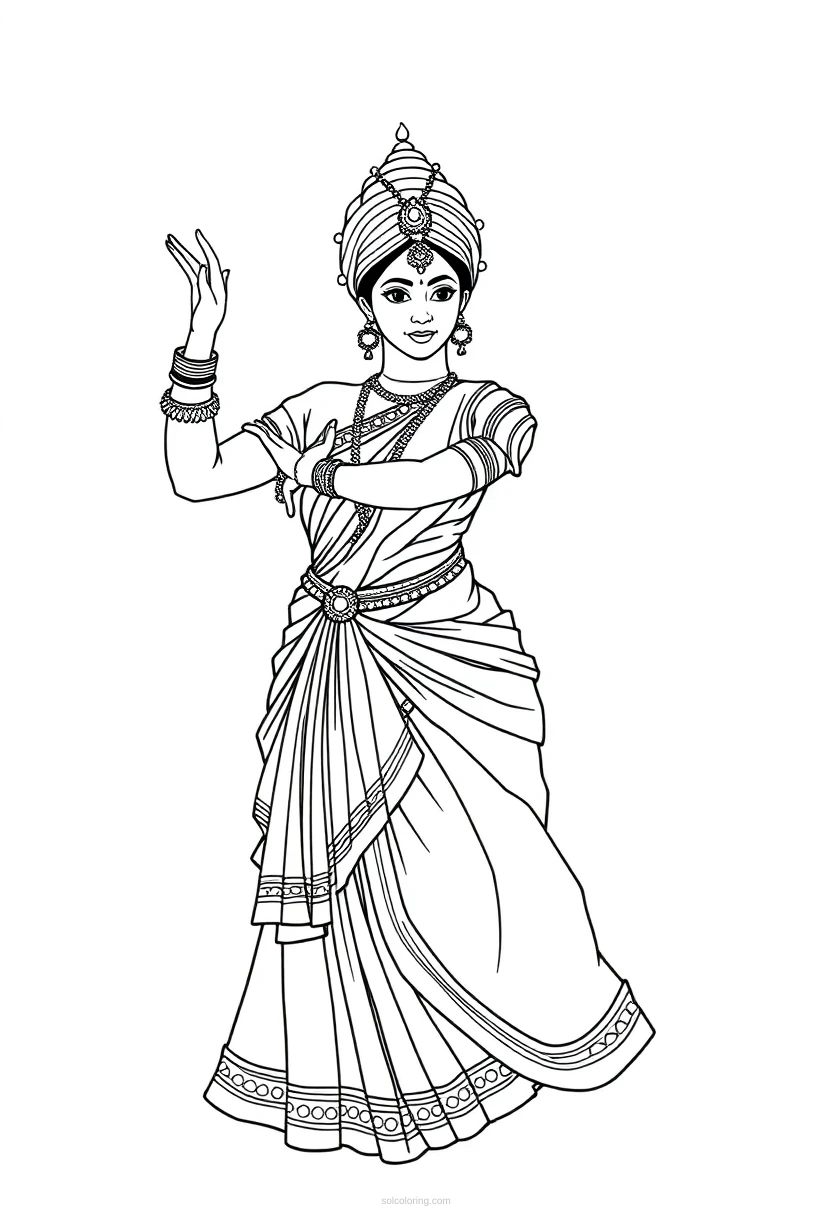
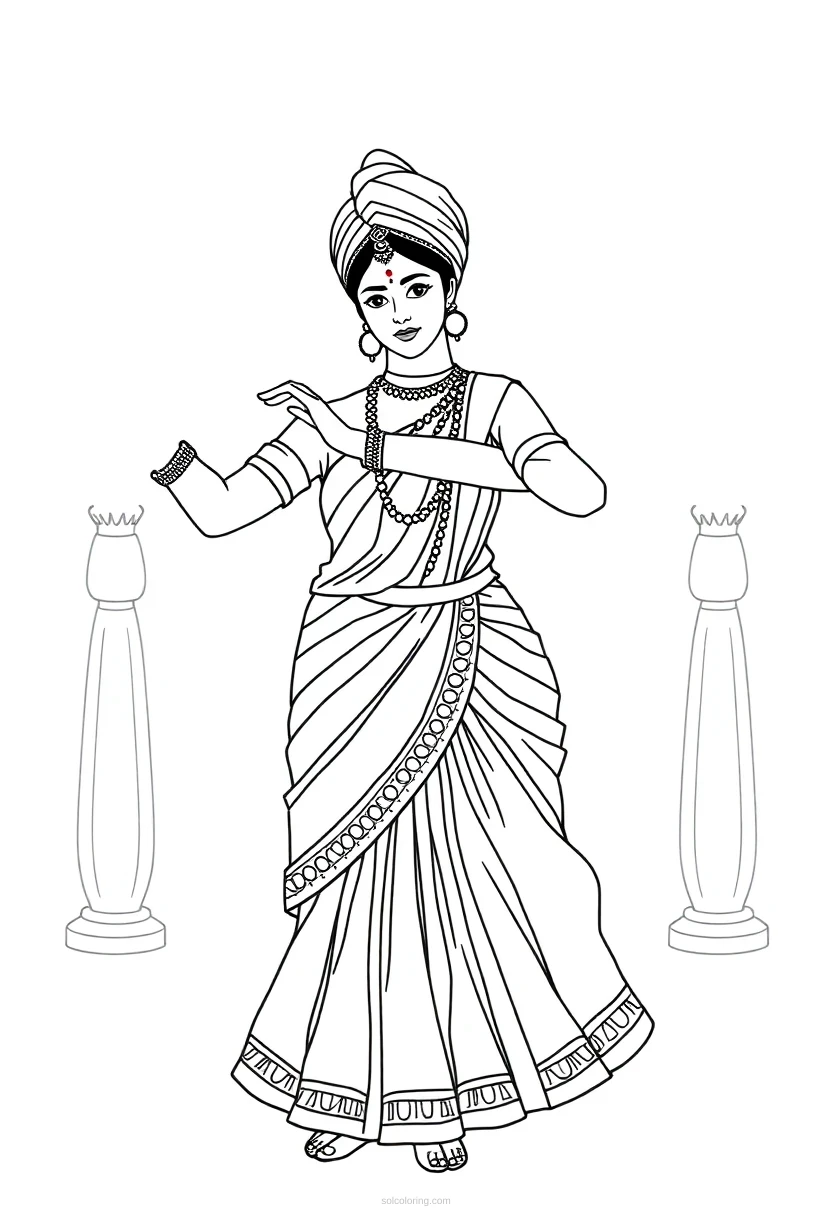
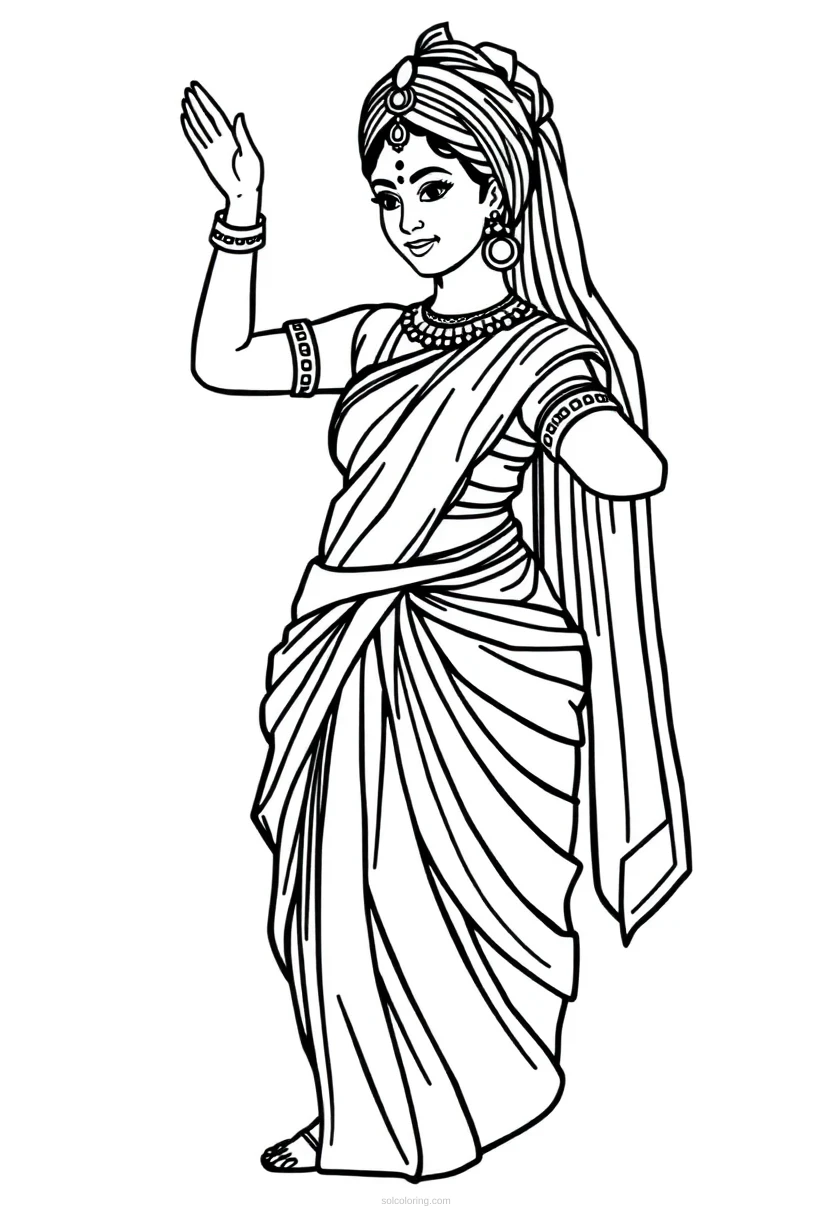
Indian dance is one of the world's oldest and most beautiful art forms, with a history stretching back thousands of years. Dancers tell stories through graceful movements, intricate hand gestures called mudras, and rhythmic footwork while wearing stunning traditional costumes. Whether it's the classical elegance of Bharatanatyam, the energetic Kathak, or the spiritual Kathakali, Indian dance connects culture, religion, and emotion. Our free printable coloring page celebrates this incredible tradition, letting you explore the detailed costumes, jewelry, and expressive poses of Indian dancers while learning about their cultural significance. Color this free printable coloring page and discover the magic of Indian dance.
Read more →Read less ↑
Choose a style
Did you know?
Fun facts about Indian Dancer Detailed
The ankle bells worn by Indian dancers, called ghungroos, contain between 100 to 400 small metal balls that create rhythmic jingling sounds with every footstep and movement.
In Kathakali dance from Kerala, male dancers wear elaborate face makeup that can take up to three hours to apply, with different colors symbolizing different character types like heroes, villains, and gods.
The mudra language in Indian dance is so precise that a single hand gesture can express over 24 different emotions and concepts, making it a complete nonverbal communication system.
Bharatanatyam dancers traditionally wore a costume with a fan-shaped pleated skirt that creates stunning visual patterns during fast spins and movements called tirmana.
Indian classical dancers must develop incredible flexibility and strength, with some performers able to perform complex movements while maintaining a seated position for entire dance sequences.
About Indian Dancer Detailed
What are mudras and why are they important in Indian dance?
Mudras are symbolic hand gestures used in Indian classical dance to tell stories and express emotions. Each mudra has specific meanings, like flowers, animals, or feelings. Dancers combine hundreds of mudras with body movements and facial expressions to communicate narratives from ancient texts and mythology to audiences.
What is the difference between Bharatanatyam and Kathak dance forms?
Bharatanatyam originated in South India's temples and features graceful, fluid movements with emphasis on hip and hand positions. Kathak comes from North India and includes faster footwork, spins, and storytelling. Both are classical forms requiring years of training, but they have distinct movements, music styles, and cultural origins.
Why do Indian dancers wear such elaborate costumes and jewelry?
Traditional Indian dance costumes serve multiple purposes: they enhance the visual beauty of movements, represent cultural heritage and regional identity, and help tell stories through symbolic colors and patterns. Heavy jewelry creates musical sounds with ankle bells called ghungroos, adding rhythm that complements the dancer's footwork and the orchestra.
How long does it take to become a professional Indian classical dancer?
Becoming a professional Indian classical dancer typically requires 10 to 15 years of dedicated training. Students start young, often around age 5 or 6, and practice several hours daily under a guru (teacher). Mastery involves learning thousands of movements, mudras, rhythmic patterns, and developing incredible physical strength and flexibility.
What role did Indian dance play in ancient temples and religious ceremonies?
Indian classical dance originated in Hindu temples thousands of years ago as a spiritual practice. Devadasis were temple dancers who performed to worship deities and celebrate religious festivals. Dance was considered a sacred offering to gods, combining prayer with artistic expression, and remains an important part of cultural and religious celebrations today.
What are the main regions of India known for different dance styles?
India has eight recognized classical dance forms, each tied to specific regions. Bharatanatyam is from Tamil Nadu, Kathak from North India, Kathakali from Kerala, Odissi from Odisha, Kuchipudi from Andhra Pradesh, Mohiniyattam from Kerala, Manipuri from Manipur, and Sattriya from Assam. Each has unique movements, music, and cultural significance reflecting its region's traditions.
More Cultural coloring pages
Coloring page FAQs
Are these Indian Dancer Detailed coloring pages free?
Yes, absolutely! All our Indian Dancer Detailed coloring pages are completely free to download and print. Simply visit our website, select your favorite design, and print it on standard A4 or Letter paper right from home. No subscription, account, or payment required.
What age are these Indian Dancer Detailed coloring pages for?
These coloring pages are designed for kids and adults aged 8 to 14, though anyone can enjoy them. The detailed designs offer a good challenge for developing artistic skills while remaining accessible. We offer varying complexity levels to suit different abilities and interests.
How do I print these Indian Dancer Detailed coloring pages?
Printing is simple and requires no signup. Download the PDF file, open it on your computer, and click print. Select A4 or Letter size paper, choose your printer settings, and print at home. Most pages print beautifully in black and white on standard paper.