Cultural
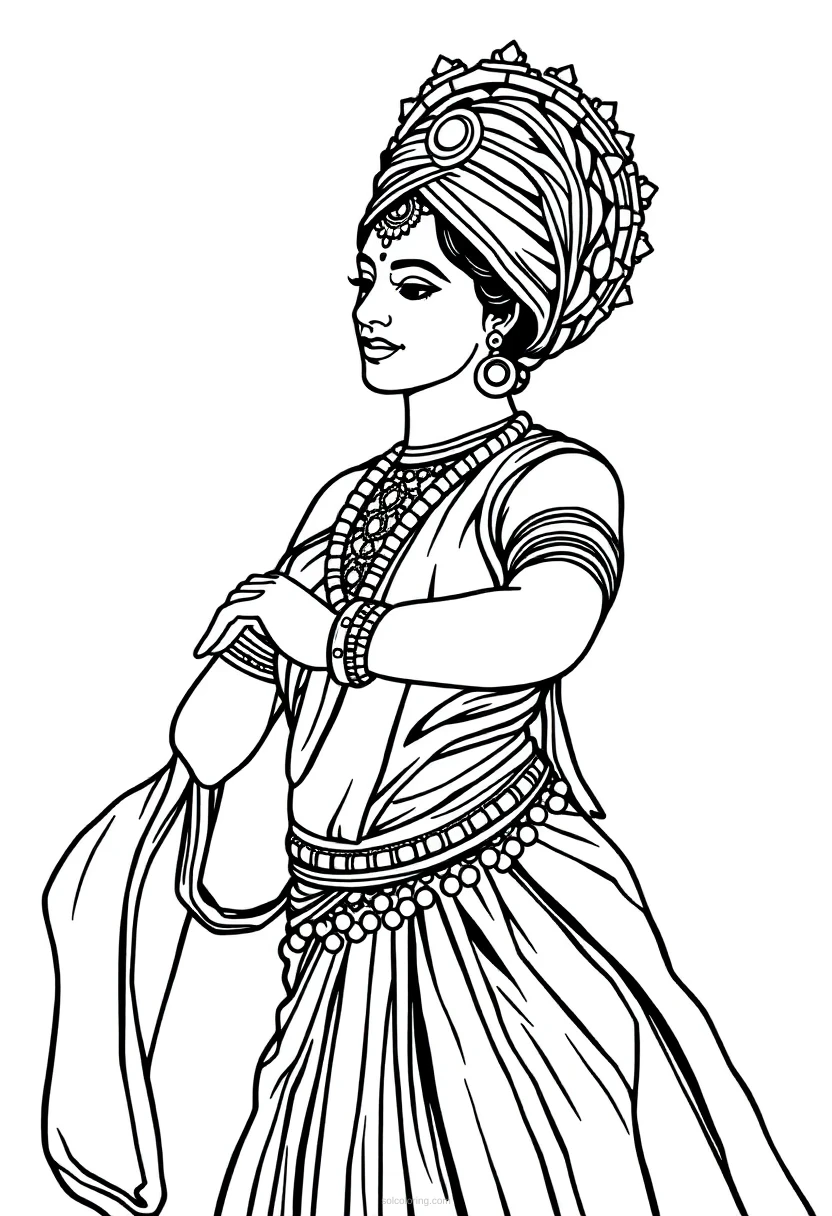
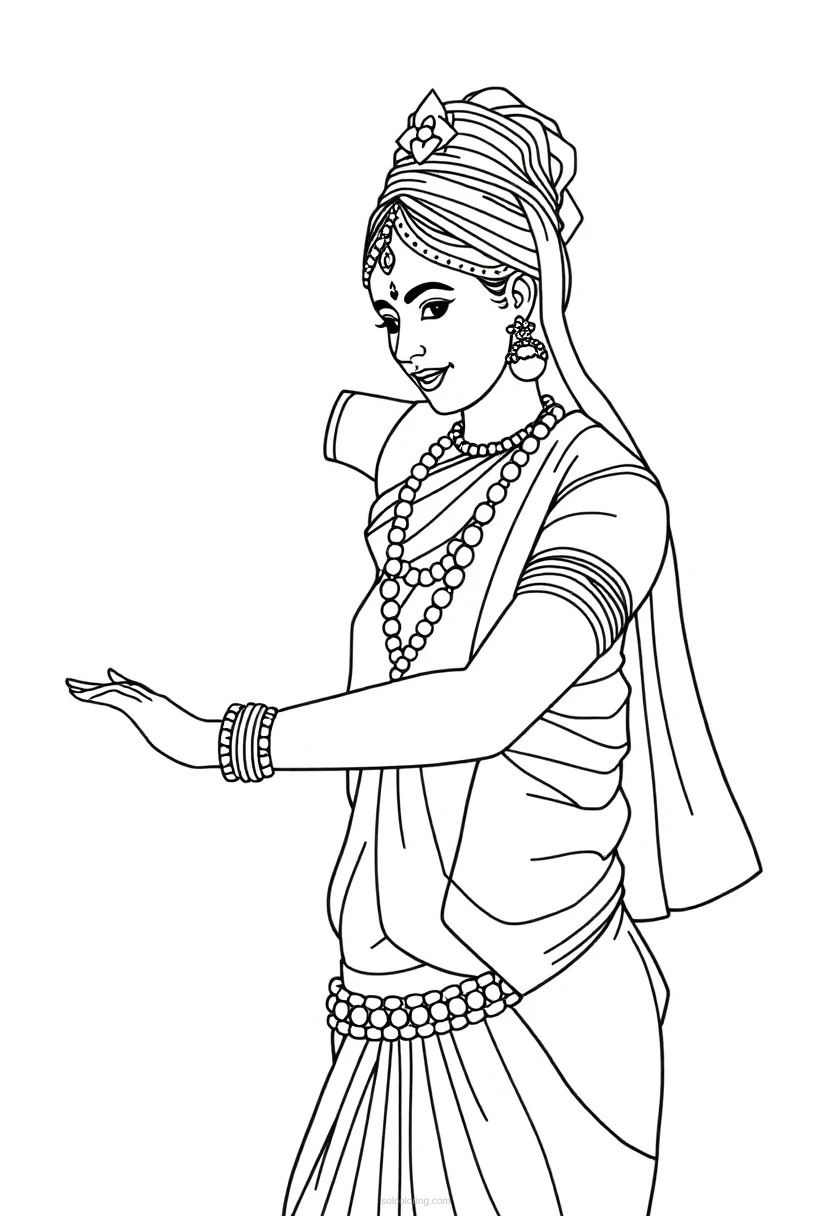
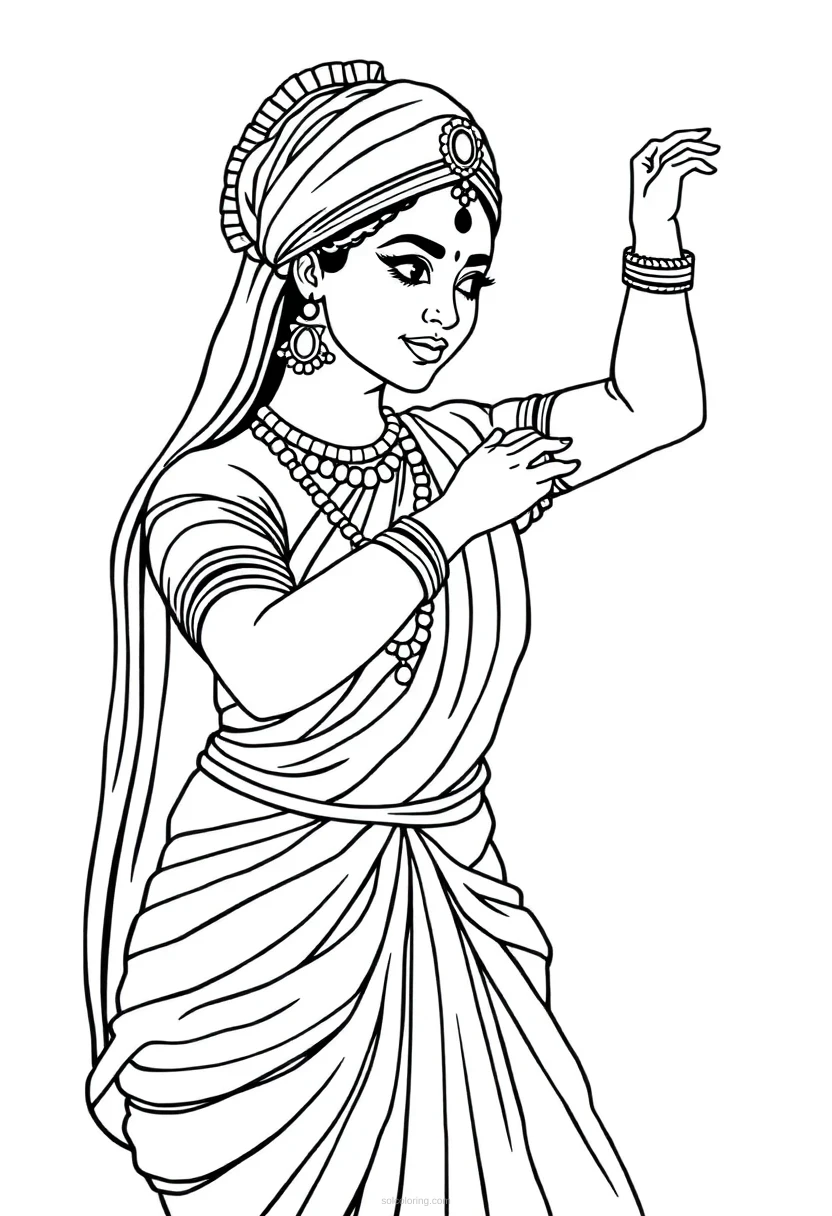
Indian Dancer Realistic Coloring Pages
6 free printable designs including Standard, Standard, Standard, Standard and more.
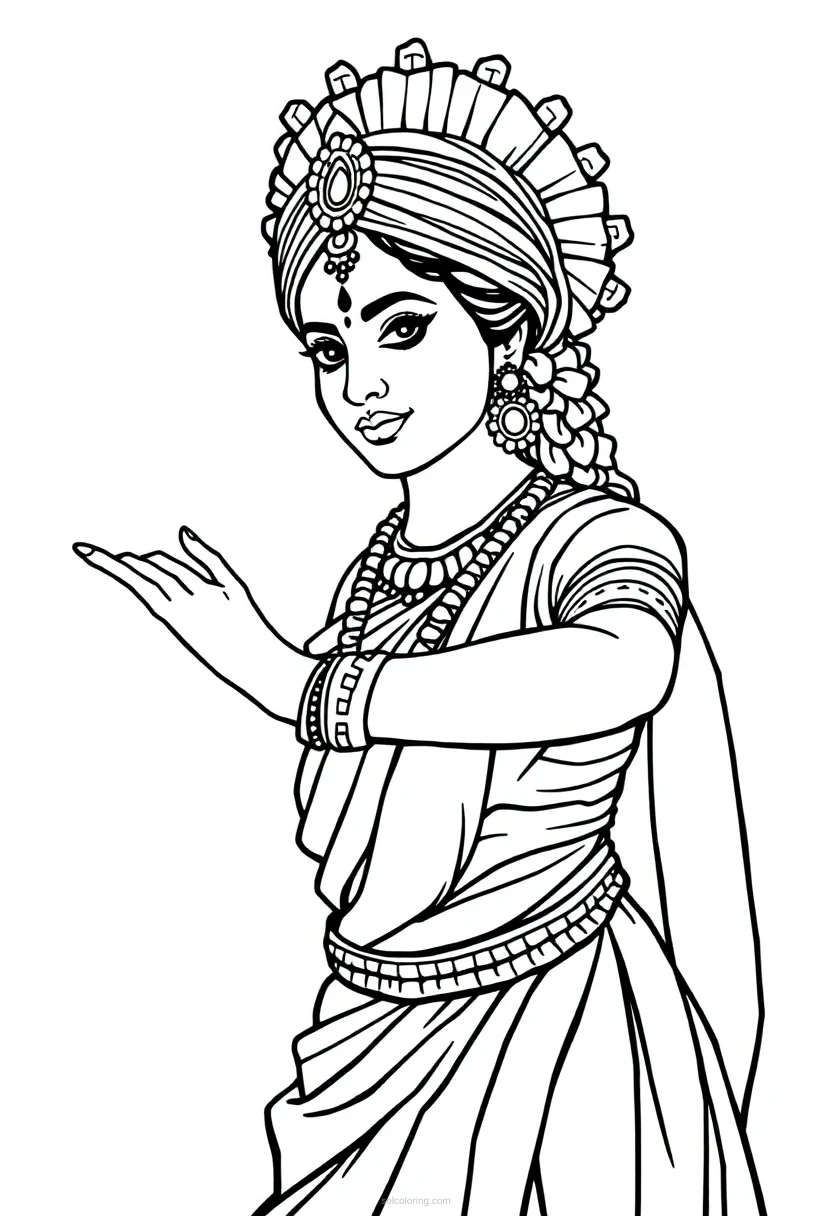
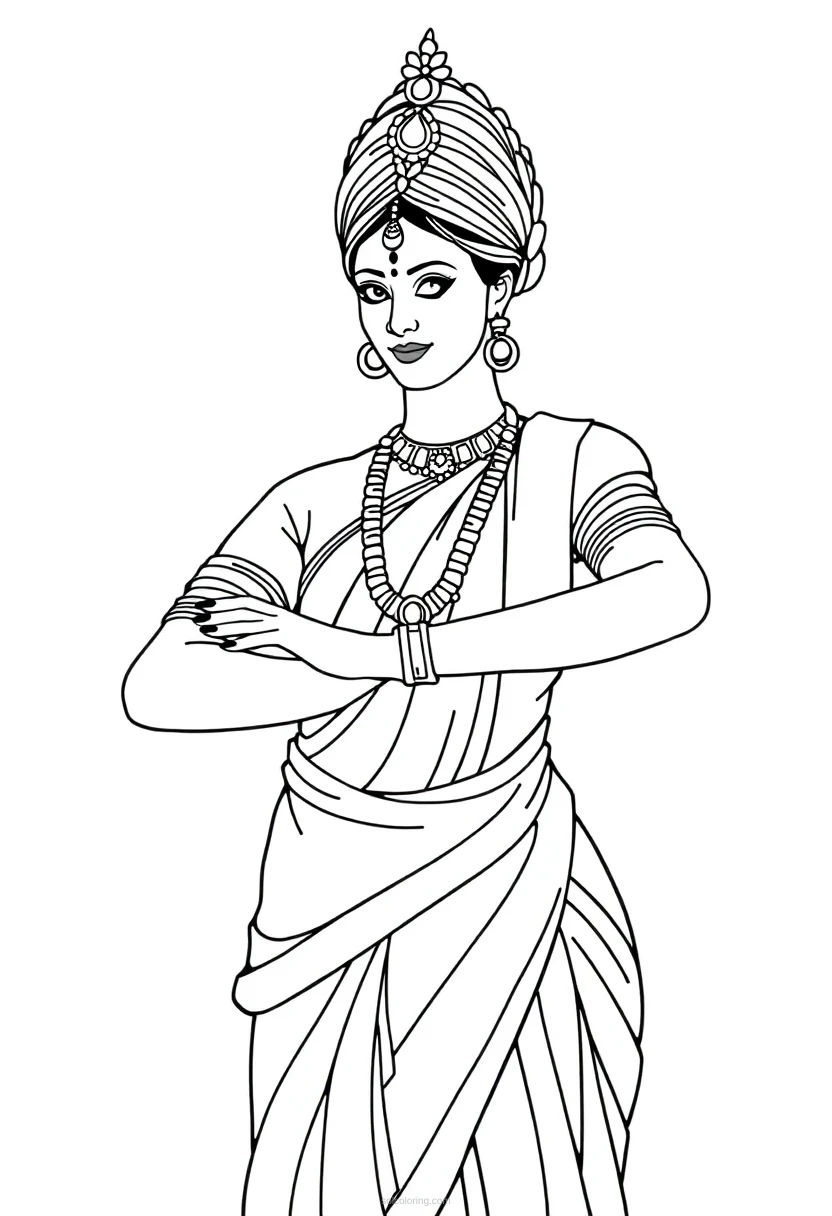
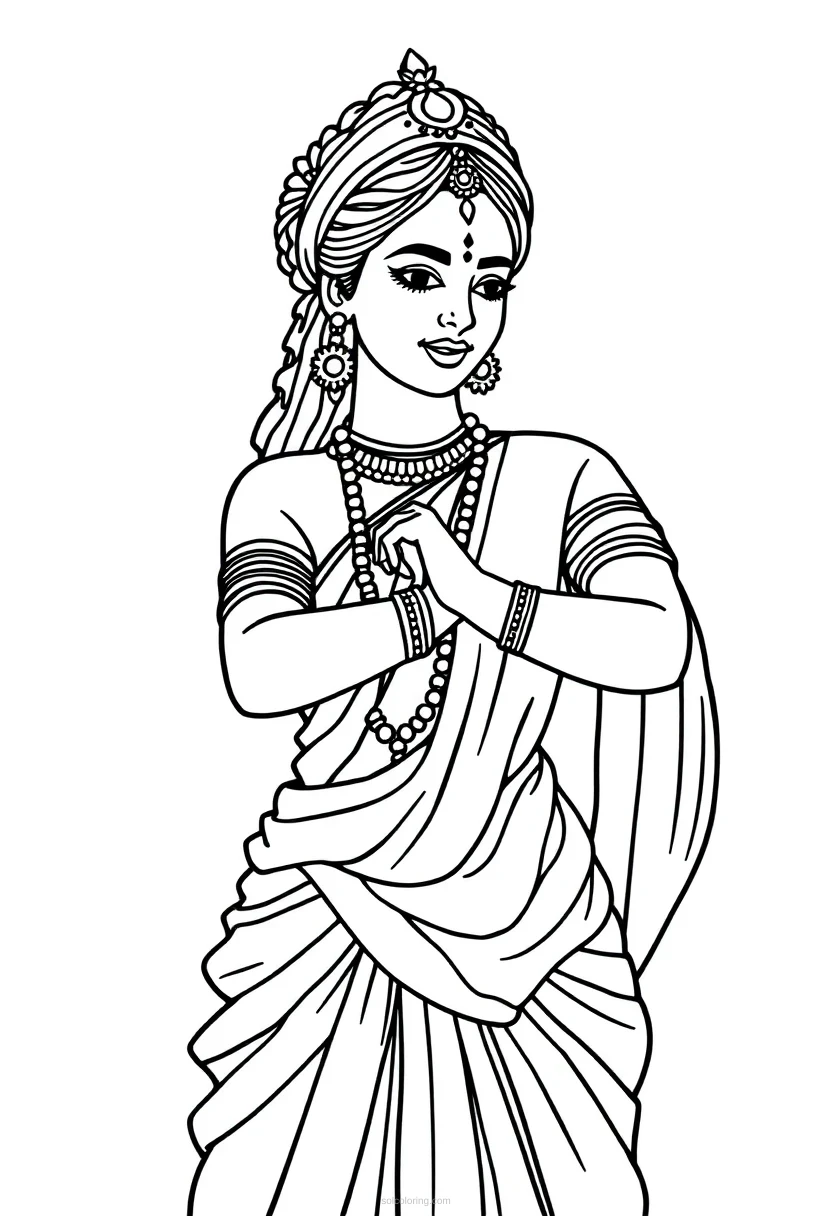
Indian classical dance is one of the world's oldest and most beautiful art forms, with a history spanning thousands of years. Dancers train for years to master intricate movements, graceful hand gestures called mudras, and expressive facial expressions that tell ancient stories. This free printable coloring page captures the elegance and cultural richness of an Indian dancer in traditional costume, complete with flowing fabrics, ornate jewelry, and detailed patterns. Coloring this realistic Indian dancer allows you to appreciate the artistry while learning about an important part of world culture. Download your free printable coloring page today and explore the vibrant traditions of Indian dance.
Read more →Read less ↑
Choose a style
Did you know?
Fun facts about Indian Dancer Realistic
Indian classical dancers wear ankle bells called ghungroos that contain up to 100 small metal bells, creating a rhythmic percussion sound as they dance.
The Natyashastra, an ancient Indian text on dance and theater, was written over 2,000 years ago and contains detailed instructions for over 100 different hand gestures.
In Kathakali, a classical dance form from Kerala, male dancers wear elaborate makeup that can take up to three hours to apply and weighs several pounds.
Some Indian dance forms like Bharatanatyam were traditionally performed only by women in temples, and were historically considered sacred offerings to the gods.
A single mudra or hand gesture in Indian classical dance can have multiple meanings depending on the speed, direction, and body position that accompanies it.
About Indian Dancer Realistic
What are the main types of Indian classical dance?
India has eight major classical dance forms recognized by the government: Bharatanatyam, Kathak, Kathakali, Kuchipudi, Odissi, Manipuri, Mohiniyattam, and Sattriya. Each comes from a different region of India and has its own unique style, costumes, music, and stories. Bharatanatyam from South India is perhaps the most widely known worldwide.
What is the significance of hand gestures in Indian dance?
Hand gestures called mudras are fundamental to Indian classical dance and can represent everything from animals to emotions to objects. A single mudra can change meaning based on hand position, movement, and context. Dancers learn hundreds of mudras to tell complex stories without speaking a single word during performances.
How long does it take to become a professional Indian dancer?
Training in classical Indian dance typically takes 8 to 12 years of dedicated practice, starting from childhood. Students practice for hours daily, learning footwork, hand gestures, facial expressions, and the stories behind ancient texts. Many dancers continue training throughout their lives to perfect their craft and achieve mastery.
What is the history of Indian classical dance?
Indian classical dance dates back at least 2,000 years and is mentioned in ancient texts like the Natyashastra, a Sanskrit treatise on performing arts written between 200 BCE and 200 CE. The dances were originally performed in temples as offerings to the gods, and later evolved into a refined court art and public entertainment form.
What do traditional Indian dancer costumes represent?
Traditional costumes are incredibly elaborate and symbolic, featuring bright silk fabrics, heavy gold jewelry, ankle bells called ghungroos, and ornate headpieces. The colors, patterns, and jewelry styles vary by dance form and region. The costumes are designed to enhance the dancer's movements and tell stories visually while connecting performers to their cultural heritage.
Why is facial expression important in Indian classical dance?
Facial expressions, called rasas, are essential for conveying emotions and bringing stories to life in Indian dance. Dancers use eyebrow movements, eye gazes, lip movements, and overall facial positioning to express joy, sorrow, anger, surprise, and other feelings. This emotional expression is just as important as the physical movements themselves.
More Cultural coloring pages
Coloring page FAQs
Are these Indian Dancer Realistic coloring pages free?
Yes! All our Indian Dancer Realistic coloring pages are completely free to download and print. There are no hidden fees, subscriptions, or registration required. Simply visit Sol Coloring, find the page you like, and print it at home on standard paper.
What age are these Indian Dancer Realistic coloring pages for?
These realistic coloring pages are designed for ages 8 to 14 and work great for older teens and adults too. The detailed line work provides a good challenge for intermediate colorers, while beginners can enjoy simple areas. Everyone finds them rewarding to color.
How do I print these Indian Dancer Realistic coloring pages?
Printing is easy and requires no signup. Download the PDF file, open it on your computer, and print on standard A4 or Letter-sized paper using any home printer. Adjust print settings for best results, then grab your colored pencils and start creating.