
Cultural
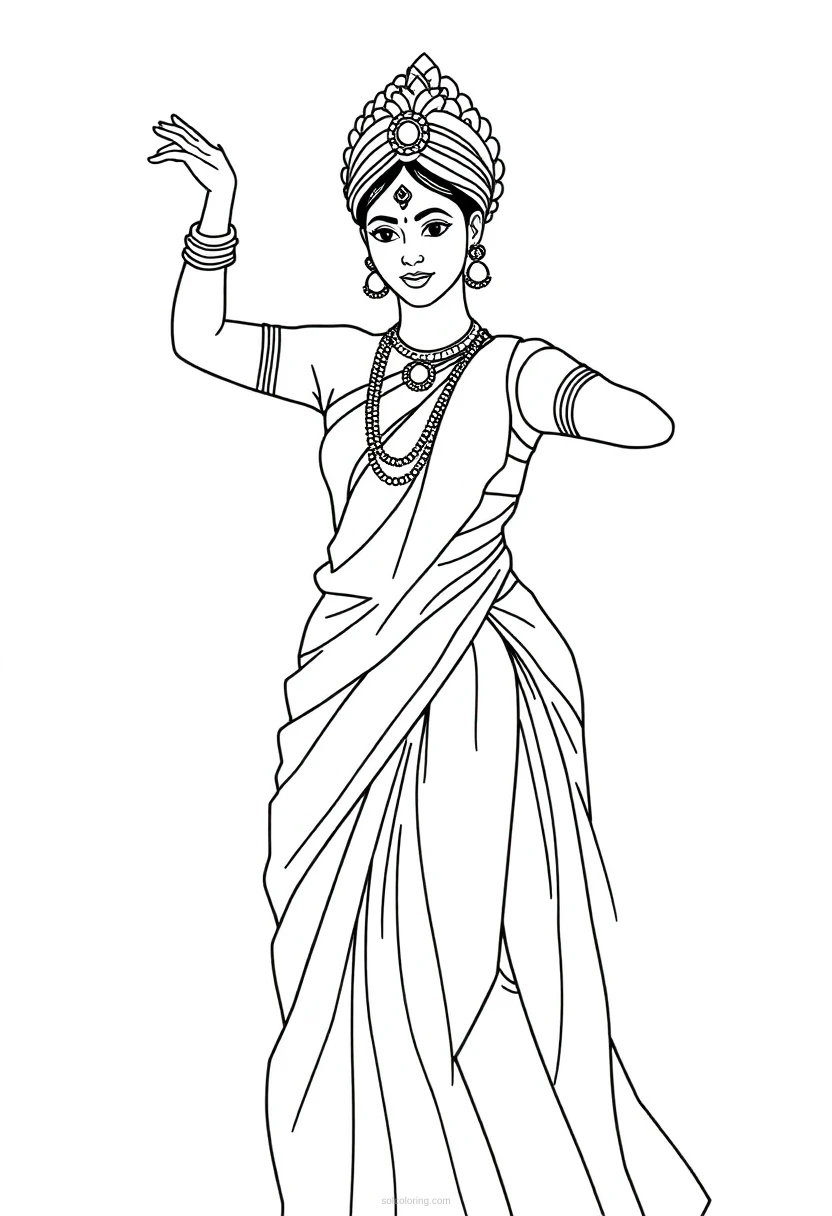
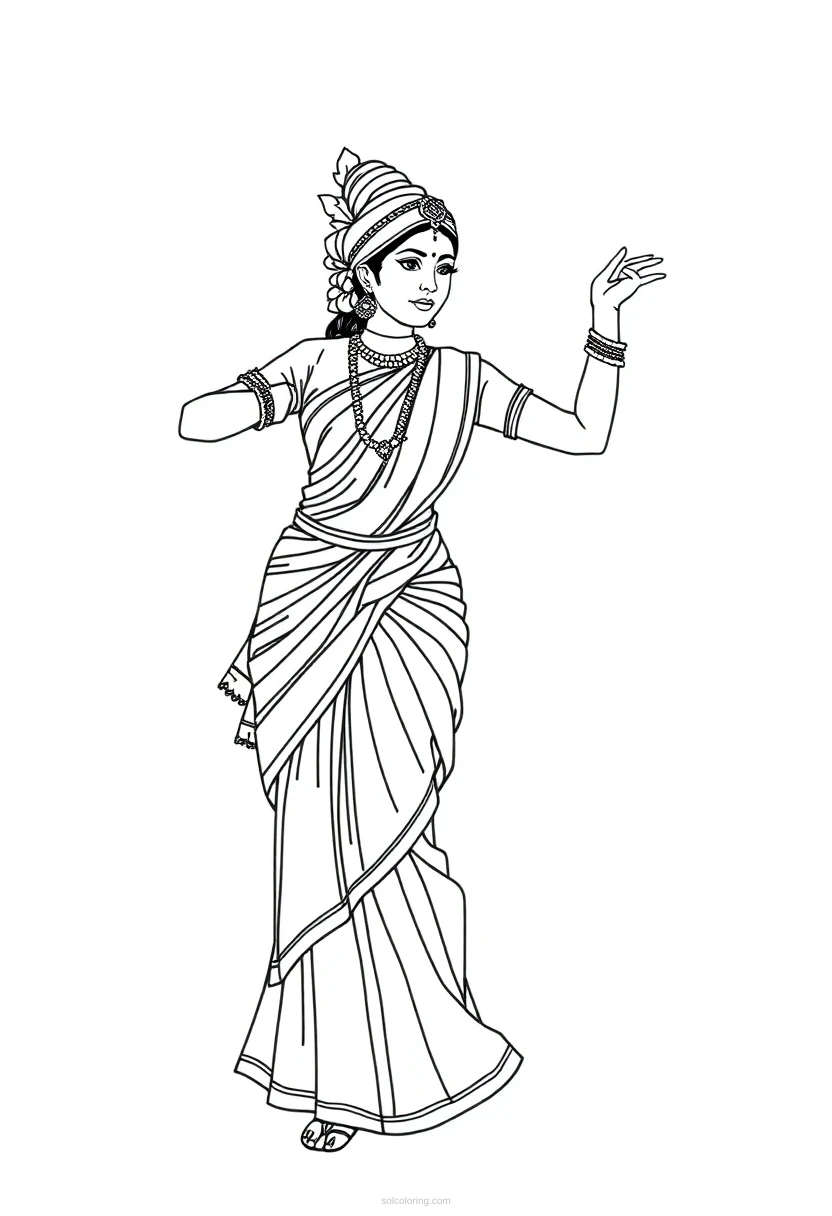
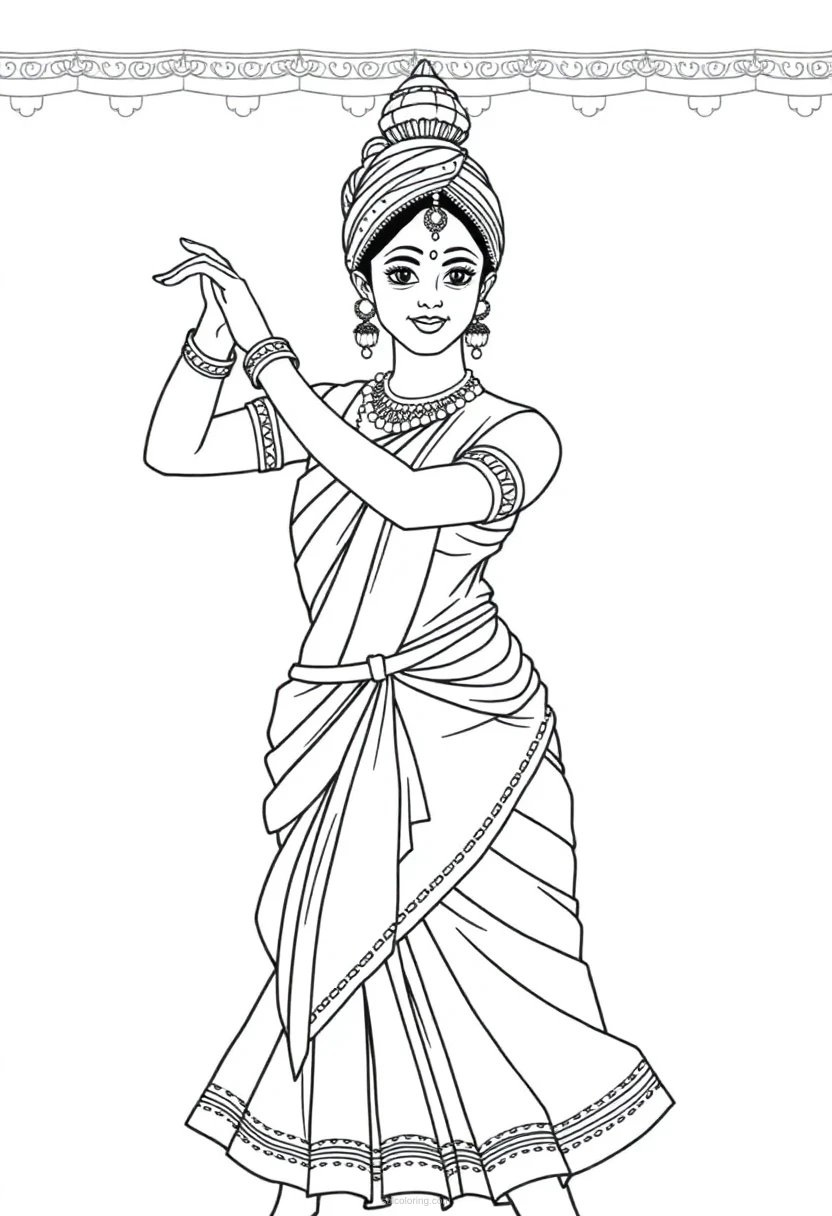
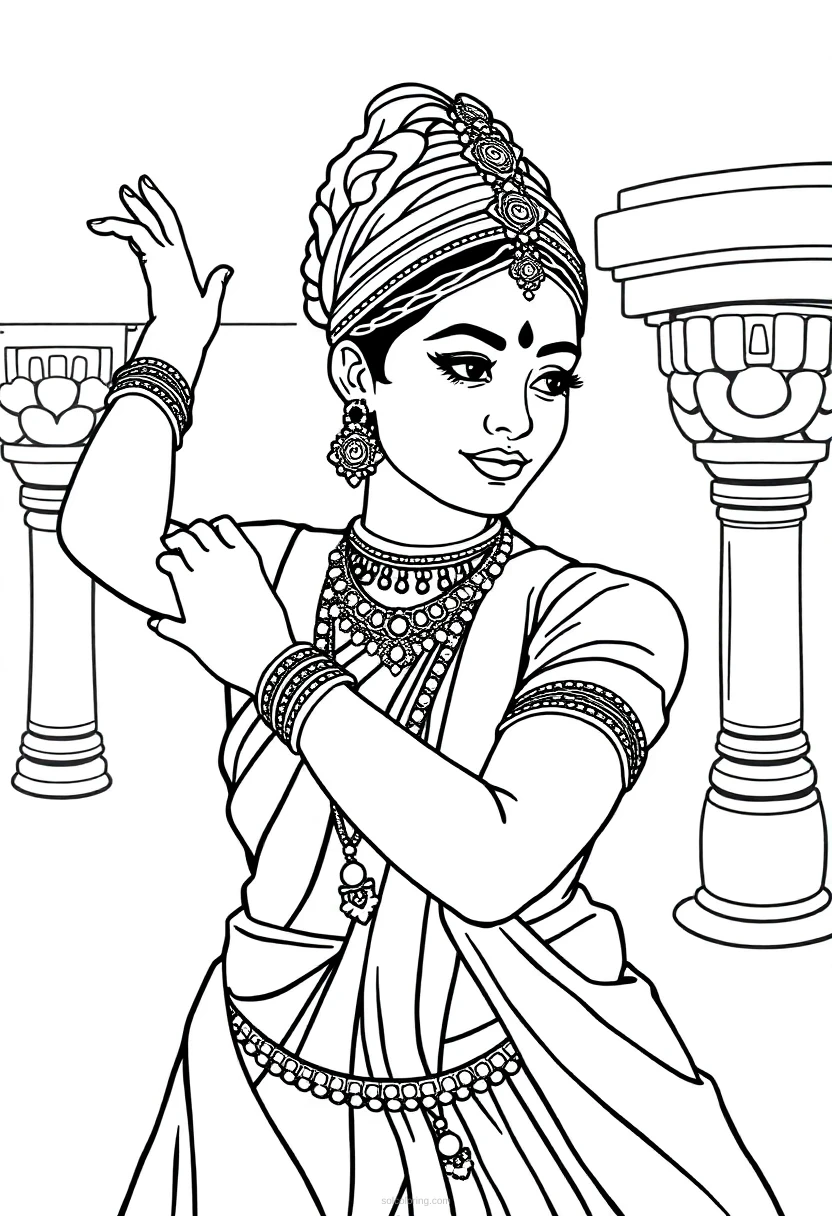
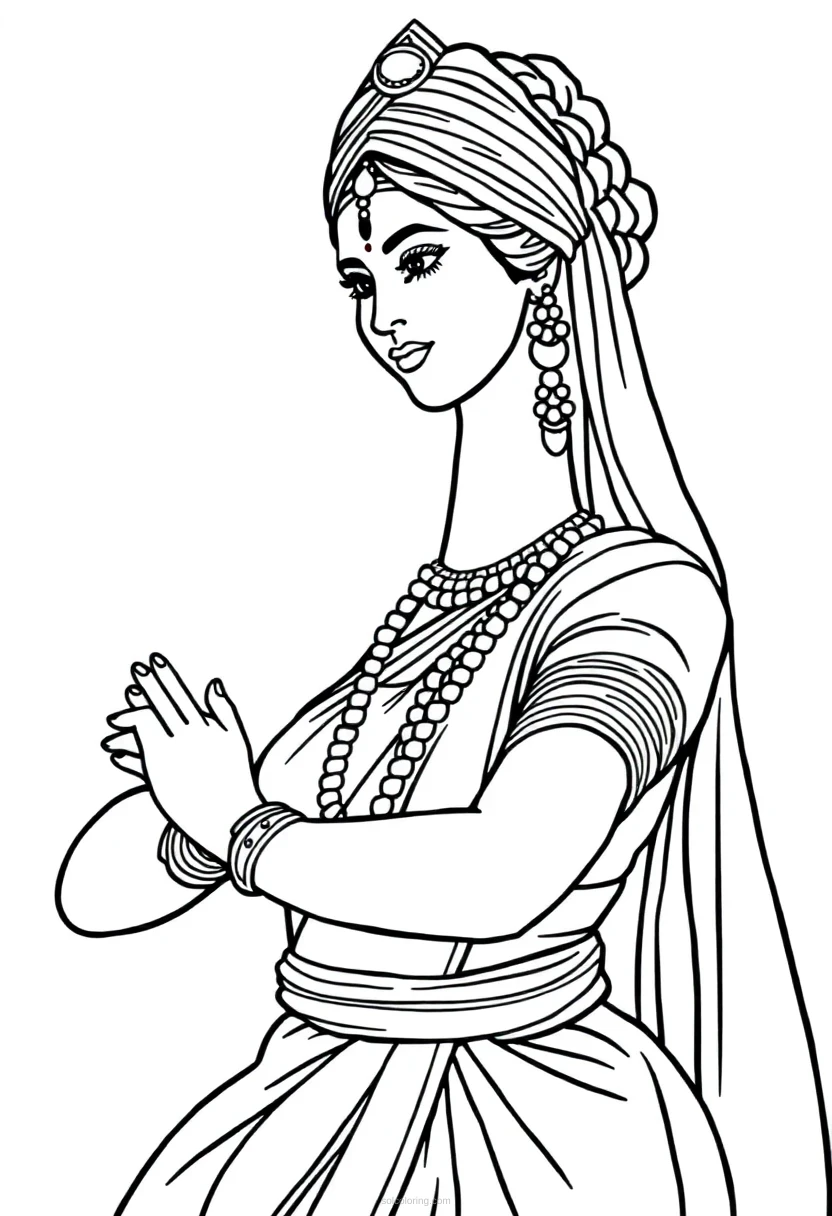
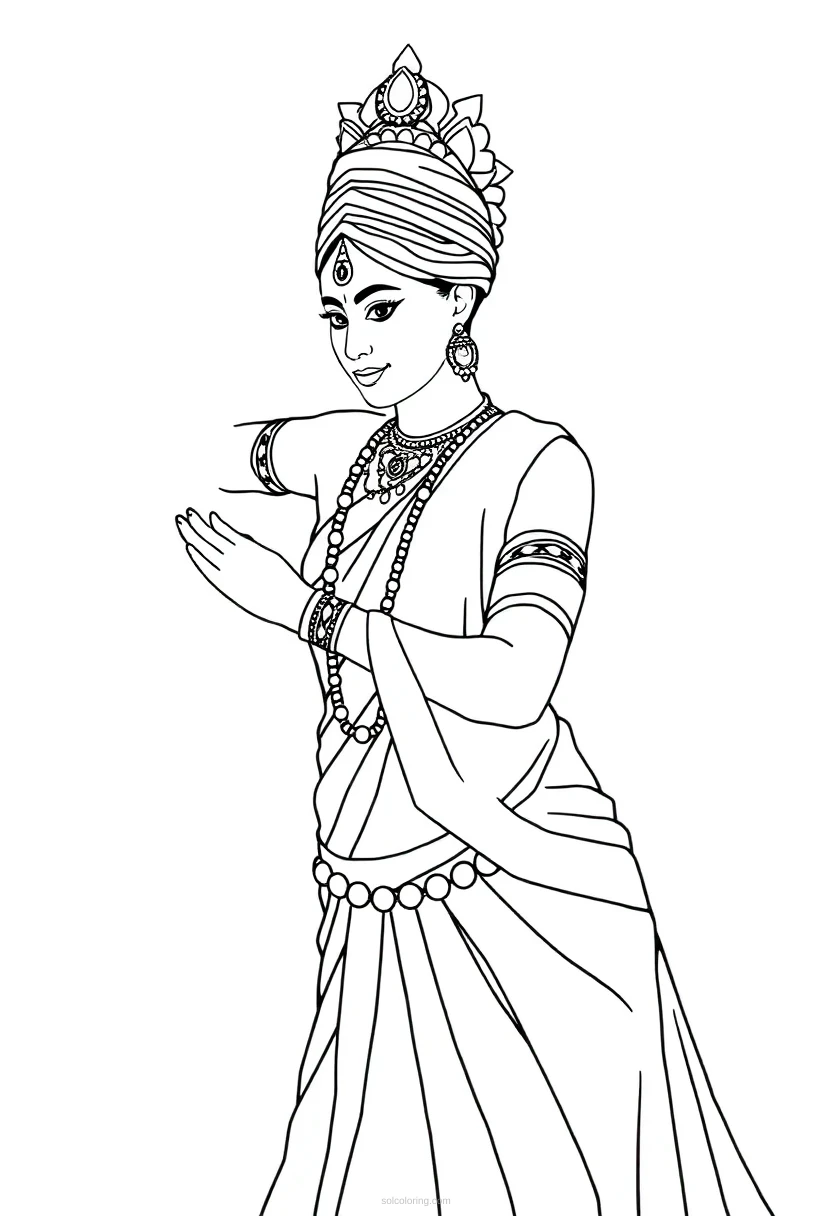
Indian Dancer Simple Coloring Pages
6 free printable designs including Standard, Standard, Standard, Standard and more.
Indian classical dance is one of the world's oldest and most beautiful art forms, passed down through families and communities for thousands of years. Dancers tell stories through graceful movements, hand gestures called mudras, and rhythmic footwork that mesmerize audiences. This free printable coloring page celebrates the elegance and cultural richness of Indian dance traditions. Whether you're learning about different cultures or simply love coloring detailed costumes and flowing fabrics, this free printable coloring page is perfect for you. Explore the vibrant world of Indian dance while bringing these artistic performers to life with your favorite colors.
Read more →Read less ↑
Choose a style
Did you know?
Fun facts about Indian Dancer Simple
Indian classical dancer's ankle bells, called ghungroos, contain up to 100 small metal bells each, and a single dancer can wear eight to twelve pounds of bells on both feet.
The Bharatanatyam dance form uses facial expressions called rasas to convey nine different emotions: love, courage, disgust, anger, fear, sadness, surprise, peace, and wonder.
In Kathakali dance from Kerala, male dancers wear elaborate makeup weighing up to two hours to apply, with specific colors representing different character types: green for heroes, red for demons, and gold for gods.
Many classical Indian dances tell the love stories of Hindu gods Krishna and Radha, with some performances lasting eight hours or more as dancers beautifully recreate ancient tales.
Indian dancers were historically celebrated as nation builders: when India gained independence, classical dance was formally recognized as high art form and the eight major styles were officially standardized by the government.
About Indian Dancer Simple
What are the main types of Indian classical dance?
India has eight classical dance forms recognized by the government, including Bharatanatyam from Tamil Nadu, Kathak from North India, and Kathakali from Kerala. Each style has unique costumes, music, and storytelling traditions. Dancers often spend decades mastering one form, learning from gurus in lineage-based training methods called the guru-shishya parampara system.
What do the hand gestures in Indian dance mean?
Hand gestures called mudras are the vocabulary of Indian dance, with over 100 recognized mudras. Each mudra has specific meanings, from representing flowers and animals to emotions and gods. For example, the Pataka mudra (a flat hand) can mean 'flag,' 'leaf,' or 'wave' depending on how it moves and what the dancer's face expresses.
Why are Indian dancer costumes so colorful and decorated?
Elaborate costumes serve important cultural and practical purposes in Indian dance. Bright colors and heavy jewelry make movements visible to large audiences in open-air venues and temples. Gold ornaments, silk fabrics, and ankle bells create visual beauty while the bells produce rhythmic sounds that enhance the performance and help keep dancers connected to the musical beat.
How long does it take to become a professional Indian dancer?
Training typically begins in childhood and continues for many years. Most serious students train for at least five to ten years before performing professionally, practicing several hours daily with a guru. Some dancers train their entire lives to master their chosen style, as Indian dance emphasizes continuous refinement of technique, expression, and spiritual connection.
What role did Indian dance play in temples and religion?
For centuries, Indian classical dances originated in Hindu temples, where dancers performed religious rituals and told stories about gods and goddesses. Temple dancers called Devadasis were sacred, and their performances were considered offerings to the gods. Many classical dance movements still retain this spiritual purpose today, blending physical artistry with emotional and religious meaning.
What instruments accompany Indian classical dancers?
Indian dancers perform with live orchestral accompaniment featuring the sitar, tabla drums, flute, and violin. The tabla drummer plays a crucial role, creating complex rhythmic patterns that dancers follow. A singer performs melodic ragas, which are musical frameworks following specific scales and moods that dancers interpret through movement, creating perfect synchronization between music and dance.
More Cultural coloring pages
Coloring page FAQs
Are these Indian Dancer Simple coloring pages free?
Yes, absolutely! All our Indian Dancer Simple coloring pages are completely free to download and print. There are no hidden fees, subscriptions, or sign-ups required. Just visit Sol Coloring, find your favorite design, and print it instantly on standard paper at home.
What age are these Indian Dancer Simple coloring pages for?
These coloring pages work wonderfully for ages 8 to 14, though anyone can enjoy them. The designs offer simple outlines for younger colorers while featuring enough cultural detail to engage older kids and teens interested in learning about Indian traditions.
How do I print these Indian Dancer Simple coloring pages?
Printing is easy and requires no special setup. Simply download the PDF, open it on your computer, and click print. Use standard A4 or Letter-size paper and any home printer. No registration needed, and the pages print beautifully in color or black and white.