Cultural
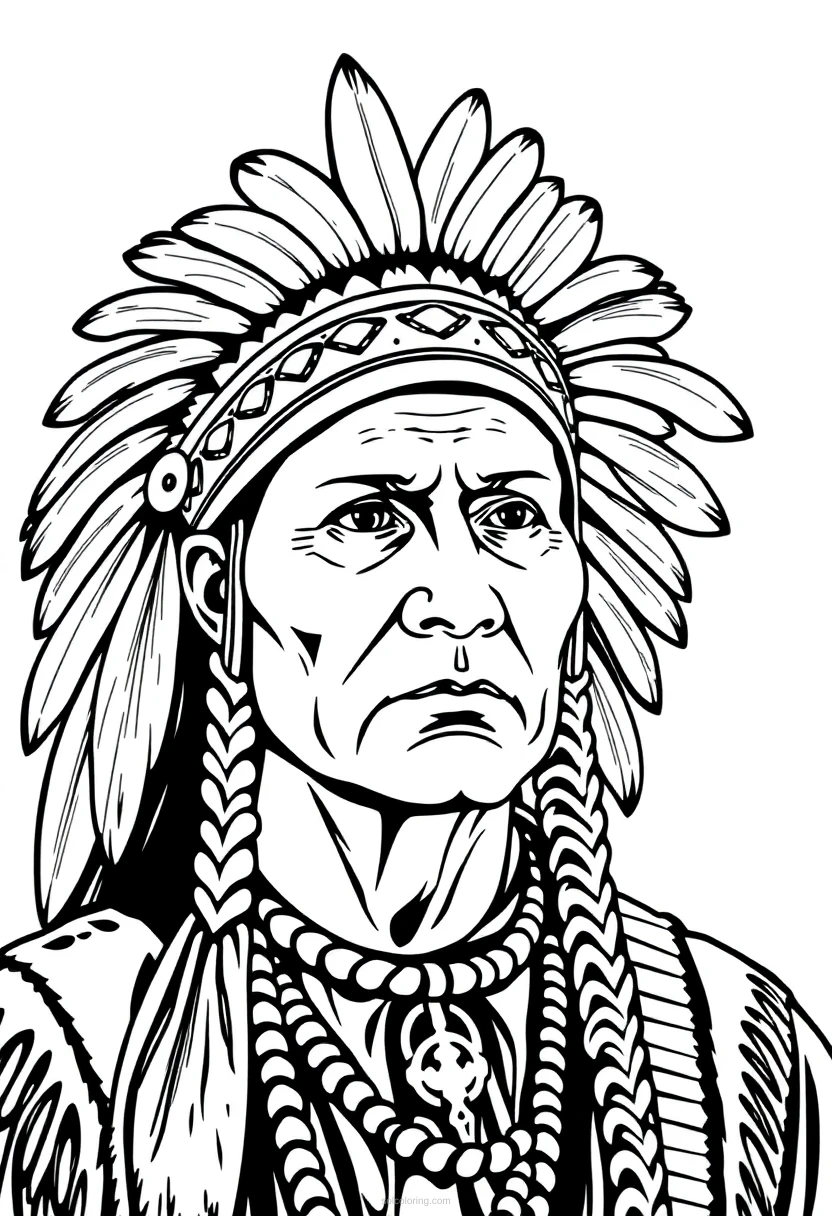
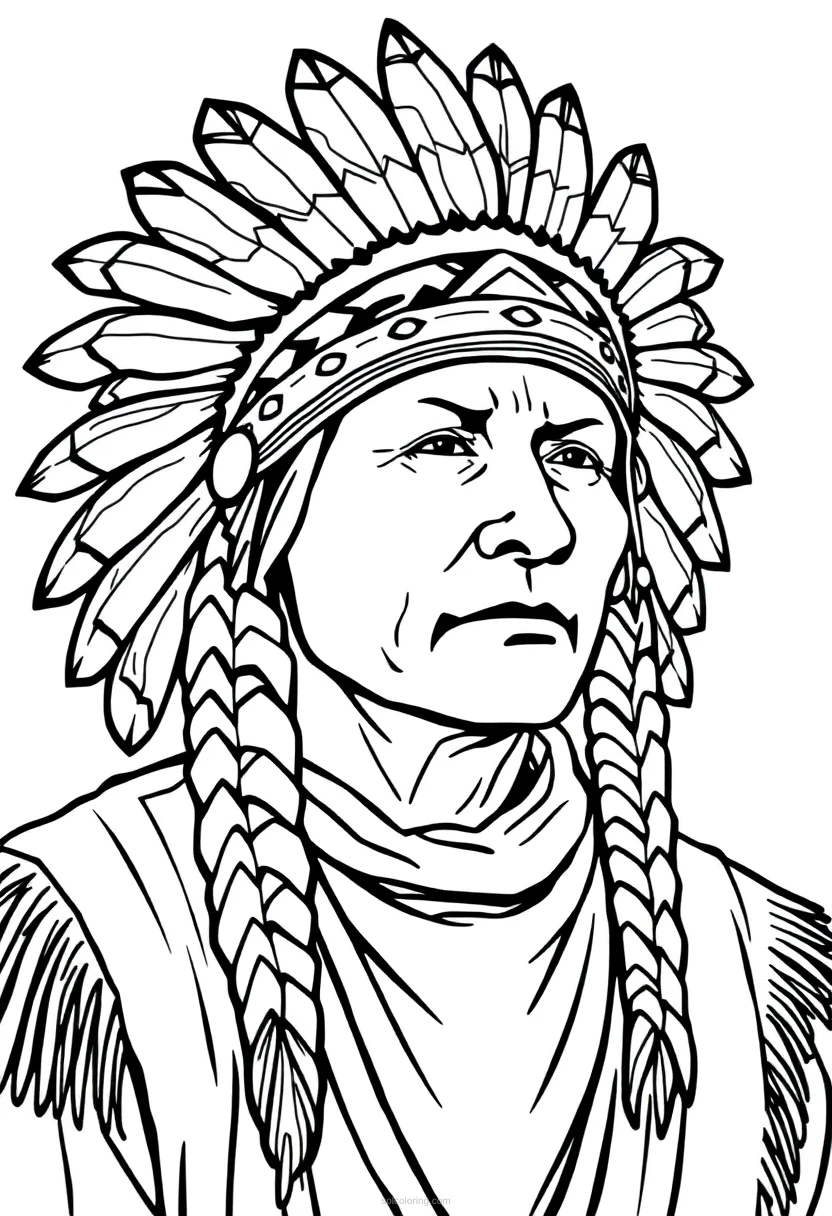
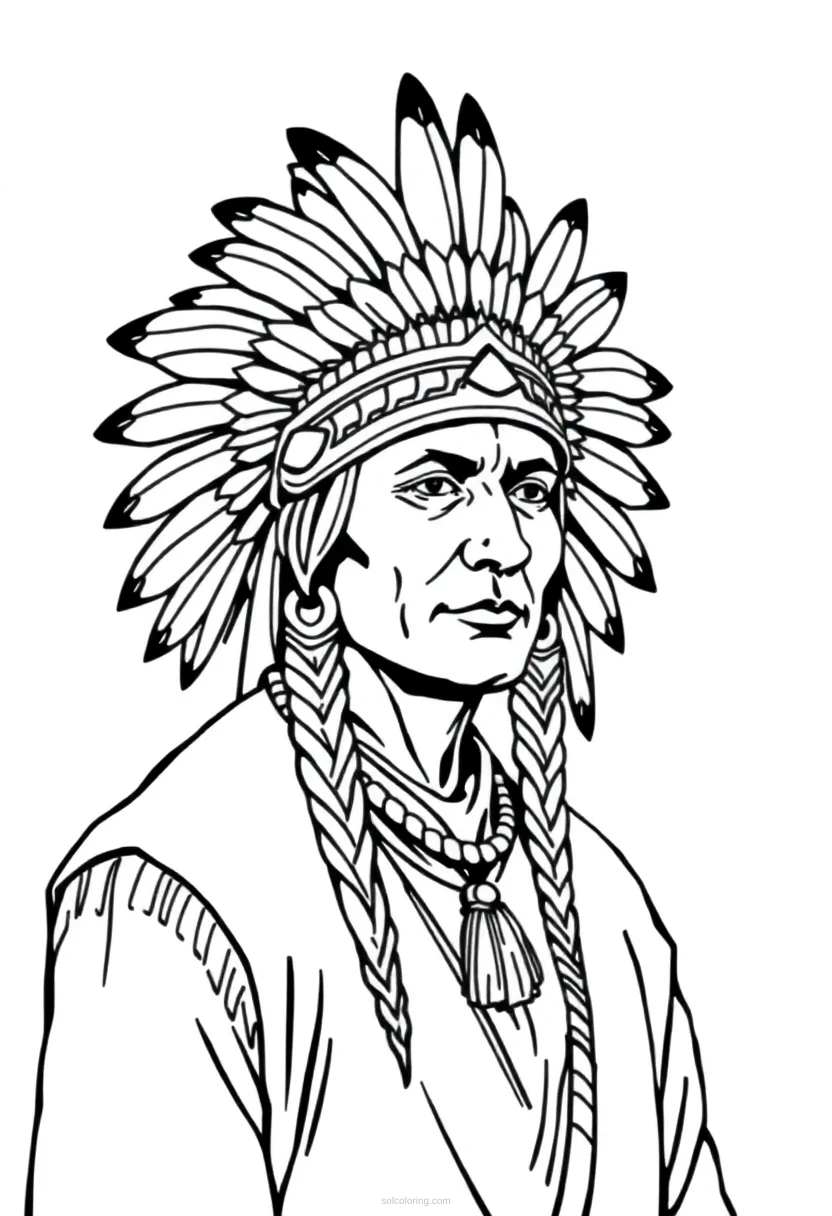
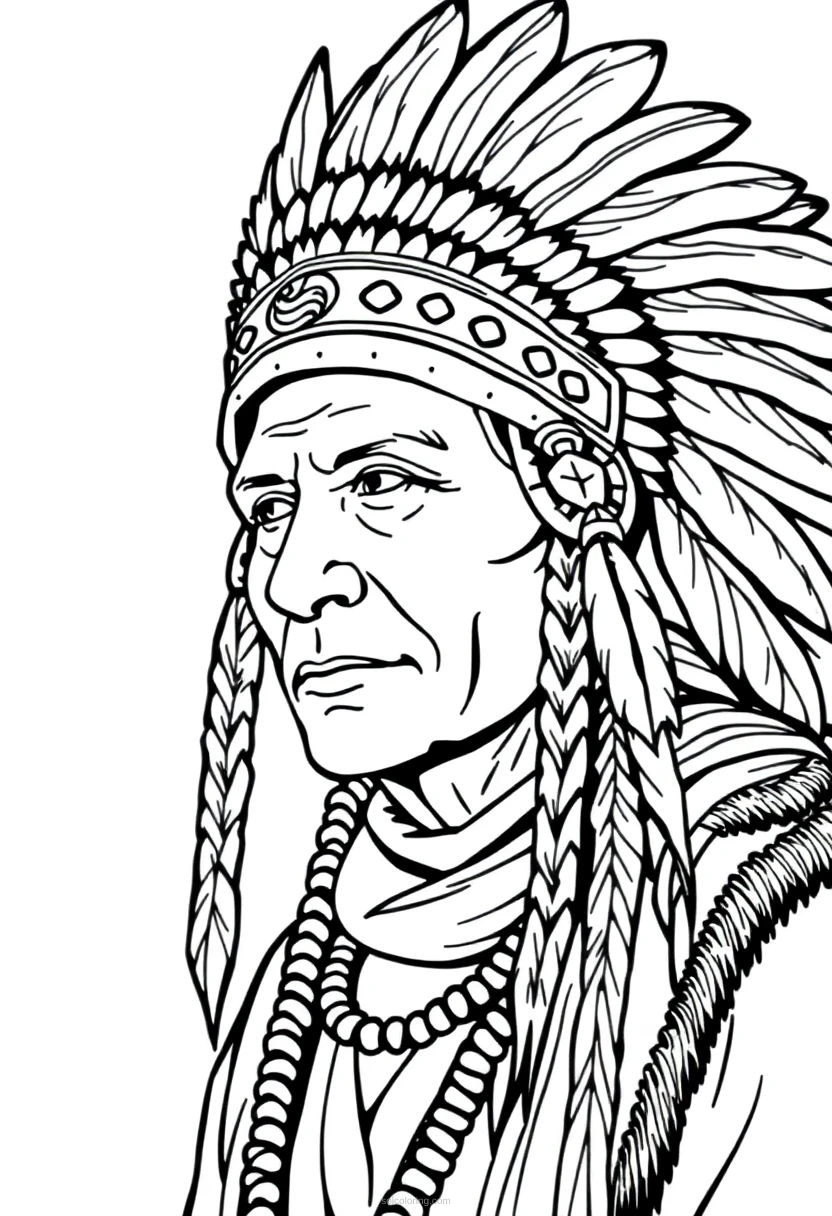
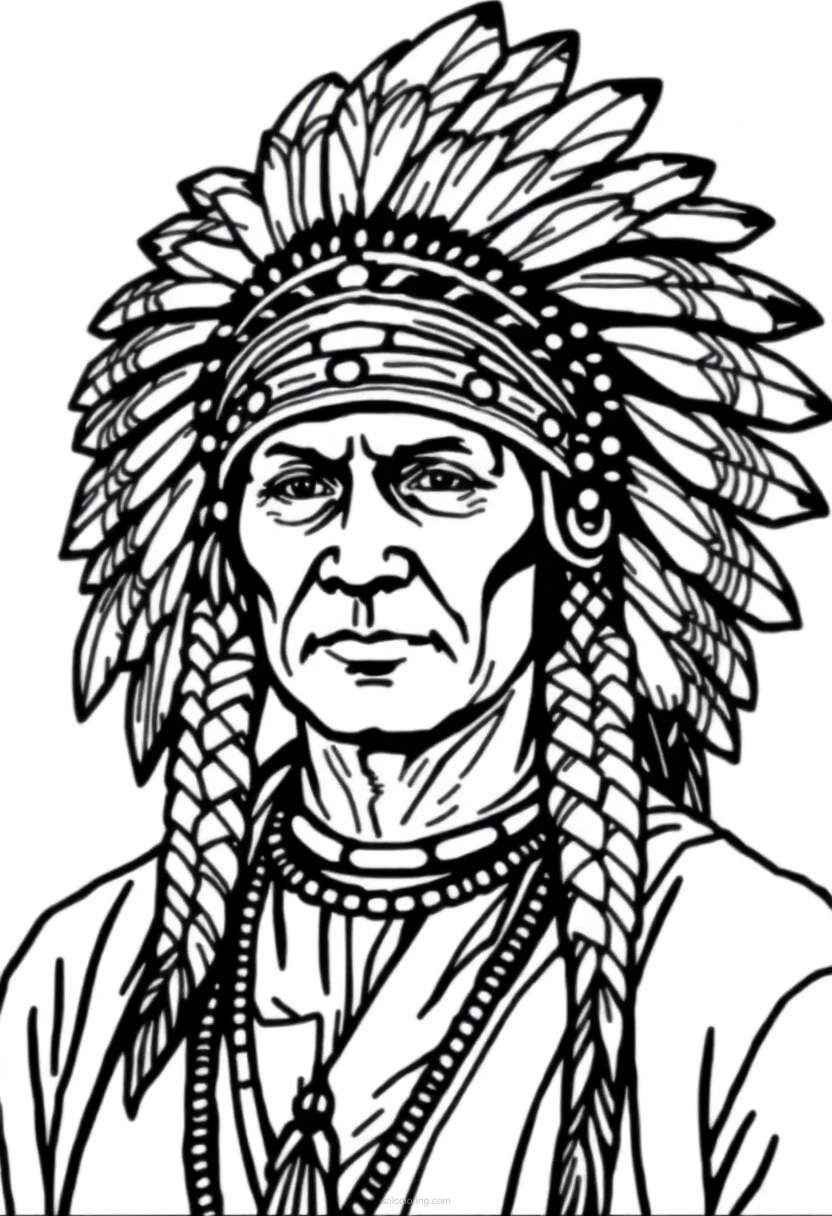
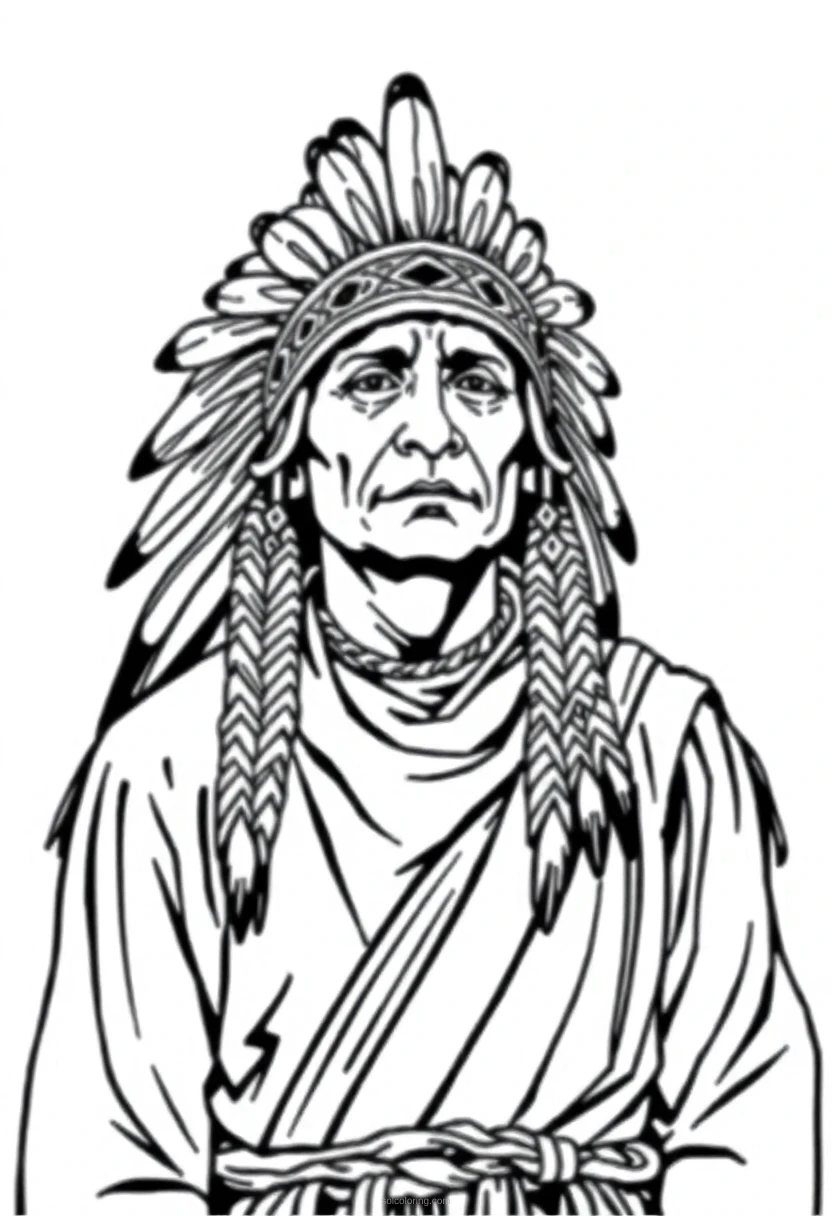
Native American Headdress Coloring Page
Standard style
About this coloring page
This charming Native American Headdress coloring page features a detailed chibi-style design with bold, clear outlines perfect for all skill levels. The intricate feather patterns and decorative elements make this free printable coloring sheet both educational and entertaining for children and adults alike.
Frequently asked
What is the difference between a war bonnet and other Native American headdresses?
War bonnets, featuring long feathers arranged in a circle, were earned by male warriors through acts of bravery and could only be worn by those who had proven themselves in battle. Other headdresses like roach headdresses or crown-style pieces had different spiritual meanings and were worn for various ceremonies, hunts, and tribal gatherings across different nations.
Why are feathers so important in Native American headdresses?
Feathers held sacred spiritual significance and represented connection to the sky, eagles, and divine power. Each feather was carefully chosen, often from eagles or other powerful birds. The number, placement, and condition of feathers communicated a person's status, achievements, and spiritual standing within their community.
Did all Native American tribes wear headdresses?
No, headdress styles varied greatly among the hundreds of different Native American tribes. Plains tribes like the Lakota and Cheyenne were famous for war bonnets, while Southwestern tribes created different ceremonial headpieces, and Eastern Woodlands tribes had their own distinct styles reflecting their unique cultures and traditions.
Are these Native American Headdress Chibi coloring pages free?
Yes, all our Native American Headdress Chibi coloring pages are completely free to download and print. No signup, payment, or account creation is required. Simply visit Sol Coloring, select your favorite design, and print it instantly on standard paper.
What age are these Native American Headdress Chibi coloring pages for?
These coloring pages are designed for ages 8 to 14, though adults enjoy them too. The chibi style offers simple, bold lines perfect for beginners, while the cultural details provide engaging content for older kids interested in learning about Indigenous history and traditions.