
Historical Eras Scenes
Ancient Greek Olympic Games Coloring Pages
6 free printable designs including Realistic, Detailed, Simple, Mandala and more.
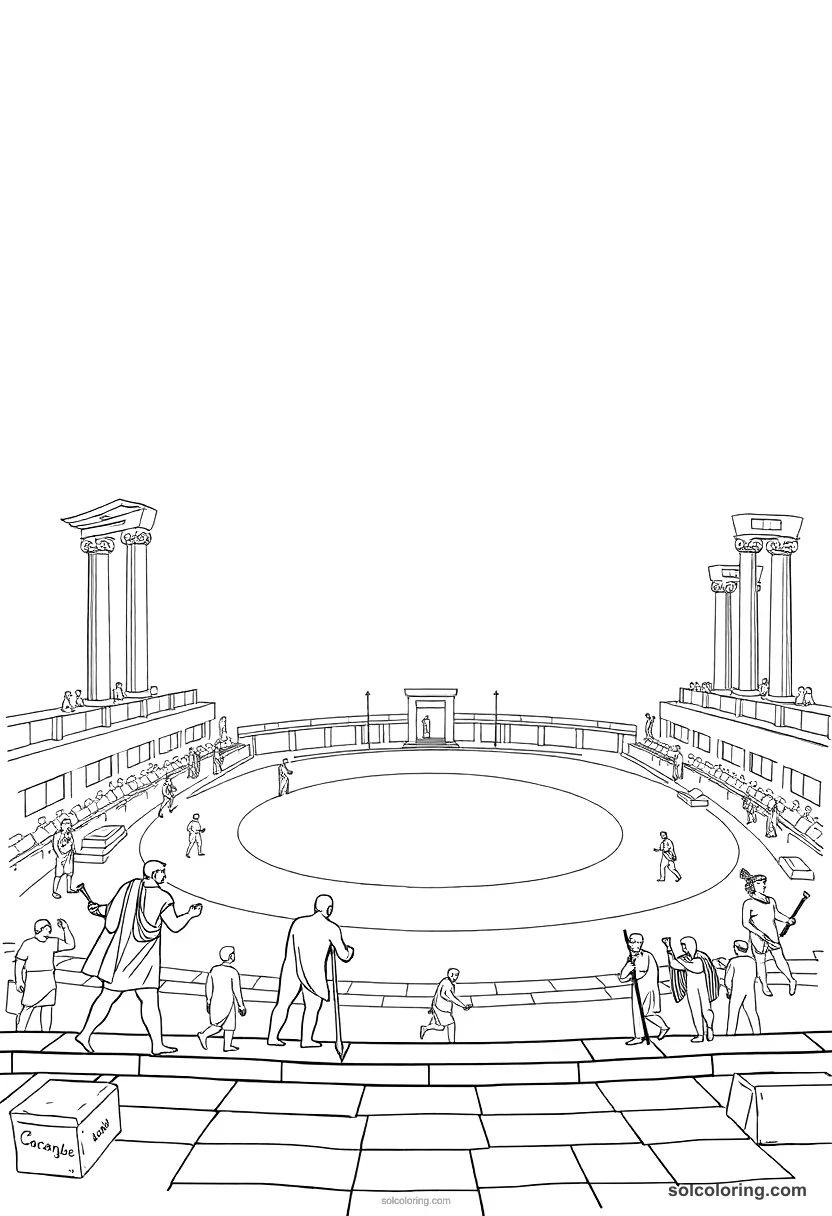
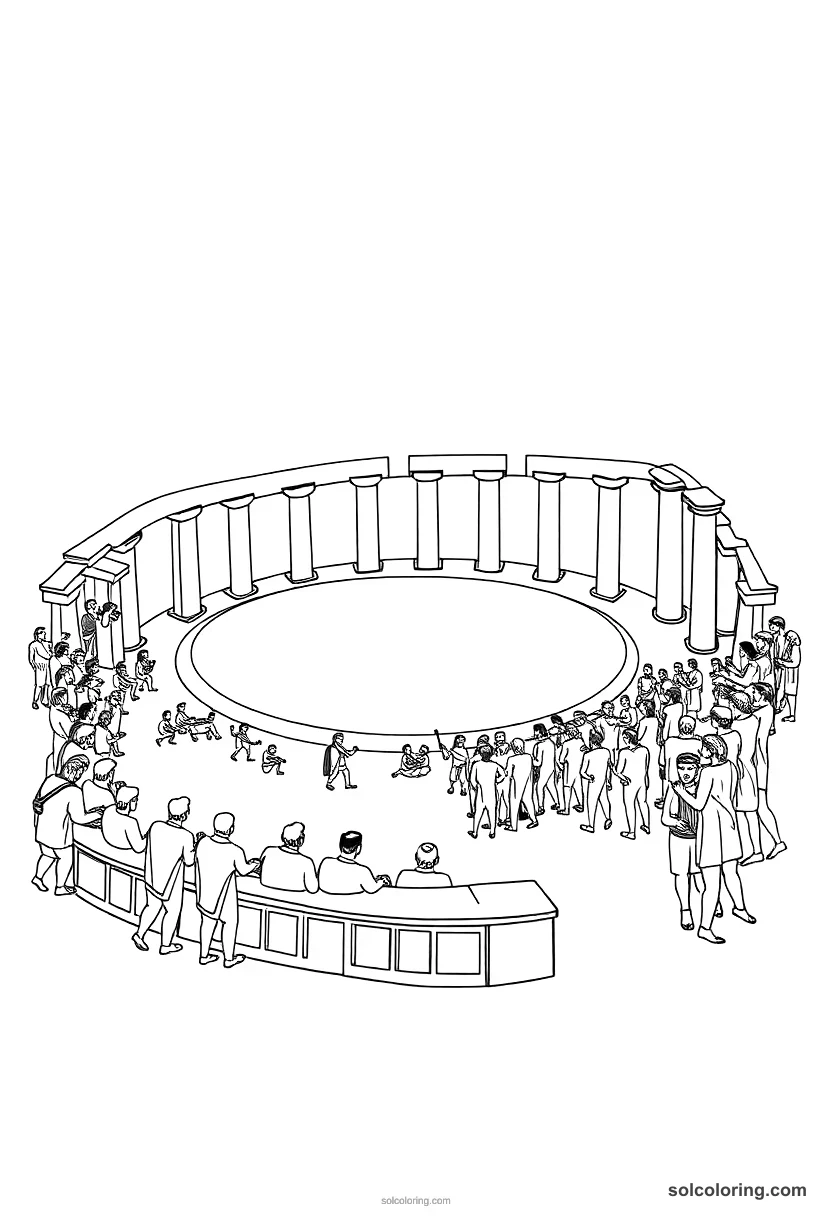
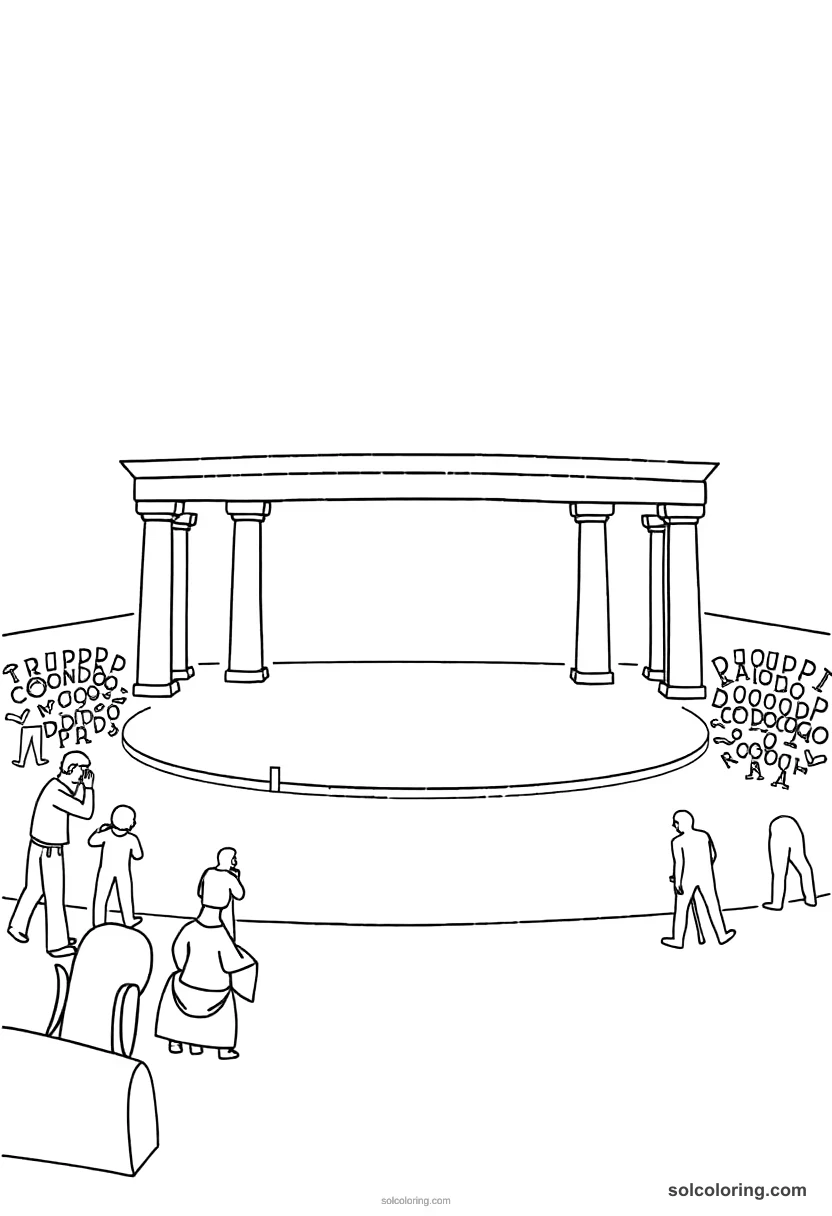
Step back in time to ancient Greece, where the world's most prestigious athletic competition began nearly 3,000 years ago! The Olympic Games started in 776 BC in Olympia, Greece, honoring Zeus, king of the gods. Athletes from across the Greek world competed in events like running, wrestling, chariot racing, and the pentathlon. These games were so important that wars would pause during the Olympic truce. Winners received olive wreaths and became heroes in their home cities. Our free printable coloring page captures the excitement and grandeur of these ancient competitions, featuring athletes, spectators, and the magnificent Olympic stadium. Color your way through this fascinating piece of history and discover how these ancient games inspired the modern Olympics we know today!
Read more →Read less ↑
Choose a style
Did you know?
Fun facts about Ancient Greek Olympic Games
Athletes competed completely naked in the ancient Olympics, believing it would help them run faster and honor the gods.
The Olympic flame tradition started in ancient Greece, where a sacred fire burned throughout the games in honor of Zeus.
Ancient Olympic athletes ate a special diet of figs, cheese, and wine, believing these foods would enhance their performance.
The ancient Olympic stadium in Olympia could hold about 45,000 spectators, roughly the size of a modern baseball stadium.
Cheating athletes faced heavy fines that paid for bronze statues called 'Zanes' displaying their names and shameful deeds for all to see.
About Ancient Greek Olympic Games
When and where did the first Olympic Games take place?
The first recorded Olympic Games occurred in 776 BC in Olympia, Greece. They were held every four years for nearly 1,200 years until Emperor Theodosius banned them in 393 AD as part of his campaign to impose Christianity.
What sports were included in the ancient Olympics?
The ancient Olympics featured running races, wrestling, boxing, chariot racing, horse racing, and the pentathlon (running, long jump, discus, javelin, and wrestling). The pankration, a brutal combination of wrestling and boxing, was also popular.
Who could compete in the ancient Olympic Games?
Only free Greek men could compete in the ancient Olympics. Women, slaves, and foreigners were banned from both competing and watching. Married women caught attending could face the death penalty, though unmarried women could spectate.
What did Olympic winners receive as prizes?
Winners received a simple olive wreath cut from a sacred tree near Zeus's temple. However, their home cities often rewarded them with money, free meals for life, front-row theater seats, and tax exemptions.
Why were the ancient Olympics held?
The Olympics honored Zeus, the king of Greek gods. They combined religious worship with athletic competition. The games included sacrifices, prayers, and ceremonies alongside sports, making them both a religious festival and sporting event.
How do ancient Olympics compare to modern ones?
Ancient Olympics lasted five days, featured only male Greek athletes, and included religious ceremonies. Modern Olympics welcome global participation from all genders, last about two weeks, and focus purely on sport rather than religious worship.
More Historical Eras Scenes coloring pages
Coloring page FAQs
Are these Ancient Greek Olympic Games coloring pages free?
Yes! All our Ancient Greek Olympic Games coloring pages are completely free to download and print. No payment, subscription, or account creation required.
What age are these Ancient Greek Olympic Games coloring pages for?
These coloring pages are designed for ages 8 to 14, with varying detail levels. Younger kids can enjoy simpler sections while older children tackle intricate architectural details.
How do I print these Ancient Greek Olympic Games coloring pages?
Simply click download, then print on standard A4 or Letter paper using your home printer. Works with any printer, no special setup needed.