
Historical Eras Scenes
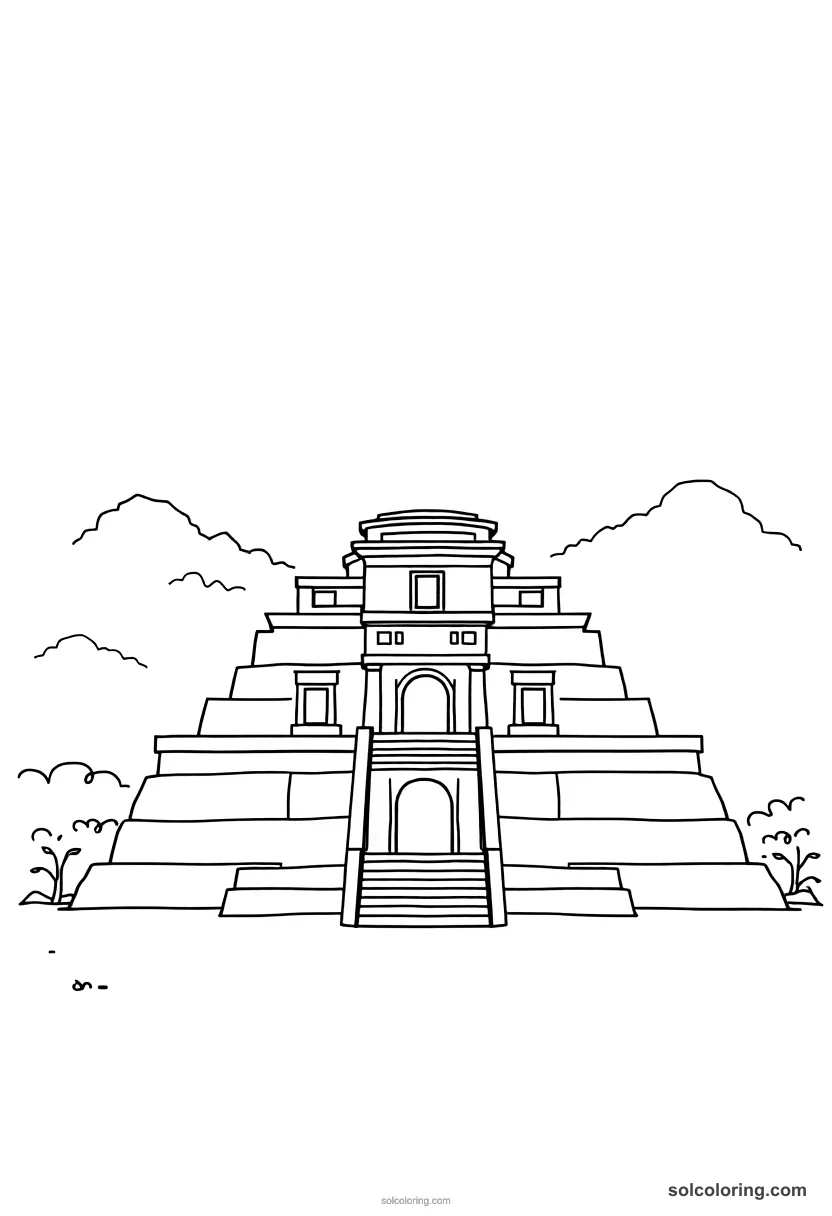
Ancient Mayan Astronomy Observatory Coloring Pages
6 free printable designs including Realistic, Detailed, Simple, Mandala and more.
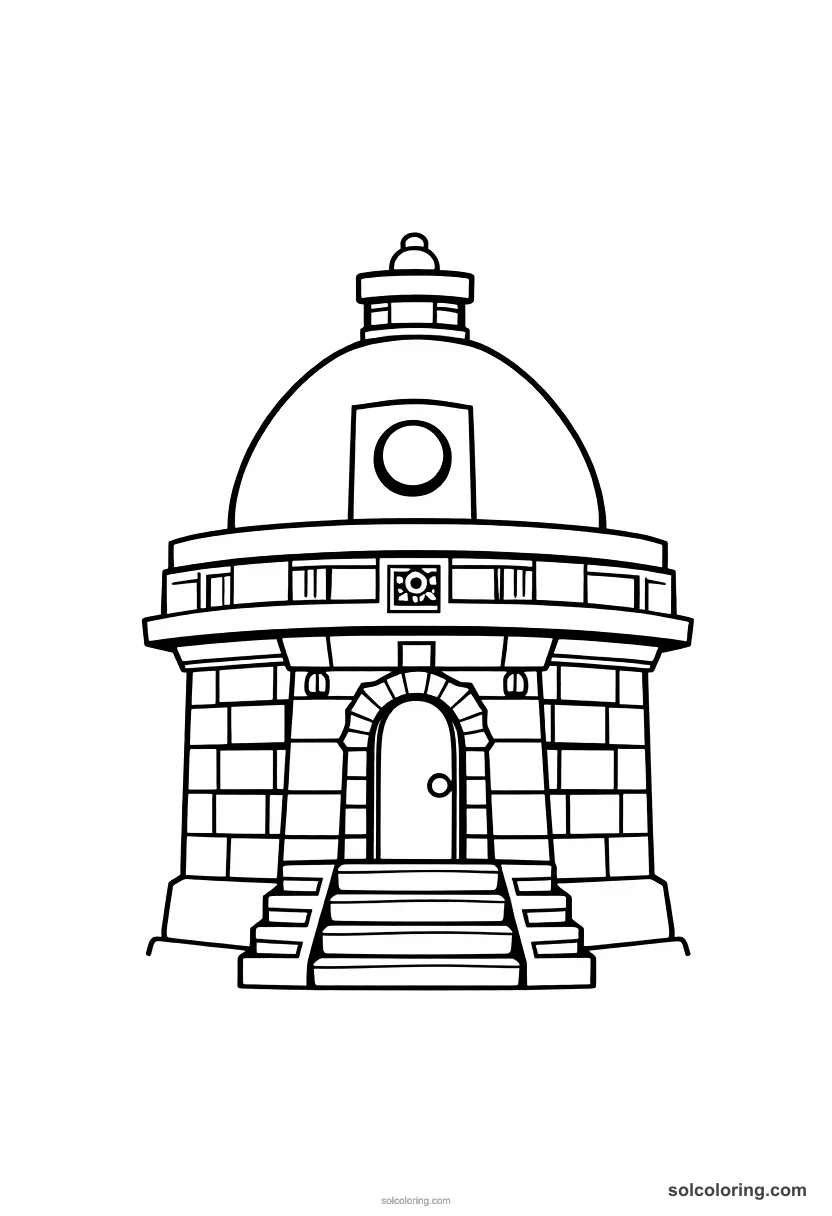
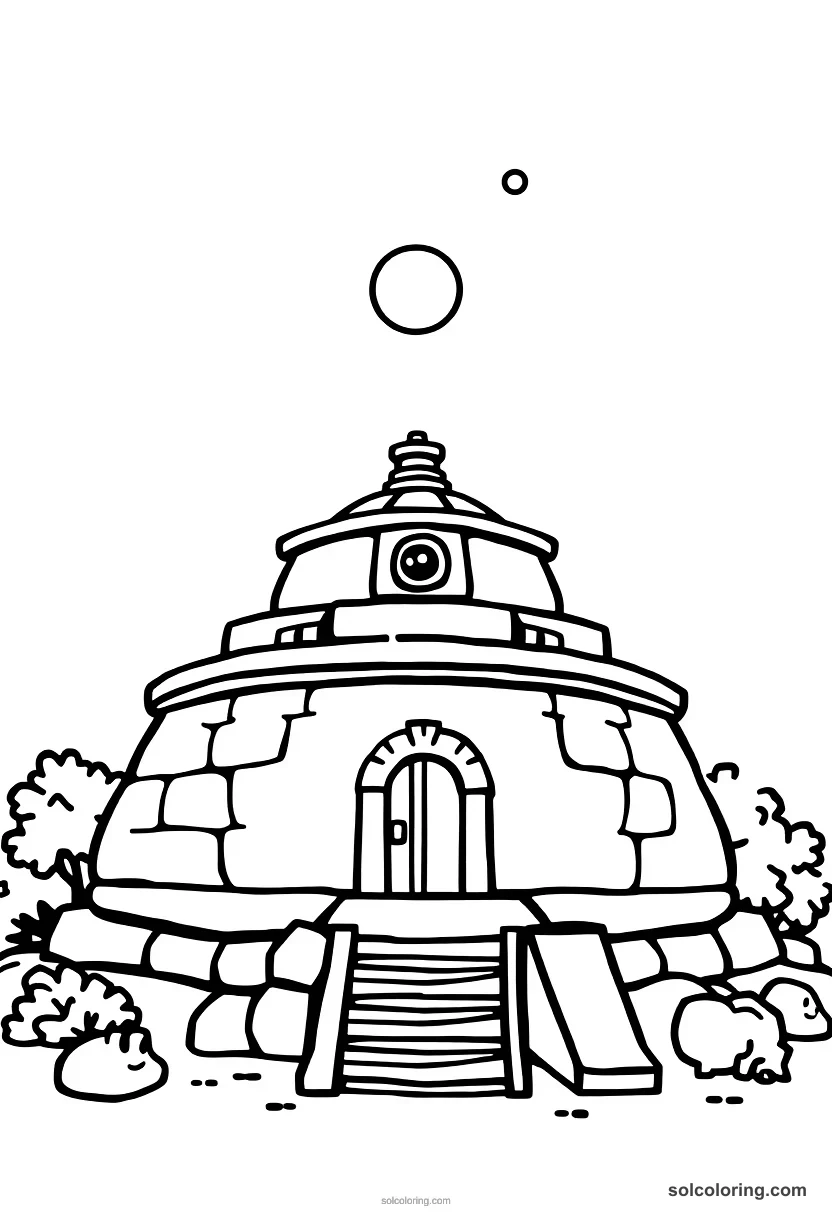
Step into the world of brilliant Mayan astronomers who built incredible observatories over 1,000 years ago! These ancient scientists created stone structures that perfectly tracked the movements of planets, stars, and the sun with amazing accuracy. From the famous El Caracol observatory at Chichen Itza to the Palace Observatory at Palenque, Mayan astronomers made discoveries that still impress scientists today. They predicted eclipses, tracked Venus cycles, and created incredibly precise calendars. Our free printable coloring page brings these fascinating astronomical centers to life, showing the detailed architecture and the dedicated scholars who spent their nights studying the heavens. Color your way through history and discover how the Maya became some of the world's greatest ancient astronomers!
Read more →Read less ↑

Choose a style

Did you know?
Fun facts about Ancient Mayan Astronomy Observatory
The El Caracol observatory at Chichen Itza has windows precisely aligned to track Venus at its extreme positions in the sky.
Mayan astronomers calculated the length of a year as 365.2420 days, incredibly close to the actual 365.2422 days.
The Maya could predict solar eclipses hundreds of years in advance using their mathematical calculations.
Venus was so important to Maya astronomy that they planned wars and royal ceremonies around its 584-day cycle.
At Xultun, Guatemala, archaeologists discovered the oldest known Mayan astronomical calendar painted on walls around 800 CE.
About Ancient Mayan Astronomy Observatory
Where were Mayan astronomy observatories located?
Major observatories were built at Chichen Itza, Palenque, Copan, and Xultun across Mexico, Guatemala, and Honduras. The most famous is El Caracol at Chichen Itza, designed like a spiral tower to track celestial movements with incredible precision.
How old are these Mayan observatories?
Most were built between 600-900 CE during the Classical Maya period, over 1,000 years ago. Some sites show astronomical alignments dating back even further, with the Maya using astronomical knowledge for centuries before building these permanent structures.
What did Mayan astronomers study in these observatories?
They tracked Venus cycles, predicted solar and lunar eclipses, monitored Mars movements, and mapped star constellations. Venus was especially important, with Maya astronomers calculating its 584-day cycle with remarkable accuracy that matches modern measurements.
How accurate were Mayan astronomical calculations?
Incredibly precise! Their Venus cycle calculations were accurate to within 2 hours over 500 years. Their solar year measurement of 365.2420 days is more accurate than the Julian calendar used in Europe at the same time period.
What tools did Mayan astronomers use?
They used carefully positioned stone markers, windows, and doorways aligned with celestial events. Cross-stick instruments helped measure angles, while shadow-casting techniques tracked sun movements. No telescopes existed, making their precision even more remarkable.
Why was astronomy so important to the Maya?
Astronomy guided their agricultural calendar, religious ceremonies, and political decisions. Rulers scheduled important events based on celestial cycles, believing planetary movements influenced earthly affairs. Their complex calendar system integrated astronomical observations with daily life.
More Historical Eras Scenes coloring pages
Coloring page FAQs
Are these Ancient Mayan Astronomy Observatory coloring pages free?
Yes! All our Mayan observatory coloring pages are completely free to download and print. No payment, subscription, or account creation required.
What age are these Ancient Mayan Astronomy Observatory coloring pages for?
These pages are designed for ages 8-14, featuring detailed Mayan architecture and astronomical instruments that provide engaging complexity for older kids and teens.
How do I print these Ancient Mayan Astronomy Observatory coloring pages?
Simply download the PDF and print on standard A4 or Letter paper using any home printer. No special setup or account registration needed.