
Historical Eras Scenes
Ancient Roman Aqueduct Construction Coloring Pages
6 free printable designs including Realistic, Detailed, Simple, Mandala and more.
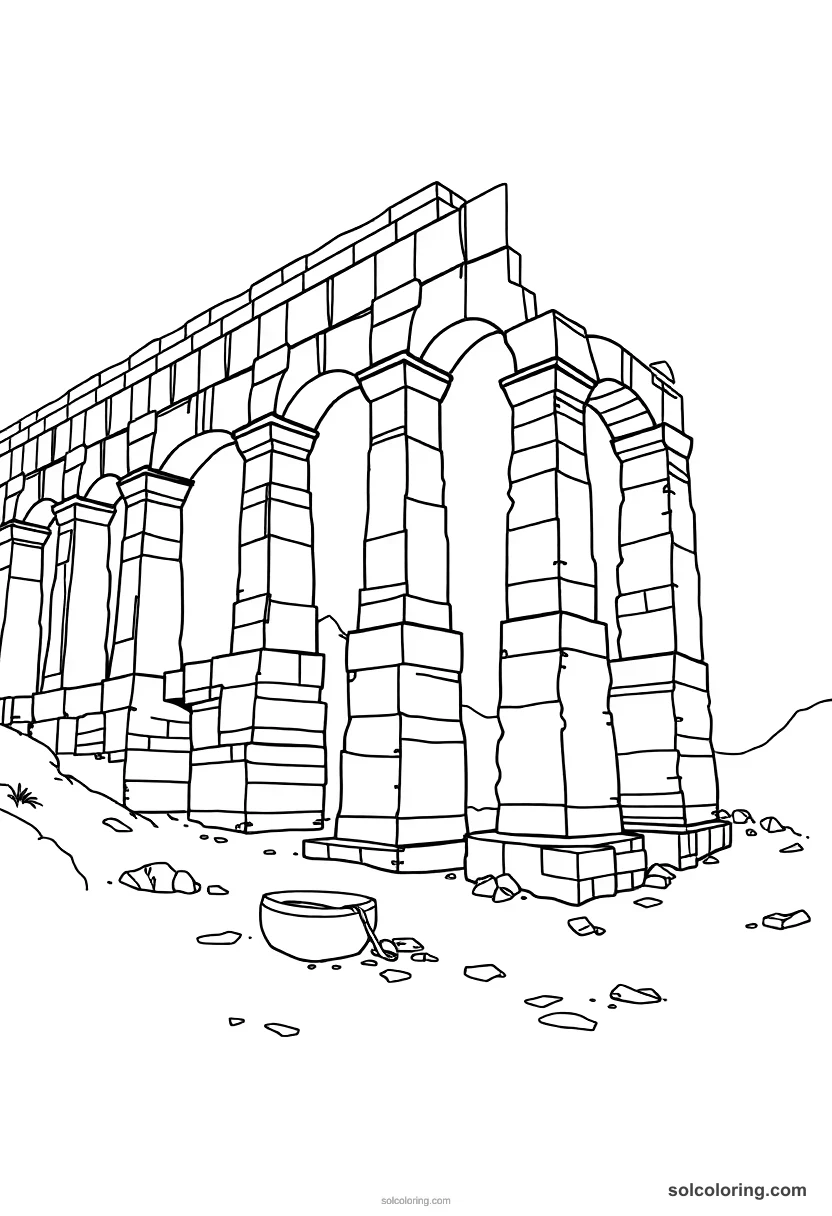
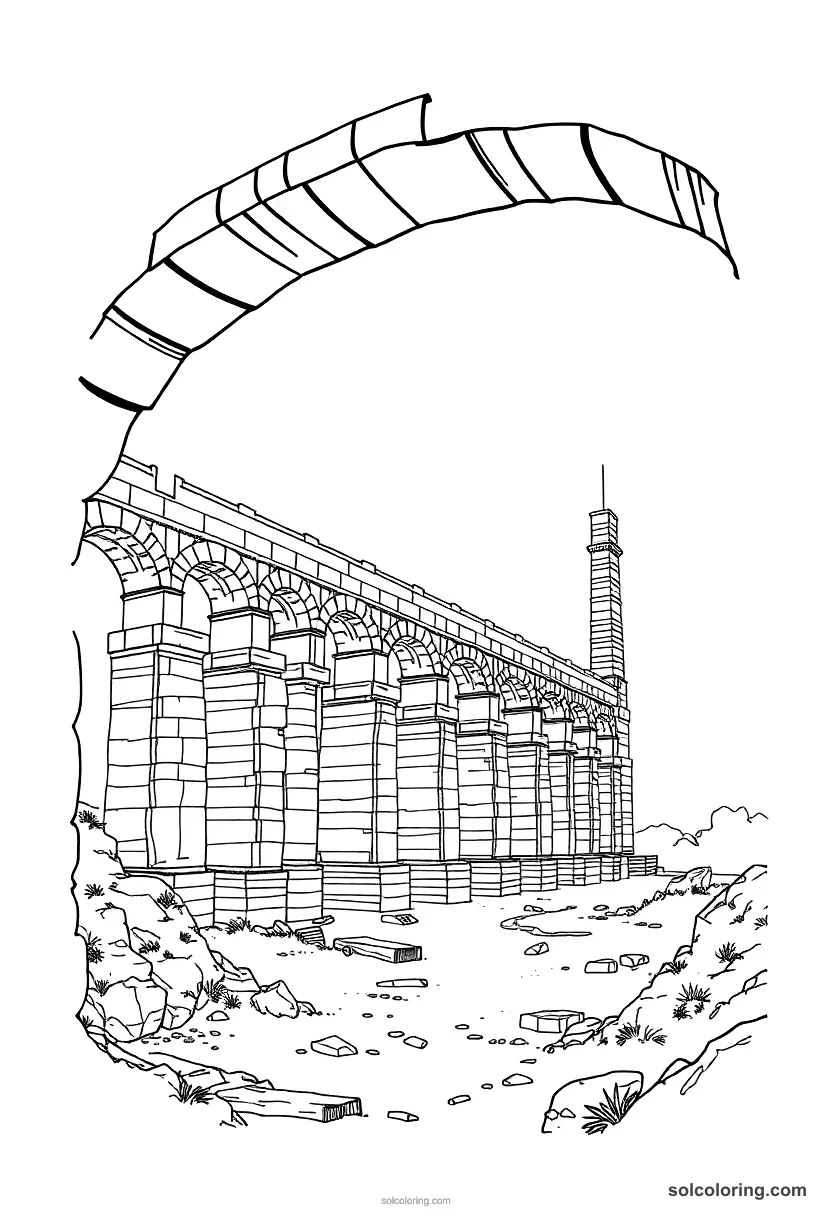
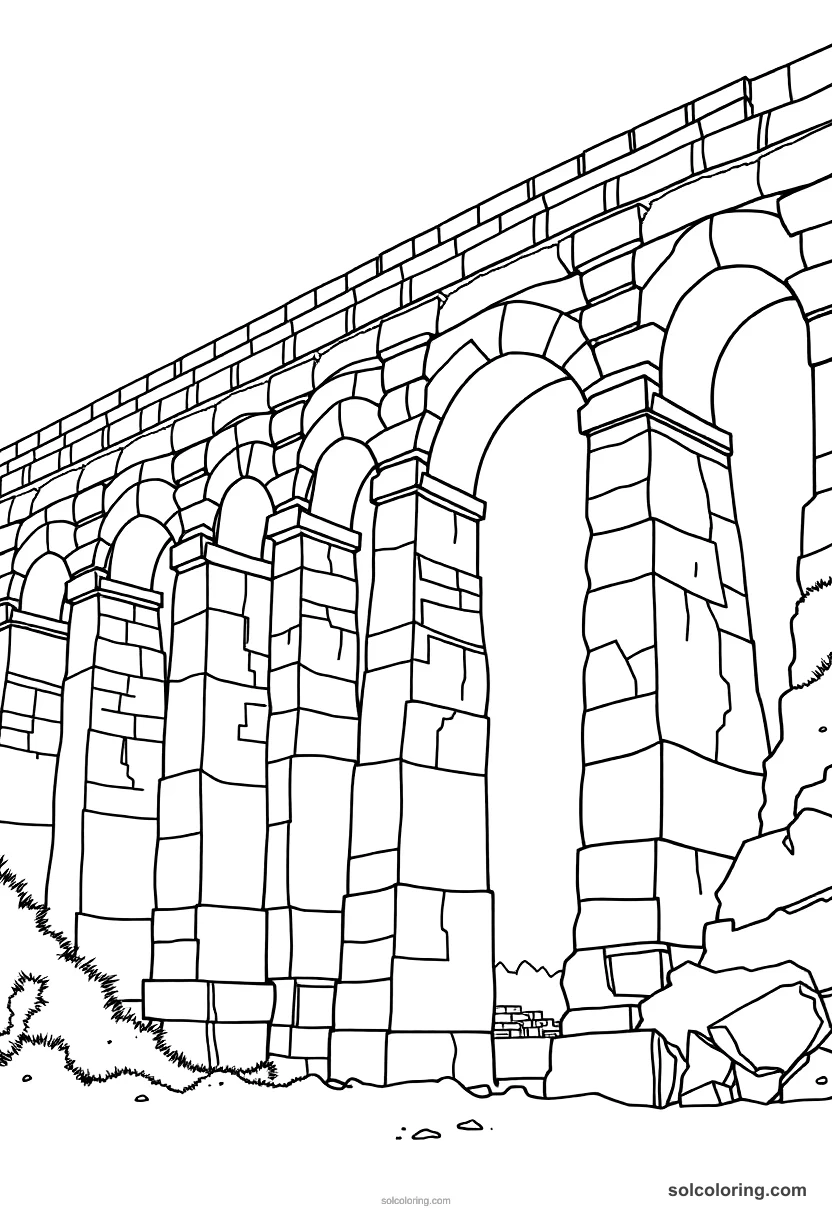
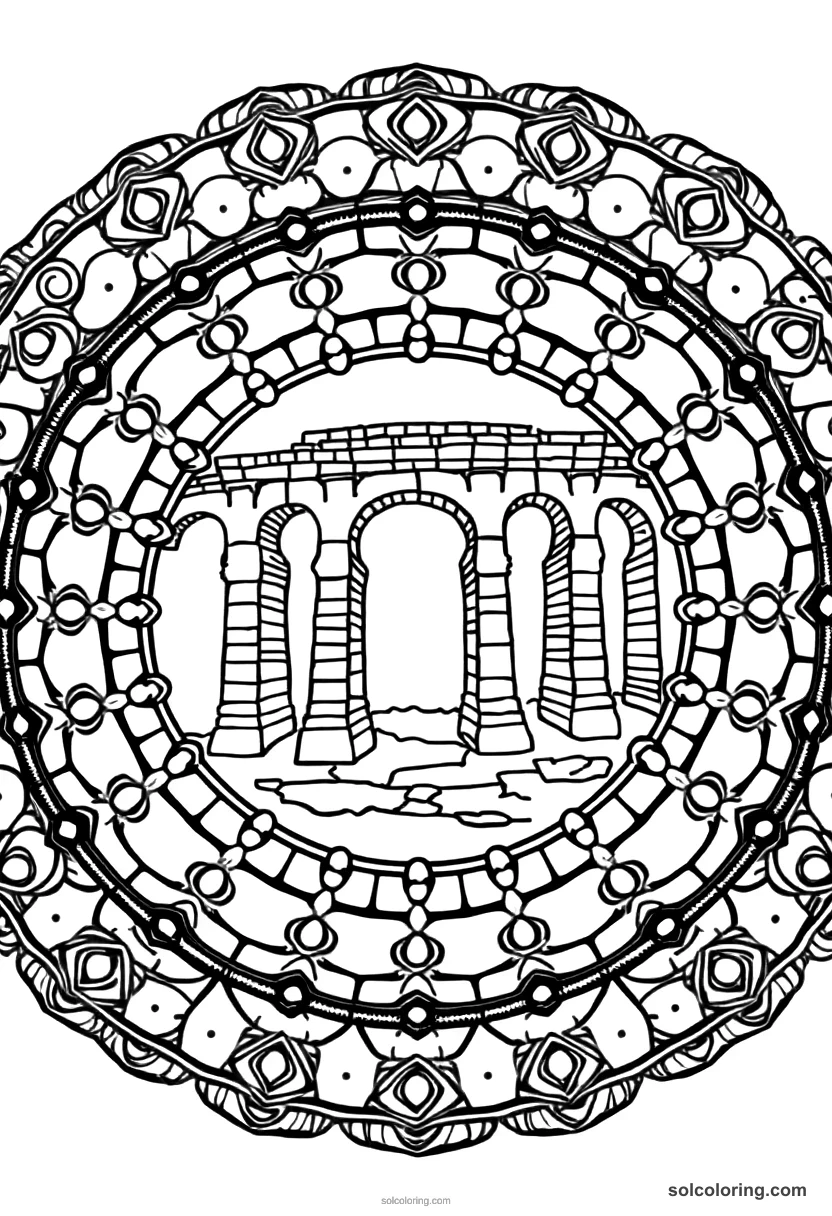
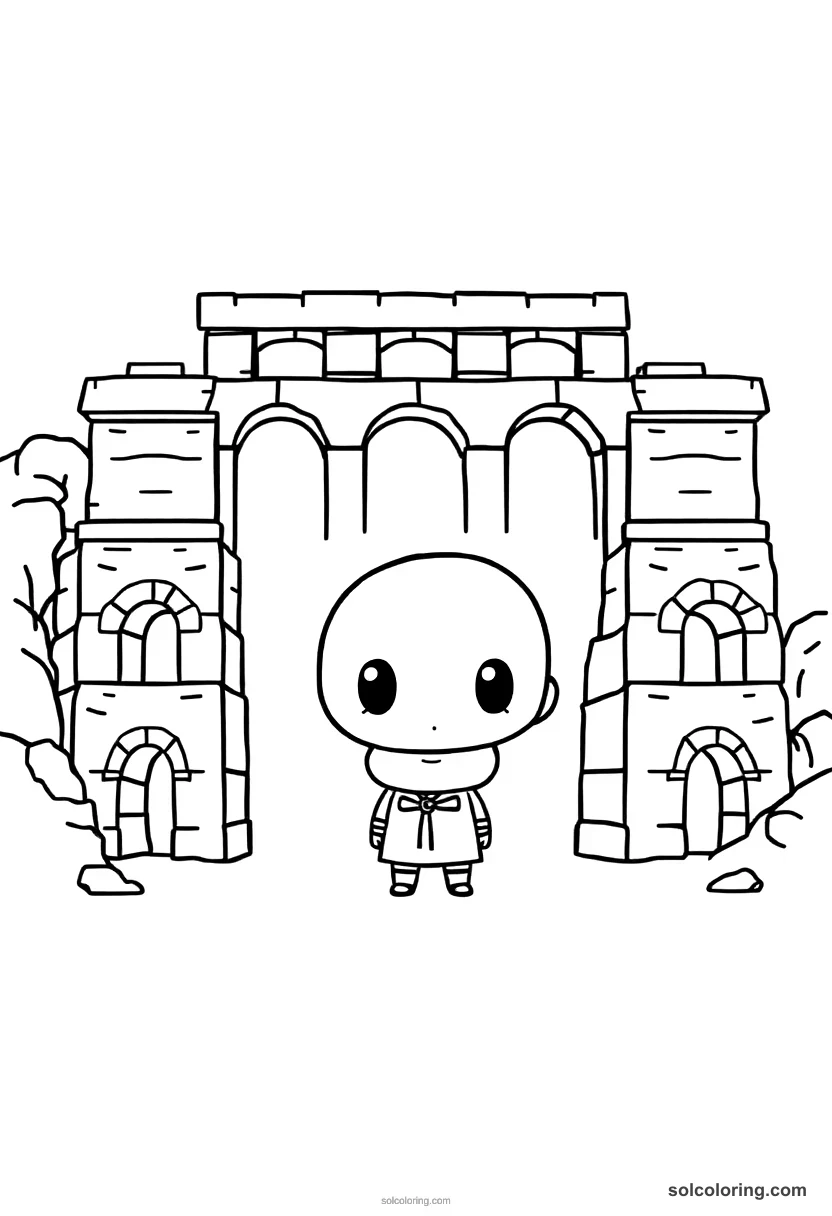
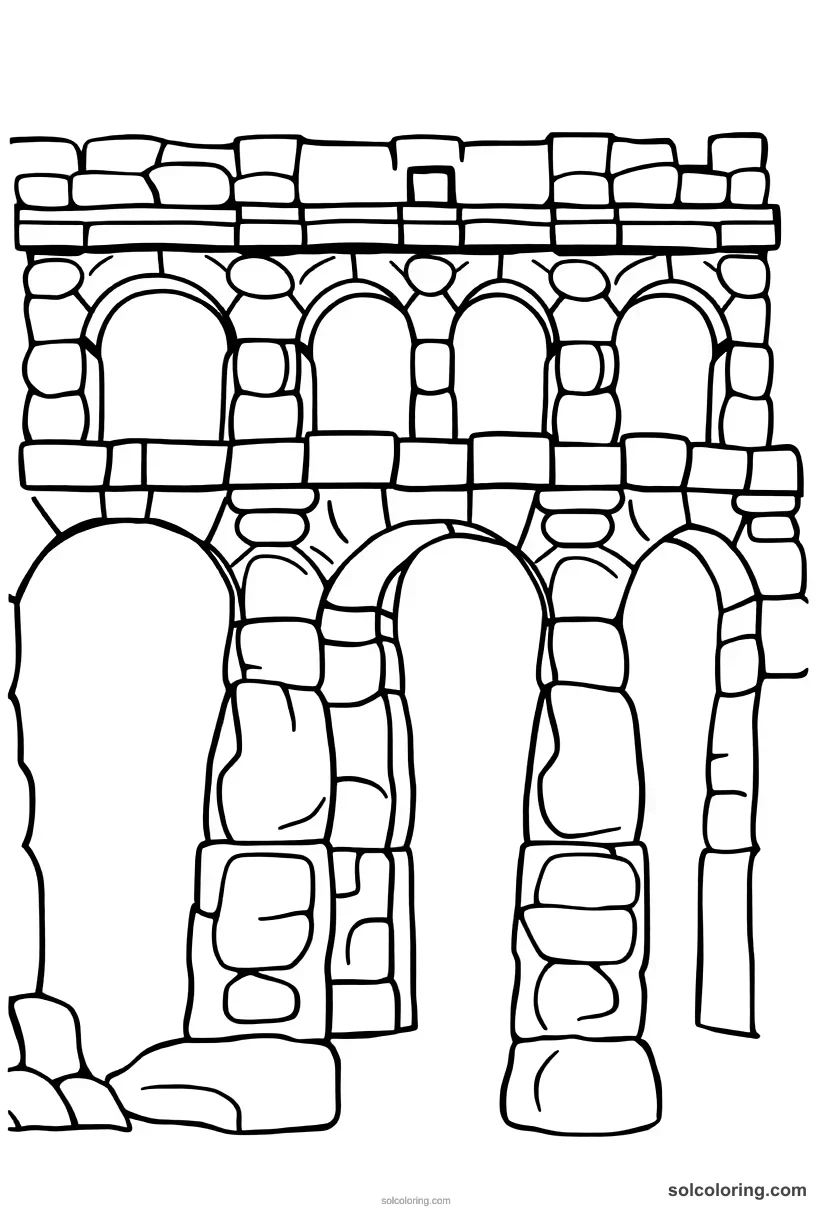
Step into ancient Rome and witness one of history's greatest engineering marvels! Roman aqueducts were massive water transport systems that brought fresh water from mountains and springs directly into bustling cities across the empire. These incredible stone and concrete structures stretched for hundreds of miles, featuring tall arches, underground tunnels, and precise calculations that still amaze engineers today. Roman workers used simple tools like hammers, chisels, and pulleys to build these lasting monuments to human ingenuity. Our free printable coloring page captures the excitement of this ancient construction site, complete with workers, massive stone blocks, and towering arches. Color your way through this fascinating slice of Roman history and discover how these amazing water highways helped build one of the world's greatest civilizations!
Read more →Read less ↑
Choose a style
Did you know?
Fun facts about Ancient Roman Aqueduct Construction
The Pont du Gard aqueduct in France contains stones so precisely cut that they fit together without any mortar or cement.
Rome had 11 major aqueducts supplying over 300 gallons of fresh water per person daily, more than many modern cities provide.
Roman workers carved some aqueduct tunnels through solid rock mountains using only hand tools, creating passages over 5 miles long.
The Aqua Appia, Rome's first aqueduct built in 312 BC, operated continuously for over 1,000 years.
Some Roman aqueduct bridges stand 160 feet tall and are still carrying water or traffic after 2,000 years.
About Ancient Roman Aqueduct Construction
How long did it take Romans to build an aqueduct?
Major aqueducts took 10 to 40 years to complete! The 57-mile Aqua Claudia took 14 years to build, requiring thousands of workers including engineers, stonemasons, and laborers working year-round through all weather conditions.
What tools did Roman workers use to build aqueducts?
Romans used hammers, chisels, pickaxes, wooden cranes, pulleys, and bronze measuring instruments called chorobates to ensure perfect water flow angles. They had no power tools, making their precision even more remarkable.
How did Romans move the massive stone blocks?
Workers used wooden rollers, ramps, pulleys, and teams of oxen to transport stones weighing several tons. They built temporary wooden scaffolding and cranes to lift blocks into position on tall arches.
Did Roman aqueducts only have arches above ground?
No! About 90% of most aqueducts ran underground through tunnels and covered channels. The famous arched bridges we see today were only needed when crossing valleys or rivers.
How did Romans ensure water flowed properly downhill?
Roman engineers used a tool called a chorobate to maintain a precise downward slope of just 1 to 3 feet per mile. This gentle gradient kept water flowing without erosion or stagnation.
What happened to workers who made mistakes during construction?
Roman construction had strict quality control. Workers could face fines or punishment for poor work, but skilled craftsmen were highly valued and well-paid. Master builders became wealthy and respected citizens.
More Historical Eras Scenes coloring pages
Coloring page FAQs
Are these Ancient Roman Aqueduct Construction coloring pages free?
Yes! All our Ancient Roman Aqueduct Construction coloring pages are completely free to download and print. No payment, subscription, or hidden fees required.
What age are these Ancient Roman Aqueduct Construction coloring pages for?
These coloring pages are designed for ages 8 to 14, featuring detailed historical scenes that engage older kids while remaining accessible for younger colorists.
How do I print these Ancient Roman Aqueduct Construction coloring pages?
Simply download the PDF and print on standard A4 or Letter size paper using any home printer. No account signup or registration needed.