
Historical Eras Scenes
Ancient Roman Public Bath Coloring Pages
6 free printable designs including Realistic, Detailed, Simple, Mandala and more.
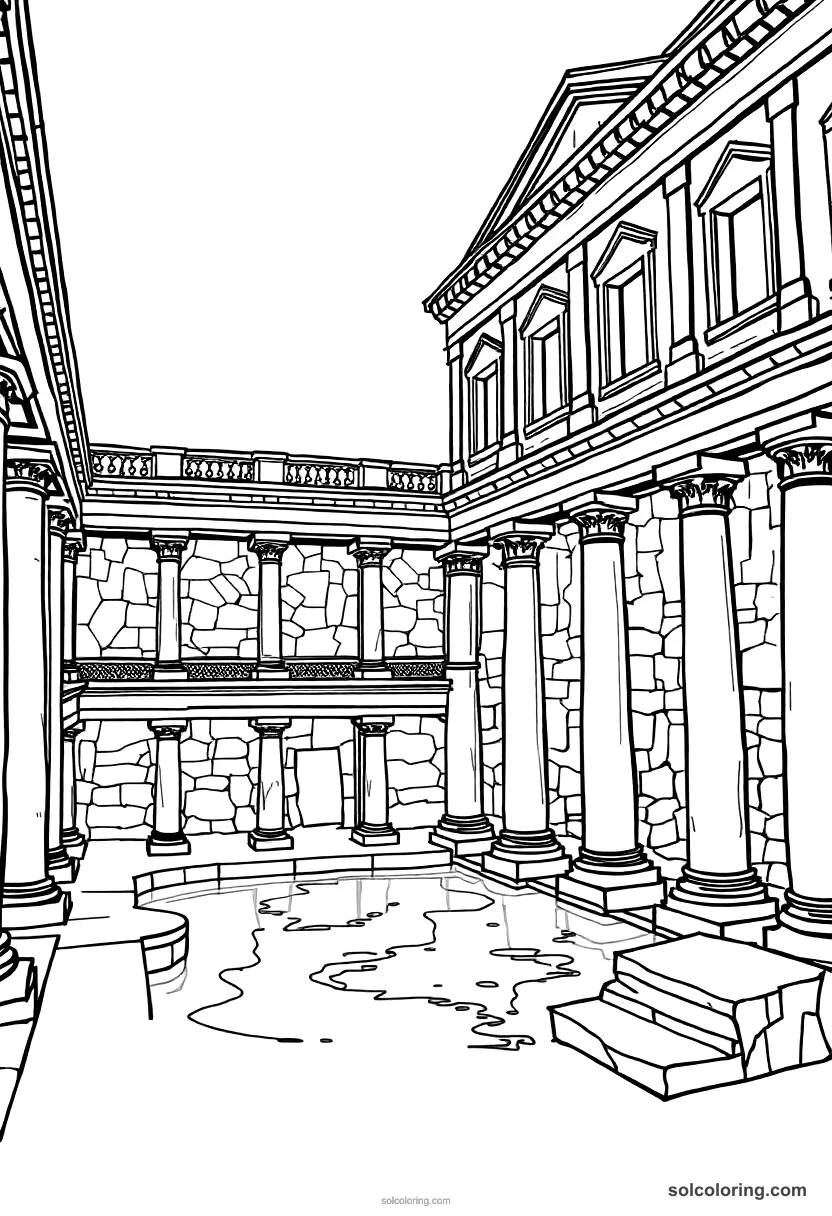
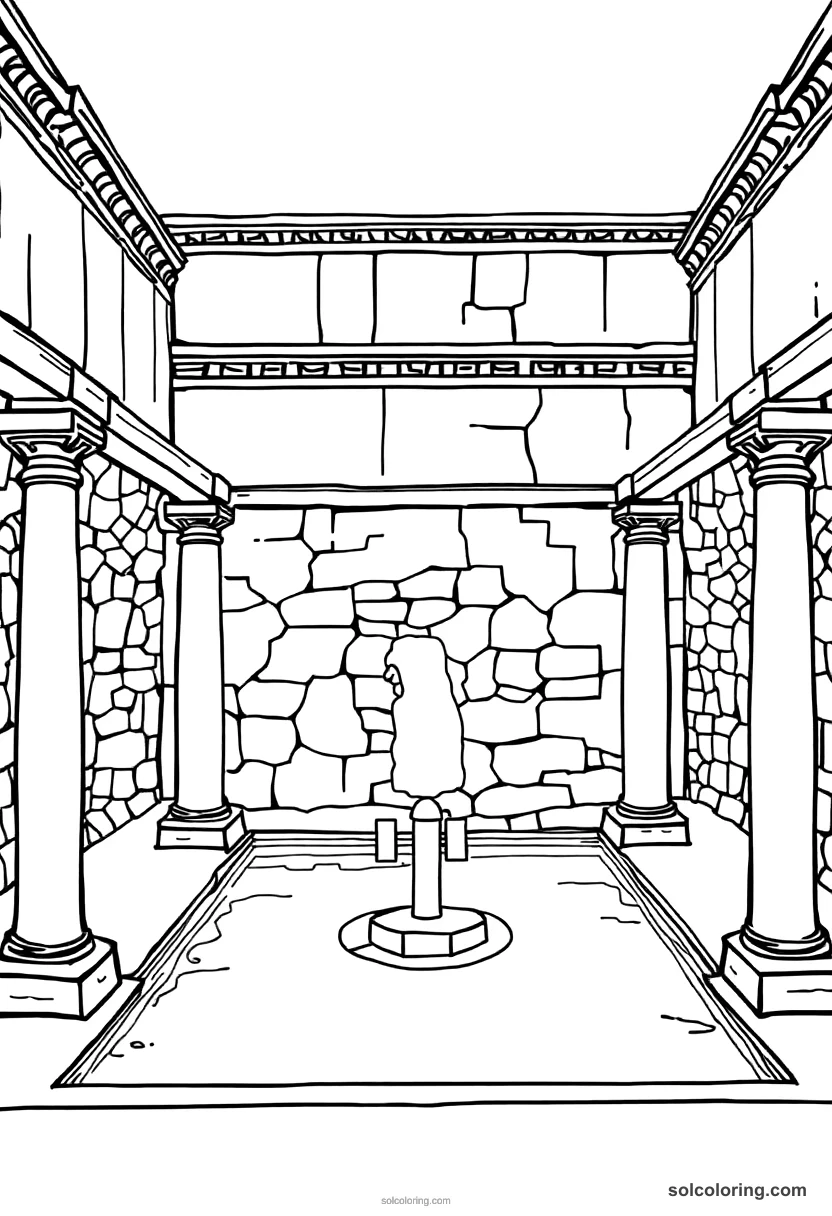
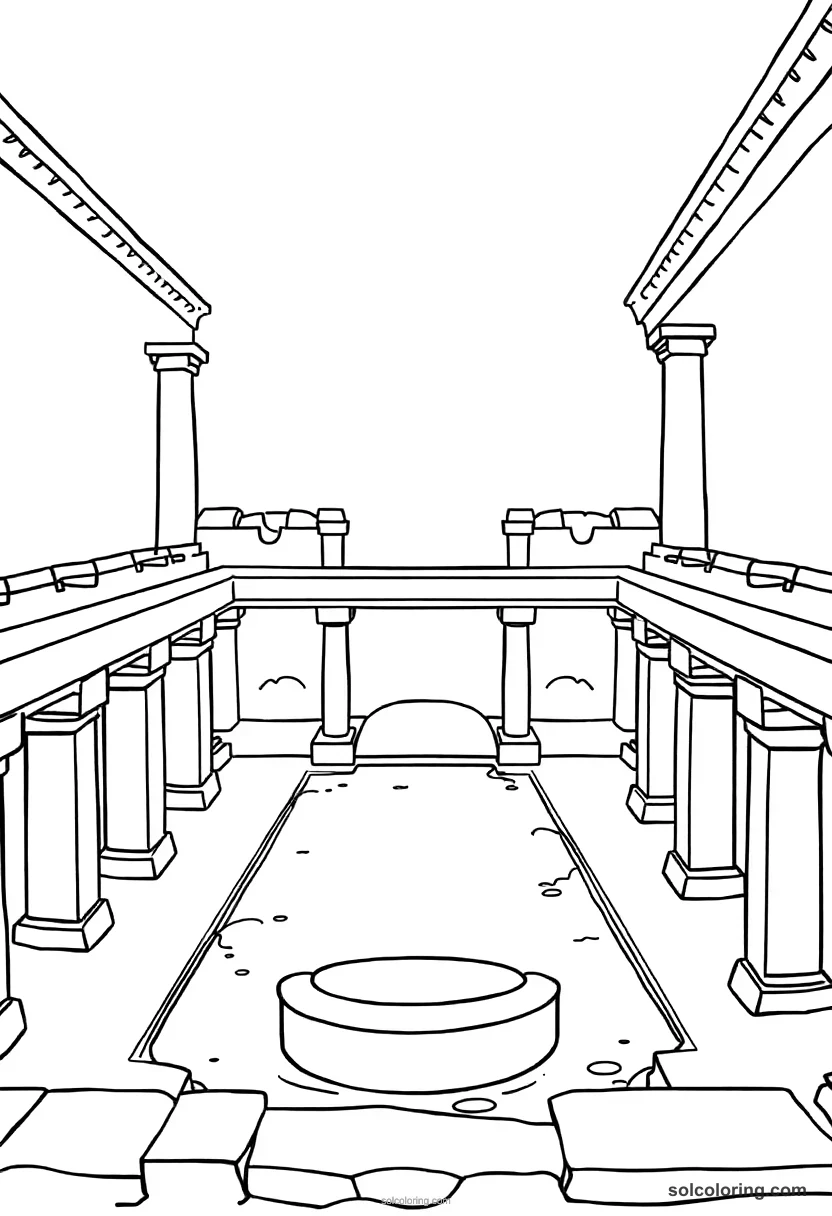
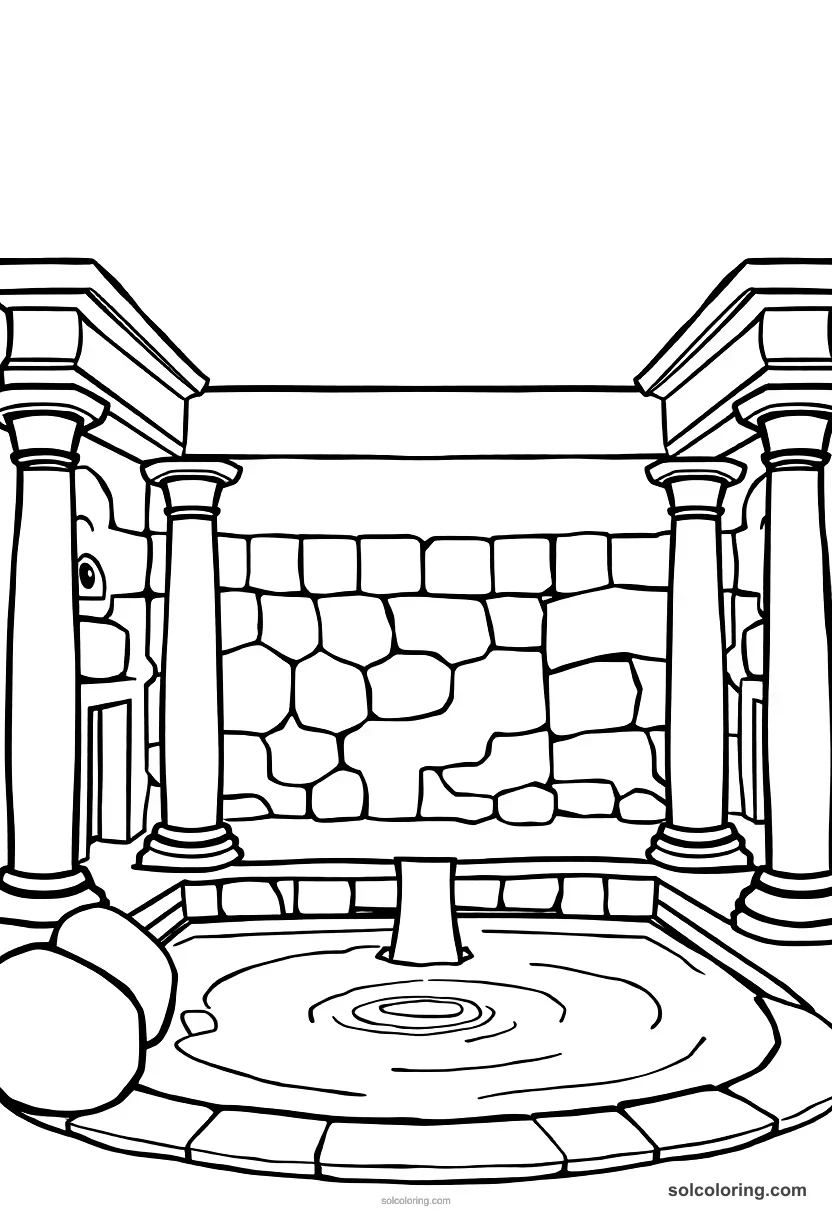
Step into the fascinating world of ancient Rome with these detailed coloring pages featuring magnificent public baths called thermae. These incredible structures were the heart of Roman social life, where citizens gathered not just to bathe, but to exercise, conduct business, and socialize with friends. Roman baths were architectural marvels with hot, warm, and cold pools, steam rooms, libraries, and even shops. The largest bath complex, the Baths of Caracalla, could hold over 1,600 people at once! Our free printable coloring page captures the grandeur of these ancient wellness centers, complete with marble columns, decorative mosaics, and Roman citizens enjoying their daily routines. Color the intricate architectural details and bring this slice of ancient history to life!
Read more →Read less ↑
Choose a style

Did you know?
Fun facts about Ancient Roman Public Bath
The Baths of Caracalla had a swimming pool that was 50 meters long and could hold 1,600 gallons of water.
Roman baths used so much wood for heating that they contributed to deforestation around major cities.
The Baths of Diocletian were so massive that a church and museum now sit inside the original structure.
Romans had a specific bathing order: exercise first, then hot bath, warm bath, cold plunge, and finally massage with oils.
Some Roman baths had libraries with Greek and Latin scrolls, making them ancient community centers with reading rooms.
About Ancient Roman Public Bath
Where were Roman public baths located?
Roman baths were built throughout the empire, from Britain to Egypt. The most famous were in Rome itself, including the massive Baths of Caracalla and Diocletian, which served thousands of citizens daily in luxurious marble-lined halls.
How old are the remains of Roman baths?
Most surviving Roman bath complexes are between 1,500 to 2,000 years old. The oldest date back to the 1st century BCE, while the grandest were built during the imperial period from 100-300 CE.
What was the cultural significance of Roman baths?
Baths were central to Roman social life, serving as community centers where people of different classes mingled. They represented Roman values of cleanliness, leisure, and civic pride, functioning like modern gyms and social clubs combined.
What architectural features made Roman baths special?
Roman baths featured revolutionary engineering including hypocaust heating systems with hot air flowing under floors, massive concrete dome roofs, intricate mosaic floors, and marble decorations. They included multiple pools, exercise areas, and libraries.
What happened at Roman public baths?
Romans didn't just bathe, they exercised, received massages, conducted business meetings, socialized with friends, read in libraries, and even attended lectures. A typical visit lasted several hours and followed a specific routine through different temperature pools.
How did Roman bath heating systems work?
Romans invented the hypocaust system, where slaves tended furnaces that heated air flowing through hollow spaces under floors and inside walls. This central heating kept different rooms at various temperatures for the bathing sequence.
More Historical Eras Scenes coloring pages
Coloring page FAQs
Are these Ancient Roman Public Bath coloring pages free?
Yes! All our Roman bath coloring pages are completely free to download and print. No subscription or payment required, just instant access to historical coloring fun.
What age are these Ancient Roman Public Bath coloring pages for?
These pages are designed for ages 8-14, featuring detailed architectural elements that challenge older kids while remaining accessible for younger colorists interested in ancient history.
How do I print these Ancient Roman Public Bath coloring pages?
Simply click download and print on standard A4 or Letter paper using any home printer. No account signup needed, just click and print immediately.