Historical Eras Scenes
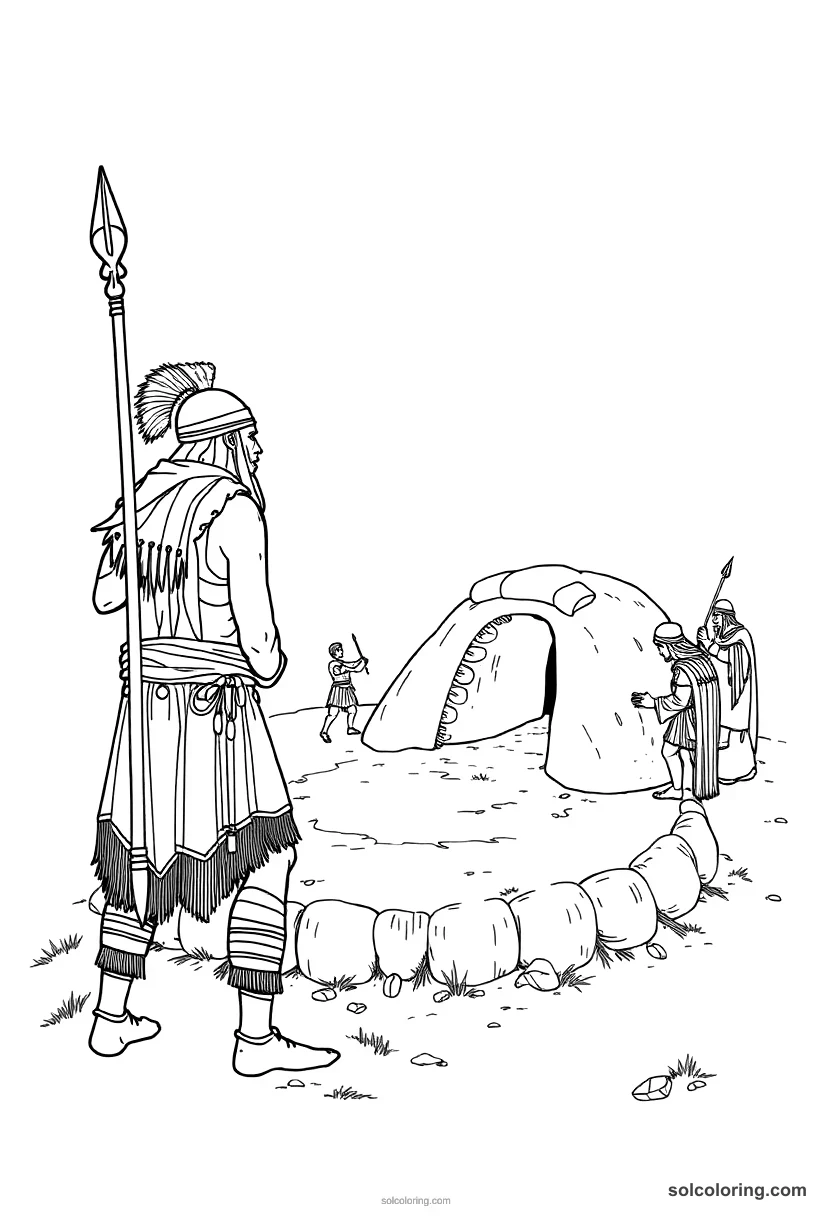
Ancient Scythian Warrior Burial Mound Ritual Coloring Page
Detailed style
About this coloring page
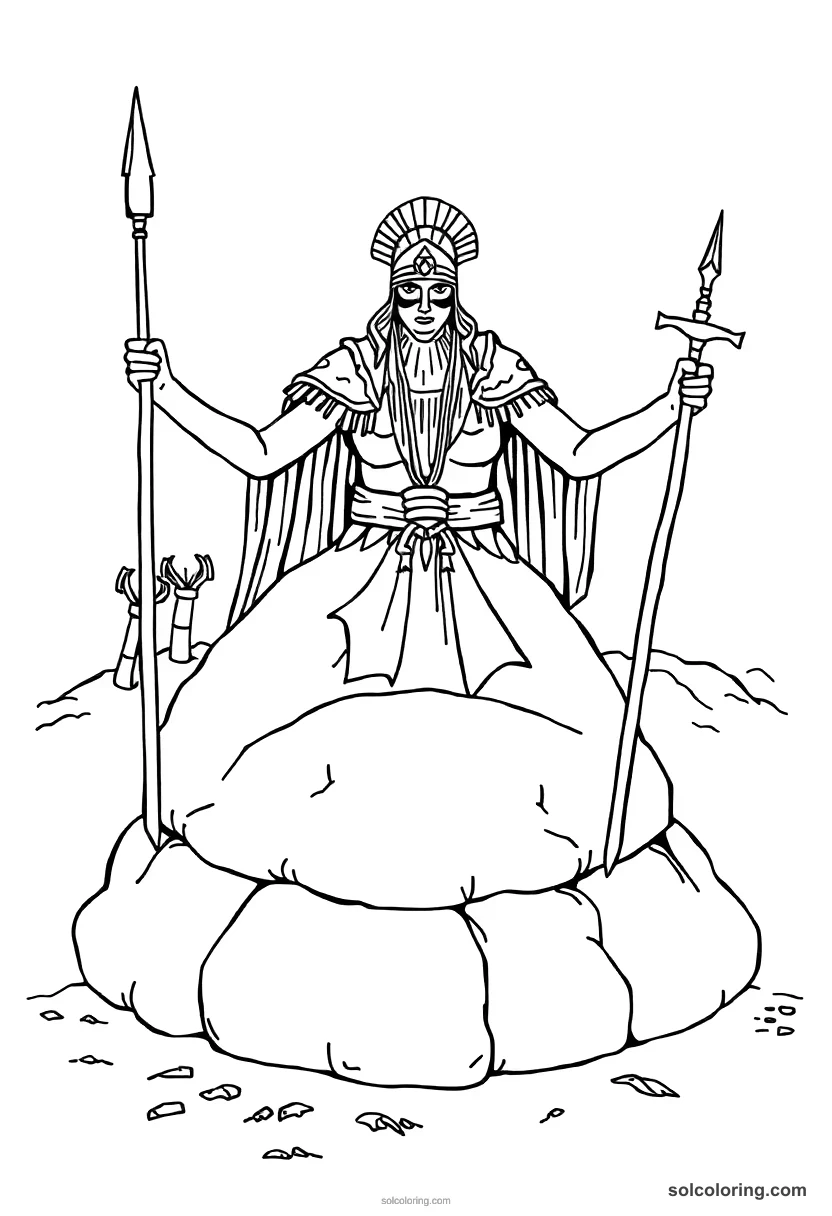
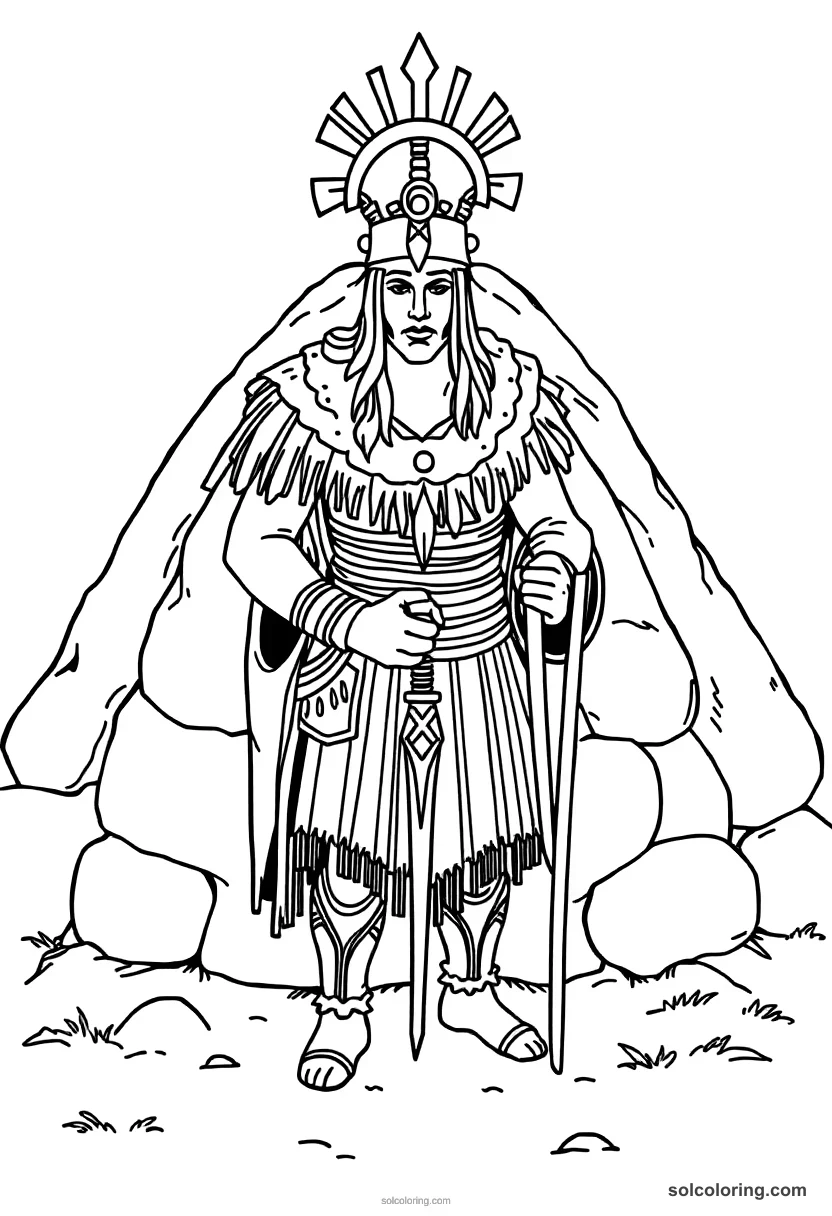
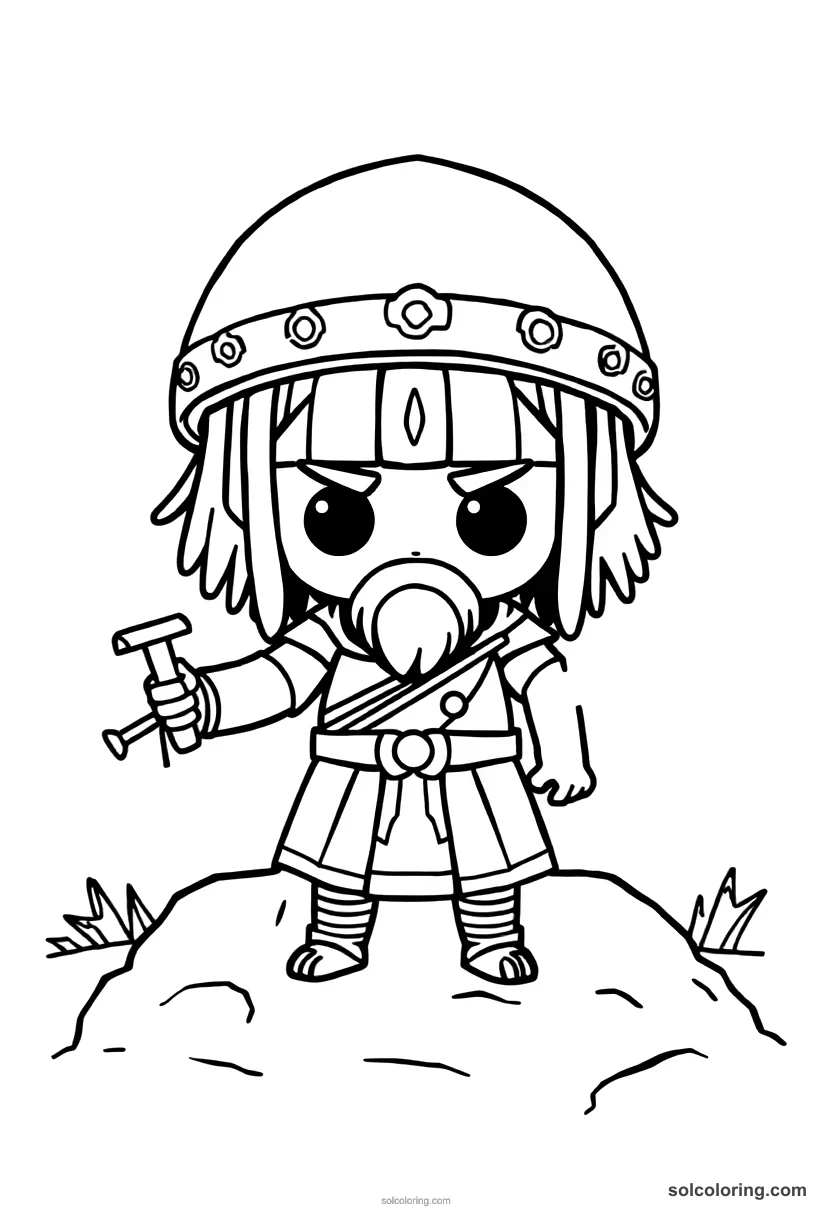
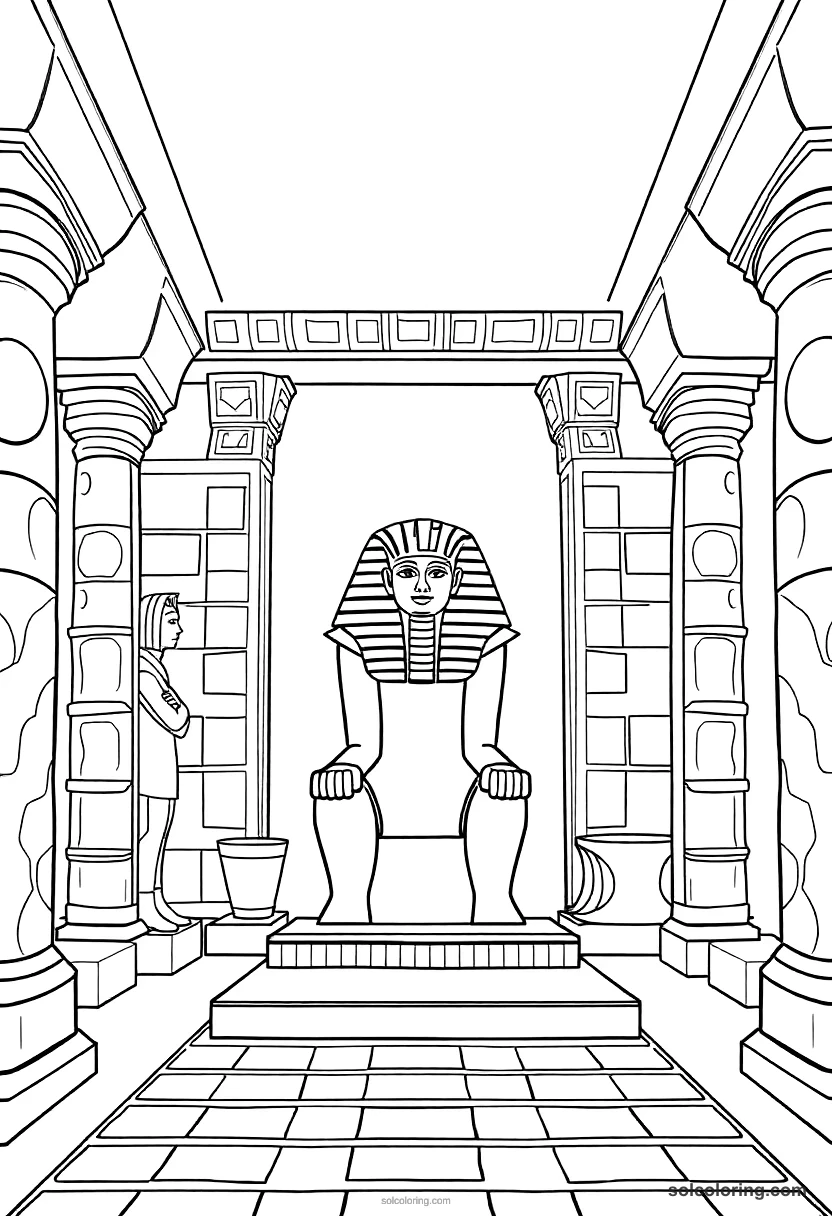
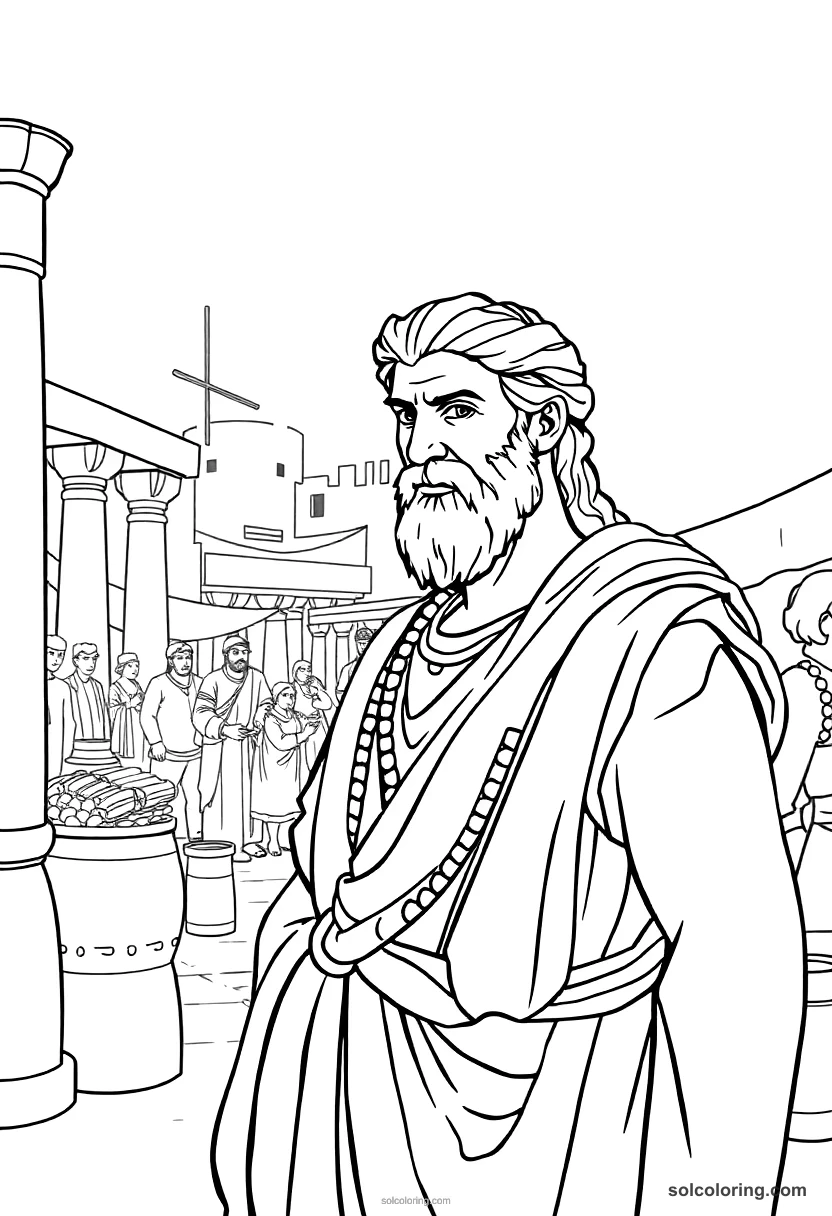
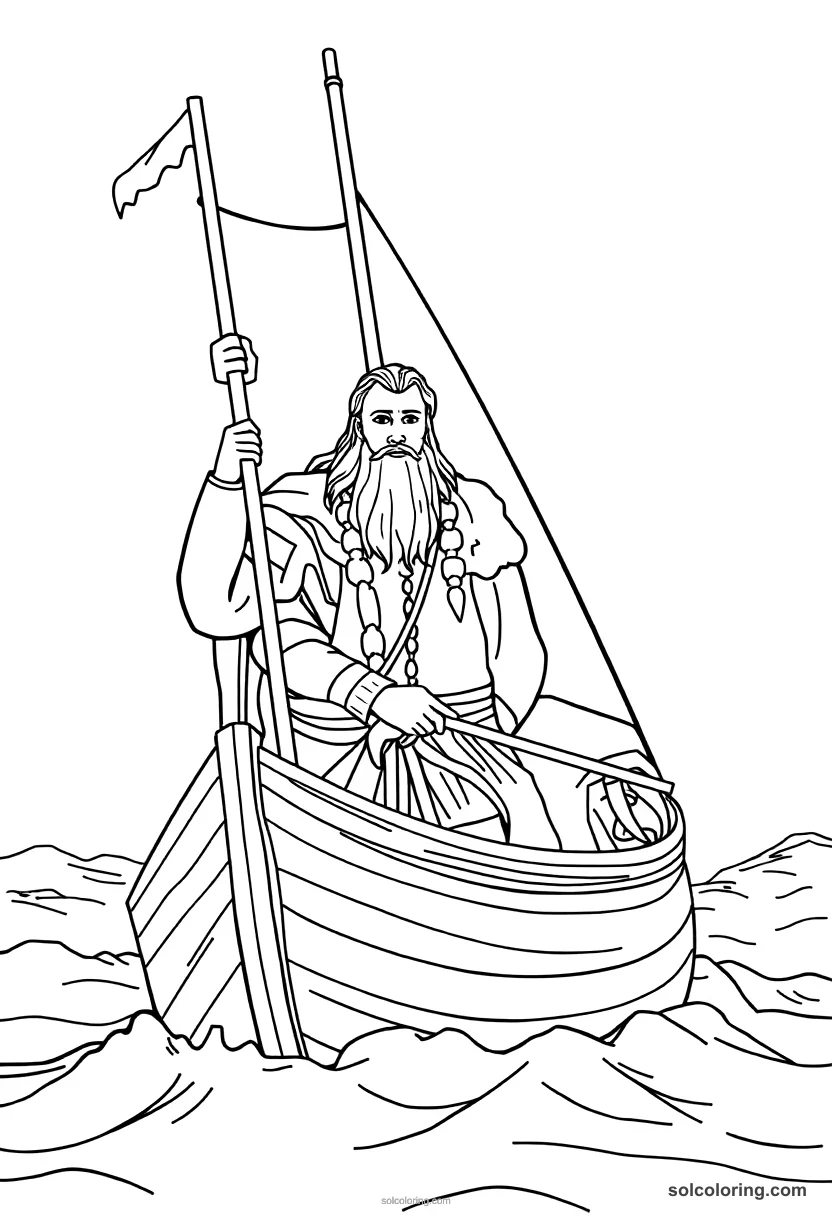
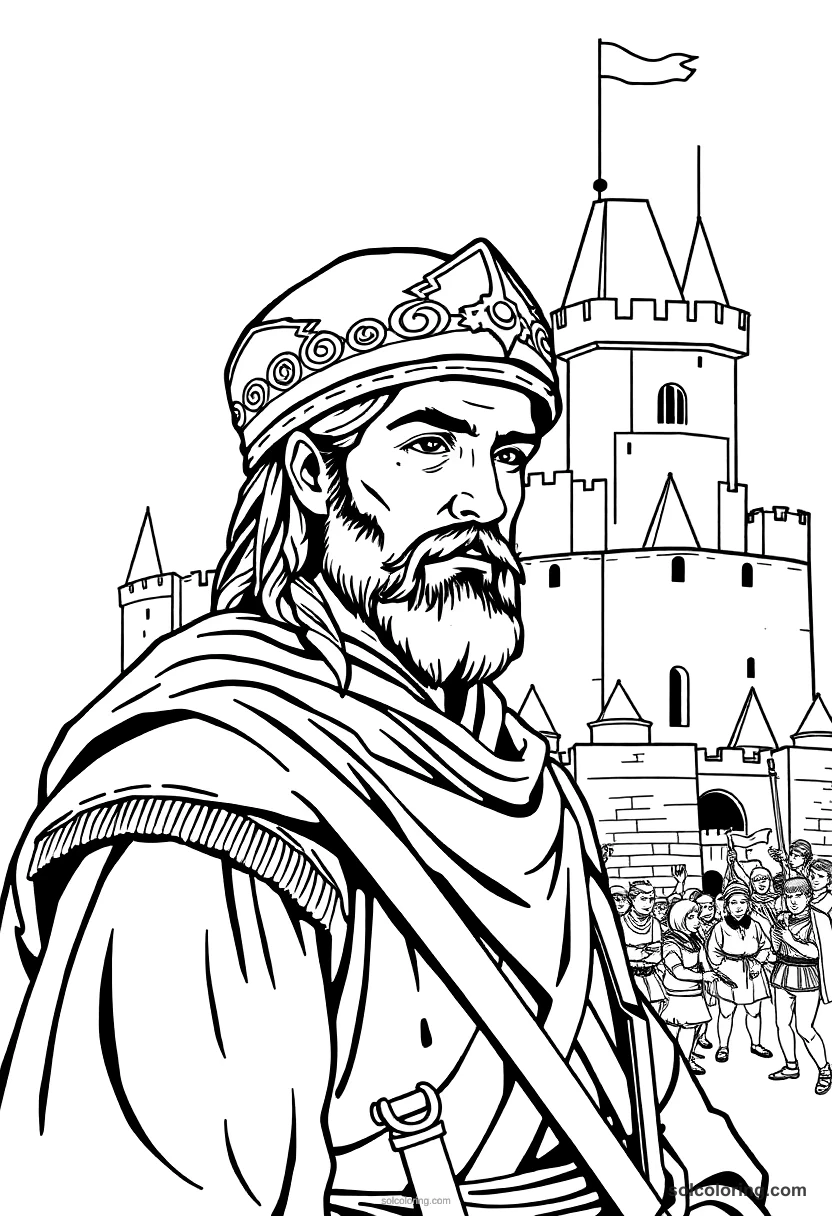
This captivating Ancient Scythian Warrior Burial Mound Ritual coloring page features intricate details of this fascinating historical ceremony, complete with warriors, ceremonial objects, and elaborate burial preparations. The free printable design includes bold, clear outlines perfect for intermediate to advanced colorists who love exploring ancient cultures through art.
Frequently asked
Where did the Scythians live and when did they exist?
The Scythians lived from about 700 to 300 BCE across the vast Eurasian steppes, from modern-day Ukraine to Mongolia. They were nomadic horsemen who controlled important trade routes and were known throughout the ancient world for their fierce warrior culture and incredible horsemanship skills.
What were Scythian burial mounds called and how big were they?
Scythian burial mounds were called kurgans, and some were absolutely massive. The largest kurgans could reach heights of 65 feet and diameters of over 300 feet, requiring thousands of workers and months to complete. These impressive monuments marked the graves of the most important warriors and rulers.
What items were buried with Scythian warriors?
Scythian warriors were buried with their horses, weapons, golden jewelry, and everyday items they would need in the afterlife. Archaeologists have found elaborate golden animal-shaped ornaments, bronze cauldrons, silk textiles, and even entire chariots preserved in the frozen tombs of Siberia.
Are these Ancient Scythian Warrior Burial Mound Ritual coloring pages free?
Yes! All our Ancient Scythian Warrior Burial Mound Ritual coloring pages are completely free to download and print. No payment or subscription required, just instant access to historical coloring fun.
What age are these Ancient Scythian Warrior Burial Mound Ritual coloring pages for?
These coloring pages are designed for ages 8-14, featuring detailed historical scenes with varying complexity levels. Younger kids can enjoy simpler elements while older children can tackle intricate details.