
Historical Eras Scenes
Aztec Floating Garden Chinampas Coloring Pages
6 free printable designs including Realistic, Detailed, Simple, Mandala and more.
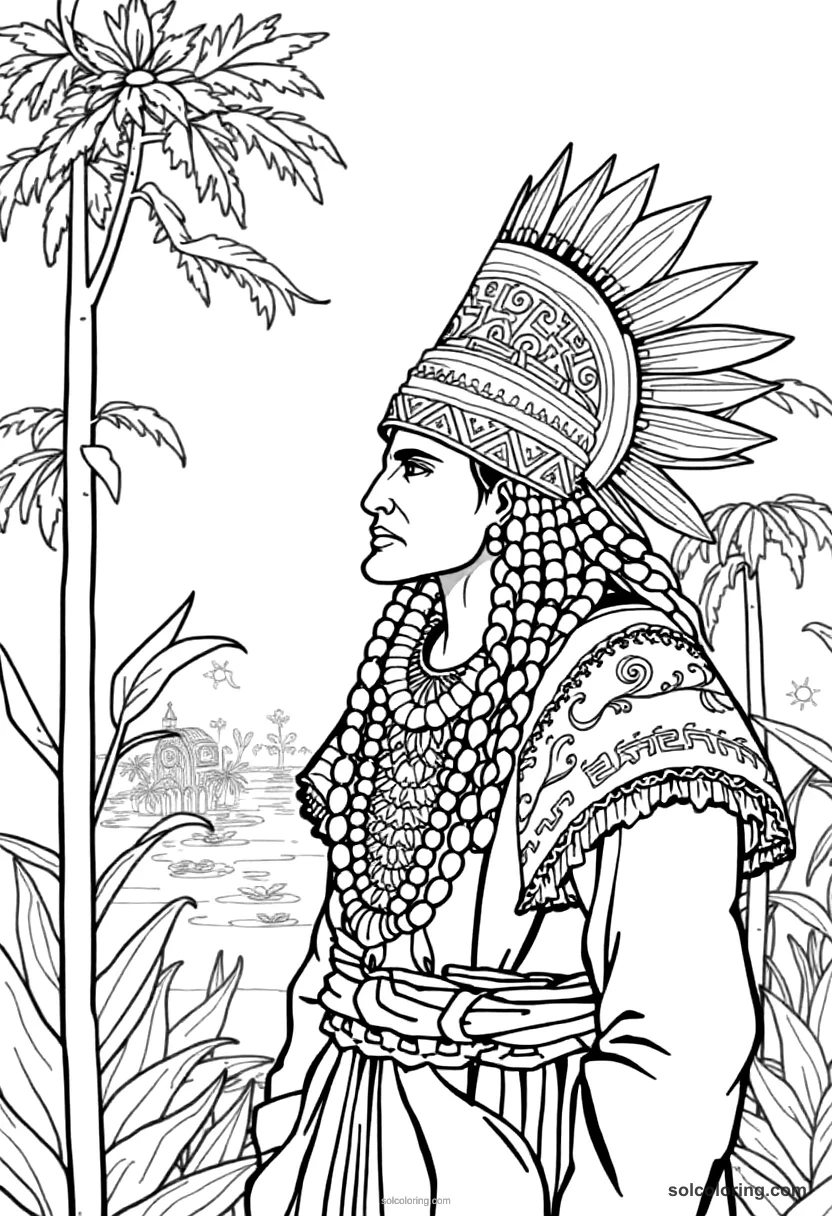
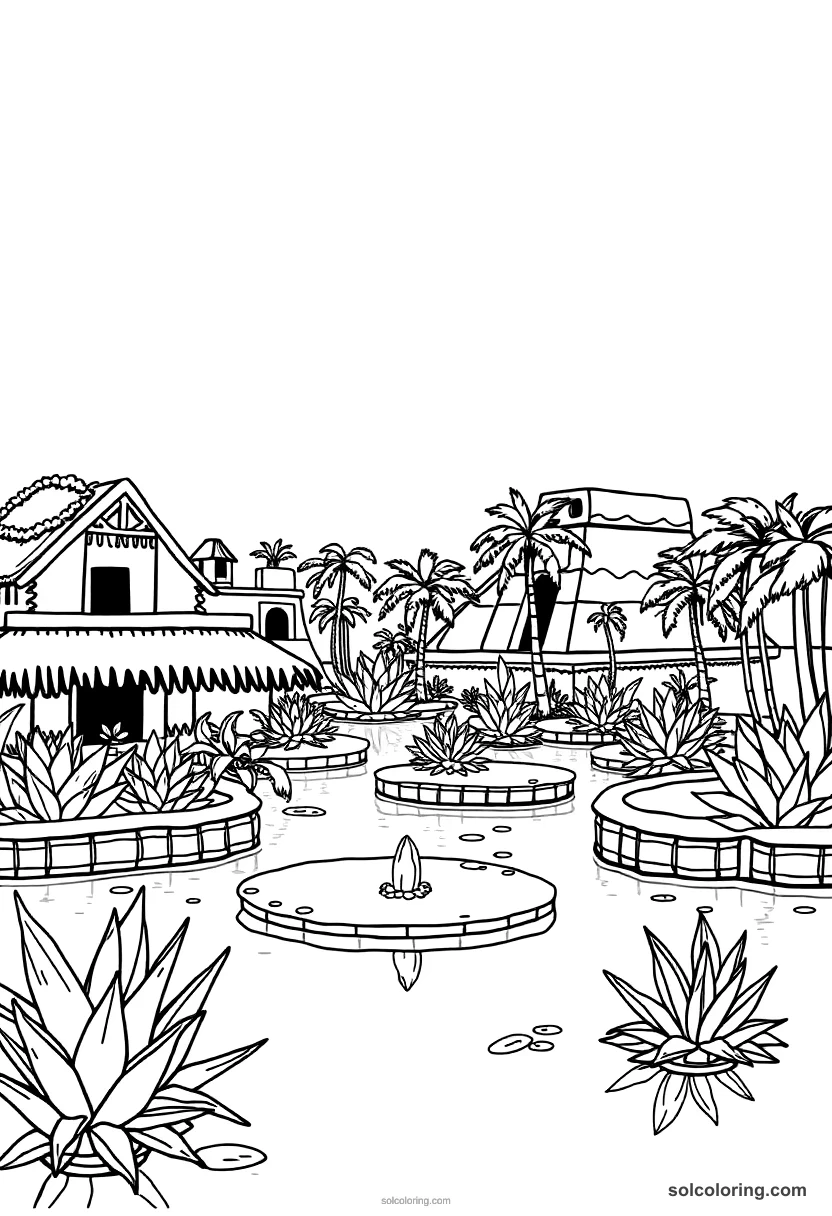
Step into the incredible world of Aztec innovation with these floating garden chinampas! These amazing artificial islands were built by the Aztecs in shallow lake waters around their capital city of Tenochtitlan. Chinampas were incredibly productive agricultural systems that could grow crops year-round, feeding millions of people in one of the world's largest cities. These floating gardens were so efficient that they're still used today in Mexico! Our free printable coloring page brings this fascinating piece of history to life, showing the intricate network of canals, raised garden beds, and the farmers who tended them. Color your way through this remarkable example of ancient engineering and discover how the Aztecs turned swampland into a agricultural paradise.
Read more →Read less ↑

Choose a style

Did you know?
Fun facts about Aztec Floating Garden Chinampas
Chinampas were so productive that a single rectangular plot could feed an entire Aztec family year-round.
The Aztecs used human waste as fertilizer for their chinampas, creating an early form of sustainable agriculture.
Chinampas produced beautiful flowers as well as food, with marigolds being especially important for religious ceremonies.
Each chinampa was typically 300 feet long and 30 feet wide, connected by a network of canals that served as Aztec highways.
Modern studies show that chinampa soil is so rich it's still more fertile than most farmland after centuries of use.
About Aztec Floating Garden Chinampas
Where were the Aztec chinampas located?
Chinampas were built in the shallow lakes around Tenochtitlan, the Aztec capital in present-day Mexico City. Lake Xochimilco was the main location, where remnants of these floating gardens still exist today and continue producing crops.
How were chinampas actually constructed?
Aztec farmers wove together reeds and stakes to create rectangular frames, then piled mud, lake sediment, and decaying vegetation on top. Willow trees planted around the edges prevented erosion and provided additional crops.
What crops did the Aztecs grow on chinampas?
Chinampas produced corn, beans, squash, tomatoes, chili peppers, and flowers. The rich, fertile soil and constant water access allowed for multiple harvests per year, making them incredibly productive agricultural systems.
How productive were Aztec floating gardens?
Chinampas were amazingly efficient, producing up to seven times more crops per acre than regular farmland. They could feed over 100,000 people and were so productive that Tenochtitlan became one of the world's largest cities.
Did chinampas actually float on the water?
Despite being called floating gardens, most chinampas were actually anchored to the lake bottom. Only newly constructed ones truly floated until tree roots and sediment eventually connected them to the lakebed below.
Are there still chinampas being used today?
Yes! In Xochimilco, south of Mexico City, traditional chinampas are still farmed using ancient Aztec techniques. These UNESCO World Heritage sites continue producing flowers and vegetables for local markets after 600 years.
More Historical Eras Scenes coloring pages

Coloring page FAQs
Are these Aztec Floating Garden Chinampas coloring pages free?
Yes! All our Aztec chinampas coloring pages are completely free to download and print. No payment or subscription required, just click and print.
What age are these Aztec Floating Garden Chinampas coloring pages for?
These coloring pages work great for ages 8 to 14. The detailed historical scenes provide engaging complexity for older kids while remaining accessible.
How do I print these Aztec Floating Garden Chinampas coloring pages?
Simply download the PDF and print on standard A4 or Letter paper using any home printer. No account signup needed, just instant printing.