Historical Eras Scenes
Medieval Alchemist's Laboratory Coloring Pages
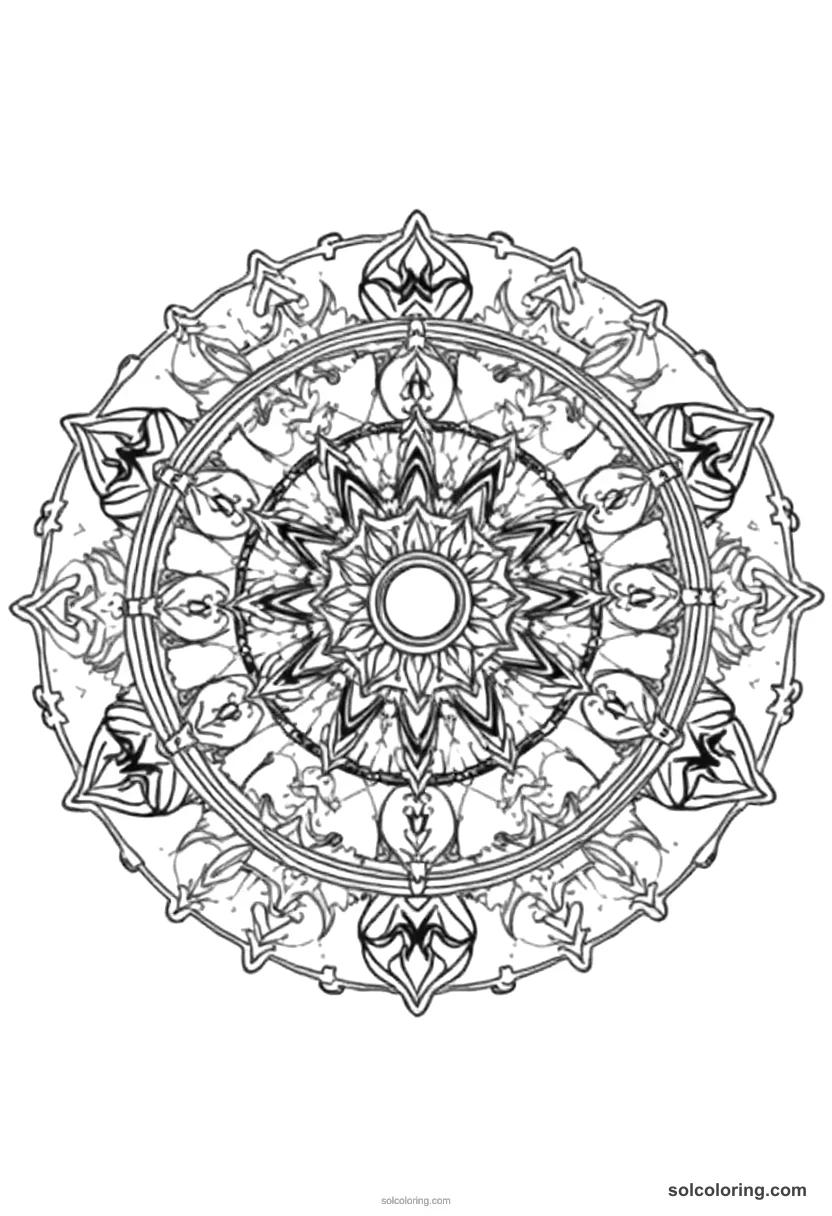
6 free printable designs including Realistic, Detailed, Simple, Mandala and more.
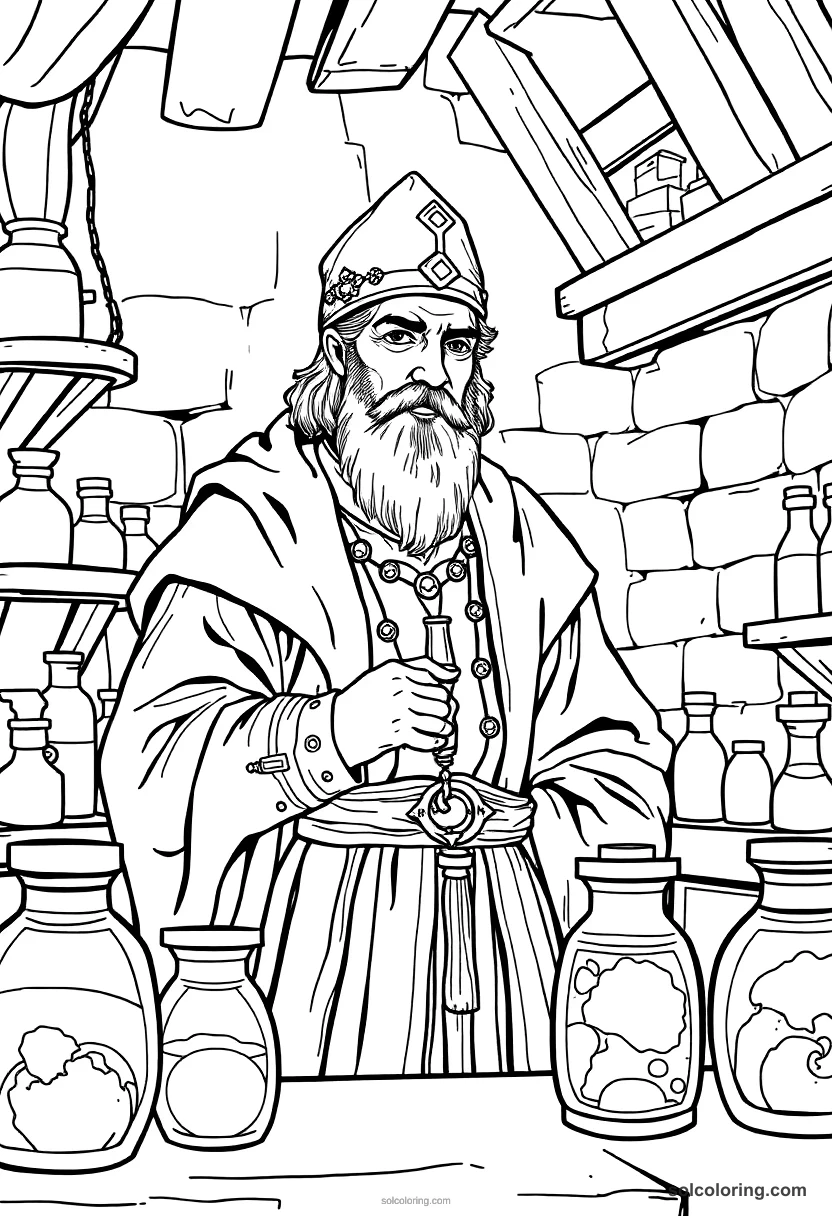
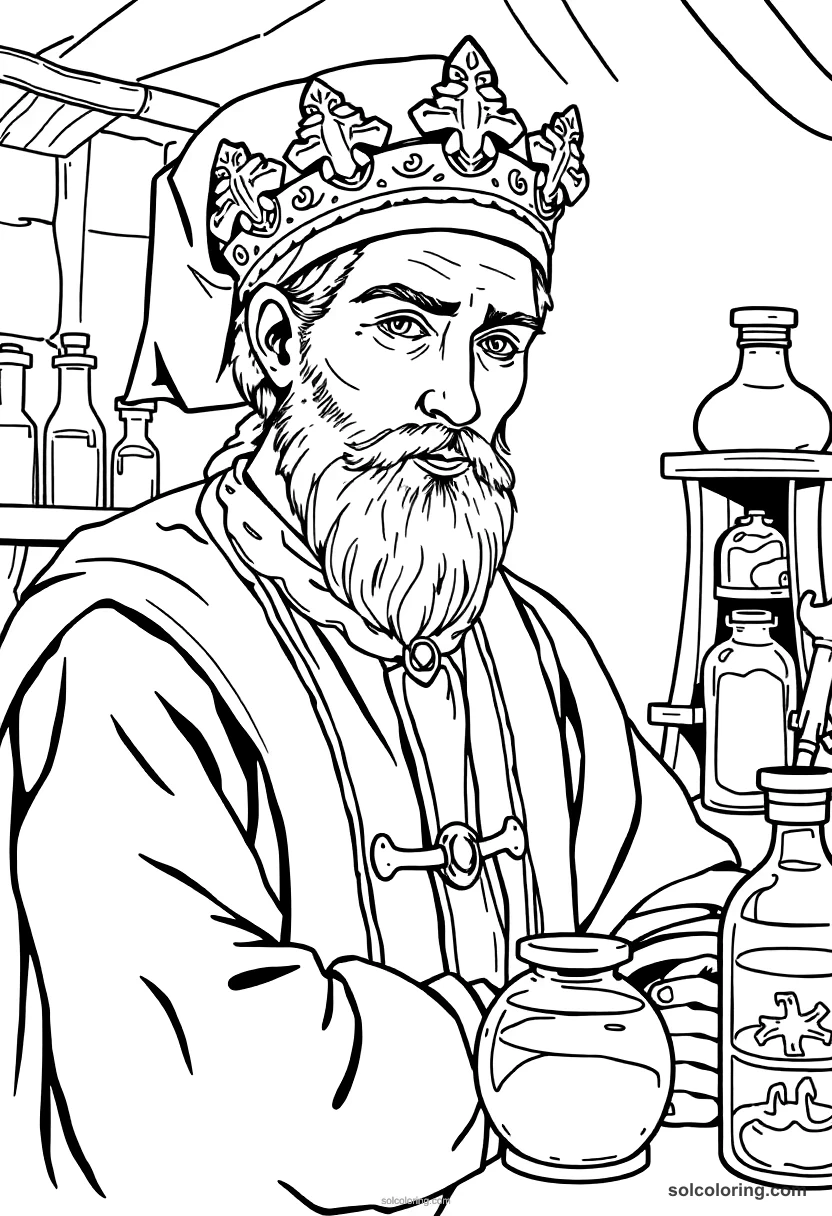
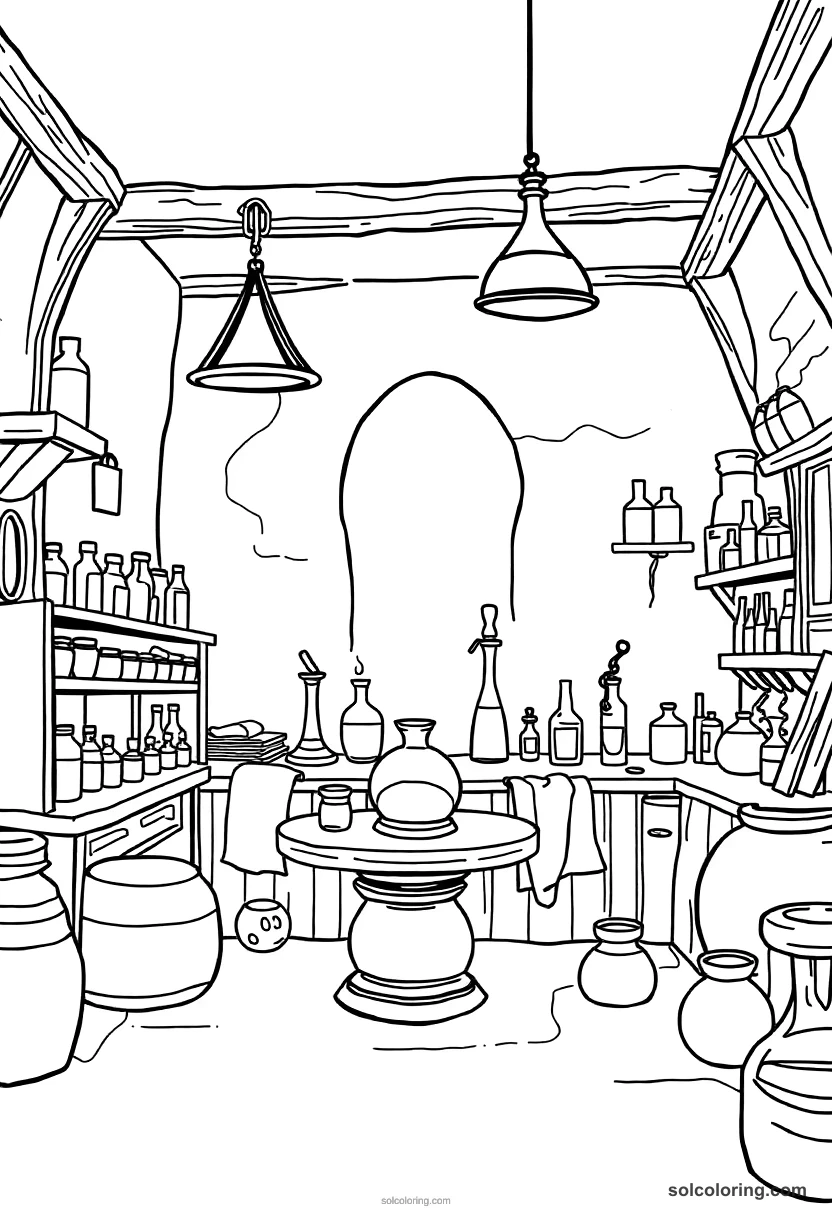
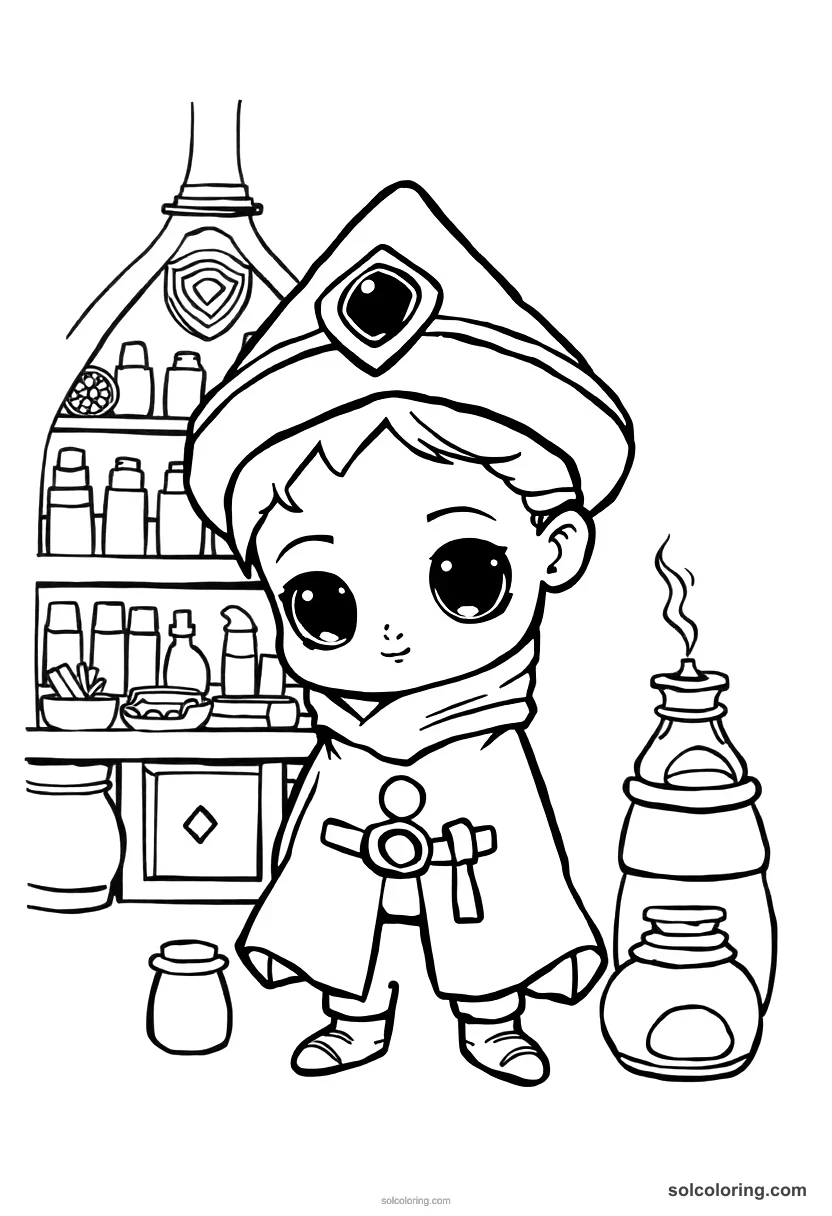
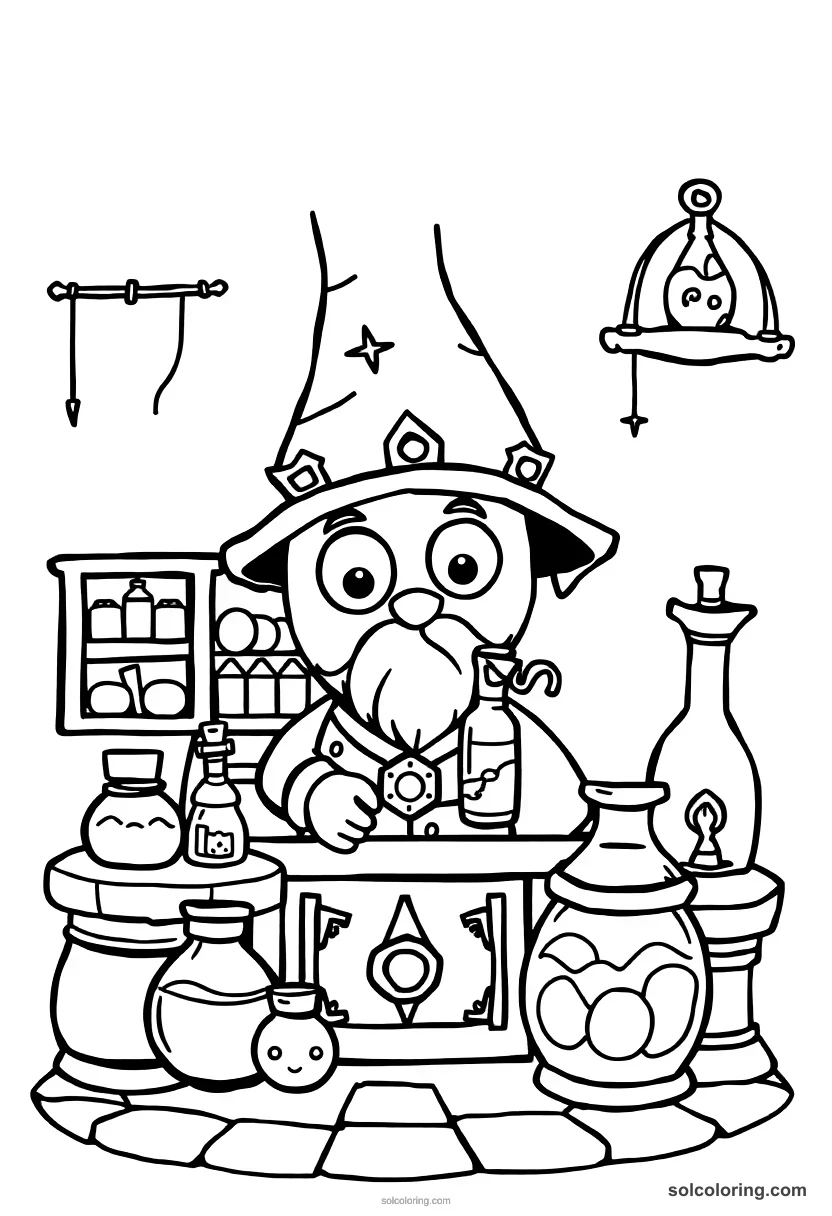
Step into the mysterious world of medieval alchemy with these fascinating laboratory scenes! Medieval alchemists were the early scientists of their time, mixing chemistry, medicine, and philosophy in their quest to transform base metals into gold and discover the elixir of life. Their laboratories were filled with bubbling cauldrons, strange glassware, ancient books, and mysterious symbols. These intricate workspaces represent humanity's early attempts to understand the natural world through experimentation. Our free printable coloring page captures the magic and mystery of these historic laboratories, complete with detailed equipment, scrolls, and magical atmospheres. Perfect for young historians and budding scientists, this free printable coloring page offers hours of educational entertainment while exploring one of history's most intriguing scientific pursuits.
Read more →Read less ↑
Choose a style
Did you know?
Fun facts about Medieval Alchemist's Laboratory
Medieval alchemists invented aqua regia, a mixture of acids so powerful it could dissolve gold, which they called the 'royal water.'
The word 'gibberish' comes from Jabir ibn Hayyan, an 8th century alchemist whose complex writings seemed incomprehensible to many readers.
Alchemists discovered phosphorus by accident while trying to create gold from urine, creating the first element discovered since ancient times.
Medieval alchemist laboratories often had secret passages and hidden compartments to protect valuable equipment and research from thieves.
The famous alchemist Nicolas Flamel allegedly achieved transmutation in 1382 and became incredibly wealthy, fueling legends about successful gold-making.
About Medieval Alchemist's Laboratory
What equipment did medieval alchemists use in their laboratories?
Medieval alchemists used alembics for distillation, pelicans for circulation, retorts for heating substances, mortars and pestles for grinding, and various glass vessels. They also had furnaces, scales for precise measurements, and collections of rare minerals and chemicals.
What were medieval alchemists actually trying to accomplish?
Alchemists pursued three main goals: transmuting base metals like lead into gold, creating the philosopher's stone, and discovering the elixir of life for immortality. They also developed medicines, perfumes, and dyes as practical applications of their work.
How did medieval alchemist laboratories contribute to modern science?
Alchemist laboratories were the predecessors to modern chemistry labs. They developed distillation, crystallization, and other techniques still used today. Many alchemists like Jabir ibn Hayyan laid groundwork for scientific methodology and chemical processes.
What symbols and codes did alchemists use in their laboratories?
Alchemists used complex symbolic systems to represent elements, processes, and equipment. Gold was symbolized by the sun, silver by the moon, and mercury by its planetary symbol. These codes protected their secrets and added mystique.
Where were medieval alchemist laboratories typically located?
Alchemist laboratories were often hidden in castle towers, monastery cellars, or private chambers in wealthy homes. They needed ventilation for fumes, water sources, and secrecy since alchemy was sometimes viewed with suspicion by authorities.
What dangers did medieval alchemists face in their laboratories?
Alchemists risked explosions from volatile mixtures, poisoning from mercury and other toxic substances, fires from their furnaces, and persecution from religious or political authorities who viewed their practices as potentially heretical or dangerous.
More Historical Eras Scenes coloring pages
Coloring page FAQs
Are these Medieval Alchemist's Laboratory coloring pages free?
Yes! All our medieval alchemist laboratory coloring pages are completely free to download and print. No payment or subscription required, just click and enjoy coloring these historical scenes.
What age are these Medieval Alchemist's Laboratory coloring pages for?
These pages are designed for ages 8 to 14, featuring detailed laboratory equipment and medieval elements that provide an engaging challenge for developing artistic skills.
How do I print these Medieval Alchemist's Laboratory coloring pages?
Simply download the PDF files and print them on standard A4 or Letter paper using any home printer. No account signup needed, just instant access to printing.