Historical Eras Scenes
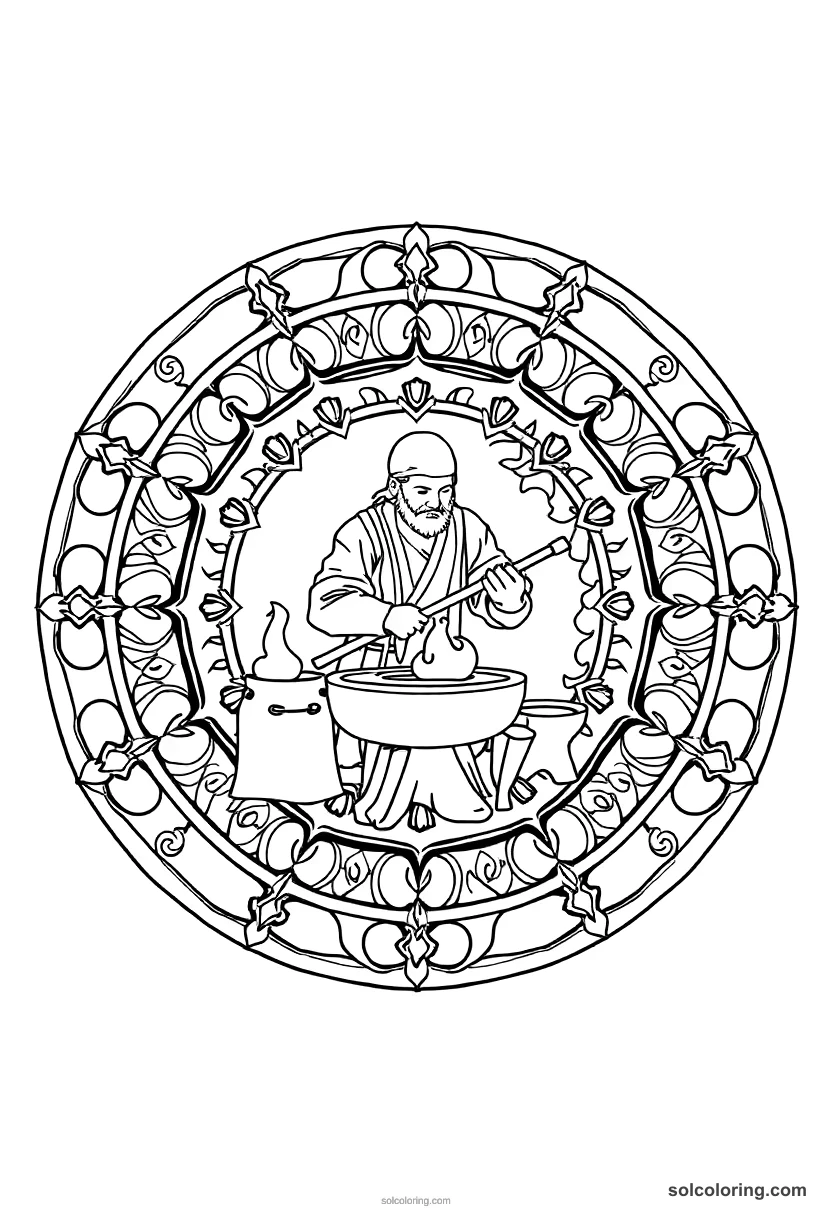
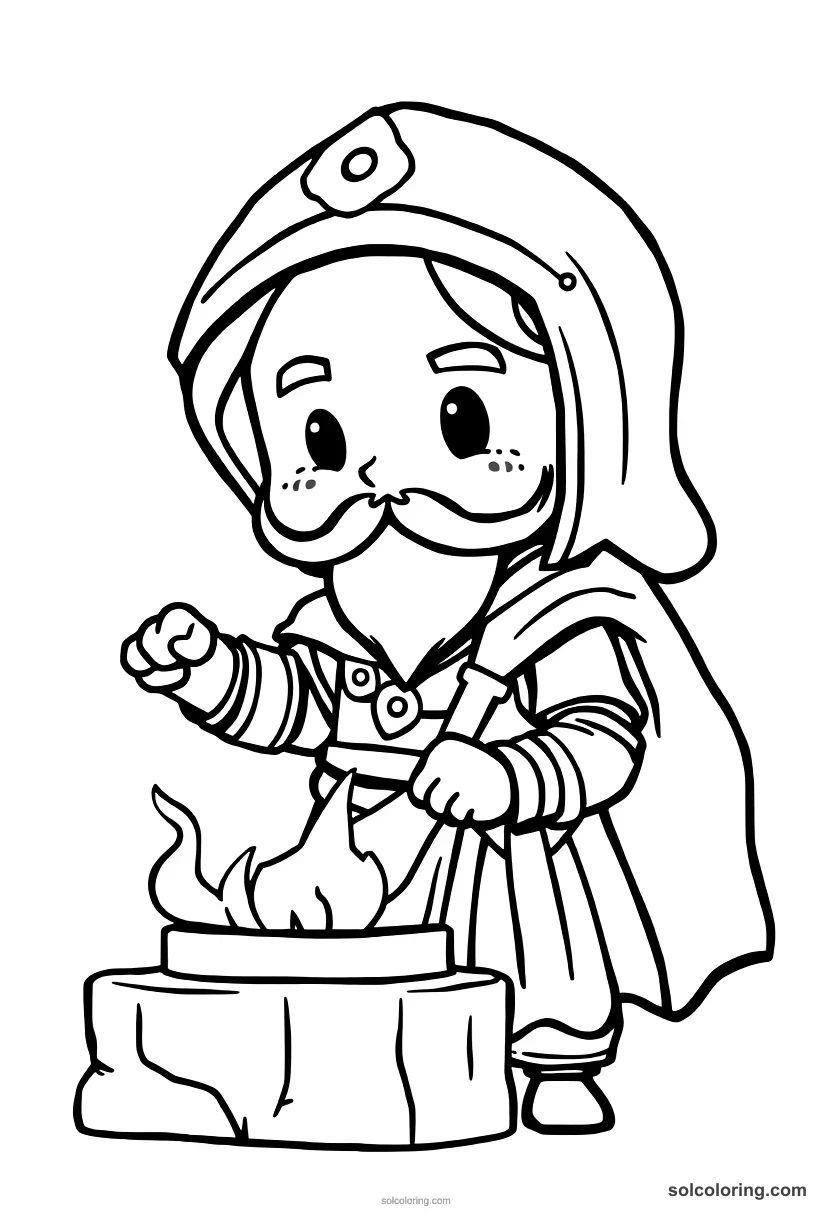
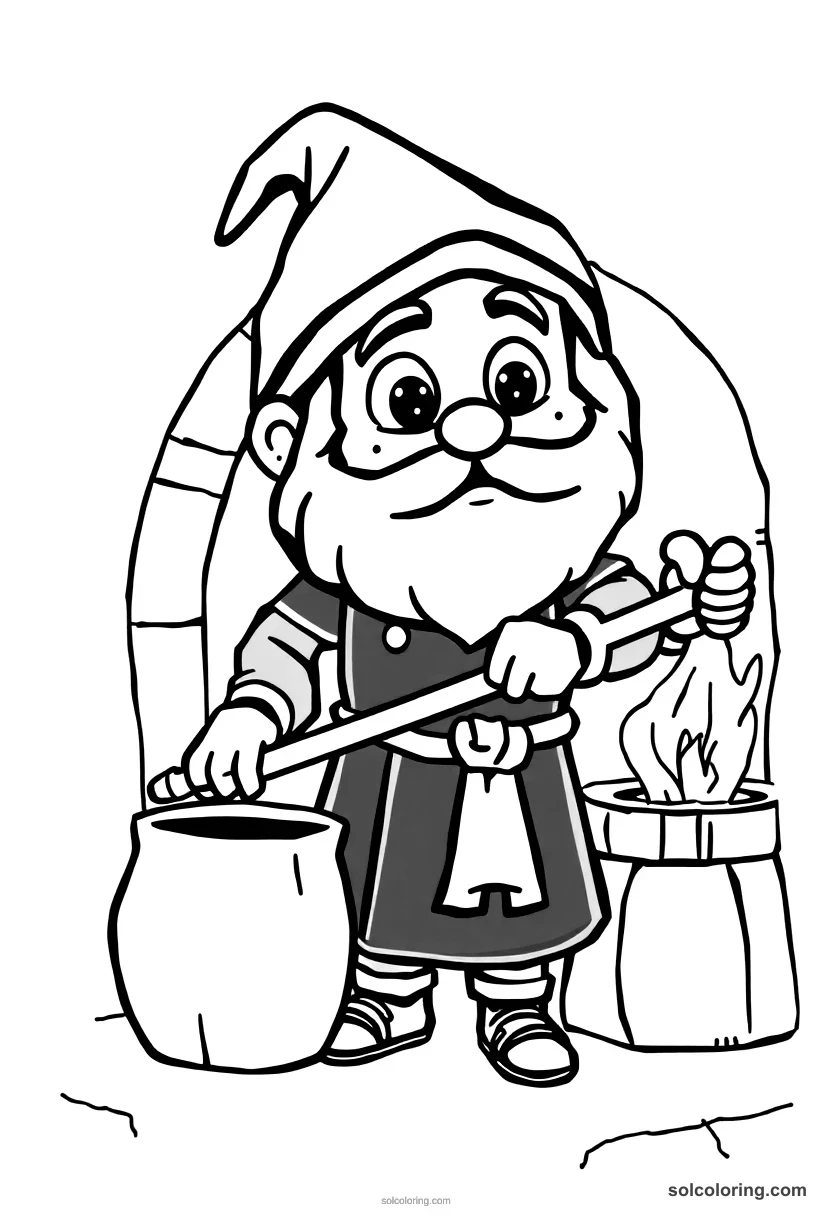
Medieval Blacksmith At The Forge Coloring Pages
6 free printable designs including Realistic, Detailed, Simple, Mandala and more.
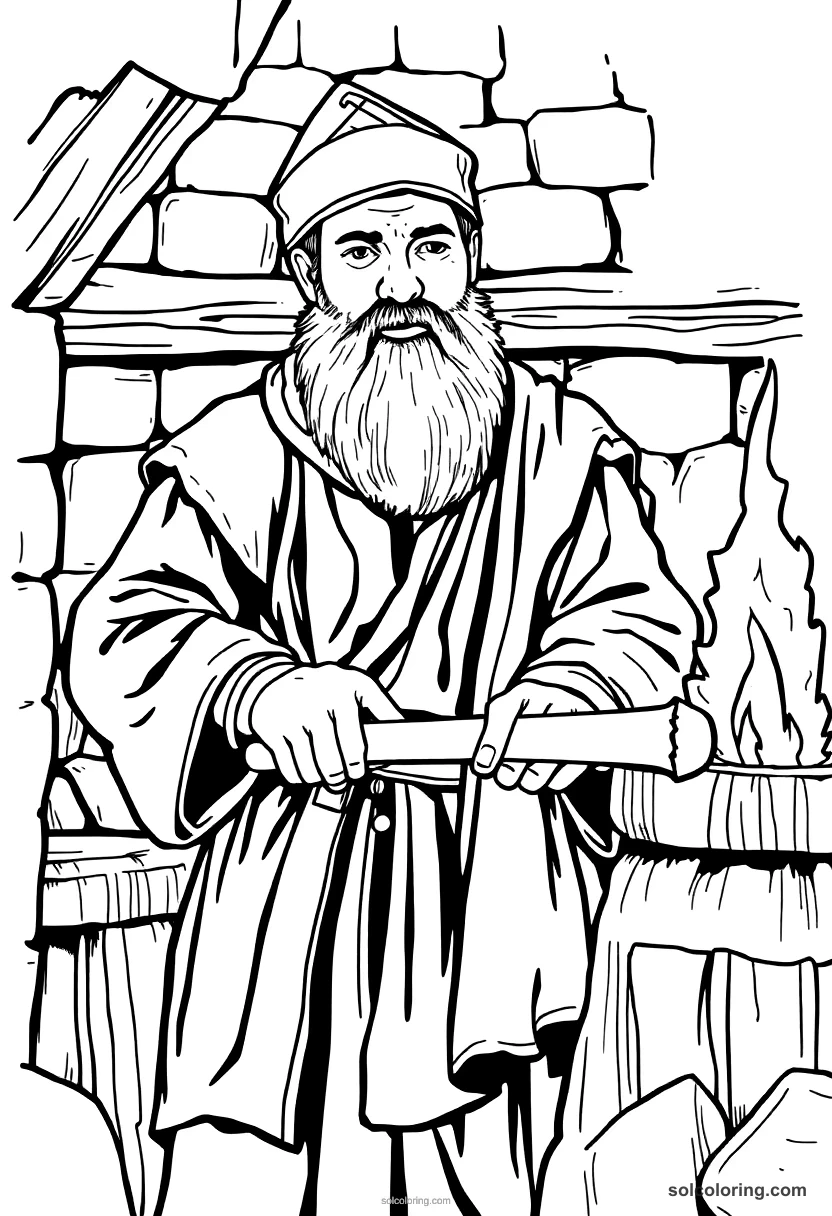
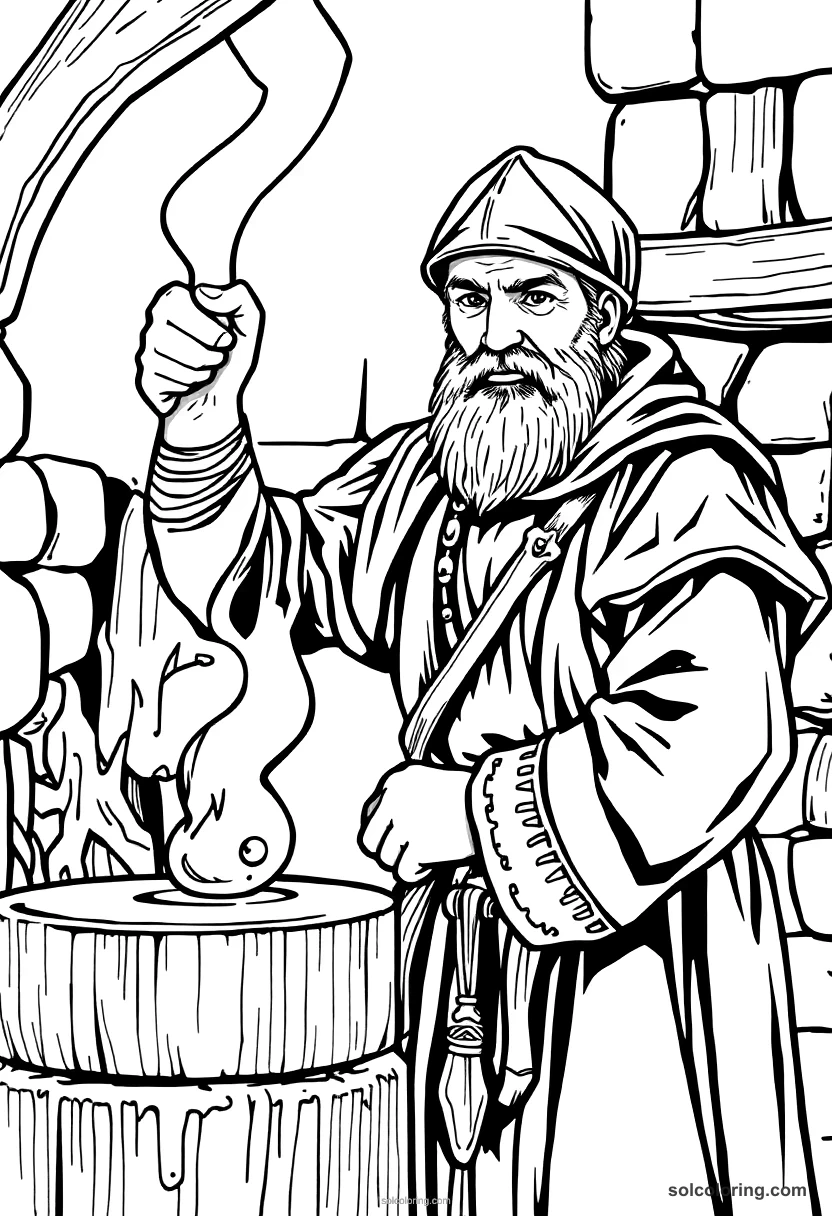
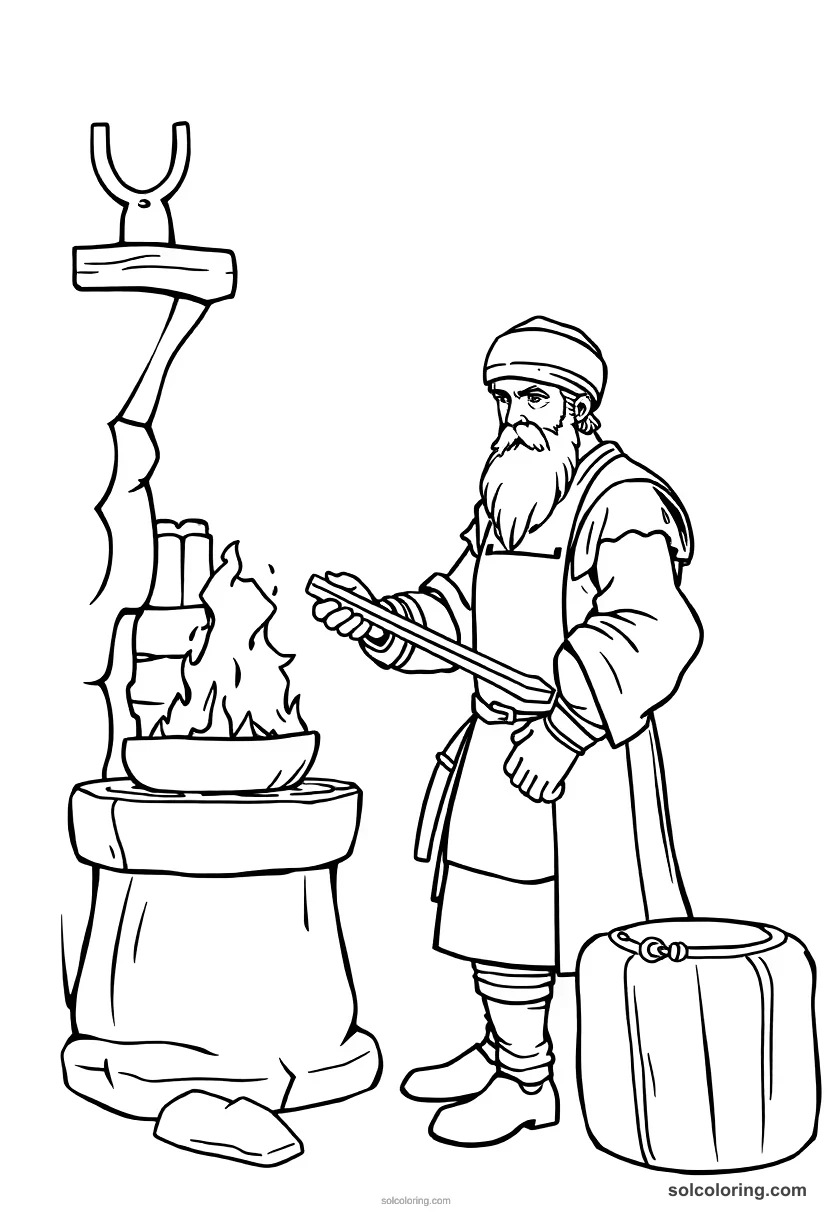
Step into the smoky, sparking world of a medieval blacksmith's workshop! These skilled craftsmen were the backbone of medieval society, creating everything from horseshoes and farming tools to mighty swords and armor for knights. The blacksmith's forge was the heart of every village, where red-hot iron was shaped with hammer and anvil into essential items that kept medieval life running smoothly. Watch as our blacksmith works the bellows to heat the coals, sending sparks flying while crafting incredible metalwork. This free printable coloring page captures all the exciting details of medieval craftsmanship, from the glowing forge and heavy hammers to the blacksmith's leather apron and the various tools hanging on the workshop walls. Color your way back to this fascinating historical era!
Read more →Read less ↑
Choose a style
Did you know?
Fun facts about Medieval Blacksmith At The Forge
Medieval blacksmiths could tell the temperature of heated metal just by looking at its color, from dull red at 1,500°F to bright yellow at 2,000°F.
The phrase "strike while the iron is hot" comes directly from blacksmithing, since iron must be shaped quickly before it cools and hardens.
Medieval blacksmiths often doubled as dentists and surgeons in small villages because they had steady hands and sharp metal tools.
A skilled medieval blacksmith could make over 400 horseshoe nails in a single day using only hand tools and incredible speed.
Medieval blacksmiths were among the few people allowed to work on Sundays because horses needed emergency shoe repairs and couldn't wait until Monday.
About Medieval Blacksmith At The Forge
What tools did medieval blacksmiths use at their forges?
Medieval blacksmiths used hammers of different sizes, tongs to hold hot metal, anvils for shaping, bellows to heat the fire, and water quenching tubs. They also had specialized tools like punches, chisels, and files for detailed metalwork and finishing touches.
How hot did a medieval blacksmith's forge get?
A medieval forge could reach temperatures between 2,000 to 2,500 degrees Fahrenheit! Blacksmiths used charcoal as fuel and operated large leather bellows to pump air into the fire, creating intense heat needed to soften iron for shaping.
What did medieval blacksmiths make besides weapons?
Medieval blacksmiths created everyday items like horseshoes, nails, door hinges, cooking pots, farming tools like plows and sickles, church bells, decorative ironwork, and household items. Weapons and armor were actually a smaller part of their work.
How did someone become a medieval blacksmith?
Boys typically started as apprentices around age 12 to 14, working for a master blacksmith for seven years. They learned by watching, helping, and gradually taking on more complex tasks until they became skilled journeymen, then eventually master craftsmen.
Why were blacksmiths so important in medieval villages?
Blacksmiths were essential because they made and repaired nearly all metal tools and items that people needed for farming, cooking, building, and daily life. Without blacksmiths, medieval communities couldn't function properly since metal goods were crucial for survival.
What made medieval blacksmithing so physically demanding?
Blacksmiths worked in extreme heat, swinging heavy hammers for hours, pumping bellows manually, and handling red-hot metal. The work required incredible strength, endurance, and skill to shape iron precisely while avoiding burns and injuries from sparks and flames.
More Historical Eras Scenes coloring pages
Coloring page FAQs
Are these Medieval Blacksmith At The Forge coloring pages free?
Yes! All our medieval blacksmith coloring pages are completely free to download and print. No payment or subscription required, just click, download, and start coloring right away.
What age are these Medieval Blacksmith At The Forge coloring pages for?
These coloring pages are designed for ages 8 to 14, featuring detailed medieval workshop scenes with varying complexity levels to challenge different skill levels and interests.
How do I print these Medieval Blacksmith At The Forge coloring pages?
Simply download the PDF files and print them on standard A4 or Letter size paper using any home printer. No account signup needed, just instant access to printable pages.