Historical Eras Scenes
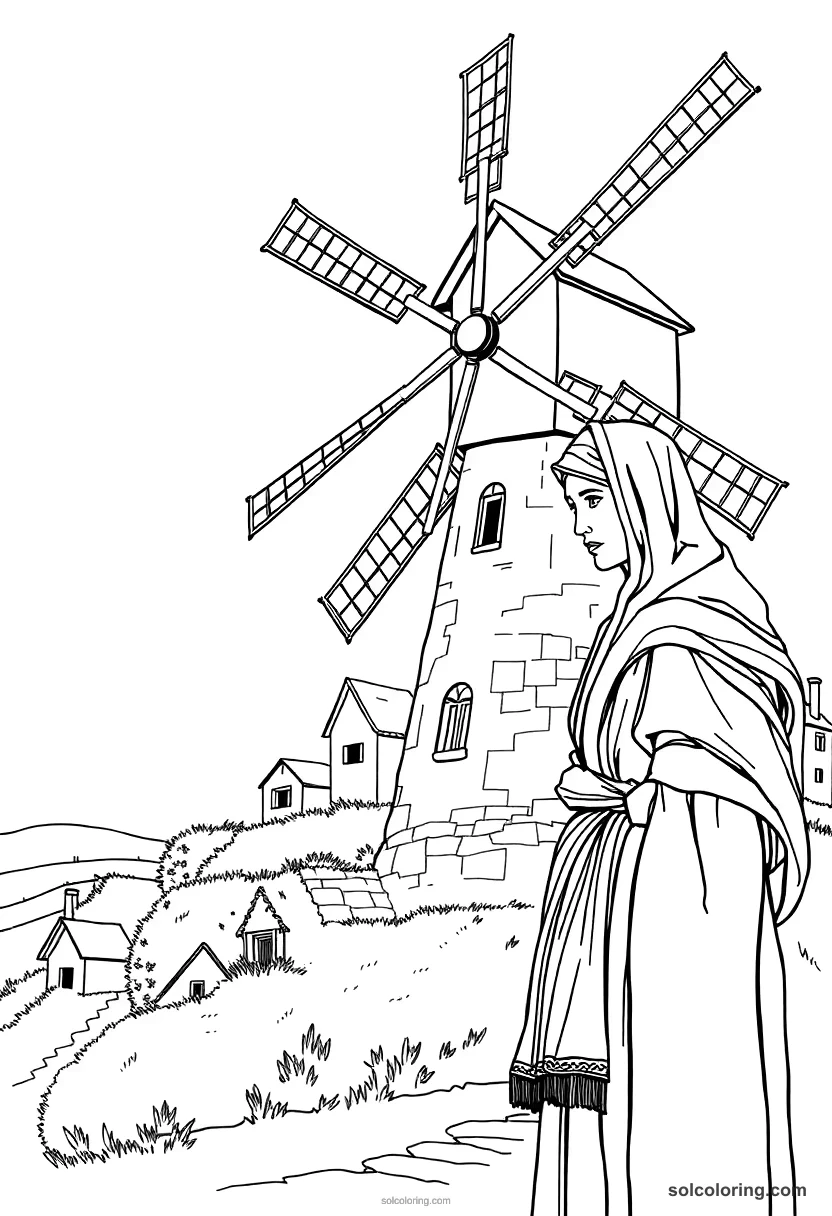
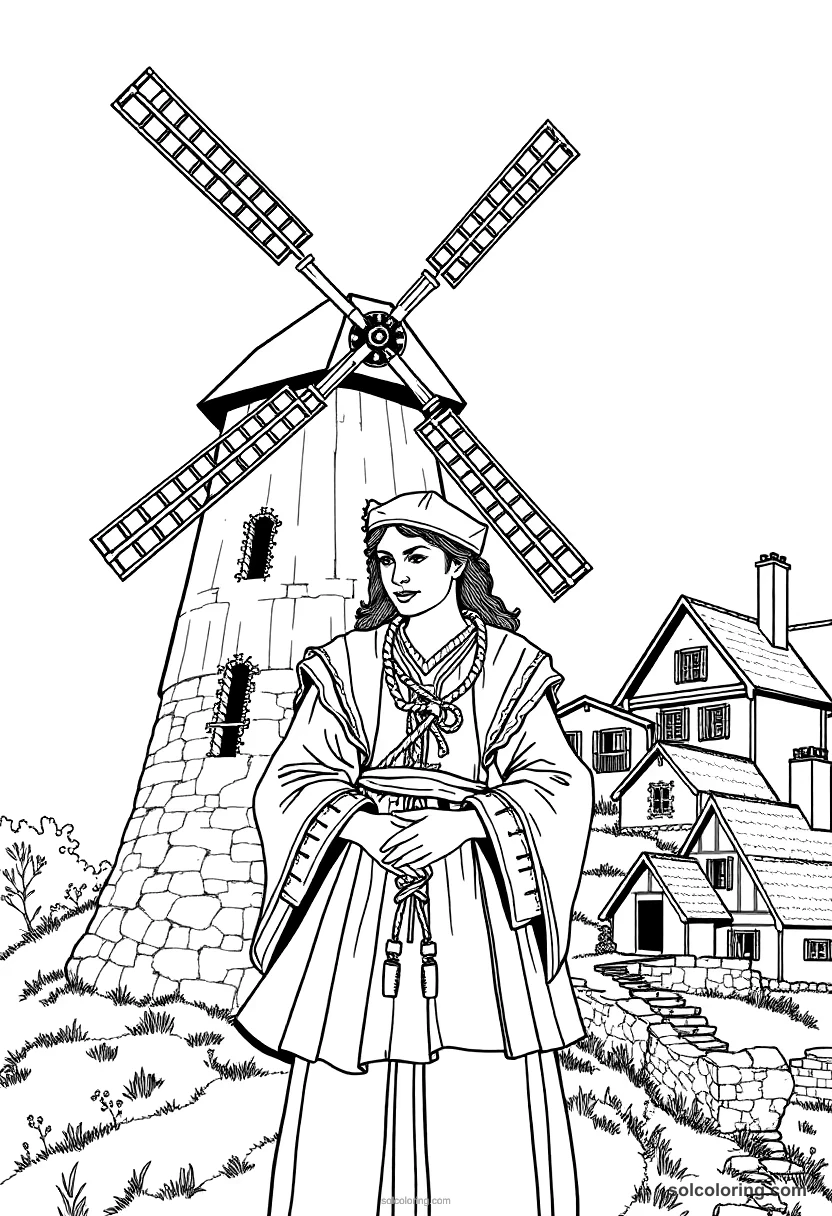
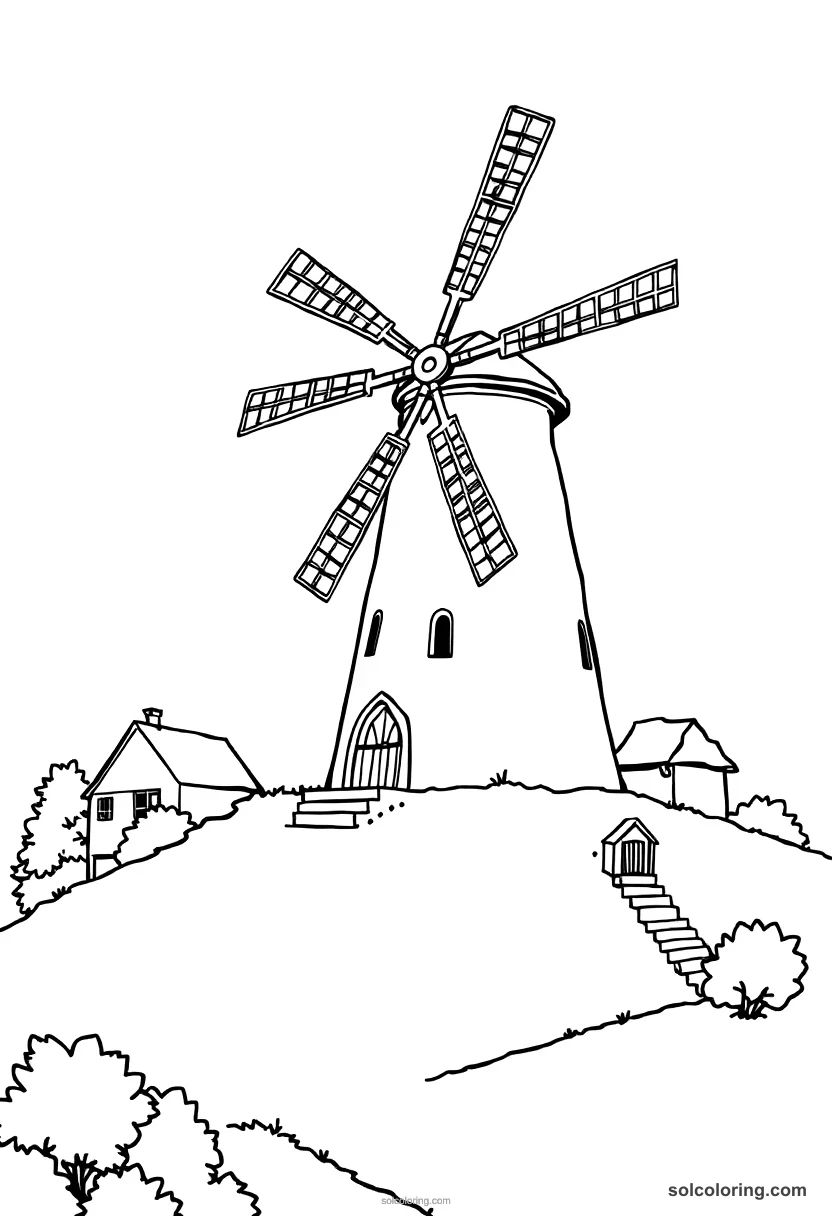
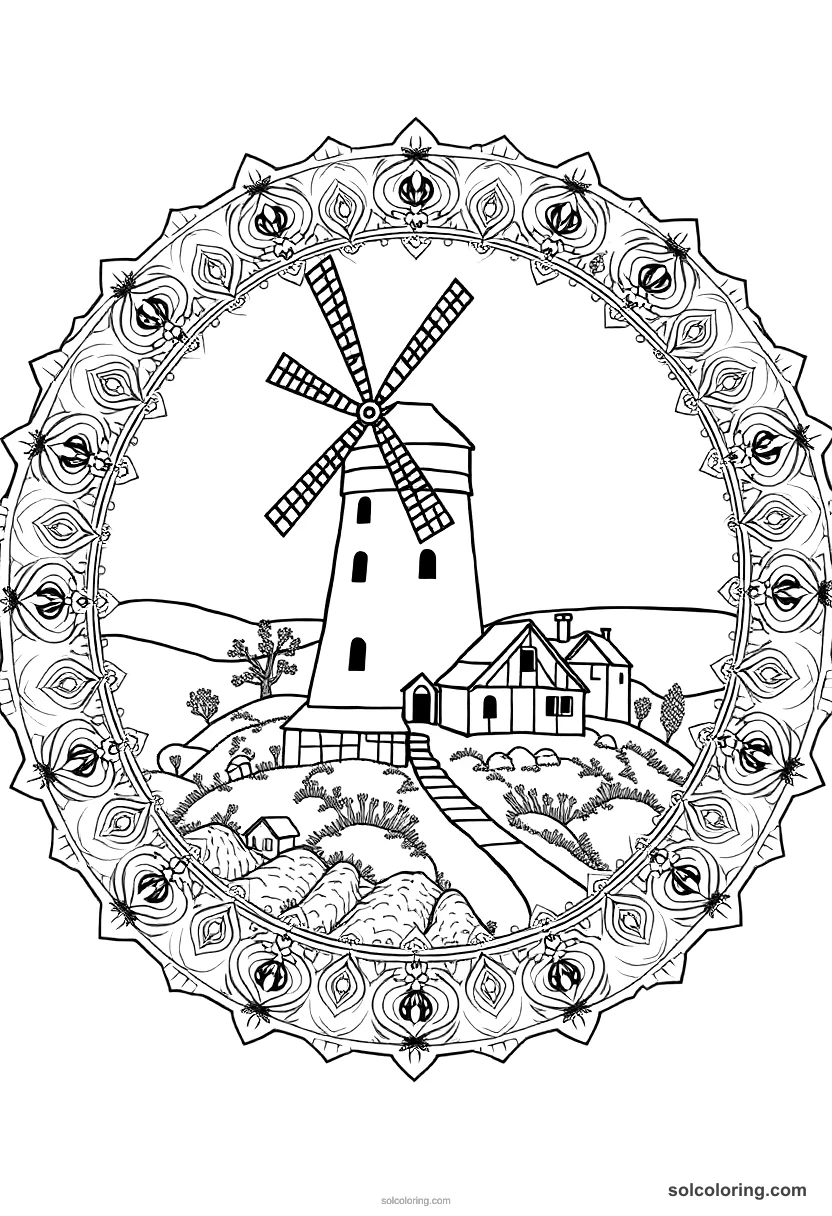
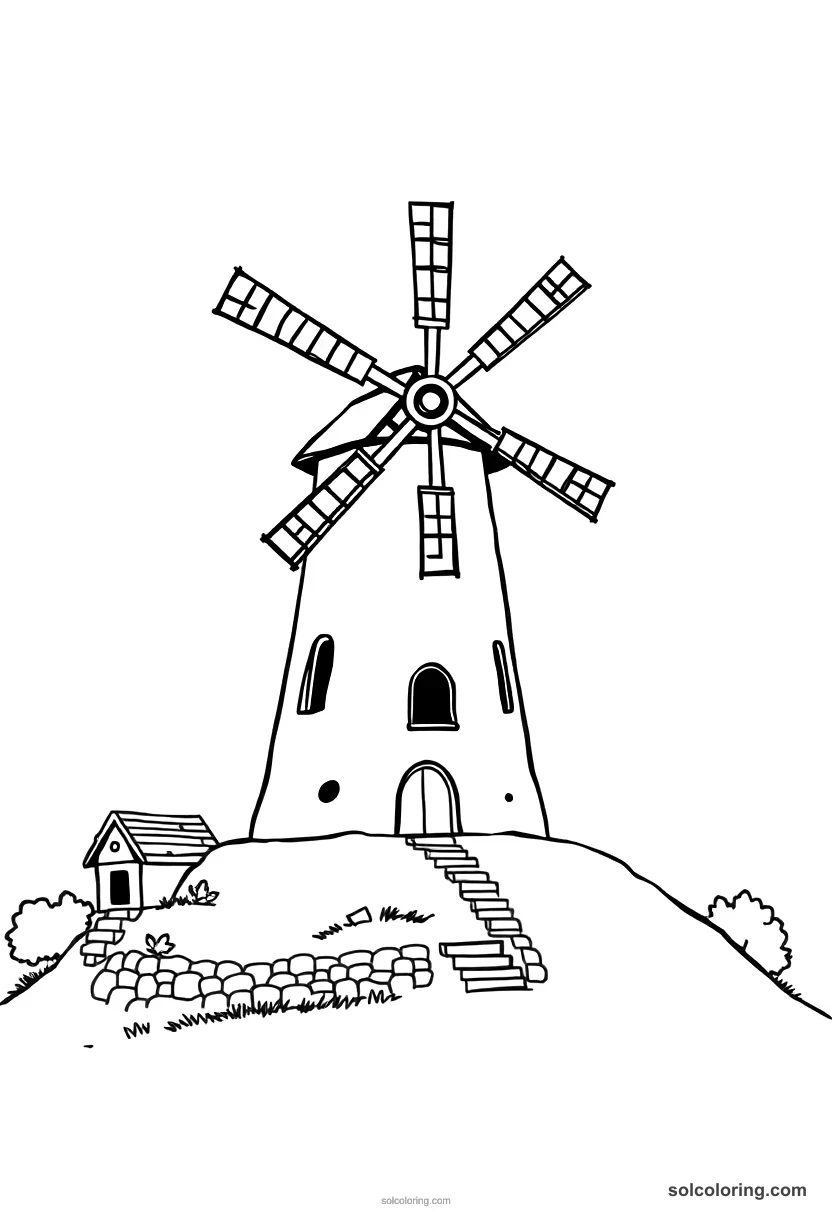
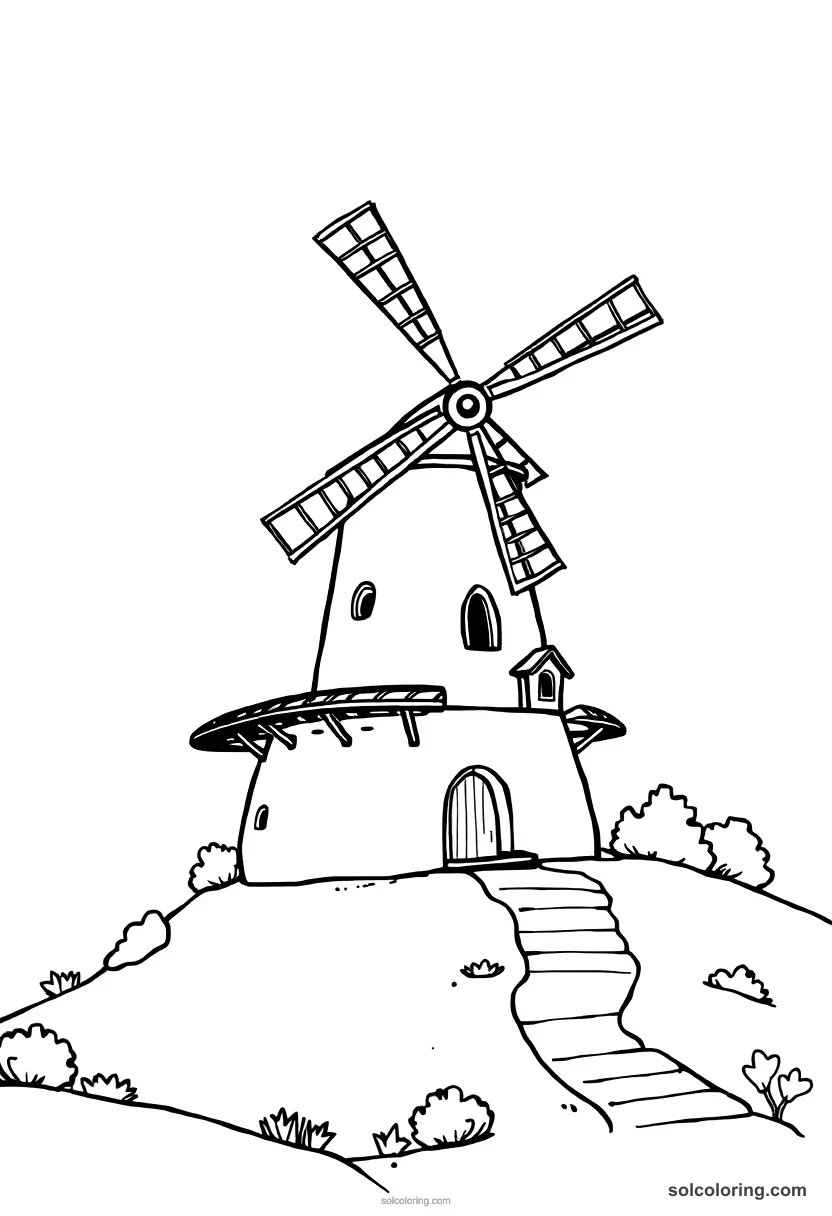
Medieval Windmill On A Village Hill Coloring Pages
6 free printable designs including Realistic, Detailed, Simple, Mandala and more.
Step into the medieval world where windmills dotted hilltops across Europe, grinding grain to feed entire villages! These impressive wooden structures became symbols of progress and ingenuity during the Middle Ages. Medieval windmills were marvels of engineering, using nothing but wind power to turn heavy millstones that transformed wheat into flour. Built on hills to catch the strongest breezes, they were often the tallest structures in a village and served as landmarks for travelers. This free printable coloring page captures the charm of a typical medieval village scene, complete with the iconic windmill that was so essential to daily life. Color in the wooden blades, stone foundation, and surrounding countryside as you imagine life in medieval times when these windmills were the heartbeat of rural communities.
Read more →Read less ↑
Choose a style
Did you know?
Fun facts about Medieval Windmill On A Village Hill
Medieval windmill blades were covered with canvas sails that millers had to adjust constantly throughout the day as wind conditions changed.
The entire top section of many medieval windmills could rotate 360 degrees to face the wind, operated by a long wooden beam called a tail pole.
Medieval millers often lived inside their windmills, with living quarters built into the tower structure below the grinding mechanism.
Some medieval windmills had names and were considered almost like living members of the community, with villagers referring to them with personal pronouns.
The grinding stones in medieval windmills weighed over 3,000 pounds each and had to be perfectly balanced or they would destroy themselves through vibration.
About Medieval Windmill On A Village Hill
When were the first windmills built in Europe?
The first European windmills appeared around 1180 CE in England and France. Interestingly, they were invented independently from Middle Eastern windmills and had a completely different design with horizontal axis rotation instead of vertical axis.
Why were medieval windmills always built on hills?
Medieval windmills needed consistent, strong winds to operate effectively. Hills provided the best wind exposure, and millers could catch breezes from multiple directions. The elevation also made windmills visible landmarks for the entire community.
How did medieval windmills actually grind grain into flour?
Wind turned the wooden blades, which rotated a horizontal shaft connected to heavy stone wheels called millstones. Grain was poured between the rotating stones, which crushed and ground it into flour through friction and pressure.
Who owned and operated medieval windmills?
Most windmills were owned by lords or wealthy merchants and operated by skilled millers. Peasants brought their grain to be ground for a fee, usually keeping about 90% of their flour while paying 10% to the miller.
What happened to medieval windmills during storms?
Medieval millers had to constantly monitor weather conditions. During storms, they would stop the blades by applying wooden brakes or turning the mill away from dangerous winds. Many windmills were destroyed by severe weather despite these precautions.
How long did it take to build a medieval windmill?
A typical medieval windmill took 6 to 12 months to construct, requiring skilled carpenters, stone masons, and specialized millwrights. The most challenging part was crafting the precise millstones and the complex gear systems inside.
More Historical Eras Scenes coloring pages
Coloring page FAQs
Are these Medieval Windmill On A Village Hill coloring pages free?
Yes! All our medieval windmill coloring pages are completely free to download and print. No payment or subscription required, just click and enjoy coloring this historical scene.
What age are these Medieval Windmill On A Village Hill coloring pages for?
These coloring pages are perfect for ages 8 to 14, featuring detailed medieval scenes that challenge older kids while remaining enjoyable for younger artists interested in history.
How do I print these Medieval Windmill On A Village Hill coloring pages?
Simply download the PDF and print on standard A4 or Letter size paper using any home printer. No account signup needed, just instant access to medieval coloring fun.