
Historical Eras Scenes
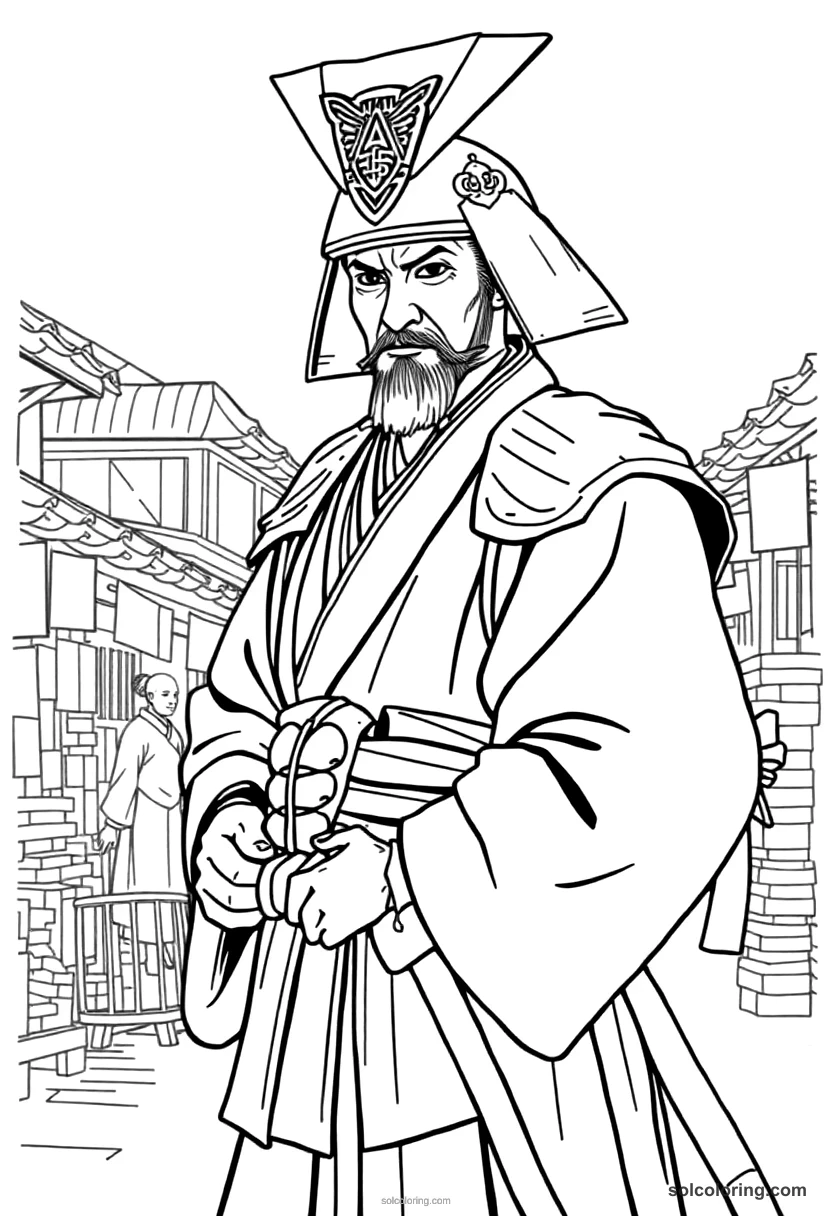
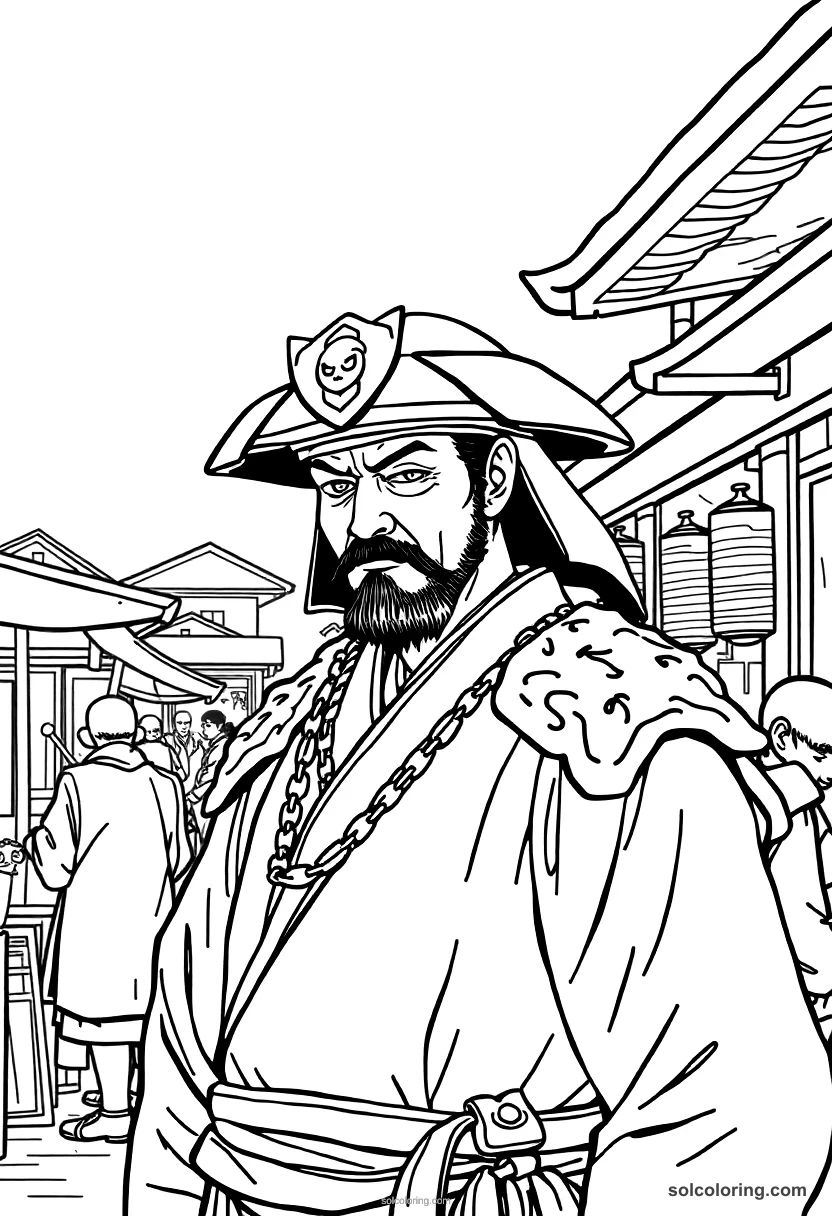
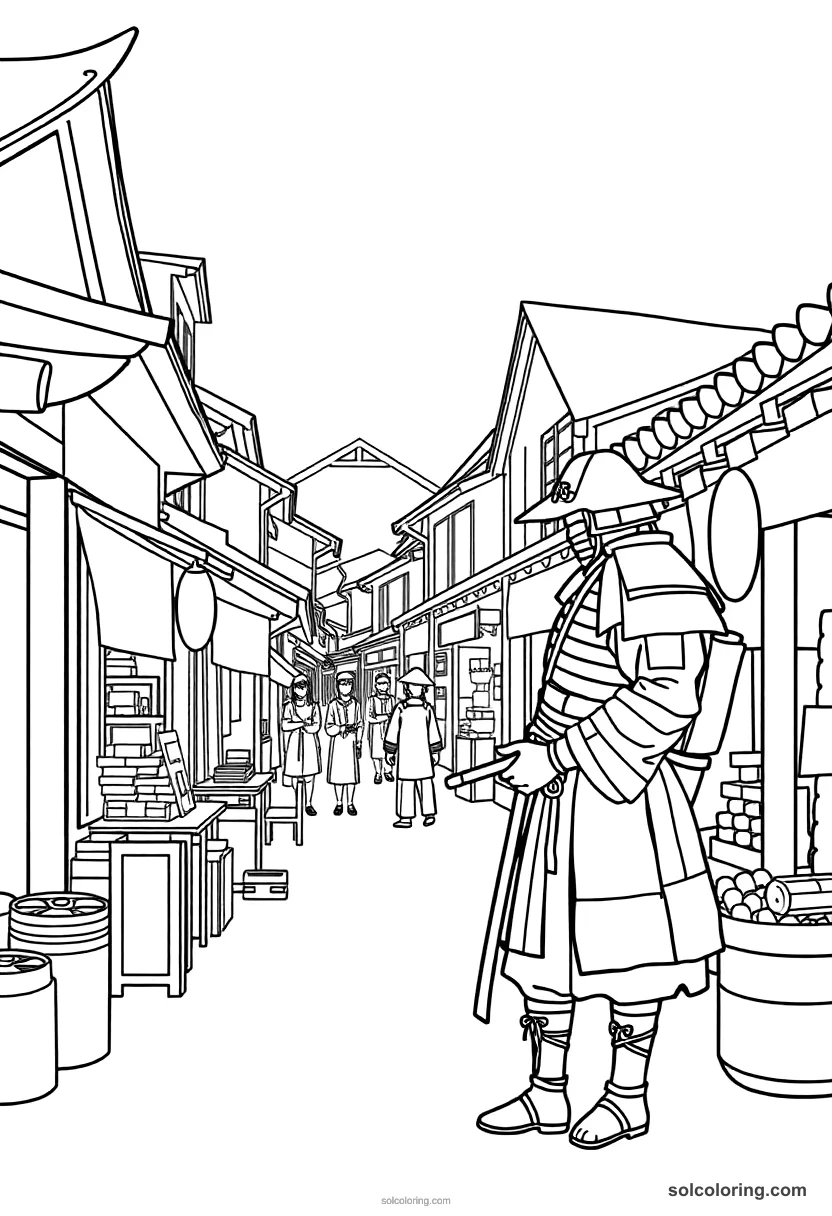
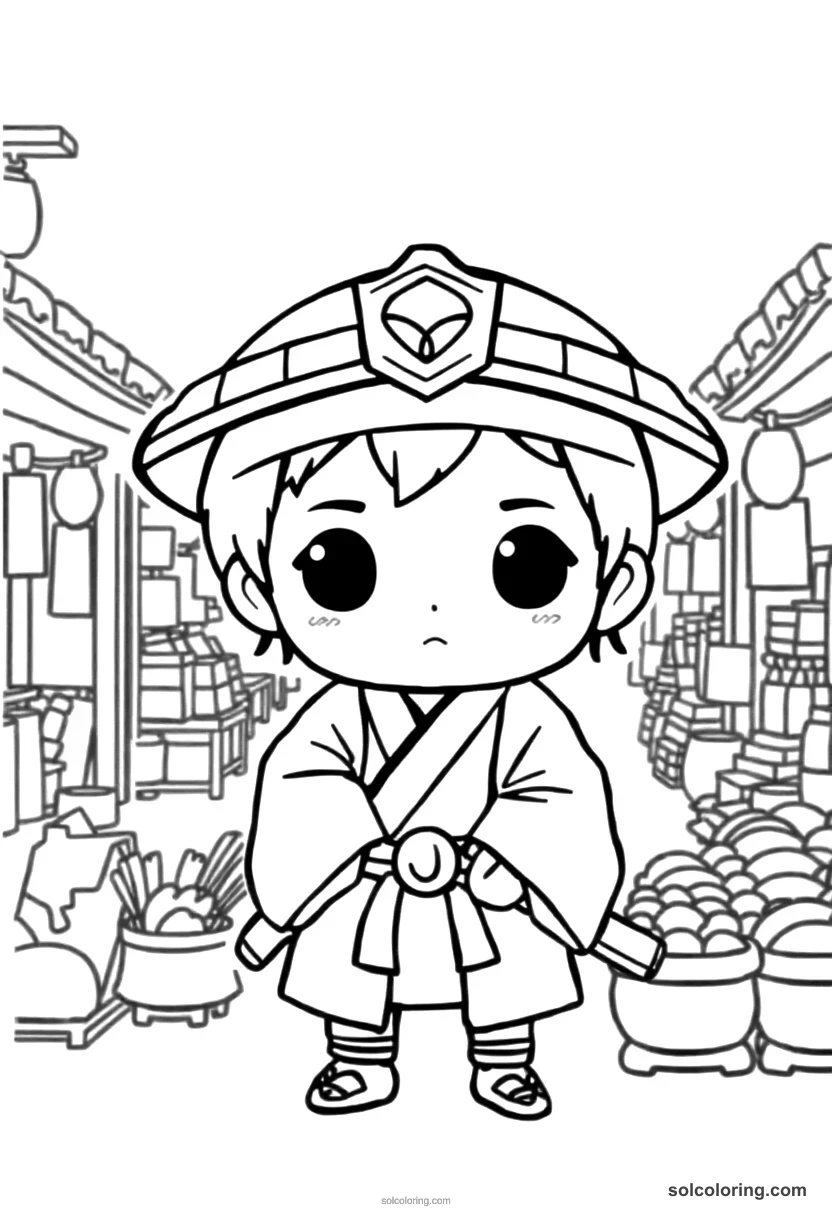
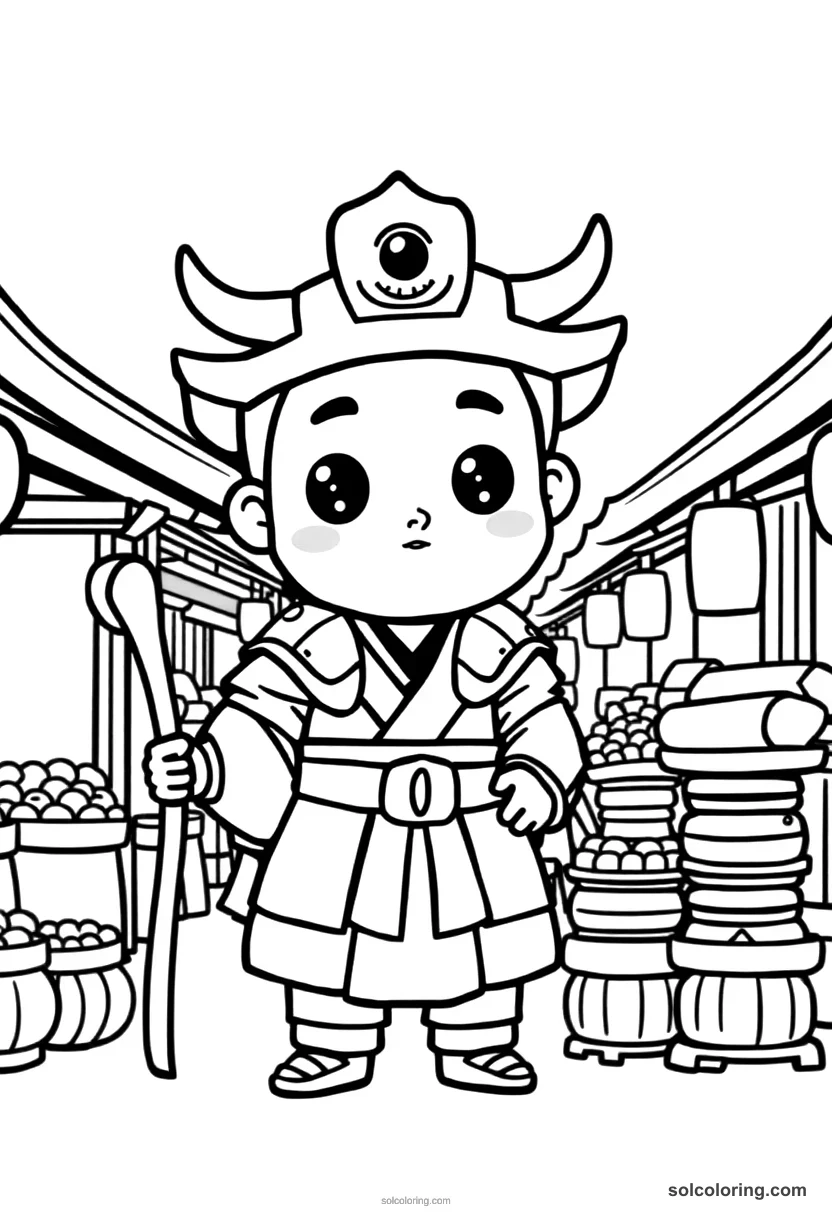
Samurai Edo Period Town Market Coloring Pages
6 free printable designs including Realistic, Detailed, Simple, Mandala and more.
Step into the bustling markets of Edo period Japan, where samurai, merchants, and townsfolk gathered to trade goods and socialize. These vibrant marketplaces were the heart of Japanese towns from 1603 to 1868, filled with colorful stalls selling everything from fresh fish and vegetables to beautiful silk fabrics and handcrafted pottery. Samurai warriors, recognizable by their distinctive swords and topknots, would stroll through these markets alongside common people, creating a fascinating mix of social classes. Our free printable coloring page captures the energy and detail of these historic scenes, letting you bring to life the wooden stalls, traditional clothing, and busy atmosphere of old Japan. This free printable coloring page offers an exciting way to explore Japanese history while developing your artistic skills.
Read more →Read less ↑
Choose a style

Did you know?
Fun facts about Samurai Edo Period Town Market
Edo period fish markets started selling at 4 AM, and the freshest tuna was reserved for samurai and wealthy merchants who arrived earliest.
Market vendors used special wooden clappers called 'hyoshigi' to attract customers and announce their goods, creating a rhythmic symphony throughout the marketplace.
Some Edo markets had 'book rental stalls' where people could borrow popular novels and manga-style picture books for a small daily fee.
Female merchants called 'onna-akindo' ran many market stalls and were known for their fierce bargaining skills and business intelligence.
Special 'night markets' called 'yomise' sold hot food, toys, and entertainment, lit by hundreds of paper lanterns that created a magical atmosphere.
About Samurai Edo Period Town Market
Where were Edo period markets typically located in Japanese towns?
Markets were usually located near temples, bridges, or major roads for easy access. The largest market in Edo (modern Tokyo) was Nihonbashi, which served as the commercial heart of the city and starting point for major highways.
What kinds of goods were sold in Edo period markets?
Markets sold fresh fish, rice, vegetables, silk fabrics, pottery, tools, books, and medicine. Specialty items included beautiful woodblock prints, delicate paper fans, traditional sweets, and even live goldfish as pets for wealthy customers.
How did people pay for goods in Edo period markets?
People used a complex system of gold, silver, and copper coins. Rice was also used as currency for large transactions. Merchants often used wooden tokens called 'hansatsu' issued by local domains as regional money.
What social classes shopped together in these markets?
Samurai, merchants, artisans, and farmers all visited markets, though strict social rules applied. Samurai held the highest status but merchants, despite being lower class, often had more money and influenced market culture significantly.
What time of day were Edo period markets most busy?
Markets opened before dawn and were busiest in early morning when fresh fish and produce arrived. Many closed by midday, though some evening markets sold prepared foods, lanterns, and entertainment for workers returning home.
How were Edo period markets different from modern shopping?
Customers bargained for most items, and many goods were sold seasonally. There were no refrigeration systems, so fresh food was sold quickly. Merchants often knew their customers personally and provided credit for trusted buyers.
More Historical Eras Scenes coloring pages
Coloring page FAQs
Are these Samurai Edo Period Town Market coloring pages free?
Yes! All our Samurai Edo Period Town Market coloring pages are completely free to download and print as many times as you want.
What age are these Samurai Edo Period Town Market coloring pages for?
These detailed historical coloring pages are perfect for ages 8-14, with intricate designs that challenge older kids while remaining accessible to younger colorists.
How do I print these Samurai Edo Period Town Market coloring pages?
Simply download the PDF and print on standard A4 or Letter paper using any home printer. No account signup or special software required.