Historical Eras Scenes
Tang Dynasty Poet's Garden Coloring Pages
6 free printable designs including Realistic, Detailed, Simple, Mandala and more.
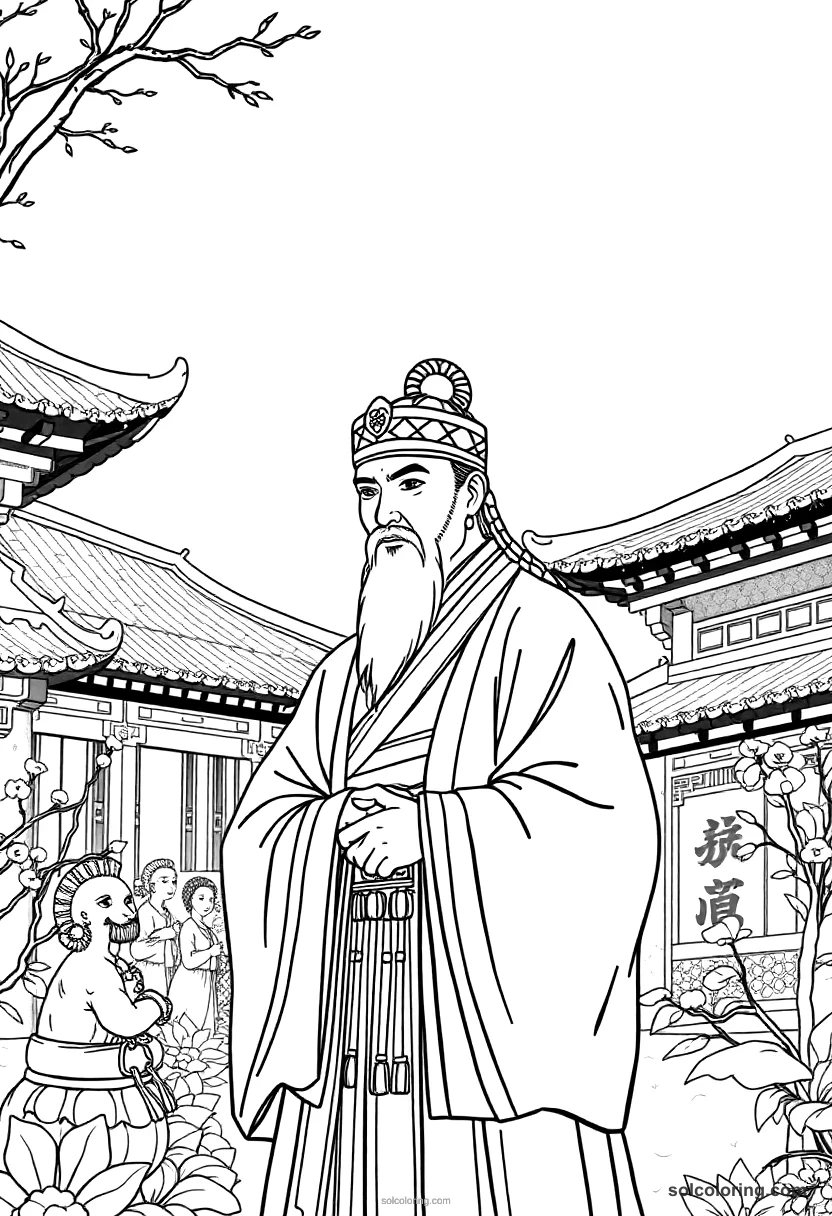
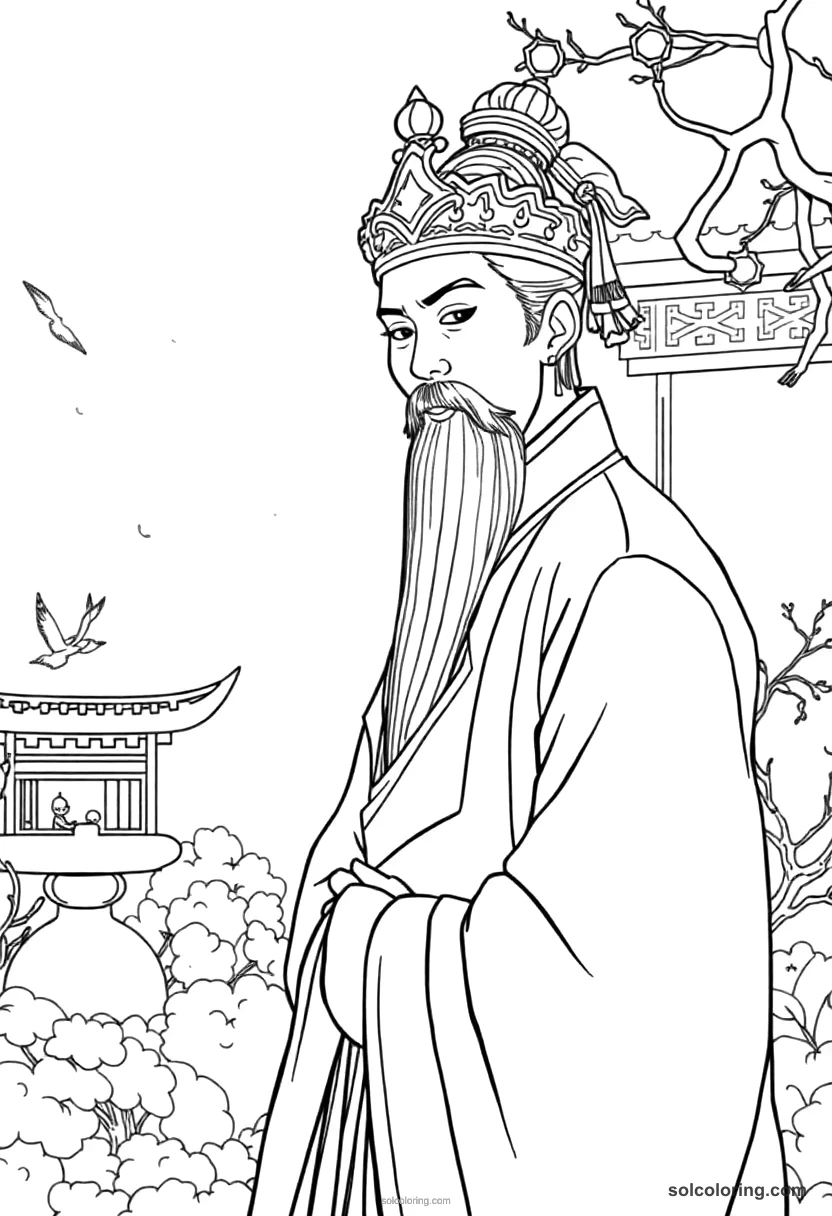
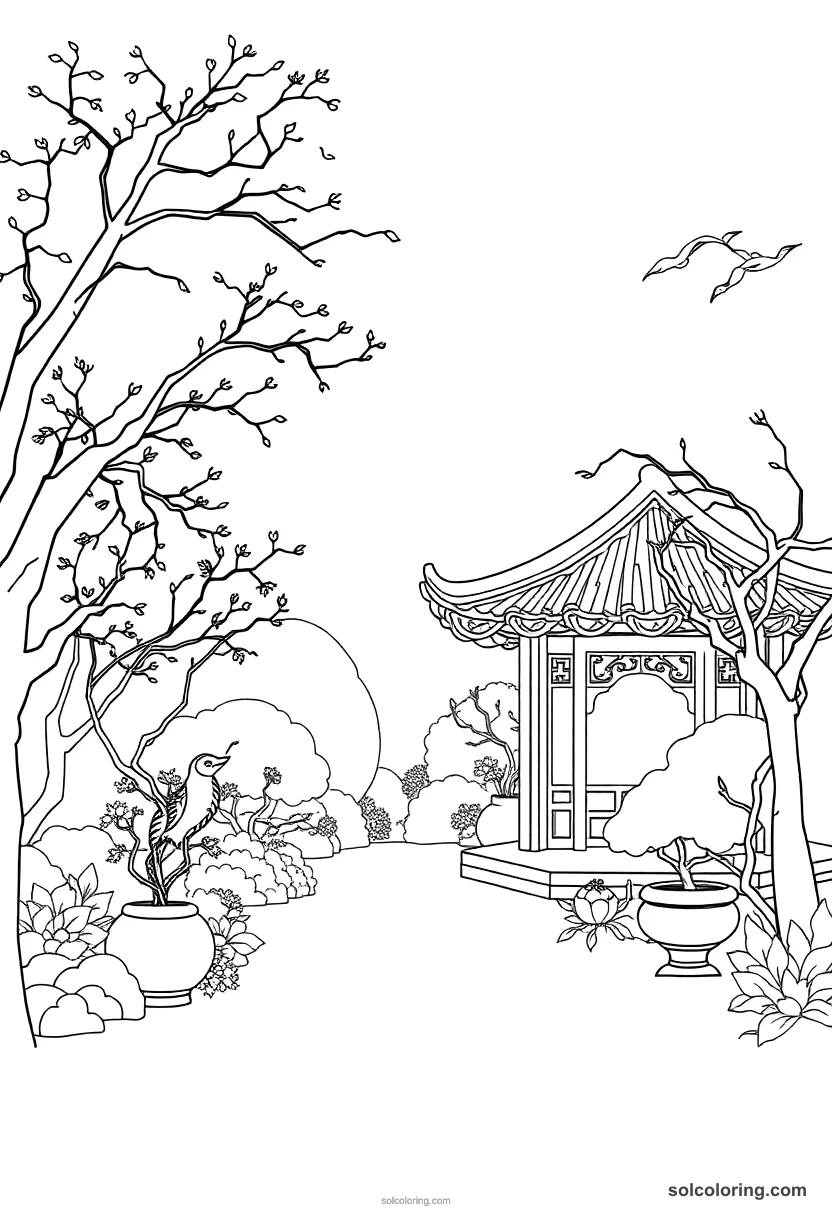
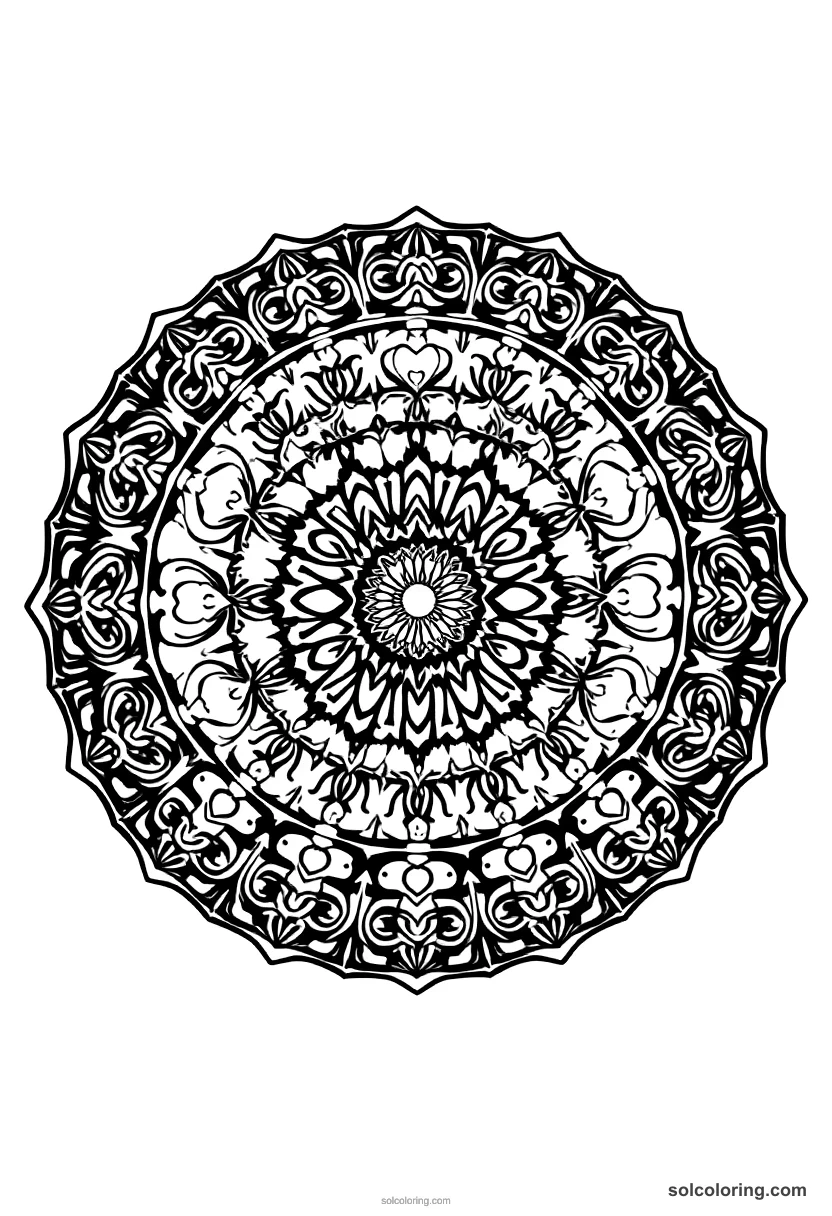
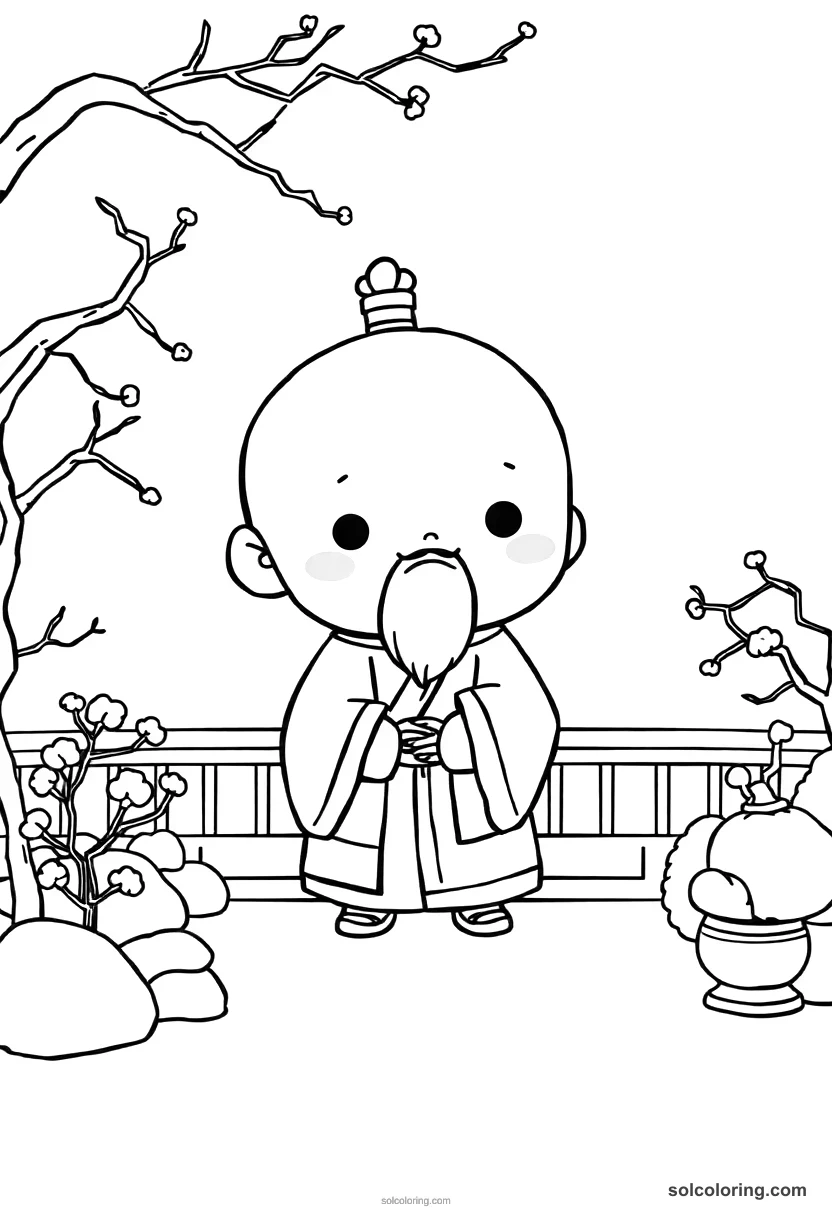
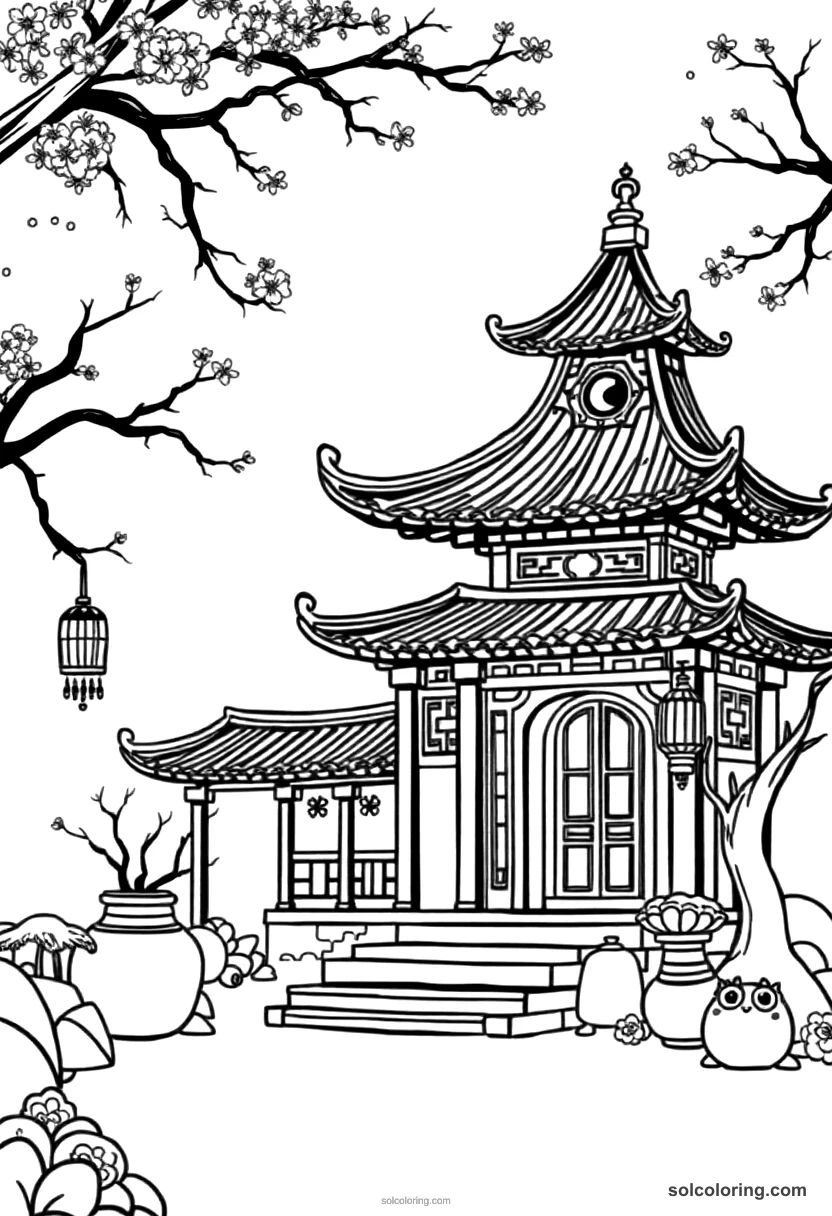
Step into the enchanting world of ancient China with our Tang Dynasty Poet's Garden coloring pages! The Tang Dynasty (618-907 CE) is considered the golden age of Chinese poetry, when brilliant writers like Li Bai and Du Fu created verses that are still beloved today. These poets often found inspiration in beautiful gardens filled with pavilions, bamboo groves, lotus ponds, and winding paths. Our free printable coloring page captures the serene atmosphere of these scholarly retreats, complete with traditional architecture, flowering trees, and peaceful water features. As you color these intricate scenes, you'll discover the magical spaces where some of history's greatest poems were born. This free printable coloring page offers a wonderful way to explore Chinese culture and history while developing artistic skills.
Read more →Read less ↑
Choose a style
Did you know?
Fun facts about Tang Dynasty Poet's Garden
Tang Dynasty poets had to pass poetry exams to get government jobs, making verse-writing an essential career skill.
Li Bai, the most famous Tang poet, was known for writing some of his best poems while drunk on wine.
Tang Dynasty gardens often included 'borrowed scenery,' incorporating distant mountains or temples into their design.
The Tang capital Chang'an had over one million residents, making it the world's largest city at the time.
Tang poets believed that garden rocks with interesting shapes could inspire better poetry and paid huge sums for perfect specimens.
About Tang Dynasty Poet's Garden
What made Tang Dynasty gardens so special for poets?
Tang Dynasty gardens were designed as perfect spaces for contemplation and creativity. They featured elements like moon gates, zigzag bridges, and carefully placed rocks that created harmonious scenes inspiring poetic thoughts and peaceful meditation.
Who were the most famous Tang Dynasty poets?
Li Bai and Du Fu are considered the greatest Tang poets. Li Bai was known for his romantic, wine-loving lifestyle and nature poetry, while Du Fu wrote about social issues and human suffering with deep compassion.
What plants were commonly found in Tang Dynasty poet gardens?
Popular plants included bamboo (symbolizing integrity), chrysanthemums (representing autumn), peonies (for honor), lotus flowers (for purity), and pine trees (for longevity). Each plant carried symbolic meaning that influenced the poetry written there.
How did Tang Dynasty gardens influence Chinese poetry?
Gardens provided poets with natural imagery and peaceful settings for writing. The four seasons, flowing water, blooming flowers, and architectural details became common themes in Tang poetry, creating a lasting connection between landscape and literature.
What architectural features were typical in Tang poet gardens?
Common features included curved-roof pavilions for writing, arched moon gates framing views, zigzag bridges over ponds, ornate rockeries, and covered walkways. These structures created intimate spaces perfect for contemplation and artistic creation.
Why was the Tang Dynasty called the golden age of Chinese poetry?
The Tang Dynasty produced over 50,000 surviving poems by 2,000+ poets. The government's poetry examinations, cultural prosperity, and imperial patronage created ideal conditions for literary achievement that has never been matched in Chinese history.
More Historical Eras Scenes coloring pages
Coloring page FAQs
Are these Tang Dynasty Poet's Garden coloring pages free?
Yes! All our Tang Dynasty Poet's Garden coloring pages are completely free to download and print. No payment or subscription required, just click and print.
What age are these Tang Dynasty Poet's Garden coloring pages for?
These pages are designed for ages 8-14, featuring detailed gardens and architecture that provide an engaging challenge while remaining age-appropriate for developing fine motor skills.
How do I print these Tang Dynasty Poet's Garden coloring pages?
Simply download the PDF and print on standard A4 or Letter paper using any home printer. No account creation or signup needed, just instant access.