
Historical Eras Scenes
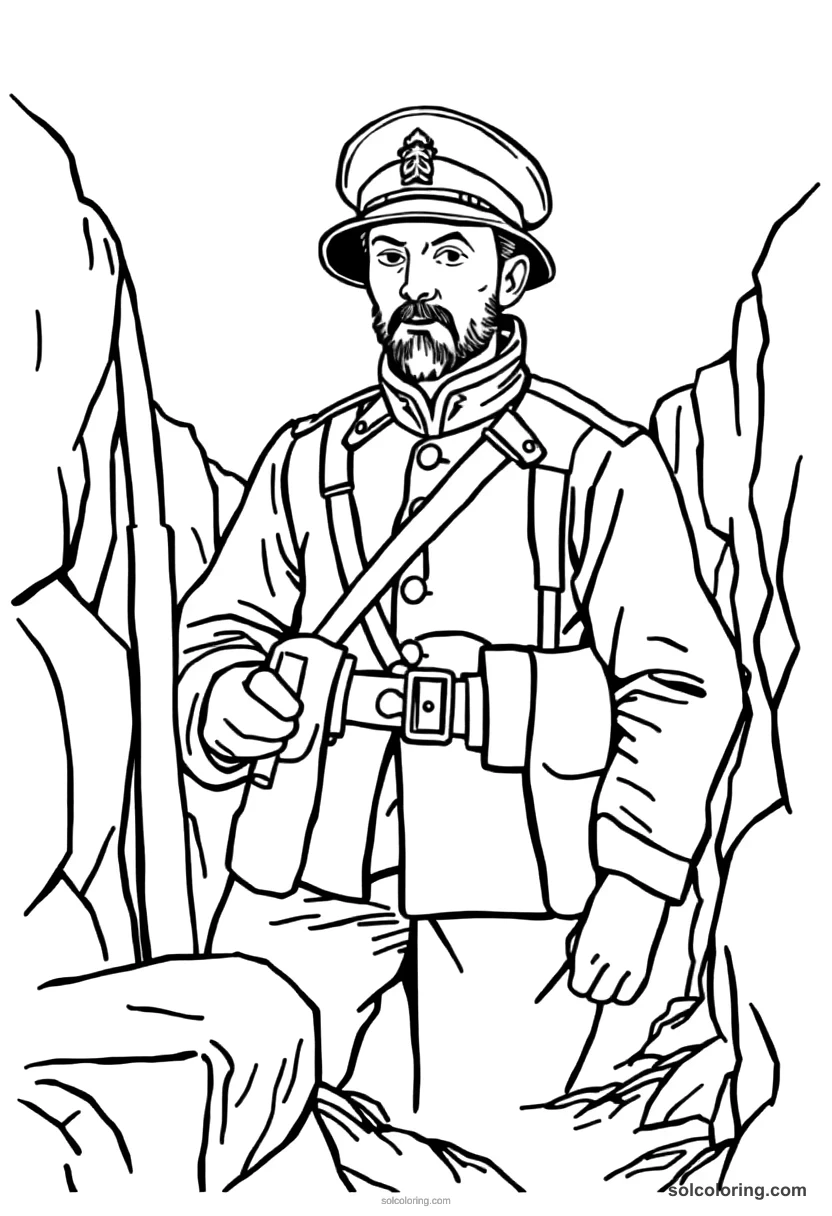
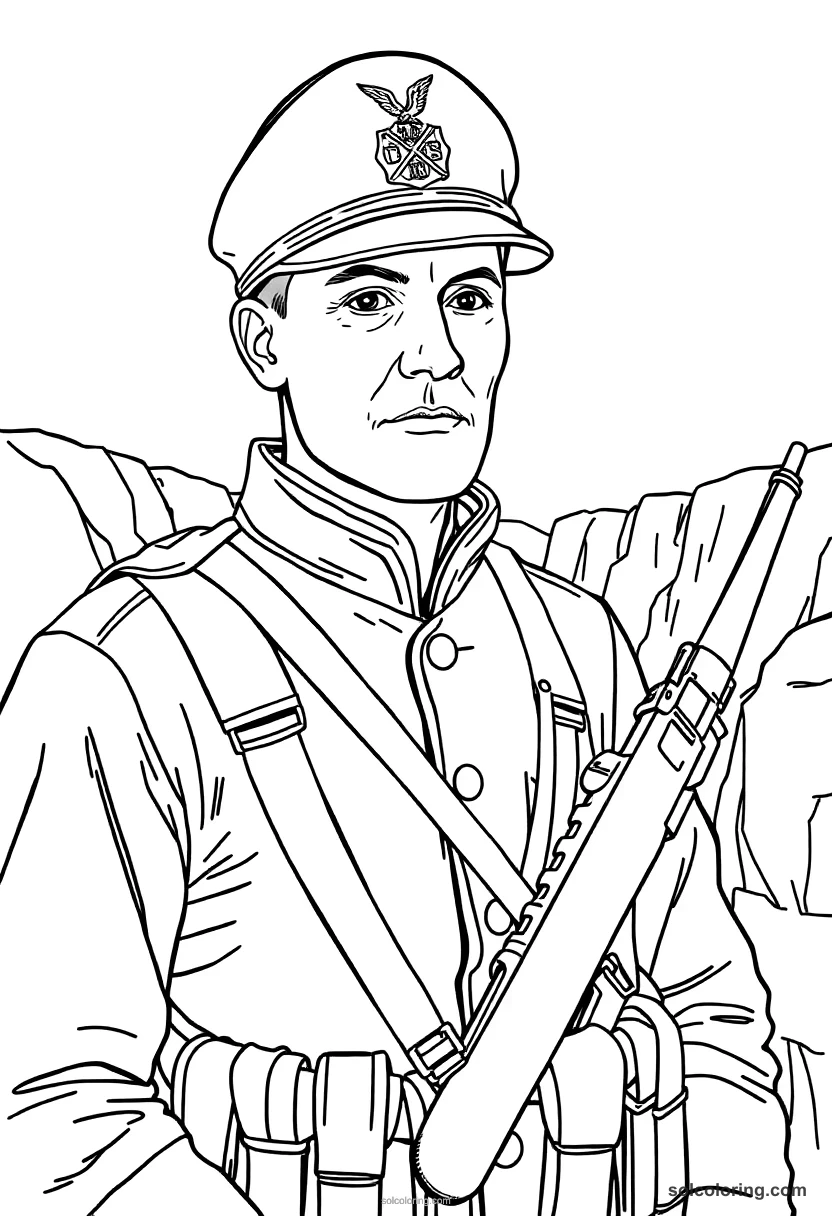
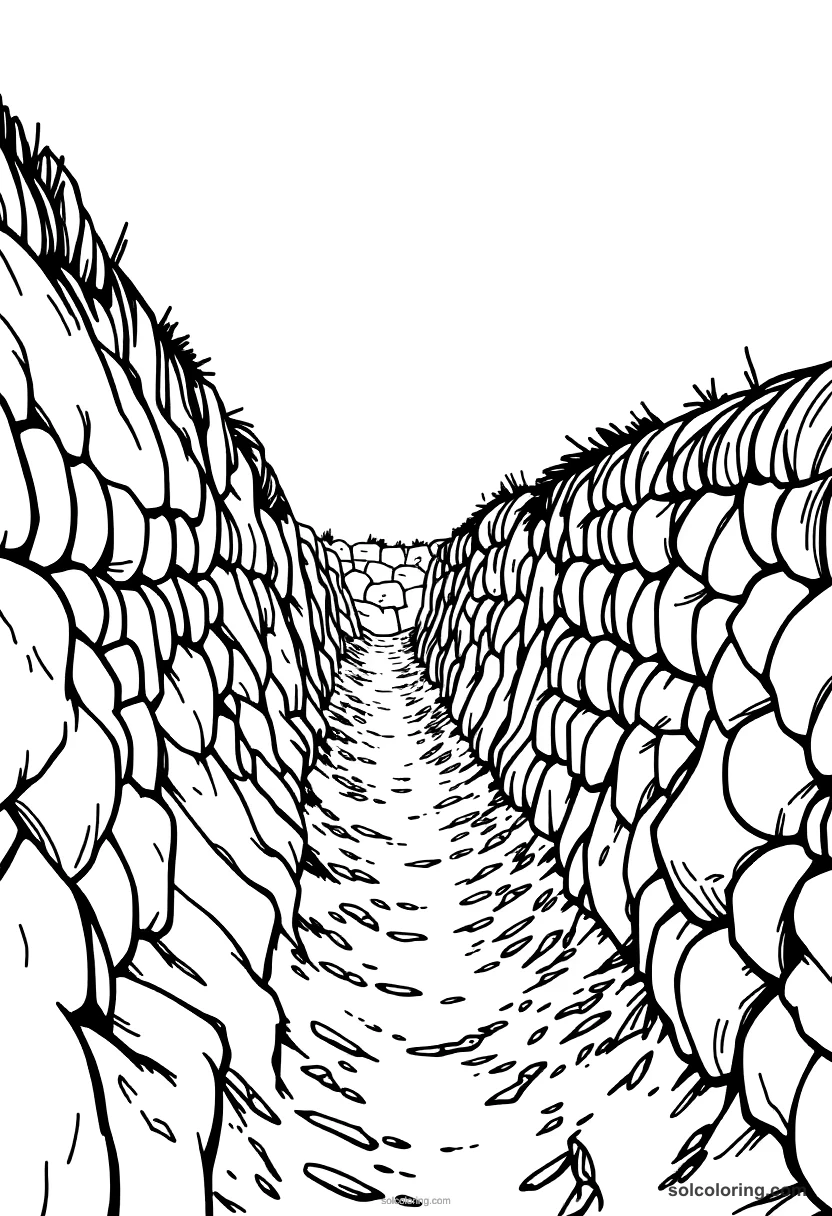
World War I Trenches Coloring Pages
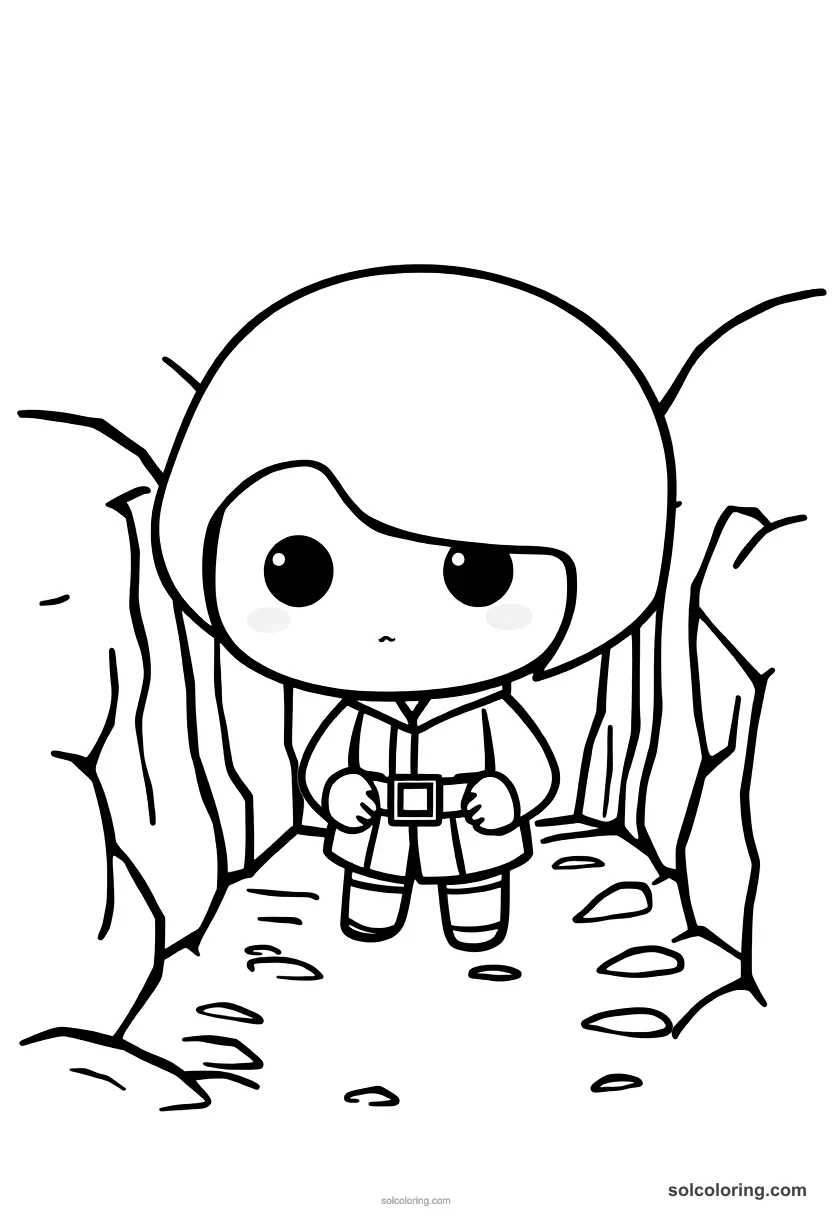
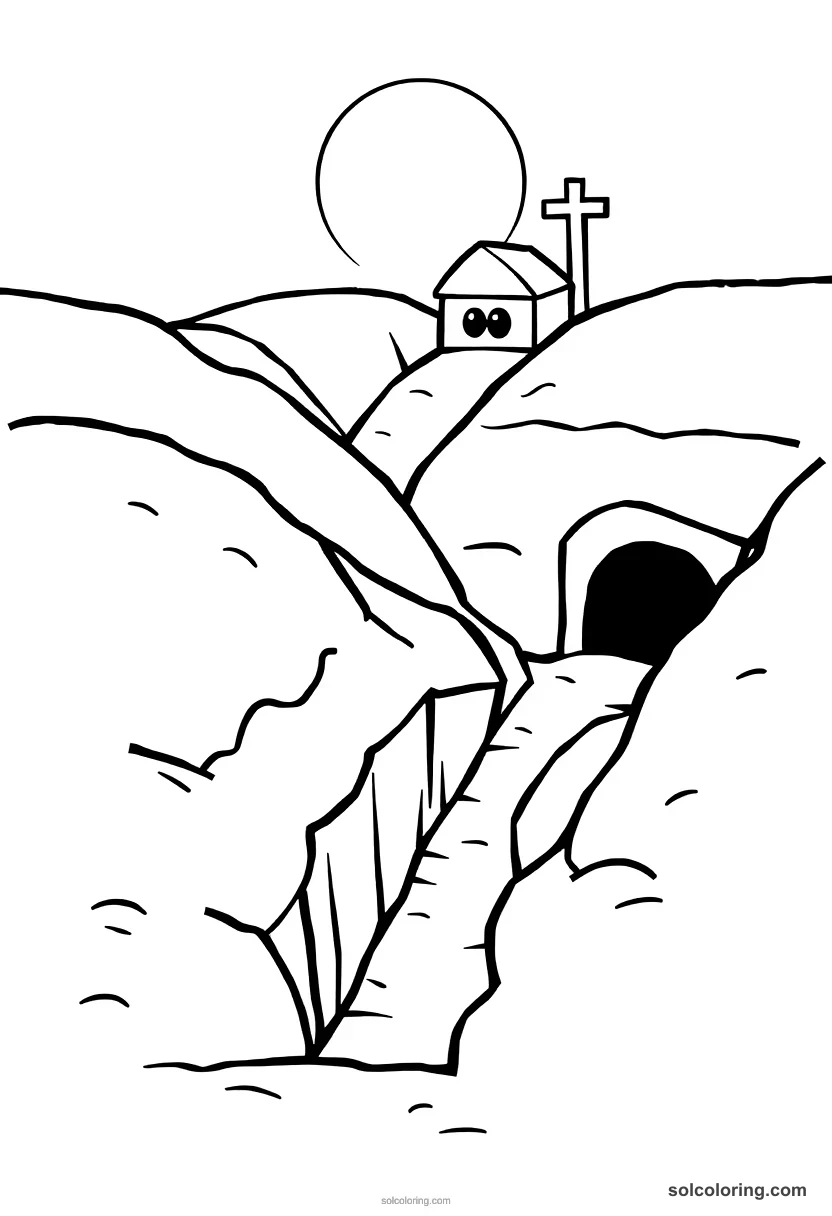
6 free printable designs including Realistic, Detailed, Simple, Mandala and more.
Step back in time to one of history's most challenging periods with our World War I Trenches coloring pages. These detailed scenes capture the underground world where millions of soldiers lived and fought between 1914 and 1918. From the zigzag patterns designed to prevent enemy fire from traveling straight down the line, to the complex network of communication trenches, dugouts, and defensive positions, these illustrations help bring this pivotal moment in history to life. Each free printable coloring page offers an opportunity to explore the engineering marvels and harsh realities of trench warfare while developing artistic skills. Perfect for history enthusiasts and curious minds alike, these coloring pages make learning about World War I both engaging and memorable.
Read more →Read less ↑
Choose a style
Did you know?
Fun facts about World War I Trenches
The network of Allied trenches on the Western Front stretched over 400 miles from the North Sea to Switzerland.
Some German dugouts were so elaborate they included wallpaper, furniture, and even pianos brought from abandoned houses.
Soldiers invented a new disease called 'trench foot' caused by standing in cold, wet conditions for weeks without changing socks.
The Christmas Truce of 1914 saw British and German soldiers leave their trenches to play football together in No Man's Land.
Rats in the trenches grew to the size of cats by feeding on food scraps and unfortunately, human remains.
About World War I Trenches
Why were trenches built in a zigzag pattern during World War I?
Trenches were built in zigzag patterns to prevent enemy soldiers from firing straight down the entire length if they captured a section. This design also limited blast damage from explosions and provided better defensive positions for soldiers.
How deep were World War I trenches?
Most World War I trenches were 6-8 feet deep, allowing soldiers to stand upright without being seen by enemy snipers. Some deeper sections reached 12 feet, providing extra protection from artillery shells.
What was No Man's Land in World War I?
No Man's Land was the deadly area between opposing trenches, typically 50-500 yards wide. It was filled with barbed wire, shell craters, and unexploded ammunition, making it extremely dangerous to cross during attacks.
How long did soldiers stay in the trenches?
Soldiers typically spent 4-6 days in front-line trenches before rotating to support trenches or rest areas. This rotation system helped prevent complete exhaustion and maintained fighting effectiveness despite the harsh conditions.
What were communication trenches used for?
Communication trenches connected front-line trenches to supply areas and headquarters. They allowed soldiers to move safely without exposing themselves to enemy fire while delivering messages, food, ammunition, and medical supplies.
What were dugouts in World War I trenches?
Dugouts were underground shelters carved into trench walls where soldiers slept, stored supplies, and took cover during bombardments. German dugouts were often 30 feet deep with concrete reinforcement and electricity.
More Historical Eras Scenes coloring pages
Coloring page FAQs
Are these World War I Trenches coloring pages free?
Yes, all our World War I Trenches coloring pages are completely free to download and print. No payment or subscription required.
What age are these World War I Trenches coloring pages for?
These coloring pages are designed for ages 8-14, featuring detailed historical scenes that provide educational value while being age-appropriate.
How do I print these World War I Trenches coloring pages?
Simply download the PDF files and print them on standard A4 or Letter paper using any home printer. No signup required.