Historical
Viking Mandala Coloring Pages
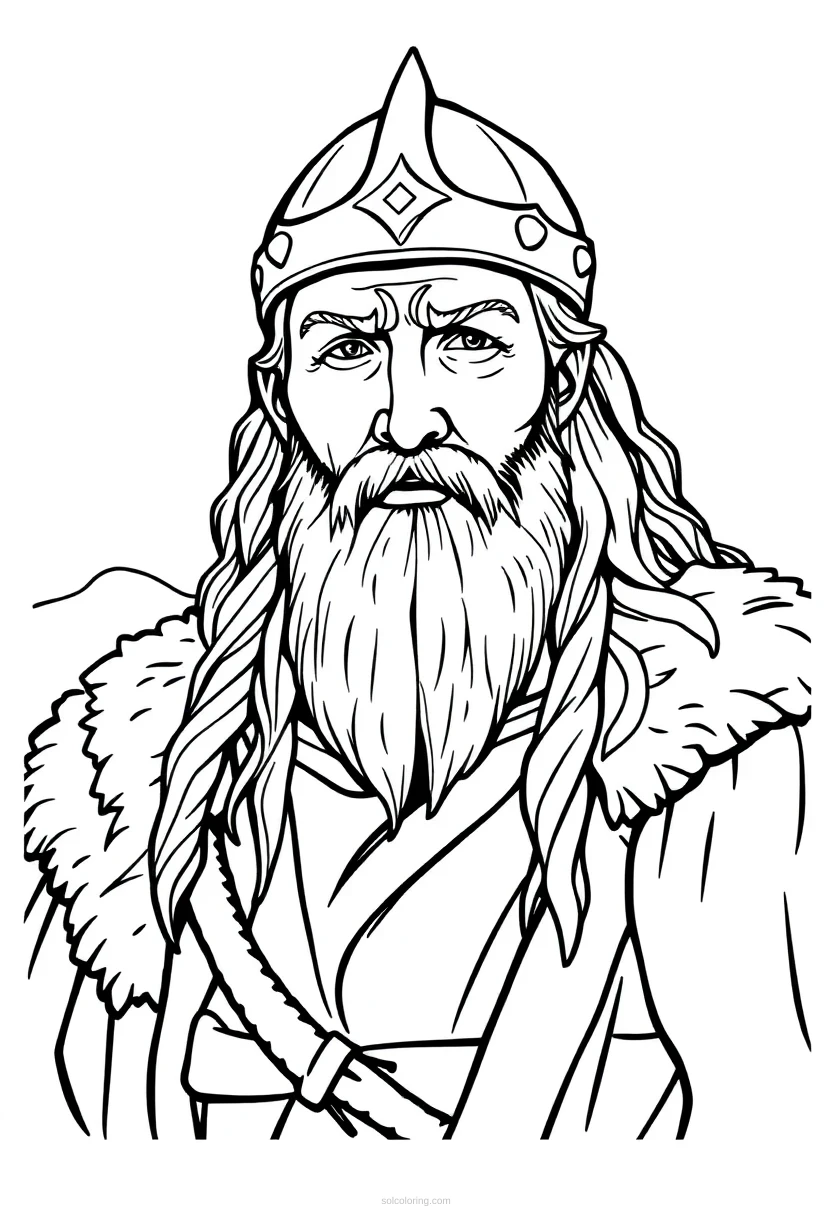
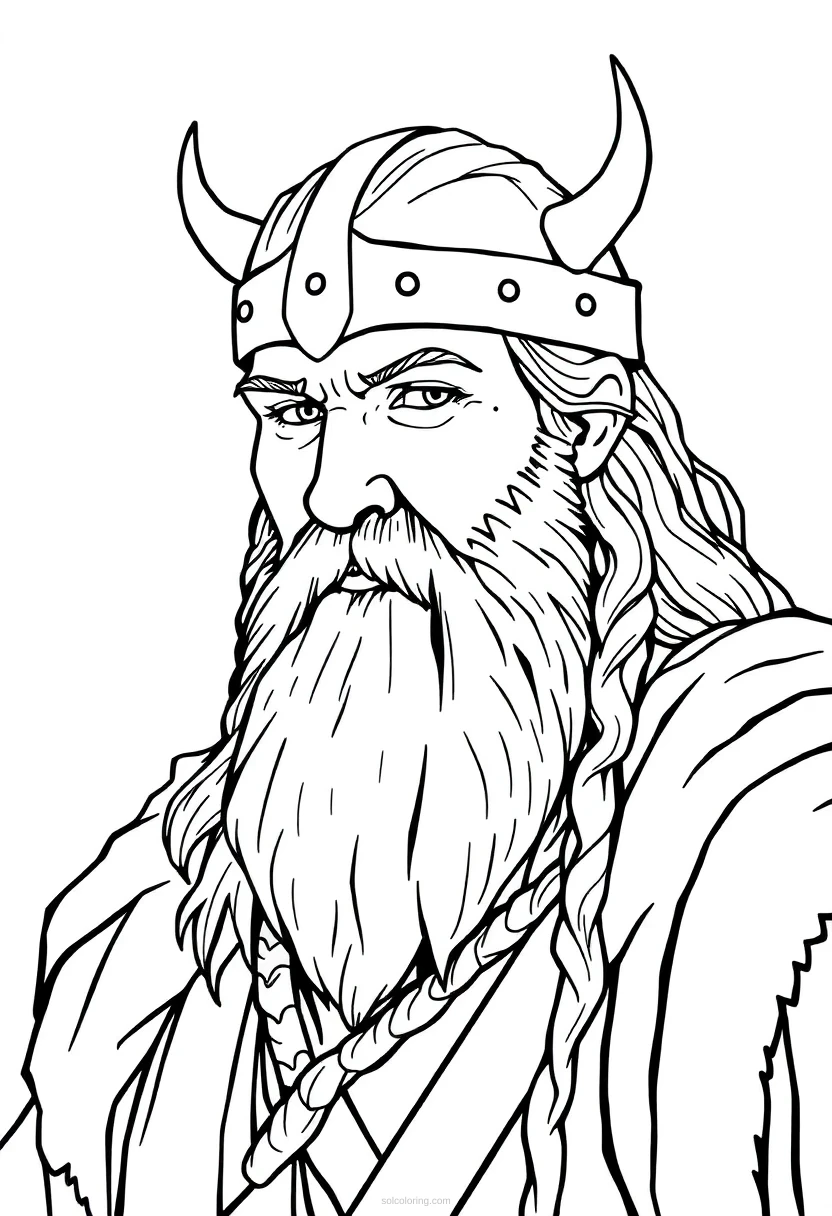
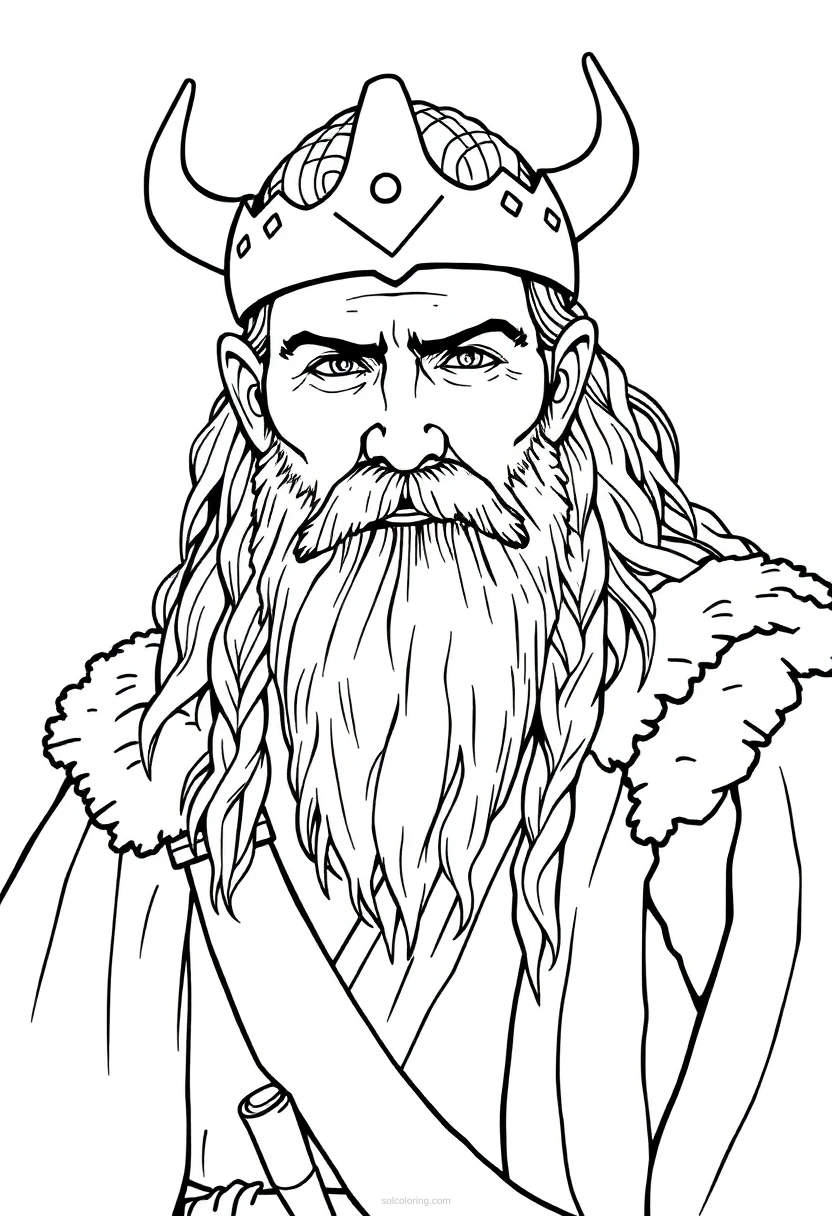
6 free printable designs including Standard, Standard, Standard, Standard and more.
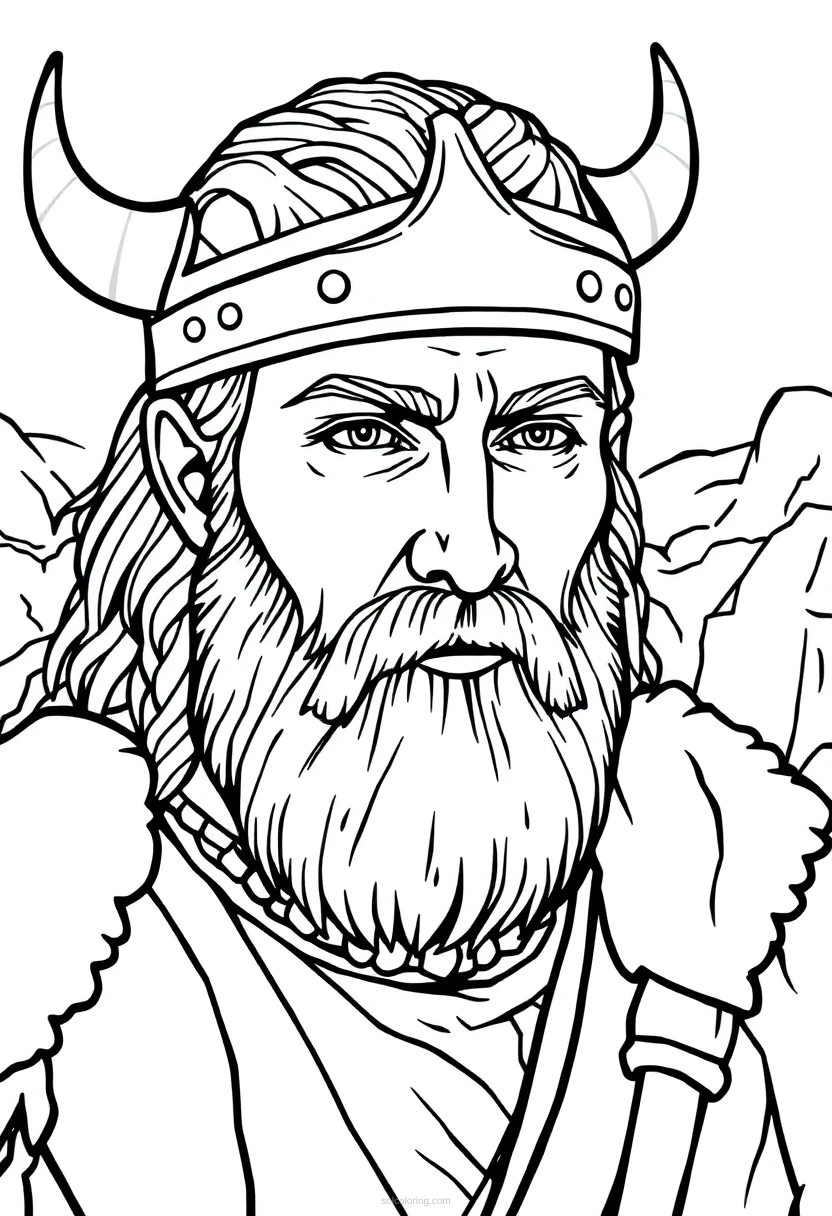
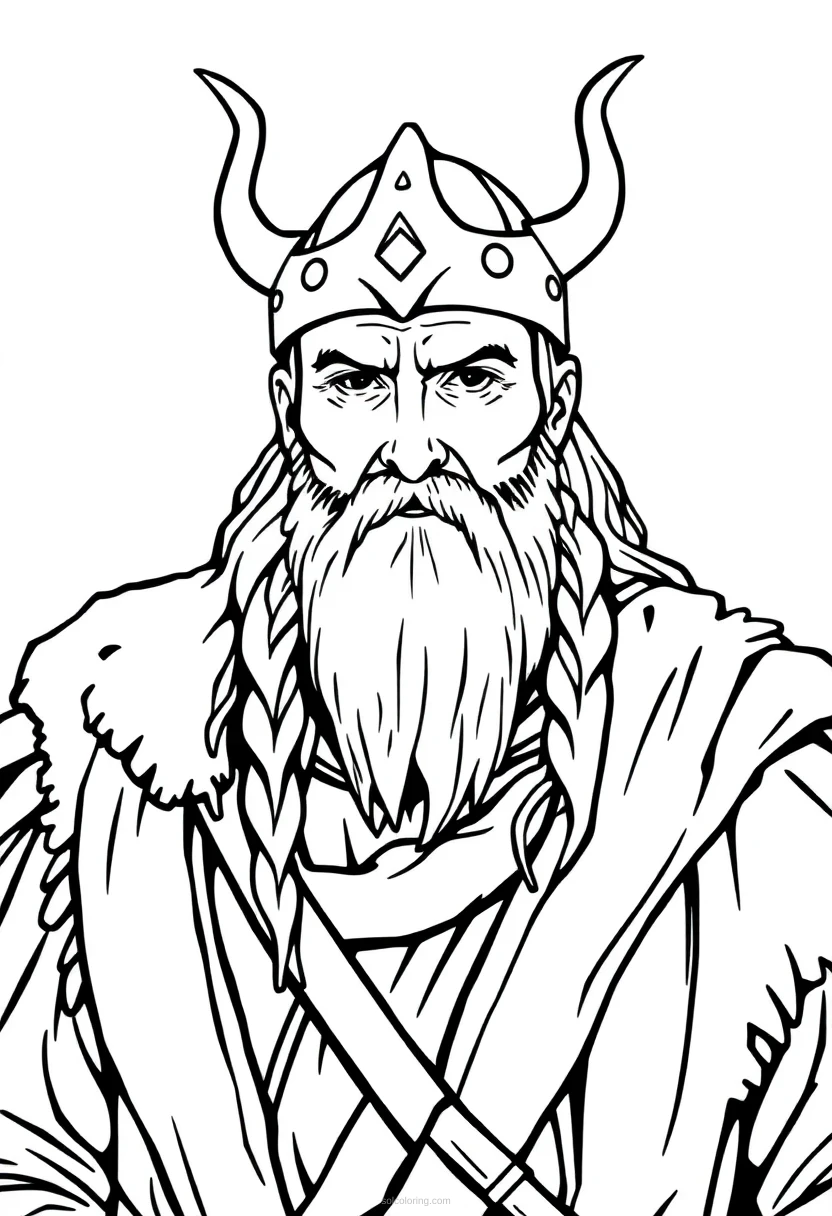
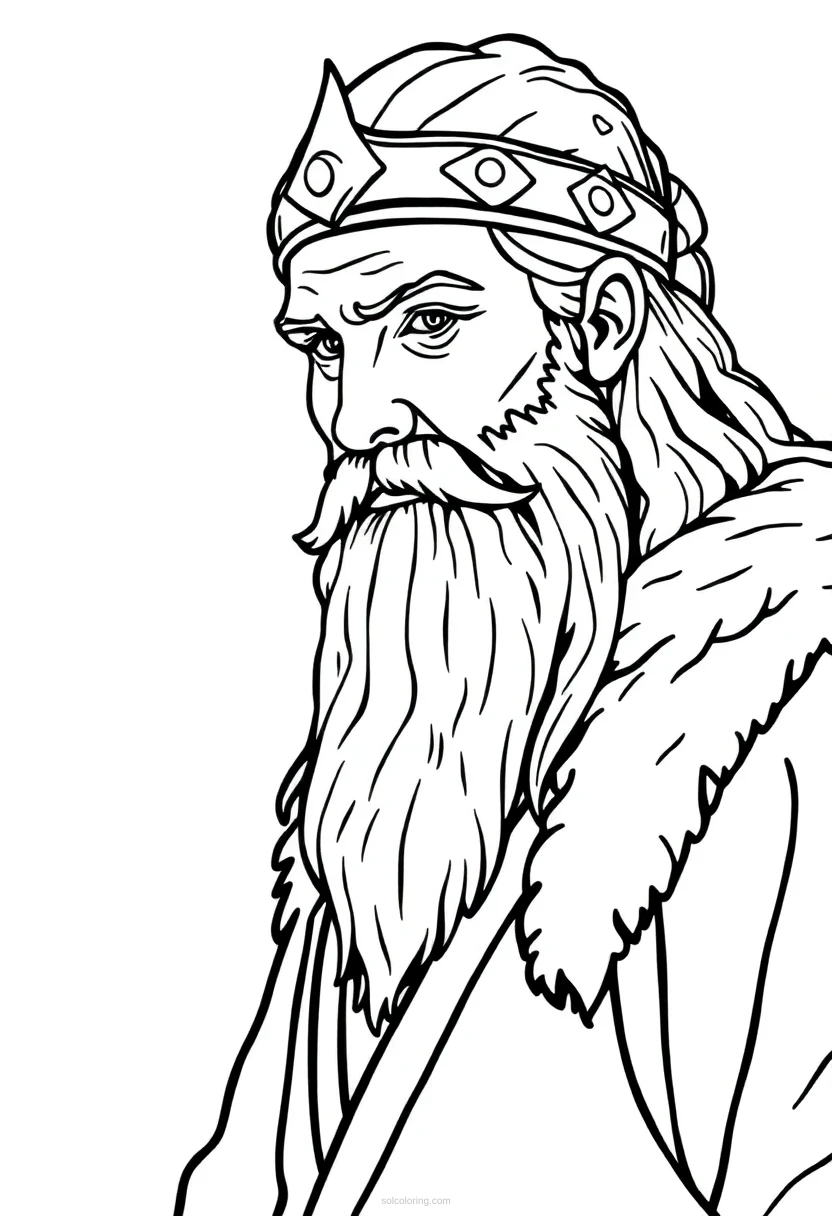
Viking Mandalas blend two fascinating worlds: the intricate geometric patterns of mandalas with the bold, adventurous spirit of Norse culture. Vikings were legendary seafarers and warriors from Scandinavia who shaped medieval Europe through exploration and trade. While Vikings didn't traditionally create mandalas, this creative fusion honors their artistic heritage through complex, symmetrical designs inspired by Viking symbols, runes, and mythology. Our free printable coloring page lets you explore this unique combination while learning about Viking culture. Download your free printable coloring page today and discover the beauty of blending historical inspiration with meditative art.
Read more →Read less ↑
Choose a style
Did you know?
Fun facts about Viking Mandala
Vikings took regular baths and practiced excellent hygiene for their time, bathing weekly (more than most medieval Europeans) and grooming their beards with special care.
The word 'Viking' originally meant 'pirate voyage' in Old Norse, not a nationality or ethnic group, and only a small percentage of Scandinavians were actually Vikings.
Viking women could own property, divorce their husbands, and run households independently, giving them more legal rights than many women in medieval Europe.
Vikings used a 360-day calendar divided into 12 months and relied heavily on astronomical observations and natural signs to navigate across open oceans without compasses.
The famous Viking horned helmets are actually a Hollywood invention; archaeological evidence shows Vikings wore practical helmets made of iron or leather without horns.
About Viking Mandala
What symbols did Vikings use in their art and design?
Vikings incorporated powerful symbols like the Vegvisir (wayfinding compass), Thor's hammer (Mjolnir), and intricate knotwork patterns. These designs appeared on jewelry, weapons, and buildings. The Vegvisir was believed to guide travelers safely through harsh weather. Viking art often combined geometric patterns with animal motifs, creating distinctive visual styles that reflected their beliefs and values.
How did Vikings travel and explore so far from home?
Vikings built advanced longships designed for both ocean travel and river navigation. These vessels featured shallow drafts allowing them to sail inland and beach easily. Vikings traveled from Scandinavia to North America, the Mediterranean, and deep into Russia between 793 and 1066 CE. Their superior shipbuilding and navigation skills made them unmatched explorers of their era.
What was daily life like for Vikings?
Most Vikings were farmers, fishermen, and craftspeople rather than pirates. They lived in communities centered around farming, animal herding, and trade. Families lived together in longhouses that sheltered multiple generations. Women held significant roles managing households and farms. Vikings valued craftsmanship, creating beautiful jewelry, weapons, and textiles with intricate designs and techniques.
What role did mythology play in Viking culture?
Norse mythology was central to Viking beliefs and daily life. Vikings worshipped gods like Odin, Thor, and Freya, believing they influenced everything from war to agriculture. Stories of Valhalla and Ragnarok shaped how Vikings viewed honor, death, and destiny. These mythological themes inspired their art, symbols, and the famous Viking runes used for writing and spiritual purposes.
Why did Vikings leave Scandinavia and explore new lands?
Several factors motivated Viking exploration: population pressure in Scandinavia, desire for trade and wealth, political conflicts at home, and the challenge of adventure itself. Vikings discovered that their advanced ships could reach distant shores. They established trade routes, founded settlements like in Iceland and Greenland, and even briefly reached North America around 1000 CE.
How has Viking culture influenced modern society?
Viking heritage influences modern culture through language, literature, and values. Many English words derive from Old Norse. Viking sagas inspire contemporary books, films, and video games. Their emphasis on craftsmanship appears in modern design and art. Historical reenactments and Viking festivals keep their traditions alive, while their exploration spirit continues inspiring modern adventurers and maritime technology.
More Historical coloring pages
Coloring page FAQs
Are these Viking Mandala coloring pages free?
Yes, all our Viking Mandala coloring pages are completely free to download and print. Simply visit Sol Coloring, select your design, and print it instantly on standard A4 or Letter paper. No registration, subscription, or payment required. You can use them as many times as you like.
What age are these Viking Mandala coloring pages for?
Our Viking Mandala coloring pages are designed for kids and adults aged 8 to 14, with varying complexity levels. Younger colorers can enjoy simpler designs, while older children appreciate the detailed patterns. The historical theme adds educational value, making these pages both fun and informative for this age range.
How do I print these Viking Mandala coloring pages?
Printing is simple and requires no special software. Download the PDF, open it in your browser or PDF reader, and click print. Select your paper size (A4 or Letter), choose color or black-and-white, and hit print. Works with any home printer. No account or signup needed.