Warriors
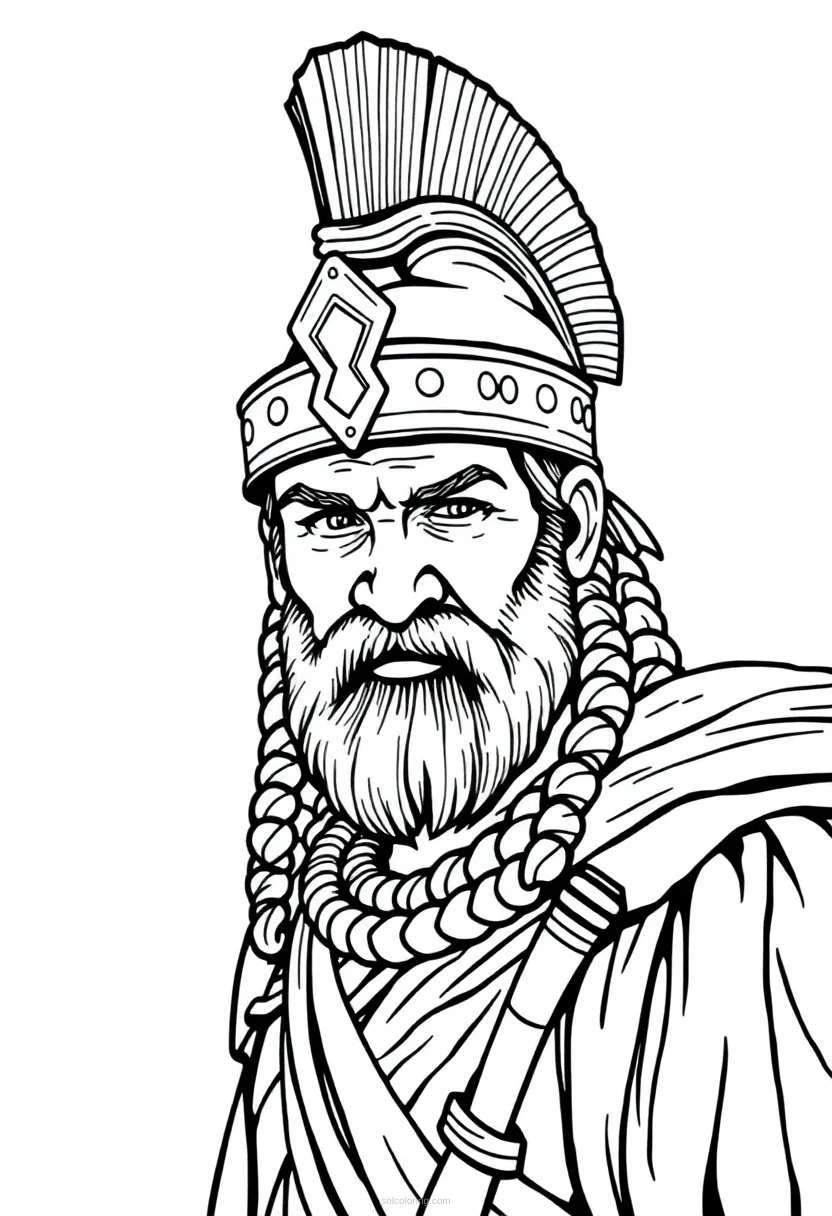
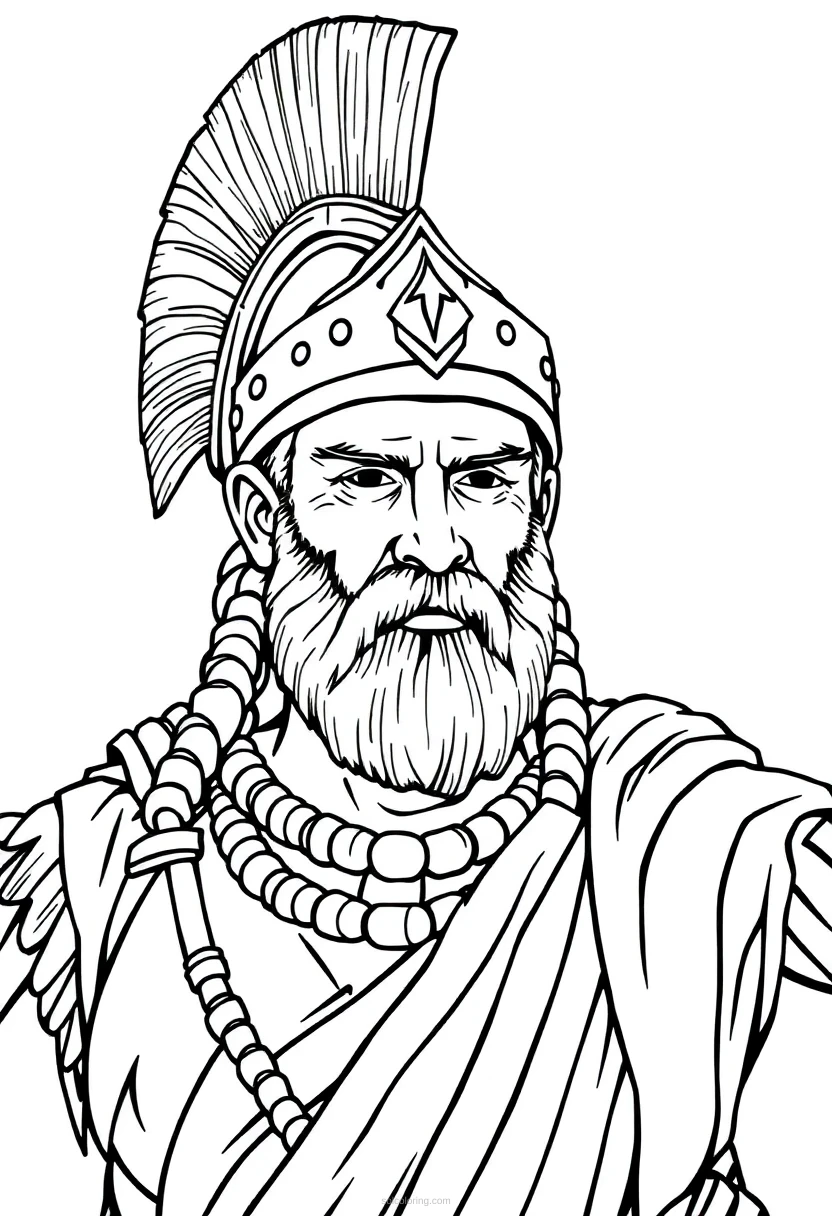
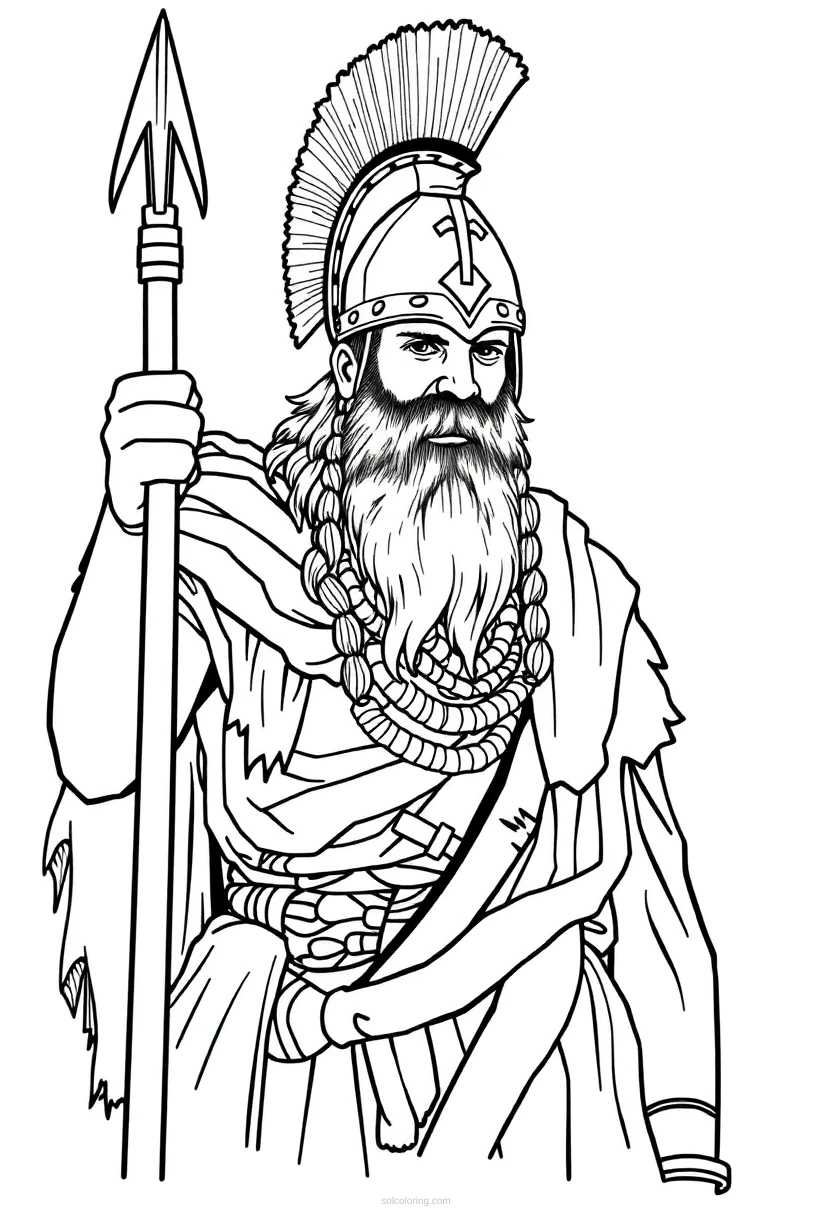
Gaul Warrior Chieftain Coloring Pages
6 free printable designs including Standard, Standard, Standard, Standard and more.
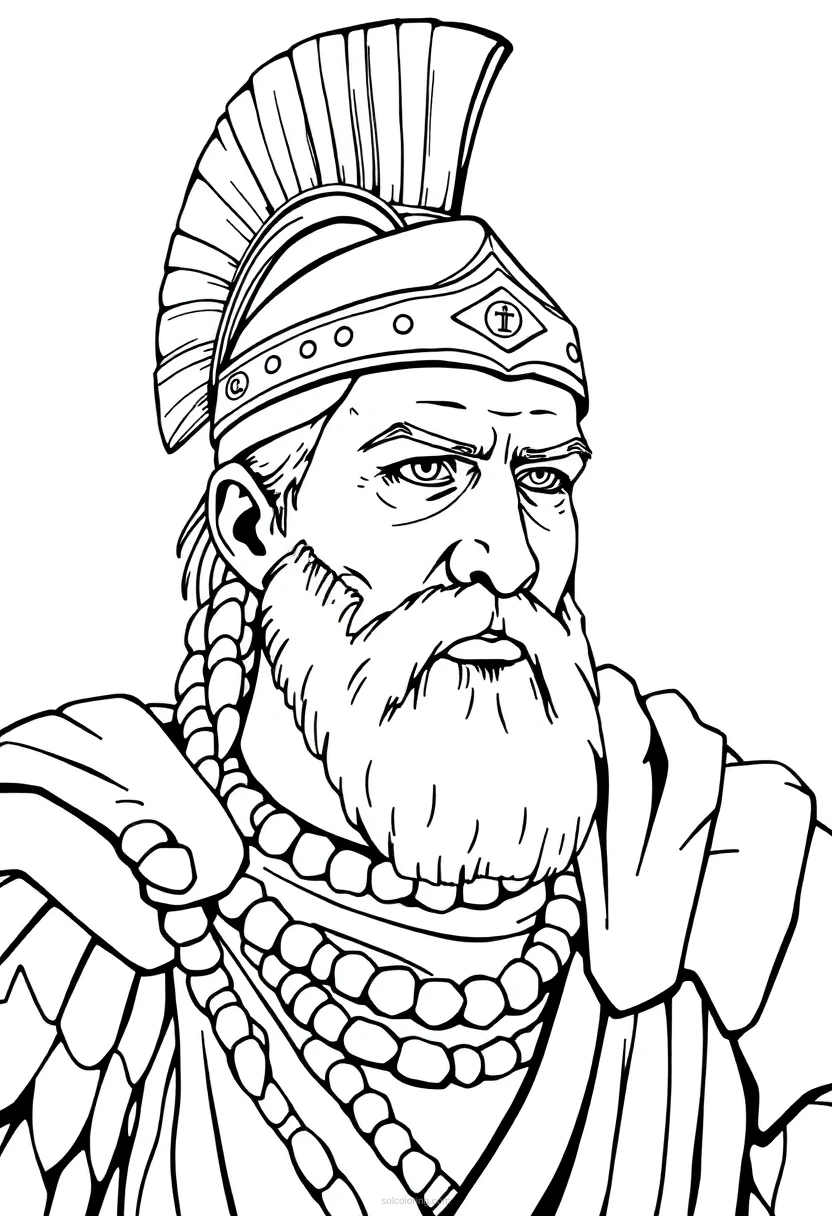
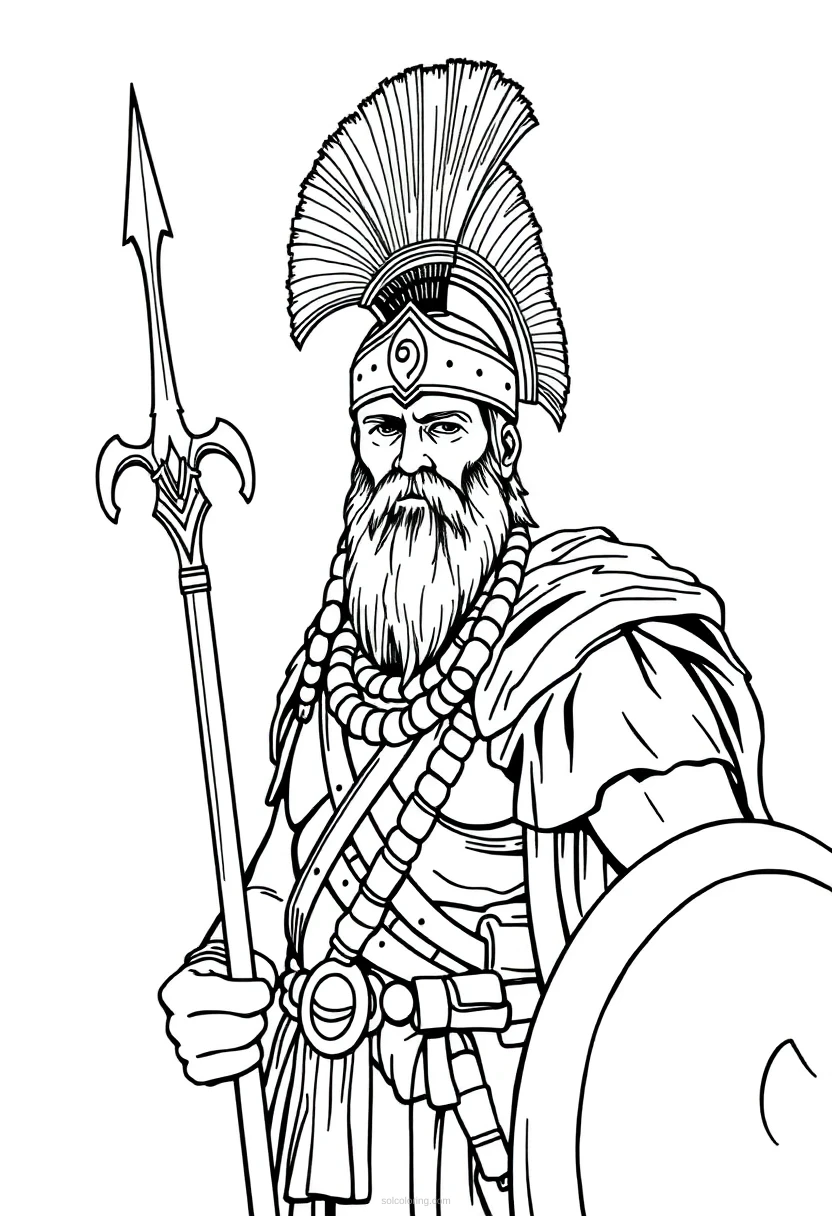
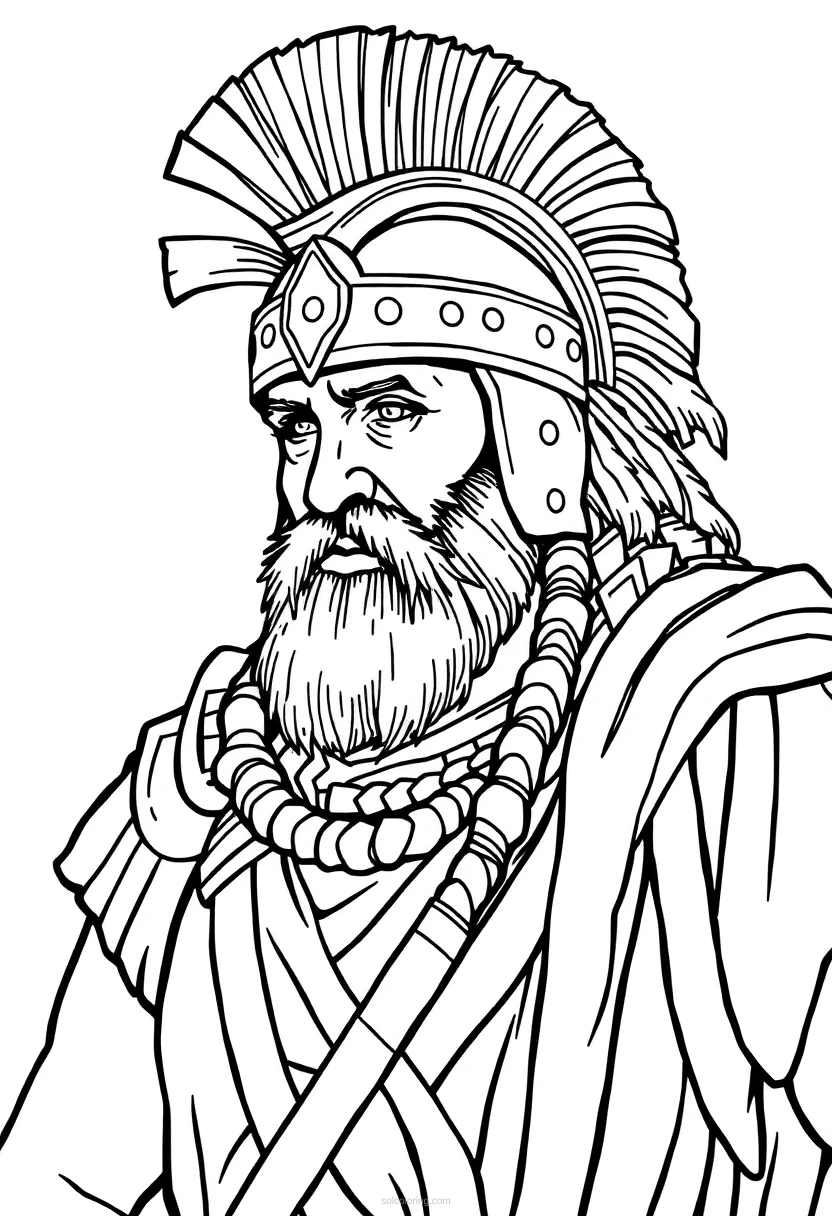
Step back in time with our free printable coloring page featuring a Gaul Warrior Chieftain, a powerful leader from ancient Celtic tribes in what is now France. These fierce warriors commanded respect through their courage, tactical skill, and distinctive appearance. Gaul warrior chieftains wore ornate armor, carried impressive weapons, and led their people through times of great conflict, especially during battles against Roman forces. Coloring these historical figures helps you connect with an ancient civilization known for their strength and independence. Our free printable coloring page captures the bold spirit of these legendary leaders, perfect for history enthusiasts of all ages.
Read more →Read less ↑
Choose a style
Did you know?
Fun facts about Gaul Warrior Chieftain
Gaul warrior chieftains sometimes wore helmets with real or decorative horns and wings, making them instantly recognizable on the battlefield and striking fear into enemies.
Vercingetorix united over sixty different Gallic tribes against Caesar, a remarkable achievement since Celtic tribes frequently fought each other rather than cooperating.
Gaul warriors practiced a ritual called 'single combat' where chieftains would sometimes challenge enemy leaders to individual duels to settle disputes or prove superiority.
Celtic chieftains valued personal adornment so highly that they sometimes wore golden torcs (twisted metal necklaces) worth a fortune as symbols of their noble status.
The word 'Gaul' comes from the Roman name for the Celtic people living in what is now France, Belgium, and parts of Switzerland and Germany.
About Gaul Warrior Chieftain
Who were the most famous Gaul warrior chieftains in history?
Vercingetorix is the most celebrated Gaul chieftain, leading a unified Celtic revolt against Julius Caesar around 52 BCE. Though ultimately defeated at Alesia, his courage made him a legendary symbol of Gallic resistance. Other notable chieftains included Ambiorix and Dumnorix, who also challenged Roman expansion into Celtic territories with impressive military tactics.
What weapons and armor did Gaul warrior chieftains use?
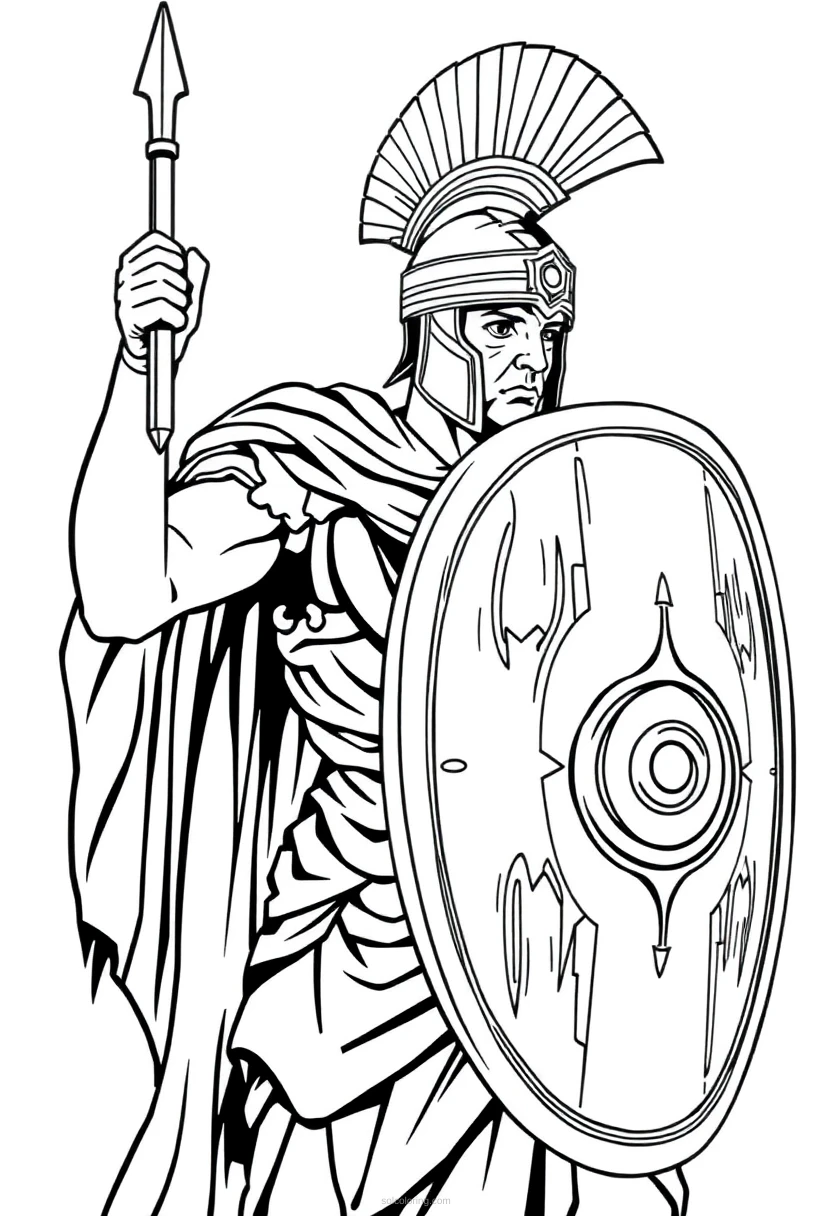
Gaul chieftains wielded long iron swords, spears, and sometimes battle-axes. They wore chainmail armor, metal helmets with distinctive crests or horns, and bronze shields decorated with Celtic symbols. Their weapons were crafted by skilled blacksmiths and often featured intricate designs that displayed their status and wealth as leaders.
How did Gaul chieftains gain and maintain their power?
Gaul chieftains earned leadership through military prowess, combat victories, and the loyalty of their warriors. They maintained power by demonstrating courage in battle, distributing spoils and treasure to followers, and making wise decisions about alliances and conflicts. Social status came from martial skill and the ability to protect their tribe's interests and resources.
What was daily life like for a Gaul warrior chieftain?
Gaul chieftains lived in hillforts or oppida, fortified settlements serving as tribal centers. They spent time training warriors, hosting feasts, settling disputes, and planning military campaigns. Feasts were important social events where chieftains demonstrated generosity and kept warriors loyal. They also managed trade, agriculture, and religious ceremonies within their communities.
How did Roman conquest change Gaul warrior culture?
Caesar's conquest of Gaul (58 to 50 BCE) dramatically transformed Celtic warrior society. After defeat, many chieftains lost their independence and lands. Some adapted by serving Rome as auxiliary commanders, while others preserved tribal identity in remote regions. This conquest marked the end of independent Gallic kingdoms and the beginning of Roman integration into Celtic territories.
What made Gaul warriors different from other ancient warrior cultures?
Gaul warriors were known for their fierceness, height, and distinctive appearance, including often-long hair and colorful clothing. Unlike disciplined Roman legions, they relied on individual combat skill and passionate charges. Gaul chieftains valued personal honor in battle and often fought hand-to-hand with enemies. Their iron weapons and chainmail were technologically advanced for their time.
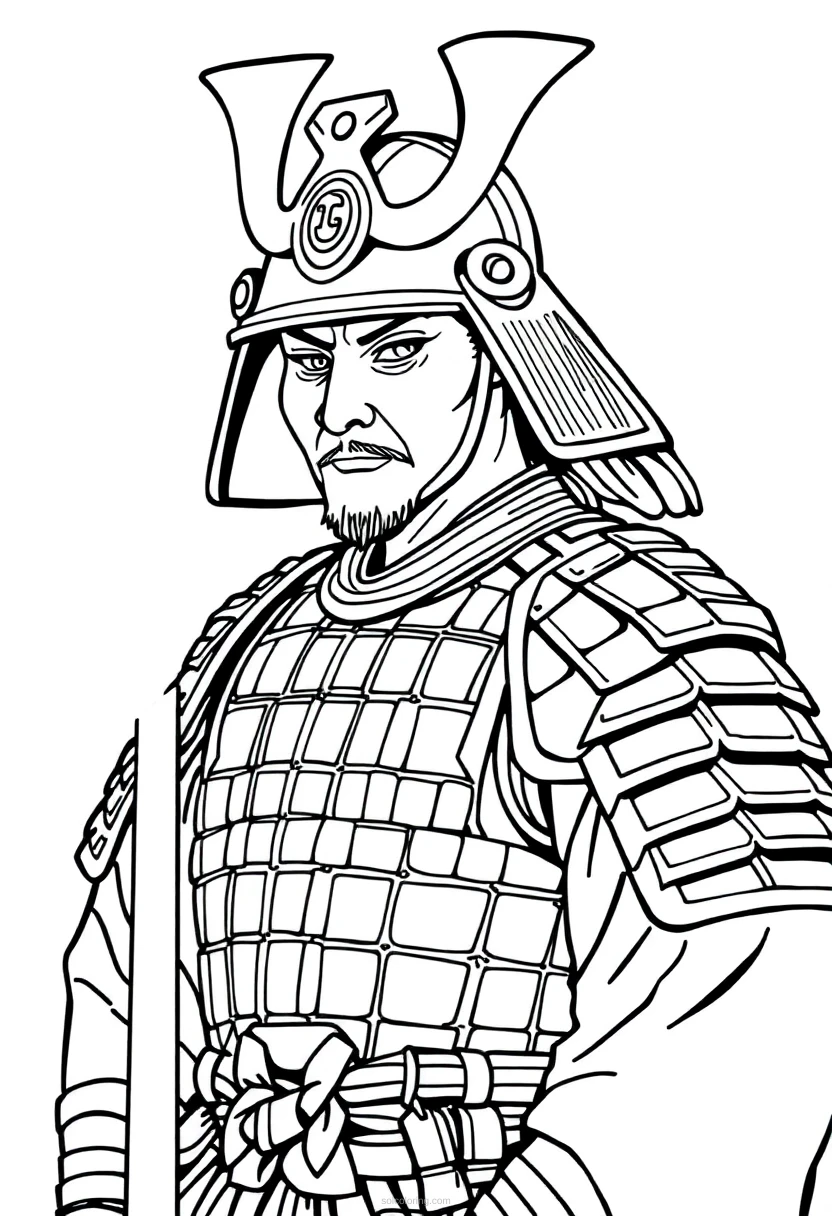
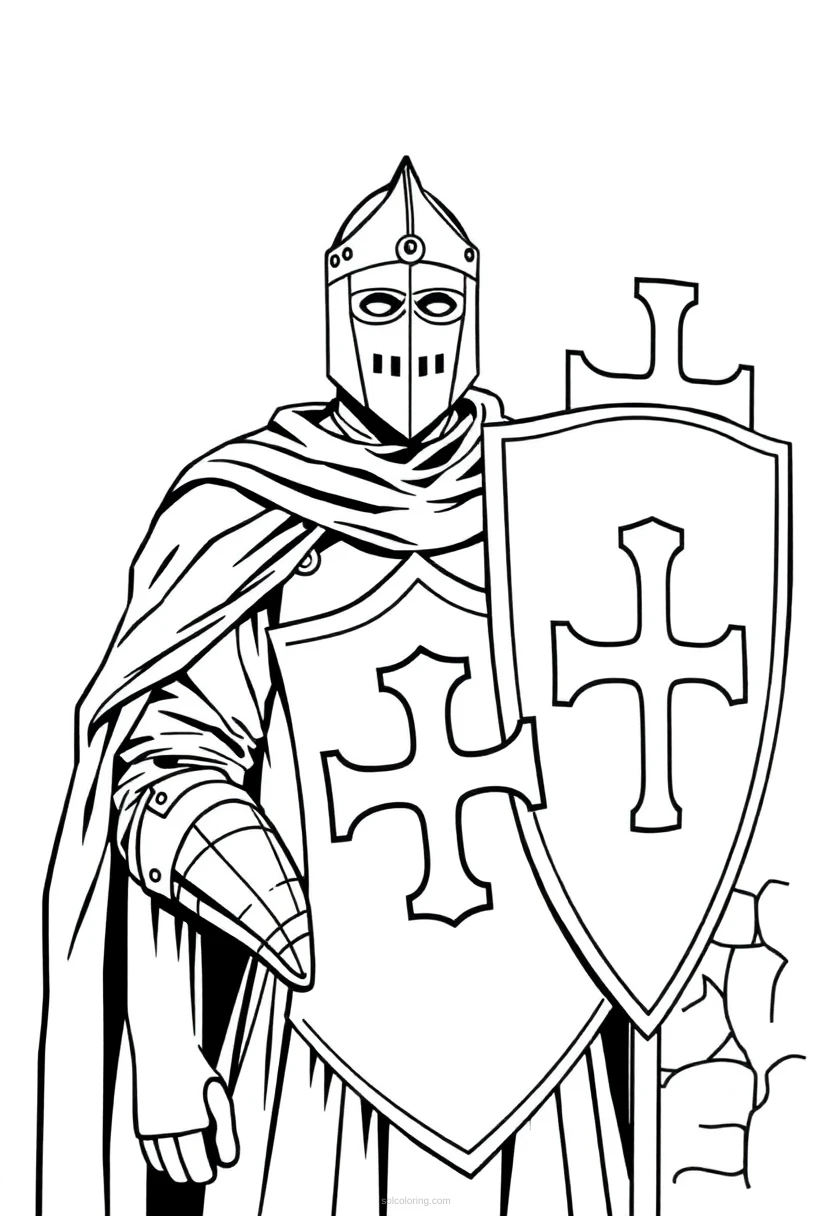
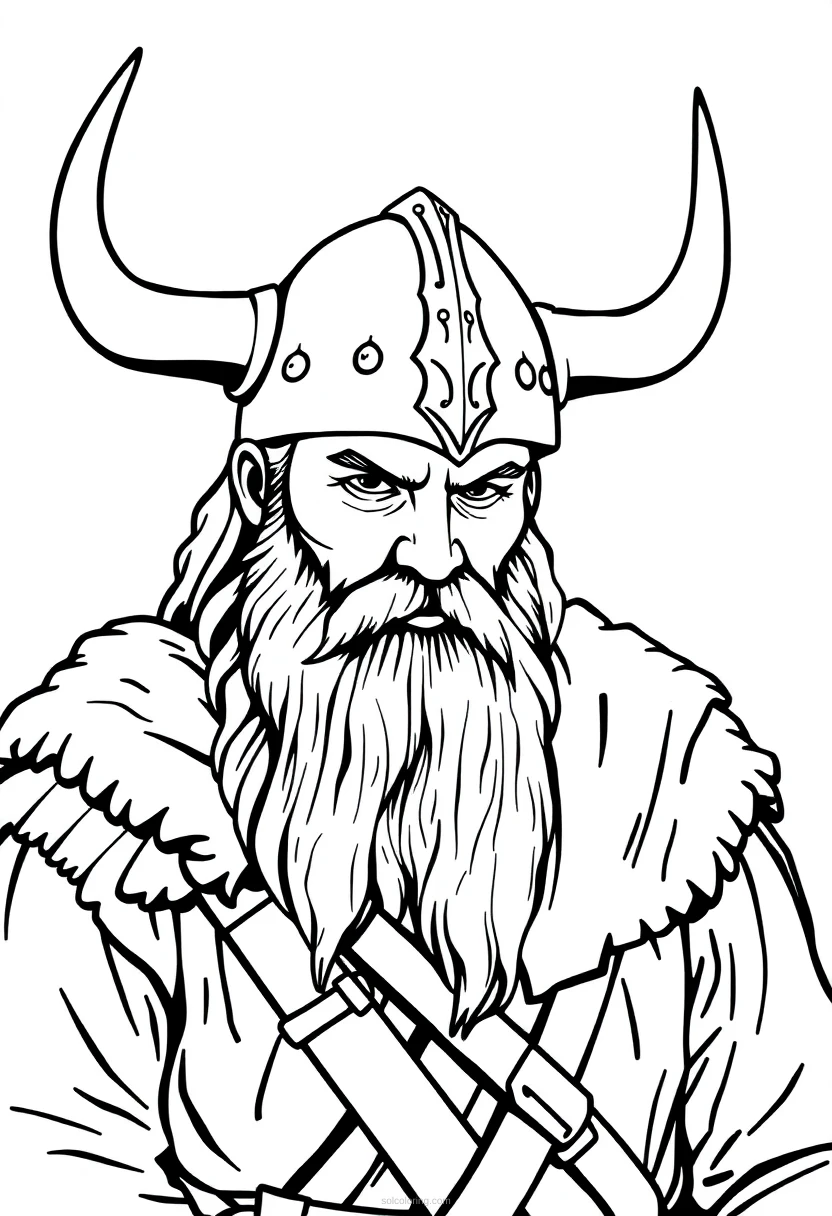
More Warriors coloring pages
Coloring page FAQs
Are these Gaul Warrior Chieftain coloring pages free?
Yes! All our Gaul Warrior Chieftain coloring pages are completely free to download and print. Simply visit Sol Coloring, select your favorite design, and print it directly from your browser. No signup, registration, or payment required. You can print as many copies as you like for personal or educational use.
What age are these Gaul Warrior Chieftain coloring pages for?
Our Gaul Warrior Chieftain coloring pages are designed for kids and adults aged 8 to 14. They feature moderate detail levels that challenge developing artists while remaining fun and achievable. Younger colorers can enjoy simple areas, while older kids appreciate the intricate armor and historical details.
How do I print these Gaul Warrior Chieftain coloring pages?
Printing is simple and fast. Download your chosen Gaul Warrior Chieftain coloring page in standard A4 or Letter format. Open the PDF on your device, click print, and select your printer. Most home printers work perfectly. No special software or technical skills needed.