
World Leaders Rulers
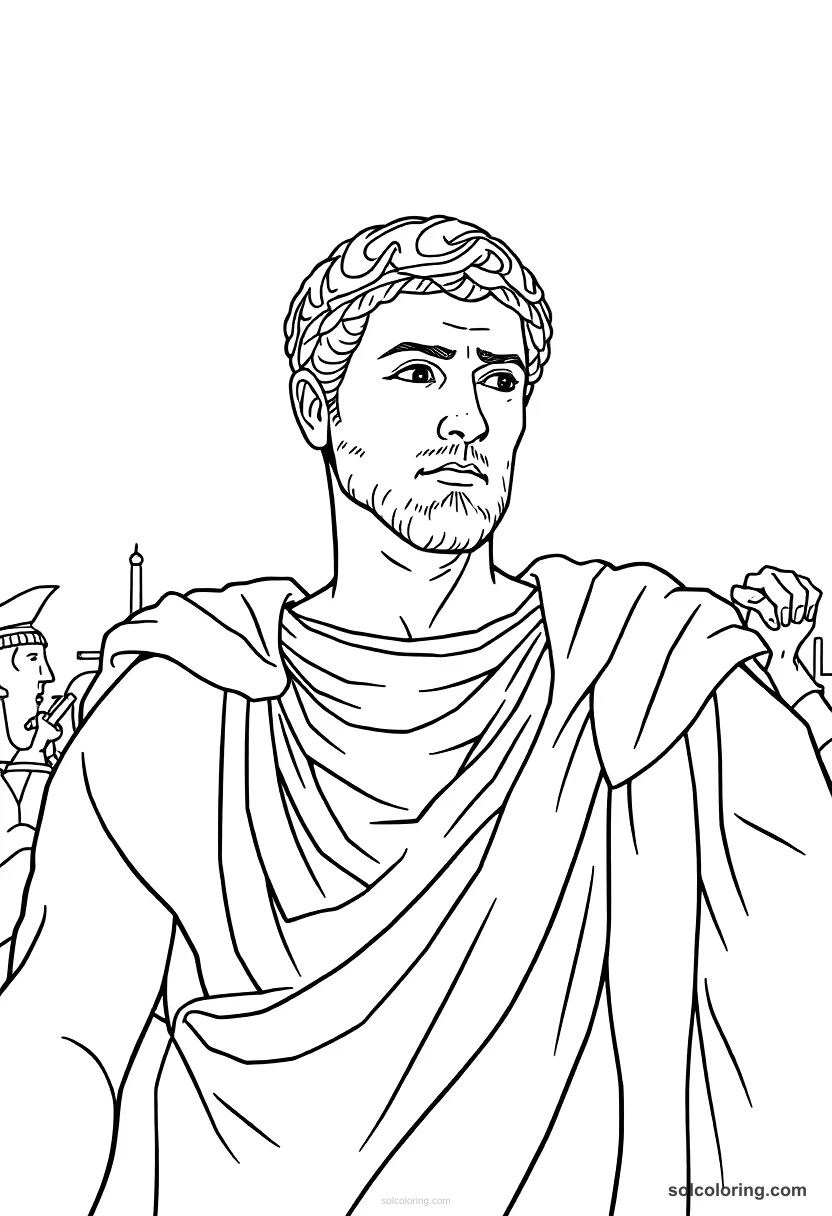
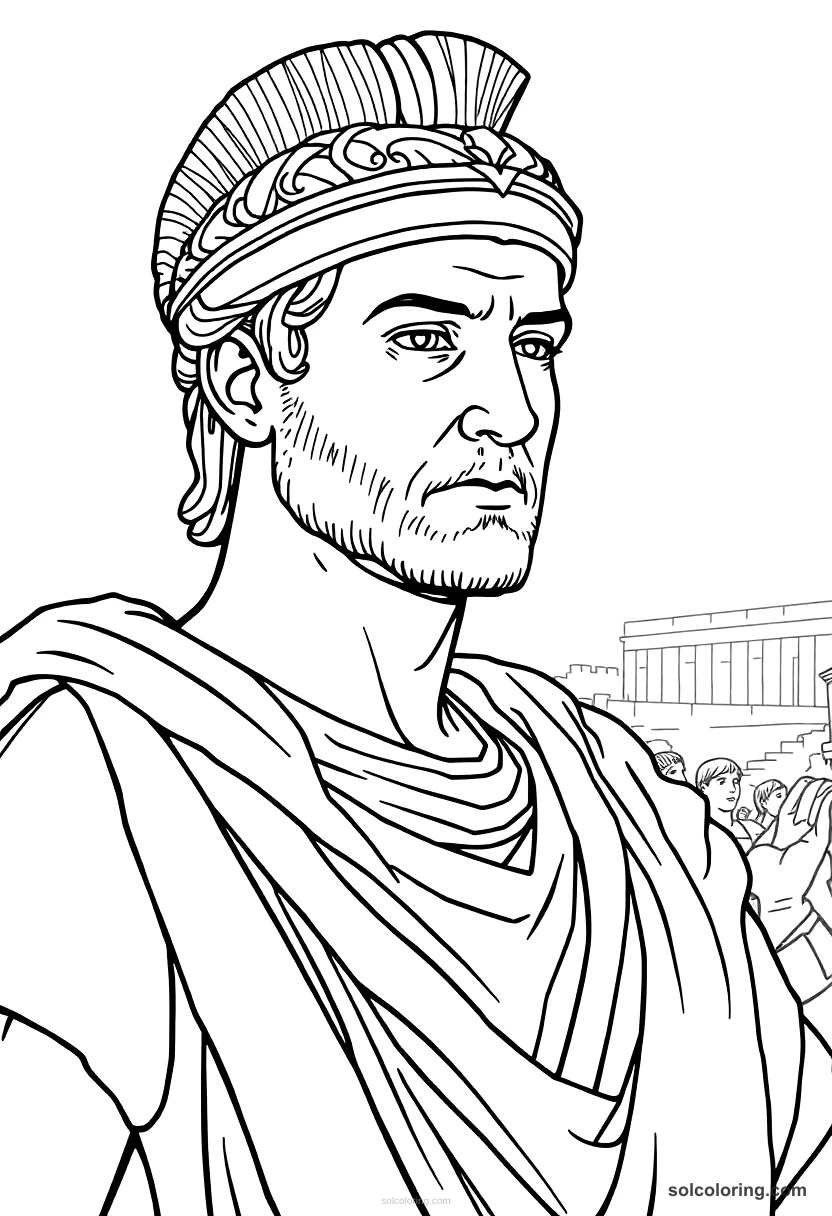
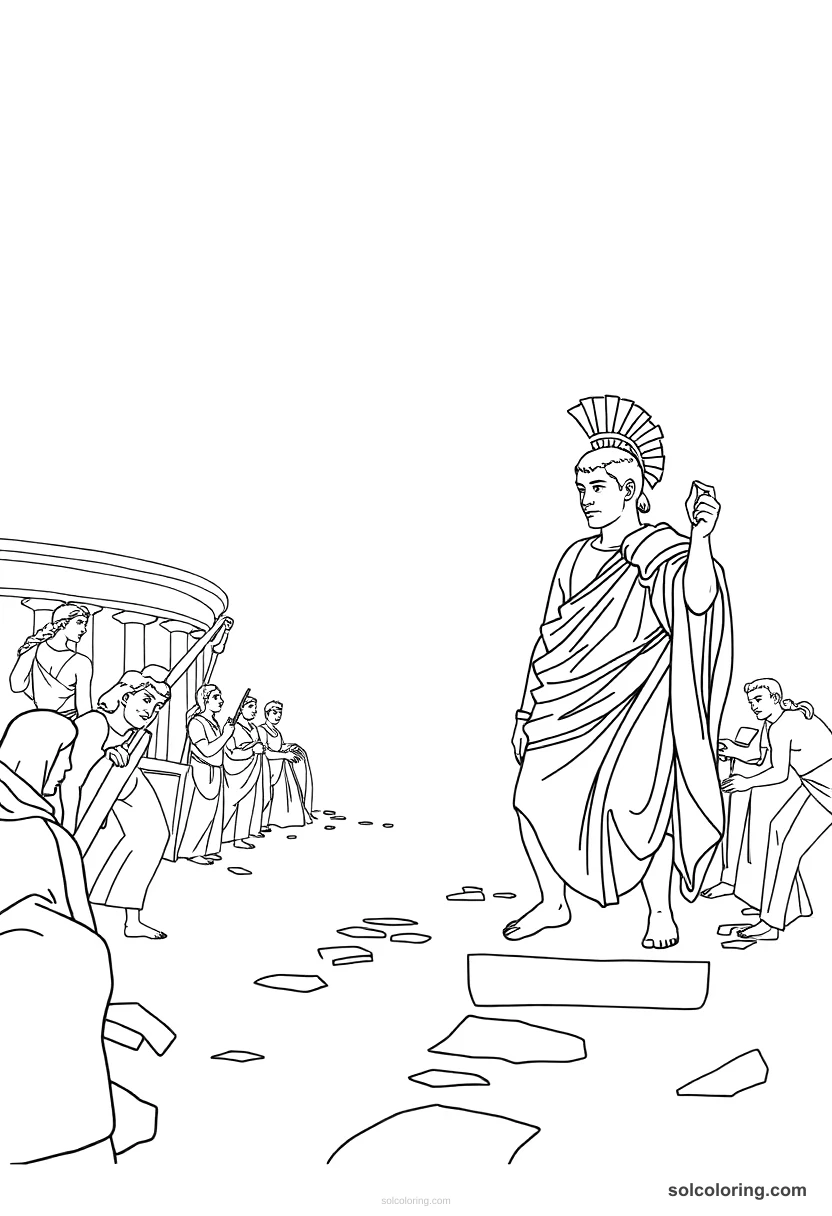
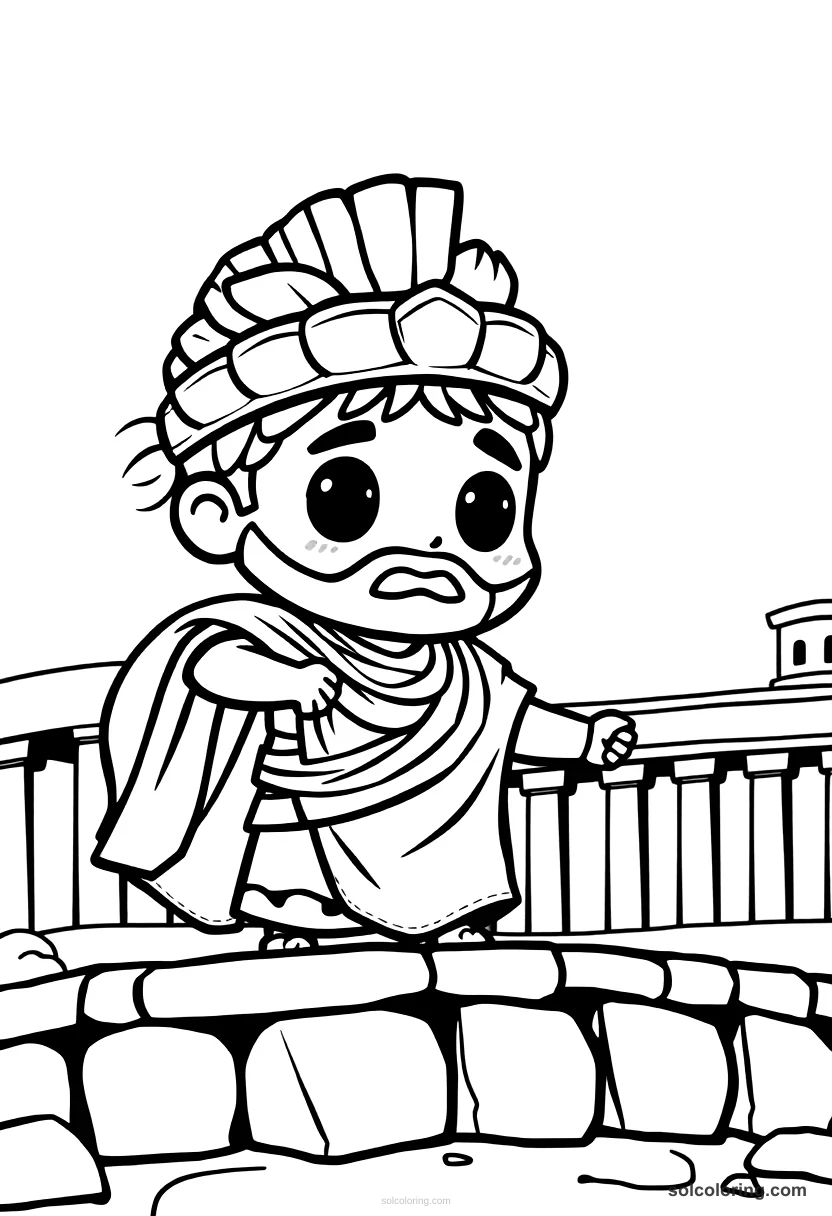
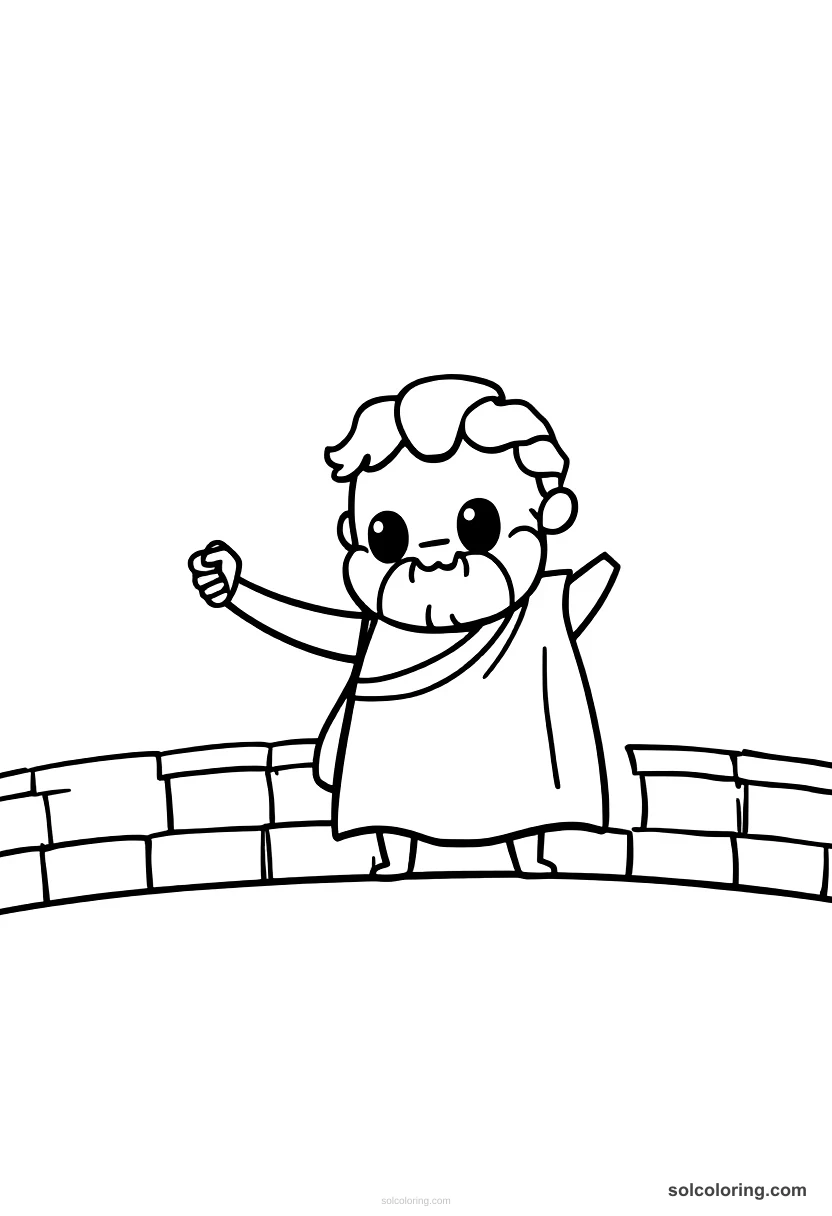
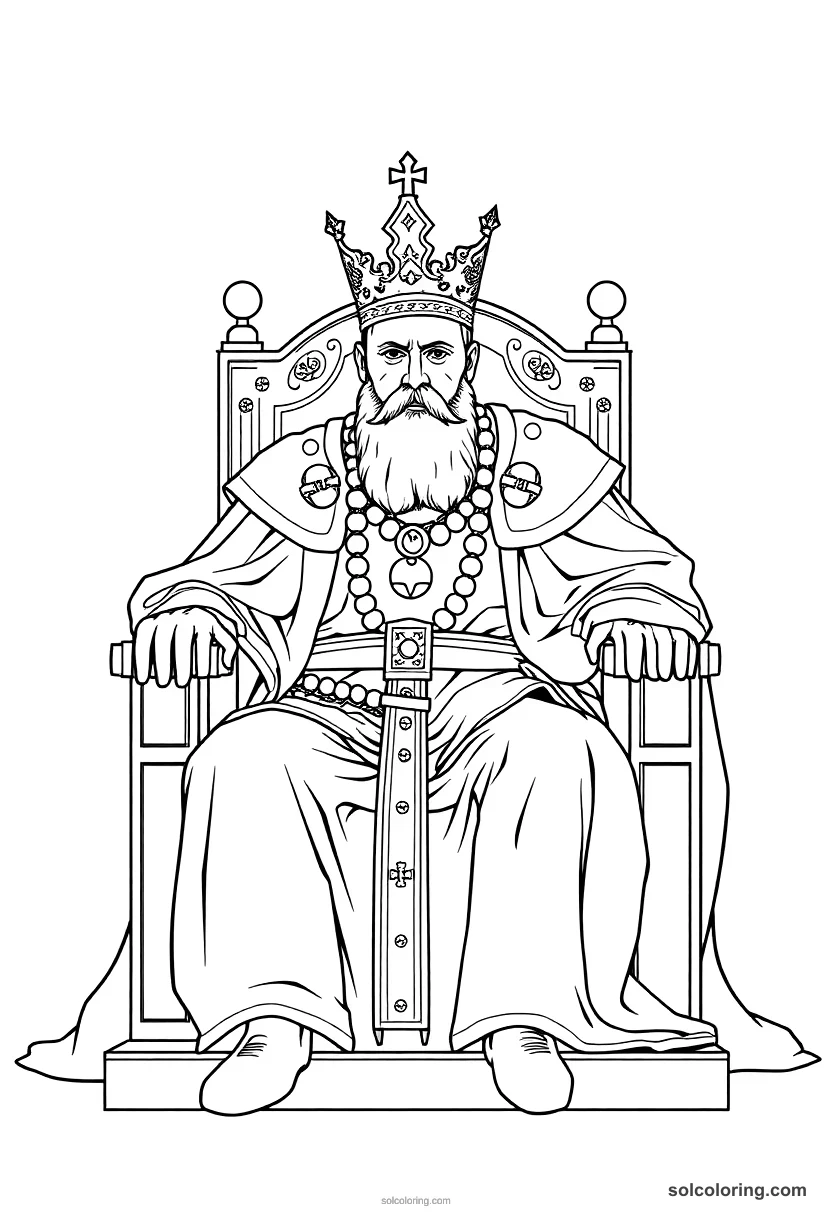
Julius Caesar Crossing The Rubicon Coloring Pages
6 free printable designs including Realistic, Detailed, Simple, Mandala and more.
One of history's most pivotal moments happened on January 10, 49 BC, when Julius Caesar made a decision that would change the Roman Empire forever. By crossing the small Rubicon River with his army, Caesar defied the Roman Senate and sparked a civil war that ultimately led to his rise as dictator. This dramatic moment gave us the famous phrase "crossing the Rubicon," meaning to pass a point of no return. The scene captures Caesar's courage, ambition, and the weight of making life-changing decisions. Our free printable coloring page brings this historic moment to life, allowing young artists to explore ancient Roman history while creating their own artistic interpretation of this legendary river crossing.
Read more →Read less ↑
Choose a style
Did you know?
Fun facts about Julius Caesar Crossing The Rubicon
The Rubicon River was only about 80 feet wide and 3 feet deep, making Caesar's crossing less dramatic than most paintings suggest.
Caesar was around 51 years old when he made this famous decision, already an experienced military commander and politician.
The phrase "crossing the Rubicon" didn't become popular in English until the 1600s, over 1,600 years after the actual event.
Caesar's enemy Pompey fled Rome so quickly after hearing about the crossing that he left behind the state treasury.
The Roman Senate had actually ordered Caesar to disband his armies and return to Rome as a private citizen before he made his crossing.
About Julius Caesar Crossing The Rubicon
When did Julius Caesar cross the Rubicon River?
Julius Caesar crossed the Rubicon River on January 10, 49 BC. Interestingly, the Rubicon was actually a small, shallow river in northern Italy, not the mighty waterway many people imagine when picturing this historic moment.
Why was crossing the Rubicon River such a big deal?
Roman law forbade any general from bringing armies into Italy proper. The Rubicon marked the boundary, so crossing it with his legion meant Caesar was declaring war against the Roman Senate and breaking sacred law.
What did Julius Caesar say when he crossed the Rubicon?
Caesar reportedly said "Alea iacta est," meaning "the die is cast." This phrase refers to throwing dice in a game, symbolizing that he had made his fateful decision and there was no turning back.
What happened after Caesar crossed the Rubicon River?
Caesar's crossing sparked a civil war that lasted four years. He ultimately defeated his rival Pompey and became dictator of Rome, fundamentally changing the Roman Republic into what would become the Roman Empire.
How many soldiers did Caesar have when he crossed the Rubicon?
Caesar crossed with only one legion, the famous Legio XIII Gemina, consisting of about 5,000 soldiers. This relatively small force shows just how bold and risky his decision really was at the time.
Where is the Rubicon River today?
The exact location of the ancient Rubicon River is debated by historians. It likely corresponds to either the modern Rubicone or Fiumicino rivers in northern Italy, both small waterways near the Adriatic coast.
More World Leaders Rulers coloring pages

Coloring page FAQs
Are these Julius Caesar Crossing The Rubicon coloring pages free?
Yes, all our Julius Caesar coloring pages are completely free to download and print. Simply click the download button and start coloring this historic moment right away.
What age are these Julius Caesar Crossing The Rubicon coloring pages for?
These coloring pages are designed for ages 8-14, with detailed illustrations that challenge older kids while remaining accessible for younger artists interested in history.
How do I print these Julius Caesar Crossing The Rubicon coloring pages?
Download the PDF and print on standard A4 or Letter size paper using any home printer. No account signup required, just instant access to historical coloring fun.