
World Leaders Rulers
Vercingetorix Surrendering To Caesar Coloring Pages
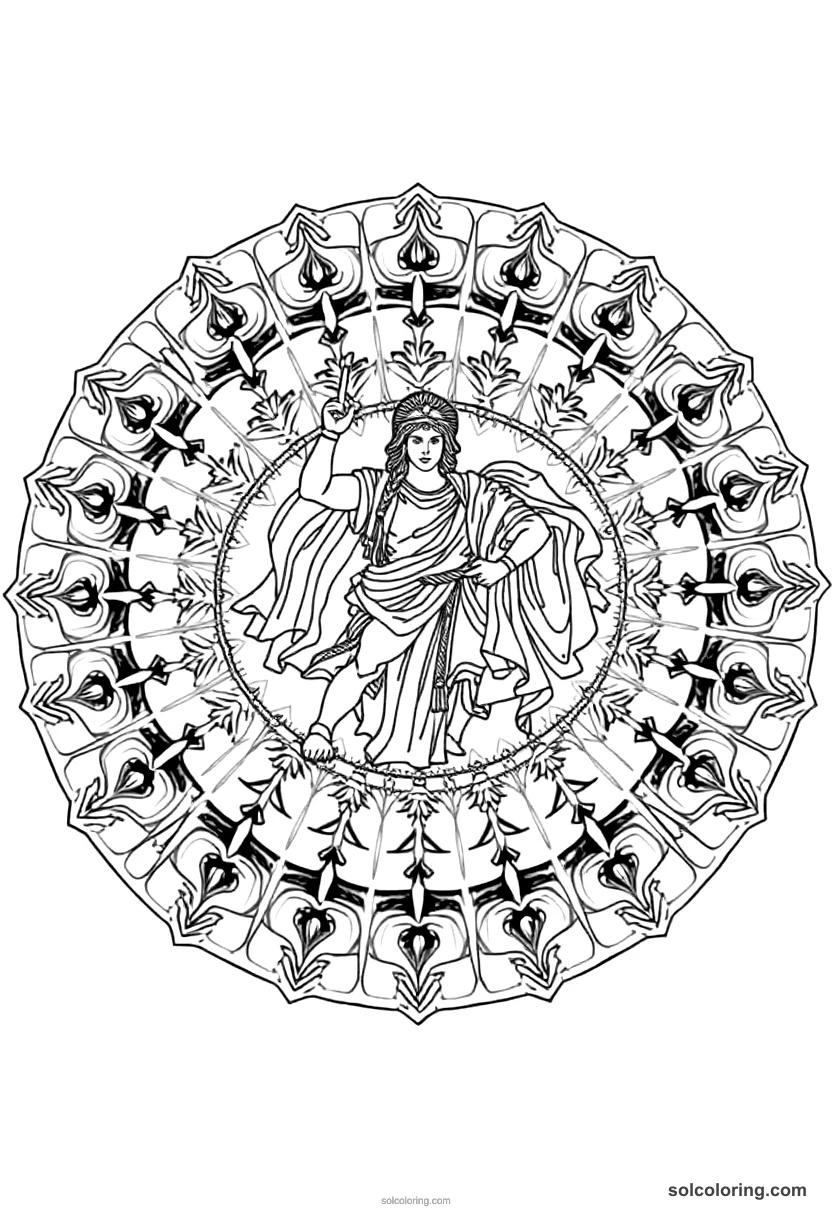
6 free printable designs including Realistic, Detailed, Simple, Mandala and more.
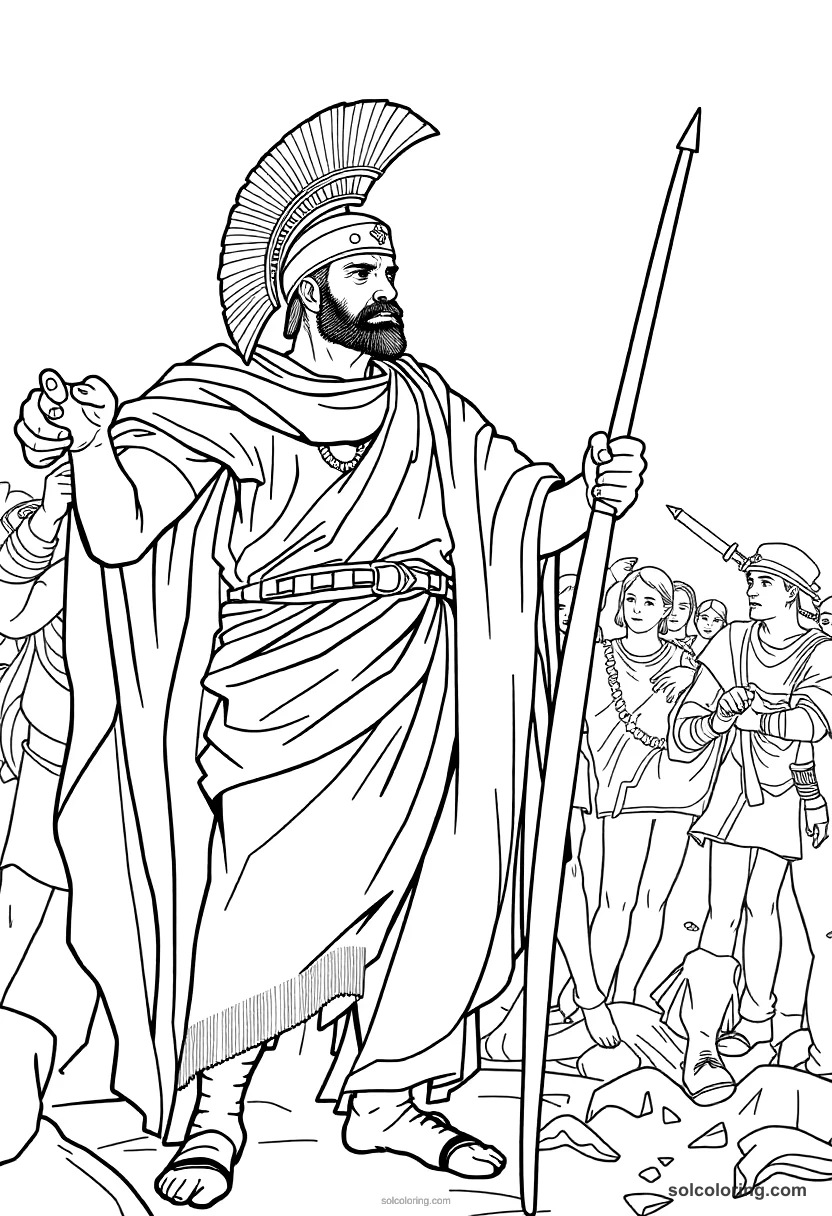
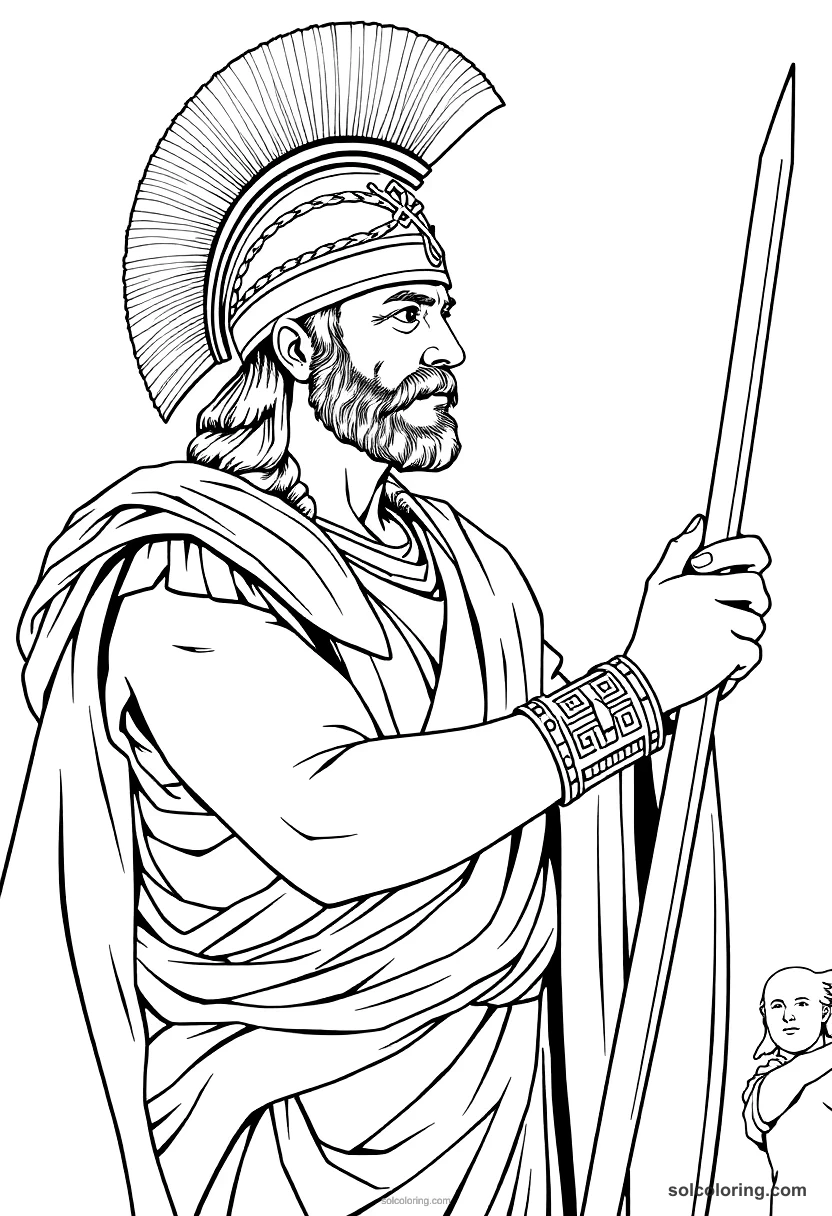
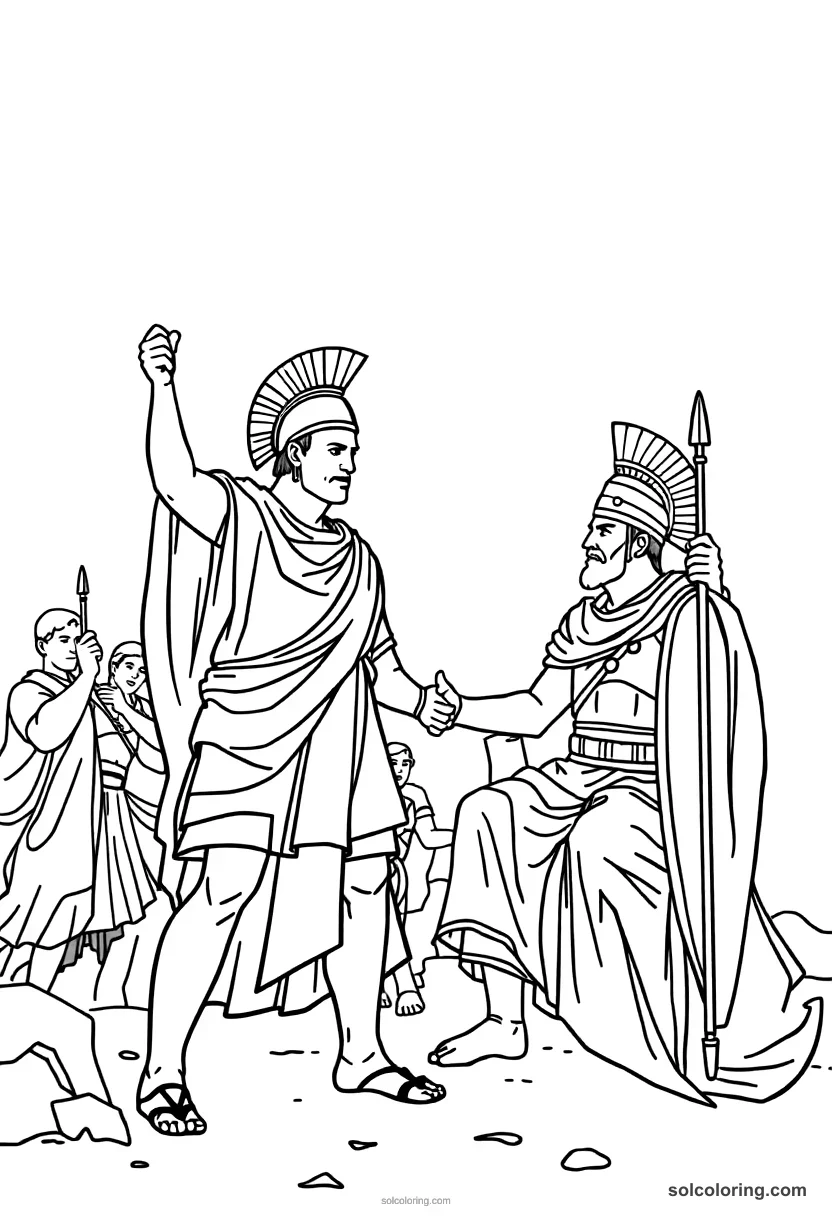
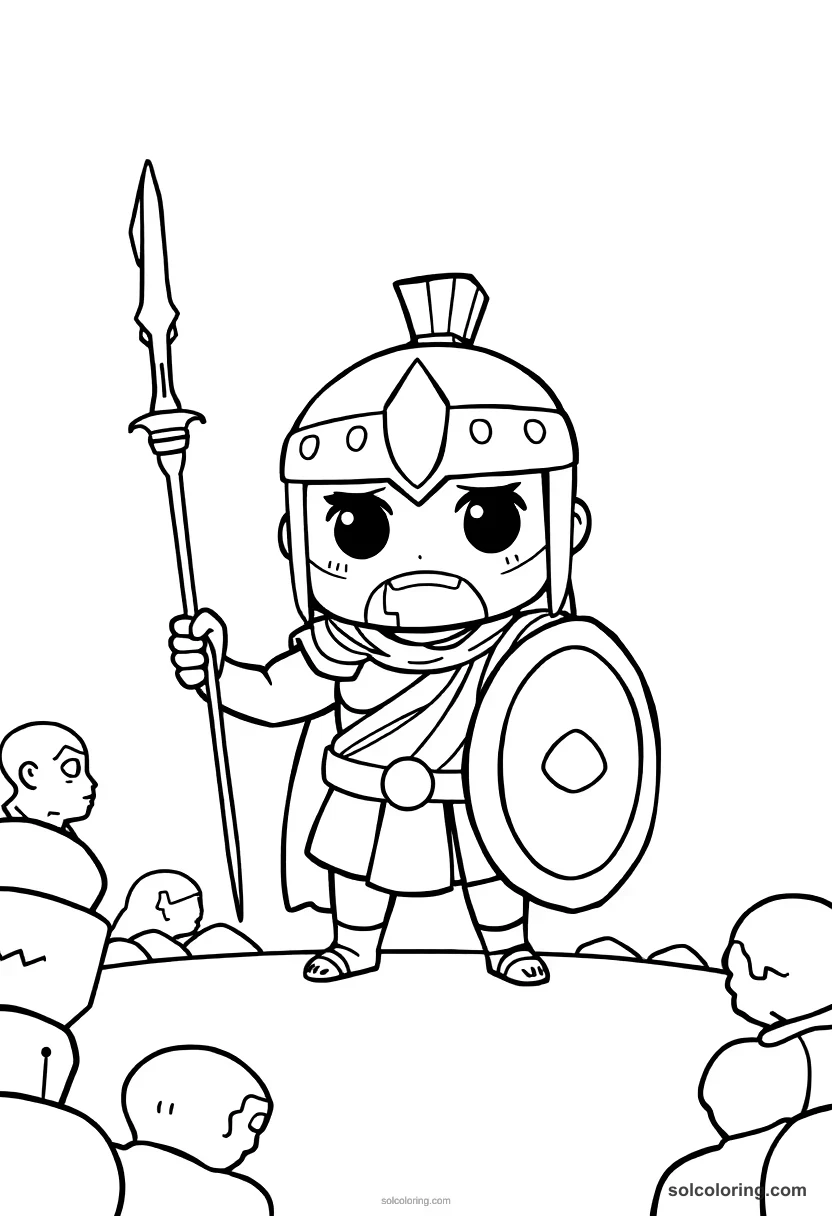
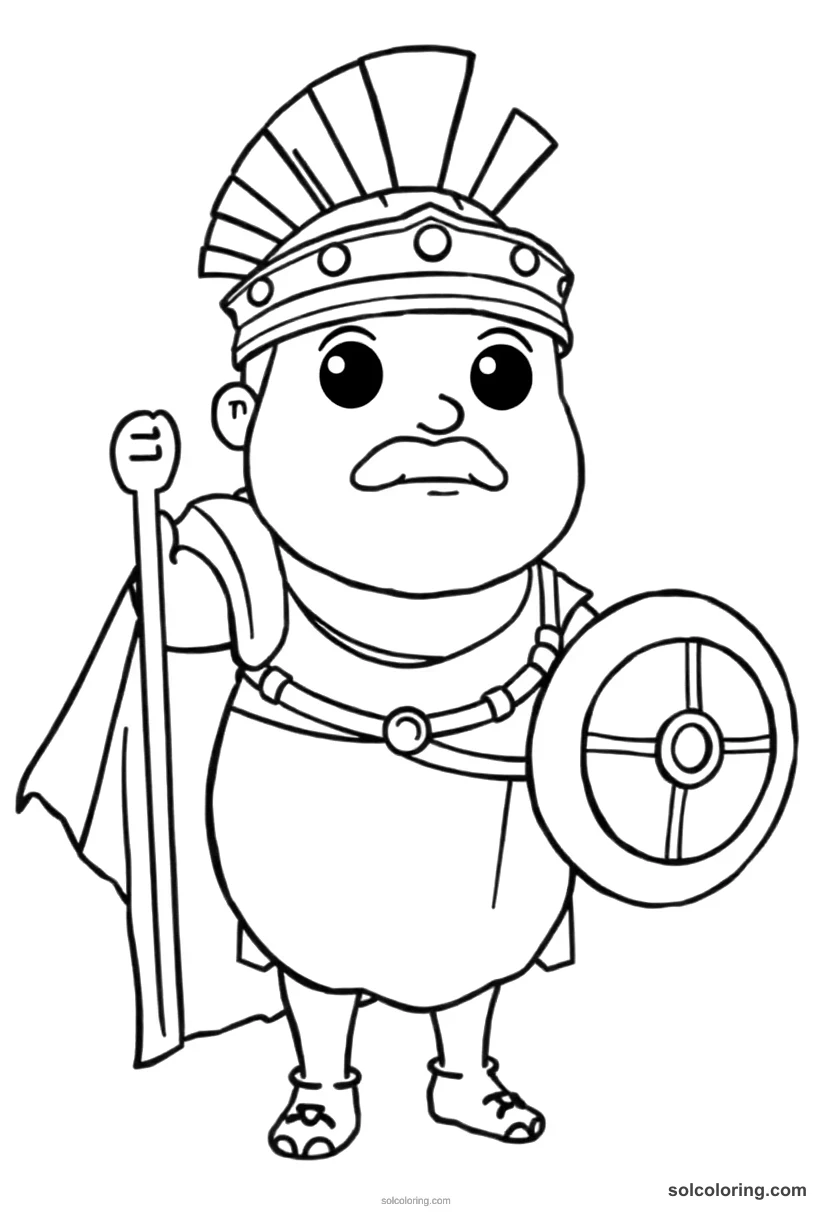
Step into one of history's most dramatic moments with our Vercingetorix Surrendering to Caesar coloring pages. This pivotal scene from 52 BCE marks the end of Gallic resistance and the triumph of Roman power in ancient Europe. Vercingetorix, the brave Gallic chieftain who united Celtic tribes against Julius Caesar, made the ultimate sacrifice to save his people. This free printable coloring page captures the tension and emotion of this historic surrender at Alesia. Color the elaborate Roman armor, Celtic warrior attire, and ancient fortress walls while learning about courage, leadership, and the clash of civilizations. Perfect for exploring ancient history through art!
Read more →Read less ↑
Choose a style
Did you know?
Fun facts about Vercingetorix Surrendering To Caesar
Vercingetorix's name means 'Great King of Warriors' in the ancient Celtic language.
He was only about 22 years old when he led the massive rebellion against Rome, making him one of history's youngest military leaders.
Caesar built 11 miles of walls around Alesia to trap Vercingetorix, then built another wall facing outward when a Gallic relief army arrived.
The surrender ceremony was so dramatic that Roman historians compared it to scenes from Greek tragedies.
Modern France considers Vercingetorix their first national hero, with statues and monuments honoring him throughout the country.
About Vercingetorix Surrendering To Caesar
Who was Vercingetorix and why did he surrender to Caesar?
Vercingetorix was a young Gallic chieftain who united Celtic tribes against Roman invasion in 52 BCE. He surrendered himself to Julius Caesar to save his starving warriors trapped in the fortress of Alesia, sacrificing his freedom for his people's survival.
What happened to Vercingetorix after he surrendered?
After surrendering, Vercingetorix was taken to Rome as Caesar's prisoner. He was held for six years, displayed in Caesar's triumph parade, then executed in 46 BCE. His sacrifice made him a symbol of resistance against oppression.
Where did the surrender take place?
The surrender occurred at Alesia, a hilltop fortress in modern-day France. Caesar had surrounded the city with massive siege walls, trapping the Gauls inside. Archaeological excavations have confirmed the location and Caesar's detailed battle descriptions.
Why was this surrender so important in history?
This surrender ended the last major Celtic resistance to Rome, securing Caesar's conquest of Gaul (modern France). It made Caesar incredibly wealthy and powerful, leading to his later crossing of the Rubicon and transformation into dictator of Rome.
How did Caesar describe this moment?
In his own writings, Caesar described how Vercingetorix dramatically threw down his weapons and armor at Caesar's feet in silence. This theatrical surrender was witnessed by thousands of Roman soldiers and became legendary in ancient literature.
What made Vercingetorix such an effective leader?
Despite being only in his early twenties, Vercingetorix successfully united dozens of traditionally warring Celtic tribes under one banner. He pioneered guerrilla warfare tactics and scorched-earth strategies that nearly defeated Rome's greatest general.
More World Leaders Rulers coloring pages
Coloring page FAQs
Are these Vercingetorix Surrendering To Caesar coloring pages free?
Yes! All our Vercingetorix coloring pages are completely free to download and print. No payment, subscription, or hidden fees required.
What age are these Vercingetorix Surrendering To Caesar coloring pages for?
These historical coloring pages are designed for ages 8-14, featuring detailed scenes perfect for older children who enjoy history and complex artwork.
How do I print these Vercingetorix Surrendering To Caesar coloring pages?
Simply download the PDF and print on standard A4 or Letter paper using any home printer. No account signup required, just click and print!