Easter
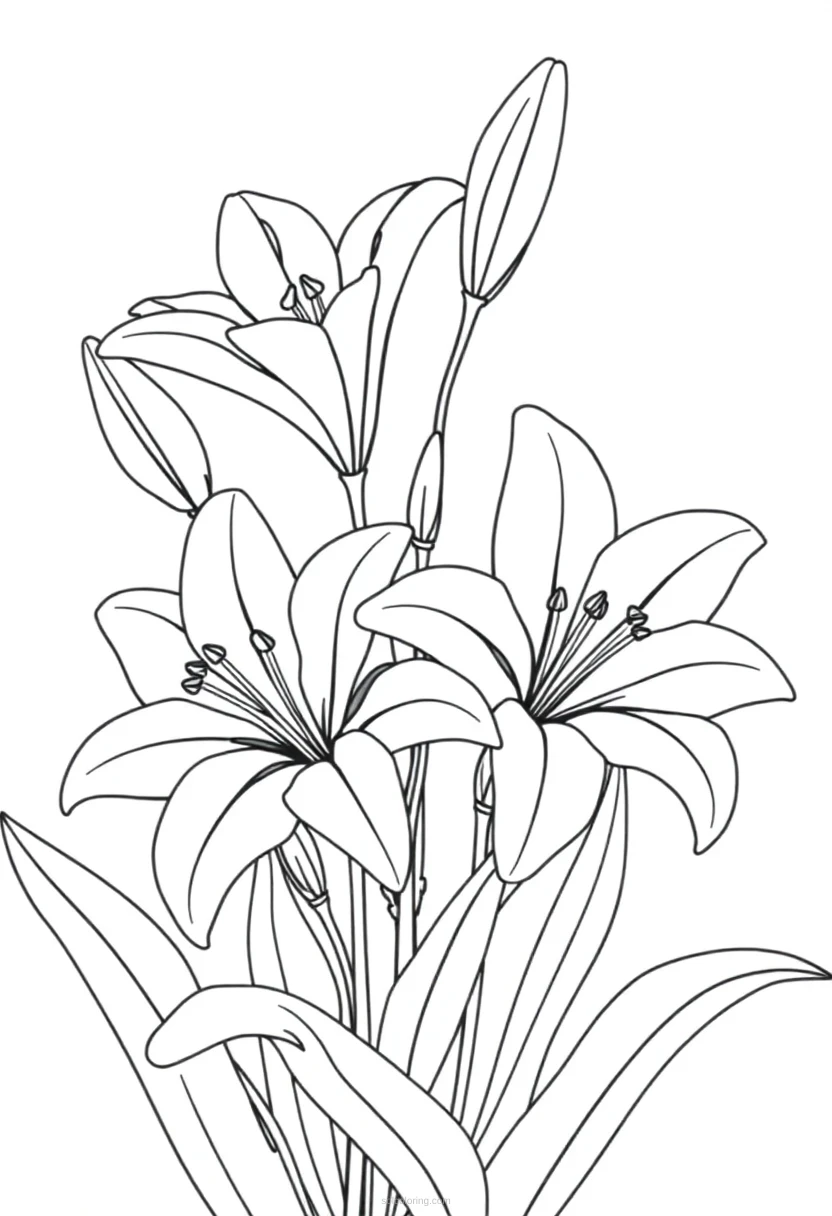
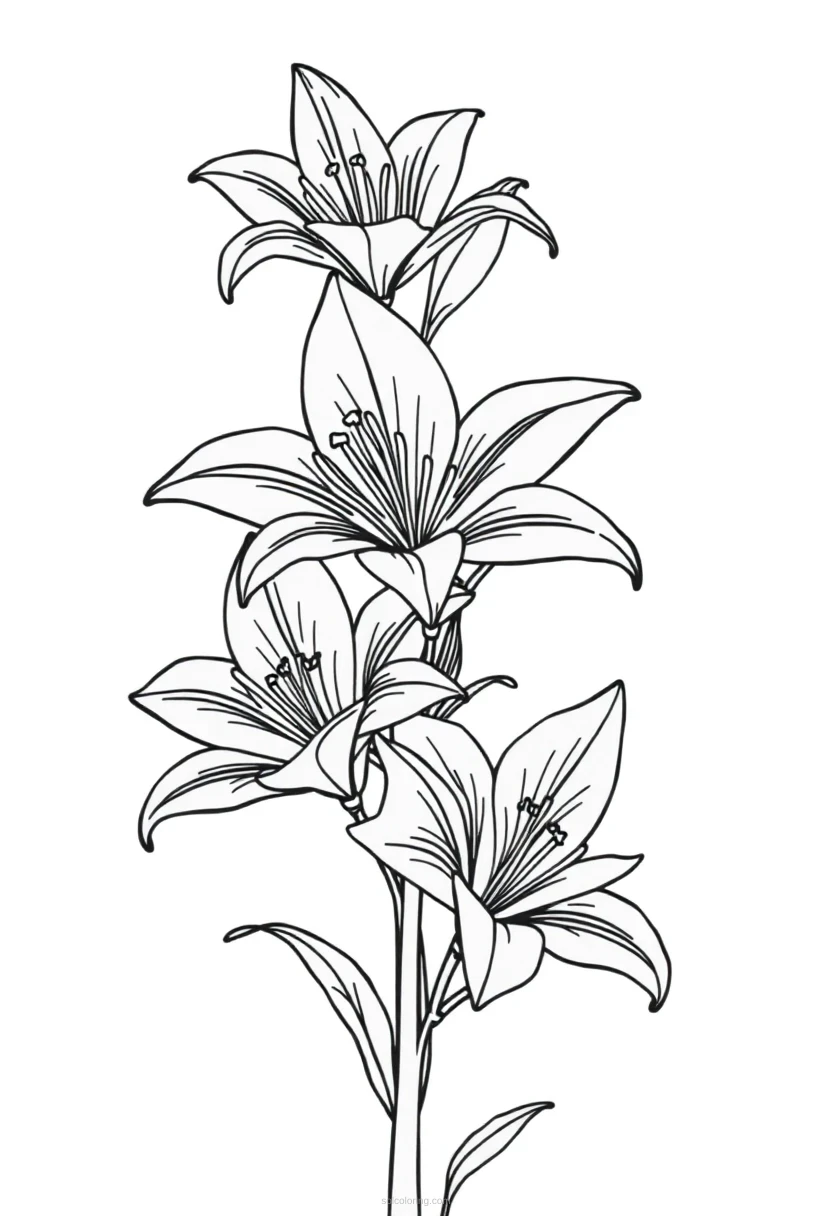
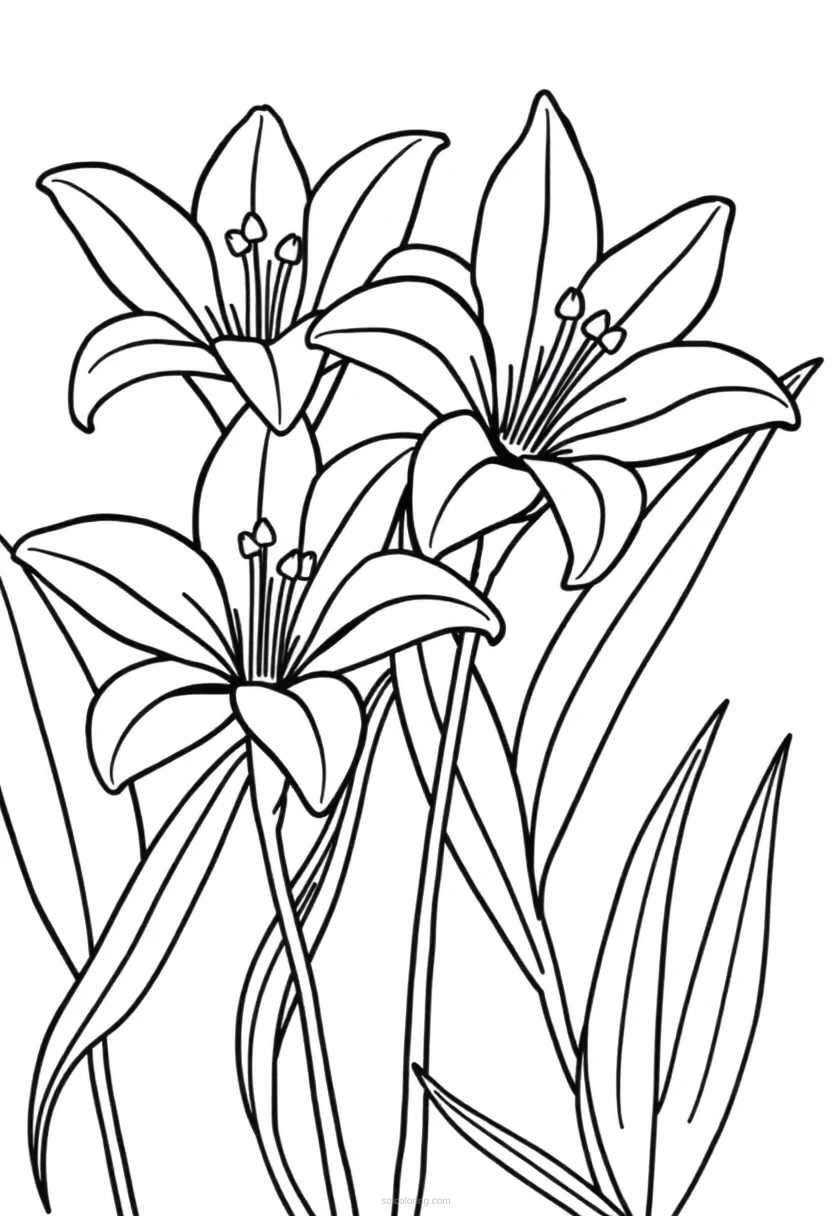
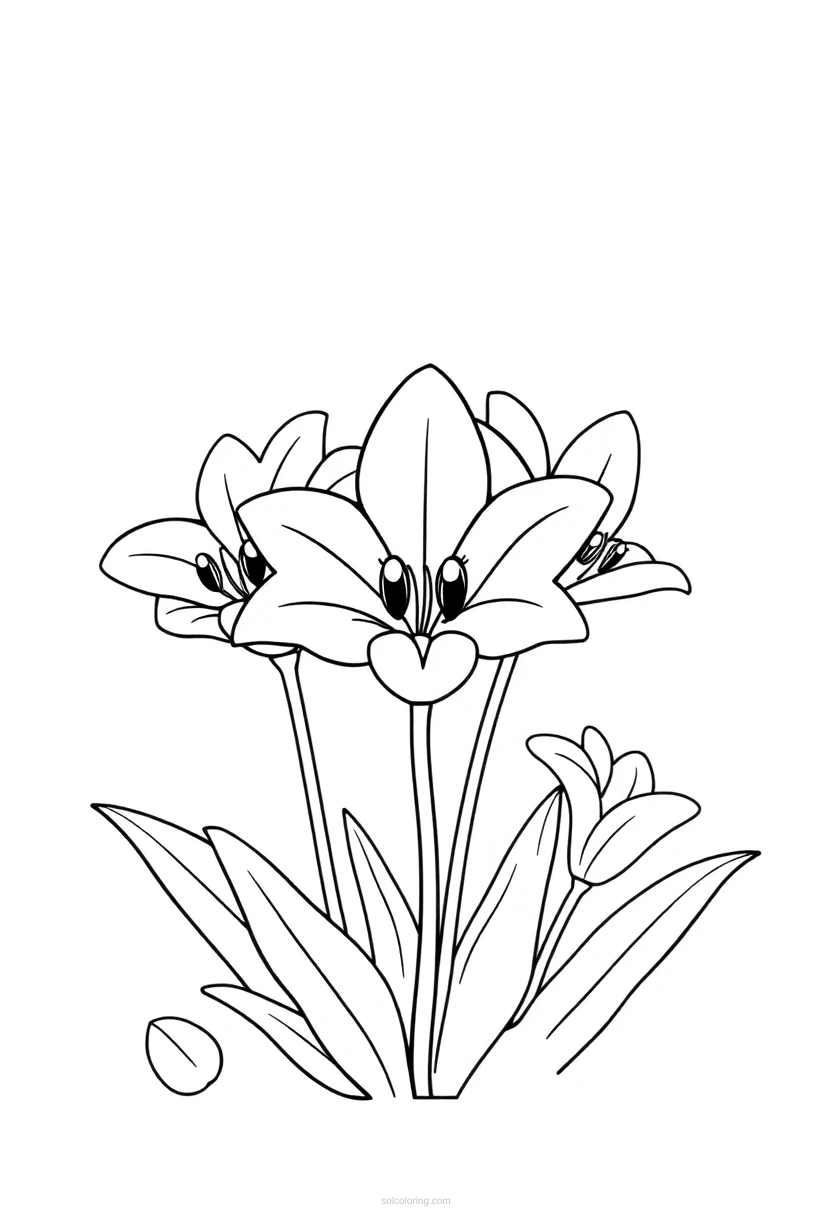
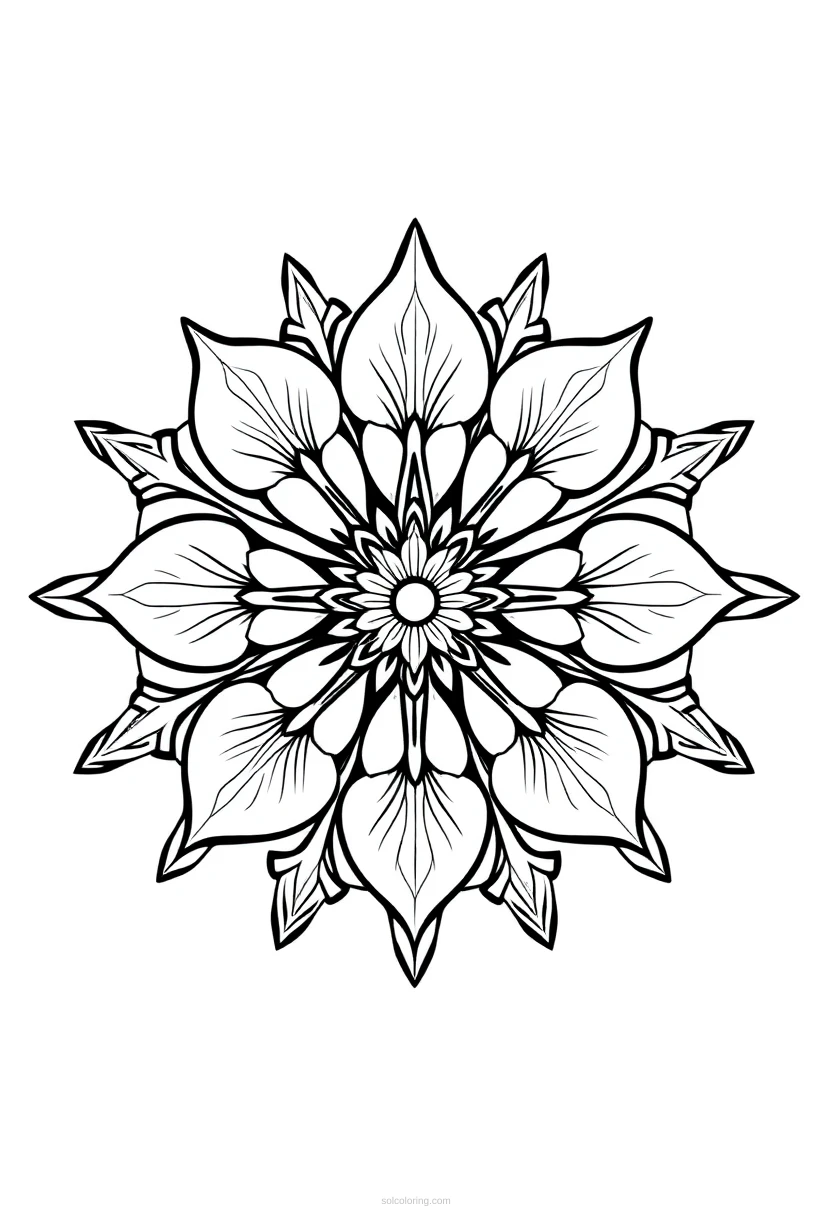
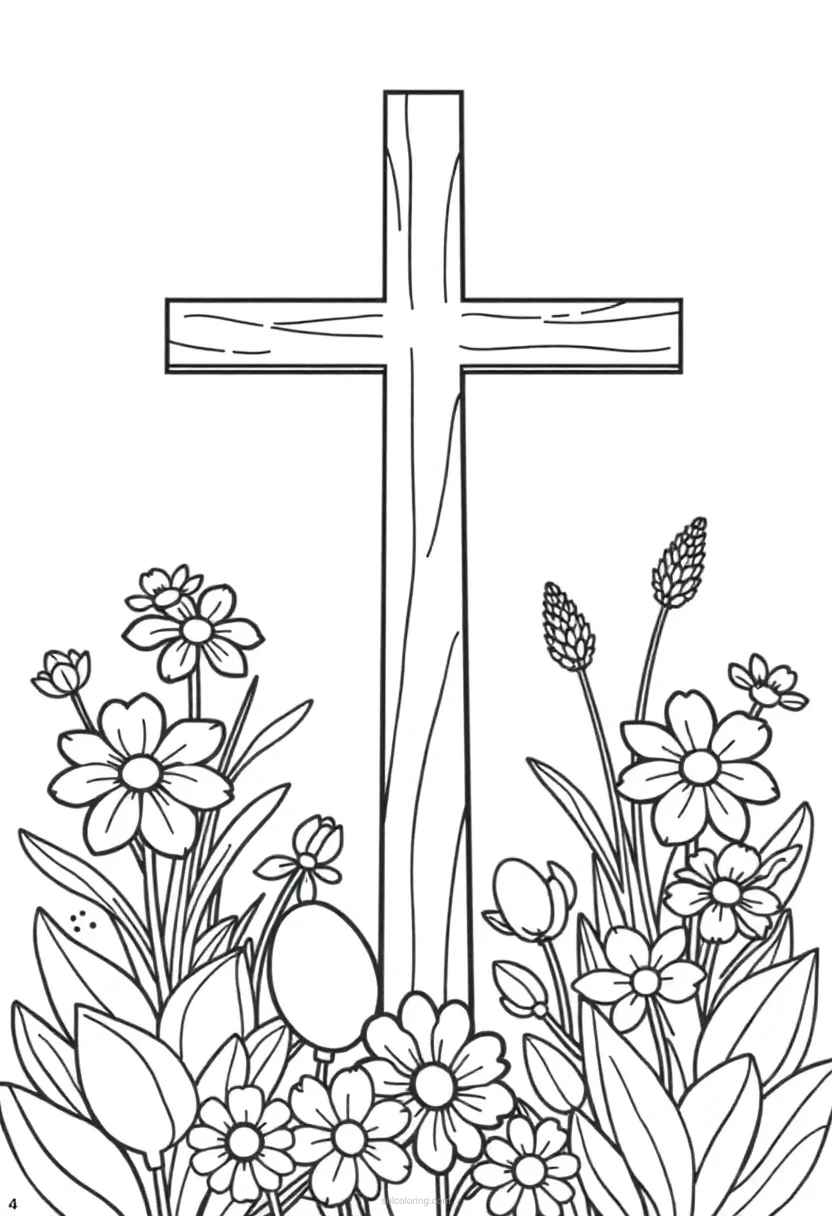
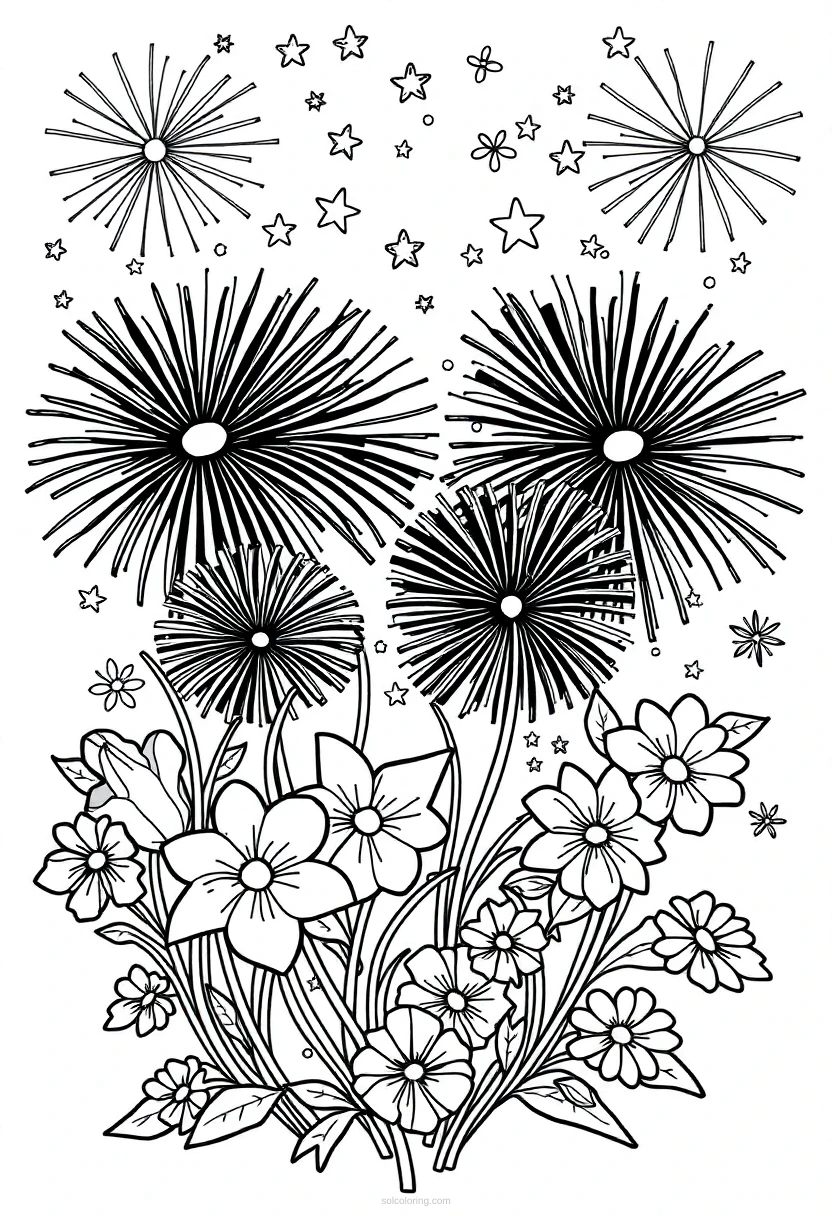
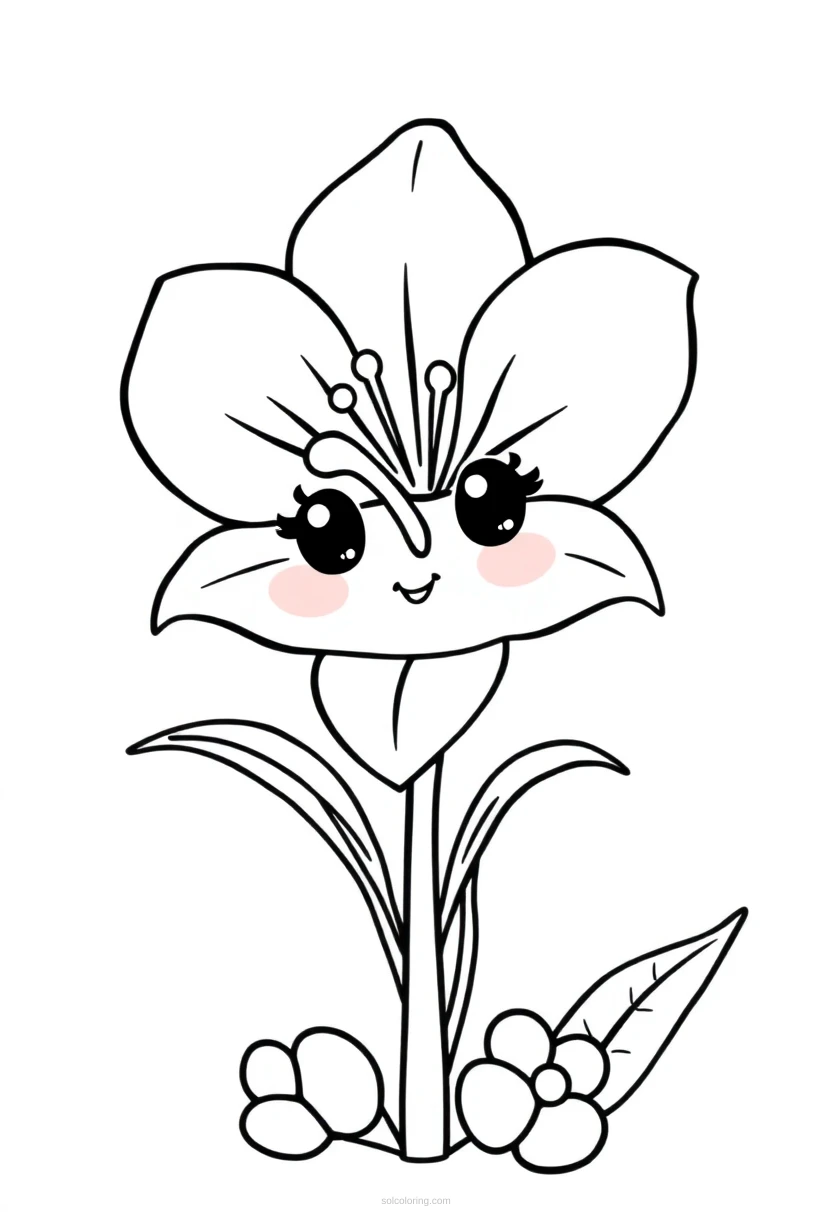
Easter Lily Flowers Coloring Page
Standard style
About this coloring page
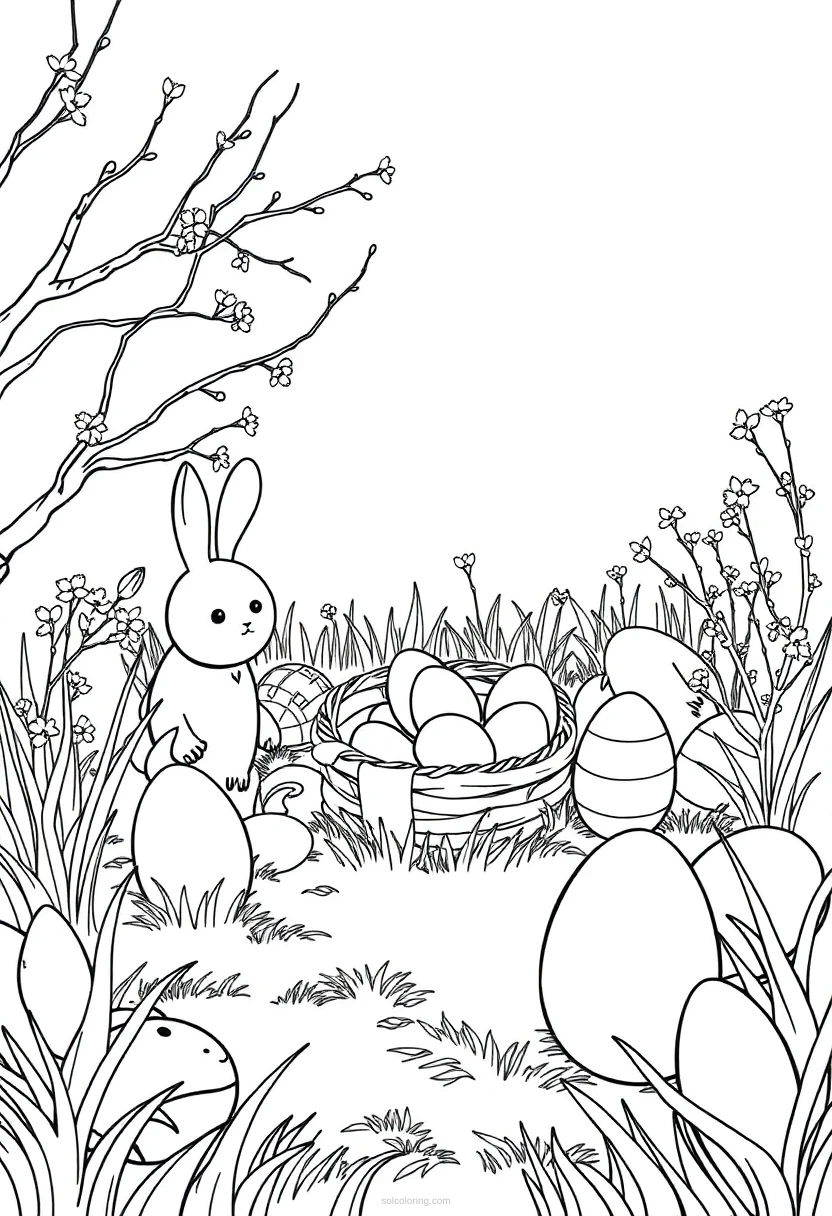
Discover our free printable Easter Lily Flowers coloring page featuring bold, clean outlines perfect for coloring with markers, pencils, or crayons. Available for immediate download and printing at home.
Frequently asked
Why are Easter lilies associated with Easter?
Easter lilies became connected to Easter through Christian tradition, symbolizing Jesus's resurrection and new life. Their pure white flowers represent purity and hope. These lilies bloom naturally in spring, making them perfect timing for Easter celebrations. The flower's trumpet shape is said to resemble a trumpet announcing Christ's resurrection, strengthening its religious significance.
Where do Easter lilies originally come from?
Easter lilies are native to the Ryukyu Islands of Japan, not the Middle East as many assume. Japanese farmers cultivated these flowers for centuries before they were introduced to the Western world in the 1800s. American growers then began large-scale cultivation in California, where most Easter lilies sold worldwide are still grown today.
How do Easter lilies grow and what do they need?
Easter lilies grow from bulbs planted in soil and need cool temperatures to develop properly. They require well-draining soil, bright indirect light, and consistent moisture without waterlogging. These plants typically flower in spring after a winter dormancy period. After blooming indoors as potted plants, they can be transplanted outdoors to bloom again in future years.
Are these Easter Lily Flowers coloring pages free?
Yes, all our Easter Lily Flowers coloring pages are completely free to download and print. No subscription or payment is required. Simply visit our website, select your favorite design, and print as many copies as you like on standard A4 or Letter paper.
What age are these Easter Lily Flowers coloring pages for?
Our Easter Lily Flowers coloring pages are designed for ages 8 to 14, with varying difficulty levels. Younger children enjoy simpler designs with larger areas to color, while older kids can tackle more detailed illustrations with intricate petal patterns and shading opportunities.